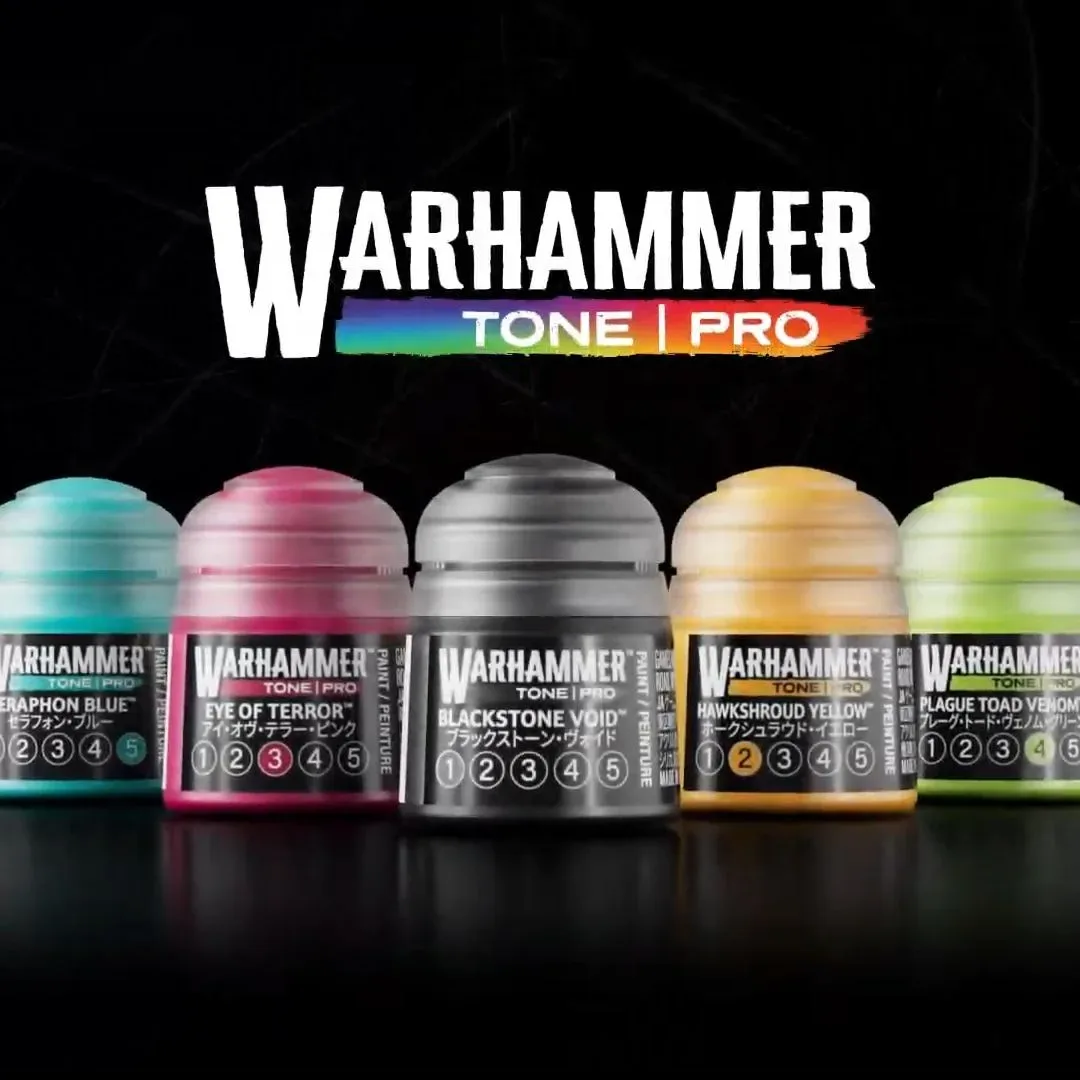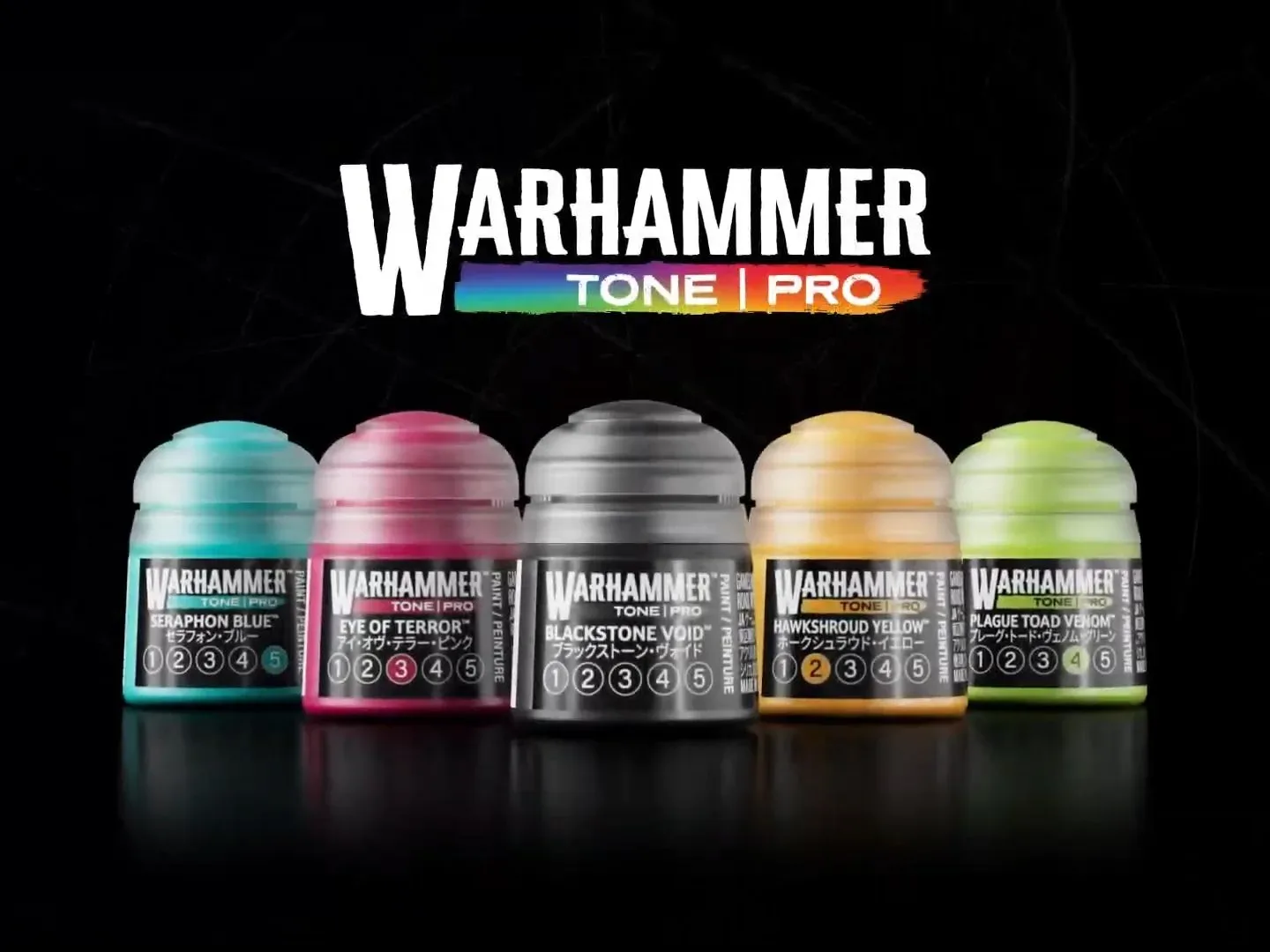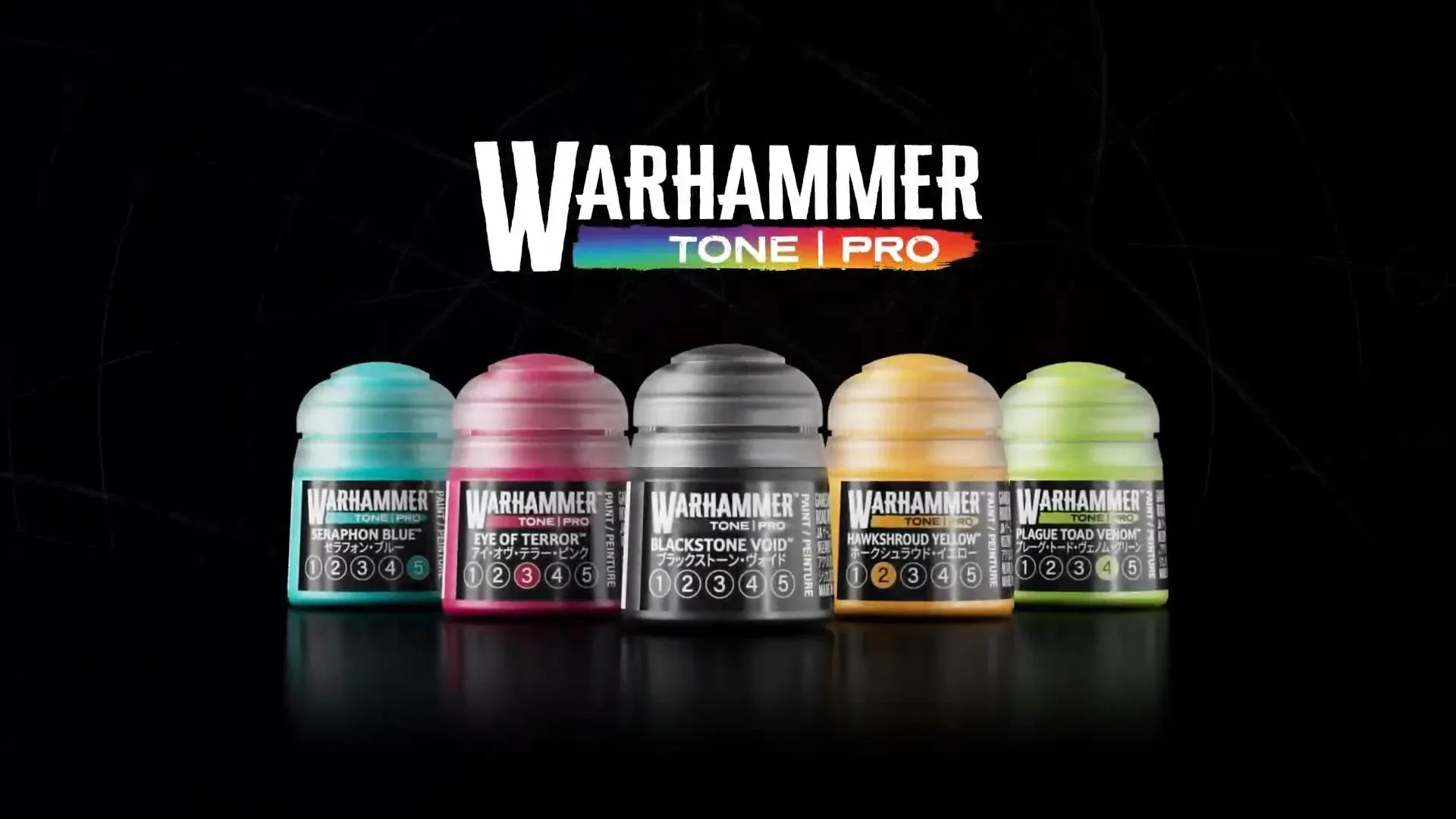
Miniature painters have spent years learning a deceptively simple rule: use thin coats. Now, an early demonstration of the newly revealed Warhammer Tone Pro range has prompted a rather heretical response from the community: what if a thick coat could work too?
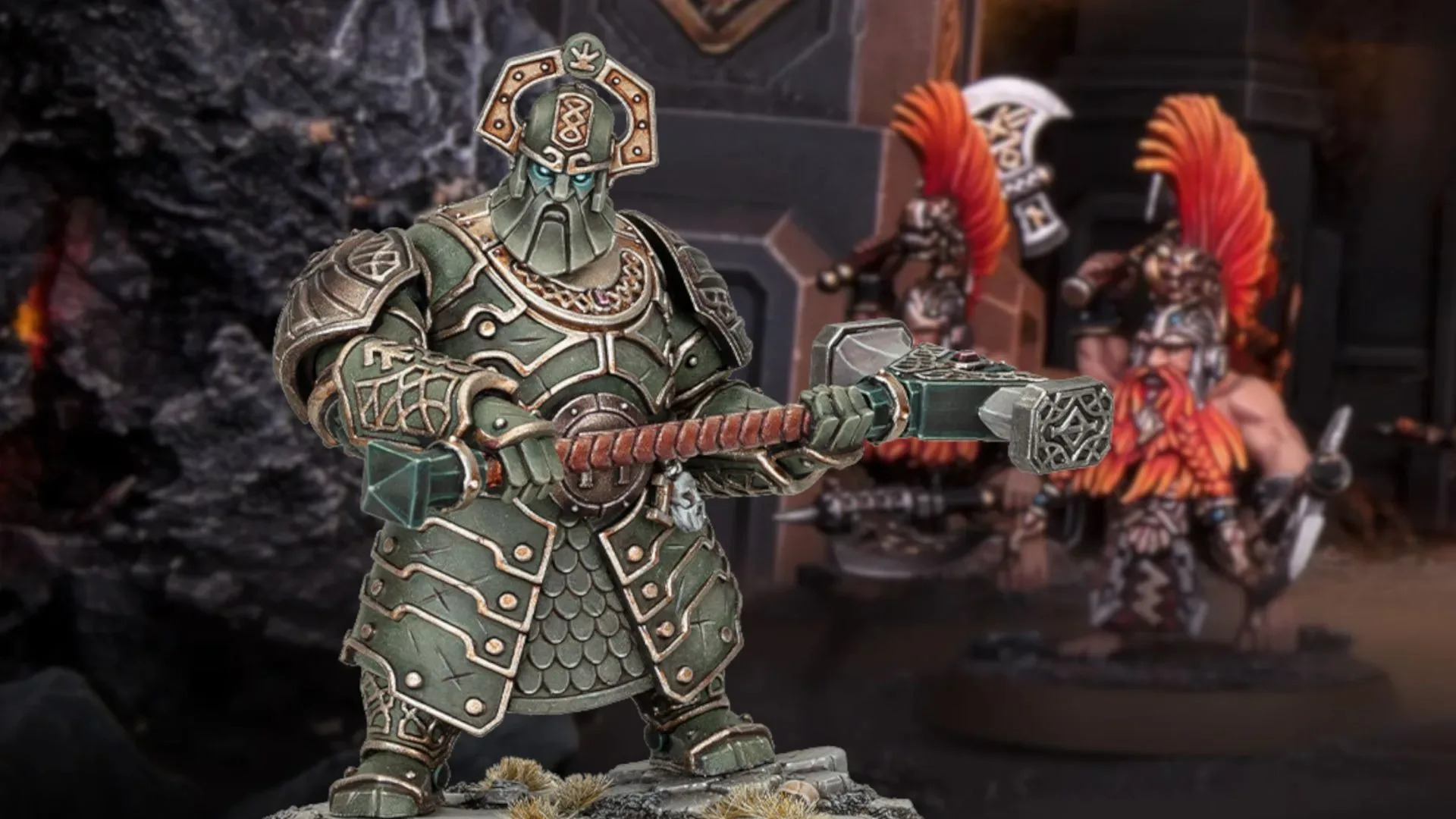
The buzz centers on a video from professional miniature painter Louise Sugden, known as Savage Ork Guy, who put the paint’s claimed self-leveling behavior under an intentionally unfriendly test. Rather than applying a cautious, controlled layer, Sugden loaded on a notably heavy amount. The striking part came after it dried: the coat appeared to settle into an even, opaque base layer while leaving the miniature’s sculpted detail visible.
That outcome is why a hobby normally associated with meticulous brushwork has, briefly, become a place where people are happily watching paint dry. One widely shared community thread reacting to the clip drew 8,900 upvotes, with commenters treating the result as something close to alchemy. Another summed up the mood with a Lord of the Rings-flavored reversal of conventional painting wisdom: the era of two thin coats may be giving way to one thick coat.
Why “two thin coats” became miniature-painting gospel
For newcomers, “two thin coats” is more than a meme. It is a common piece of practical advice intended to prevent paint from clogging shallow details. Miniatures often have fine features that can be softened by paint applied too heavily: facial definition, armor seams, cloth texture, weapon ornamentation, insignia, and panel lines all depend on the underlying sculpt remaining readable.
For more context, explore GMKtec M6 Ultra Mini PC Is Listed at $500, Pairing Ryzen 5 7640HS With Radeon 760M Graphics.
A thin layer is less likely to pool in recesses or dry with a visibly raised, uneven surface. The trade-off is time. A painter may need to wait between layers and repeat coverage to get a solid, consistent color. If Tone Pro can provide strong coverage while also spreading and settling evenly, it could reduce one of the most routine barriers between a bare miniature and a usable basecoat.
That is a substantial if, and it is worth retaining that caution while early clips circulate. The visual test is promising, but a social-media demonstration cannot answer every practical question a painter may have. It does not, by itself, establish how the paint behaves across every color, over different undercoats, on large flat surfaces, in humid conditions, or after a model receives later layers. It does, however, show why the concept has attracted attention so quickly.
What the range is promising
Warhammer Tone Pro was one of the more unexpected reveals from the Big Autumn Warhammer Preview. Its stated ambitions are unusually direct: superior pigmentation, improved coverage, and better flow. Each term matters to painters, but none is magic on its own.
Related coverage includes Warhammer Tone Pro Paints Are Turning Heads With Their Remarkable Self-Leveling Finish.
- Pigmentation refers to the color-bearing particles in paint. In everyday hobby terms, painters often judge a highly pigmented paint by how strongly and consistently it covers the surface.
- Coverage is how effectively a paint produces an even color over the layer beneath it. Weak coverage can leave a patchy finish and demand additional coats.
- Flow describes how paint moves from the brush and across a surface. Useful flow can help a paint spread without leaving obvious brush marks or collecting where it should not.
- Self-leveling is the behavior at the heart of the current excitement. As the paint settles before drying, it can smooth out some of the ridges and irregularities left by the brush.
The heavy-coat demonstration puts those ideas together in the most immediately understandable way. Painters are not reacting merely because a layer looks opaque. They are reacting because the paint appears to have had enough flow and leveling time to turn an imprecise application into a tidy-looking basecoat without apparently burying detail.
In other words, the interesting claim is not that painters should suddenly abandon brush control. It is that the paint may be more forgiving when that control is imperfect. That distinction could matter enormously to someone painting their first squad, as well as to an experienced hobbyist looking to move through a large project more efficiently.
A different proposition from Contrast- and Speed-style paints
The excitement around Tone Pro should not be confused with the appeal of Contrast- or Speed-style paints. Those products are designed to produce color while naturally emphasizing recesses and raised areas, effectively helping establish shadows and highlights in a single application. They can be a fast route to a striking tabletop result, but they have their own handling requirements and can reward a deliberate technique.
Tone Pro, based on the early material, appears aimed at a more traditional stage of the process: laying down a clean, solid base color. That makes it less a replacement for every specialized paint and more a potential change to the foundation on which other painting steps are built.
For a painter who wants a conventional layered look, an efficient basecoat can be particularly valuable. It may leave them free to add their own washes, edge highlights, weathering, or other details afterward. For a beginner, the benefit may be even more basic: fewer visible mistakes at the stage when learning brush pressure, thinning, paint loading, and patience can feel like a lot to absorb at once.
Early hands-on impressions have not been limited to Sugden’s stress test. The painter Warhipster, whose work has focused heavily on Contrast painting, was among those able to handle the range before its reveal and has praised the overall concept. That reaction is notable because it comes from a creator already deeply familiar with a different route to faster miniature painting.
Why the clip has connected with beginners and veterans alike
Miniature painting is a hobby in which small technical improvements can have an outsized effect. A better brush, a more cooperative primer, or paint that needs fewer passes does not remove creativity from the process. It removes friction. A hobbyist can then spend more of their session choosing colors and adding character, and less of it correcting a streaky or patchy starting layer.
For beginners, that can reduce the discouragement that follows a first heavy coat. The usual lesson has often been learned through seeing detail disappear or discovering that a color needs more work than expected. A paint with reliable self-leveling could make that learning curve less punishing. It may also make the instruction to avoid overloading the brush feel less like an absolute cliff edge.
Veteran painters, meanwhile, are likely to view the prospect through the lens of throughput and control. An army project can involve many repeated colors across numerous figures. If a painter can achieve a smooth, rich basecoat with fewer applications, the time saved is not necessarily about rushing a display piece. It may be about getting a force to the table sooner or reserving attention for the showcase elements that deserve it.
None of that means “thick paint is always good” has suddenly become a universal principle. The traditional advice arose for a reason, and painters will still need to consider how much paint is on the brush, what surface they are painting, and what finish they want. The early Tone Pro footage is compelling specifically because it appears to defy the usual downside of an excessive application, not because it proves that every thick layer from every paint will become harmless.
What remains unknown
There is no need to turn an impressive short-form demonstration into a blanket verdict on a whole range. The available early material supports enthusiasm for Tone Pro’s apparent leveling and coverage, but it does not establish the full practical picture. Details such as the complete selection of colors, pricing, release timing, and consistency across the range are not established here.
There are also questions that matter to particular painters: whether certain pigments need a different approach, how the paints interact with different base colors, and whether the behavior seen in a deliberately dramatic test is readily repeatable during ordinary painting. Those are the sorts of issues that emerge once more people paint complete miniatures with the range rather than observe a single eye-catching application.
Still, a strong demo can be meaningful without being definitive. Tone Pro has captured attention because it targets a problem that practically every miniature painter understands: wanting a smooth, opaque base layer without repeatedly fighting the paint or the clock. If its early self-leveling performance holds up in broader use, it may make a famously fussy part of the hobby noticeably more approachable.
For now, the community’s fascination is understandable. The hobby has long taught people to paint carefully, patiently, and in thin layers. Seeing a heavily applied coat settle cleanly has the irresistible quality of a rule being bent without the miniature paying the price.