The original PlayStation is returning to living rooms in a form that cannot load a game, cannot ask for a system update, and will become dramatically less cooperative if somebody’s cat discovers the coffee table. Lego and PlayStation have revealed a brick-built recreation of Sony’s first home console: a 1,911-piece set priced at $180 USD, designed around the familiar gray machine that helped define 1990s gaming.
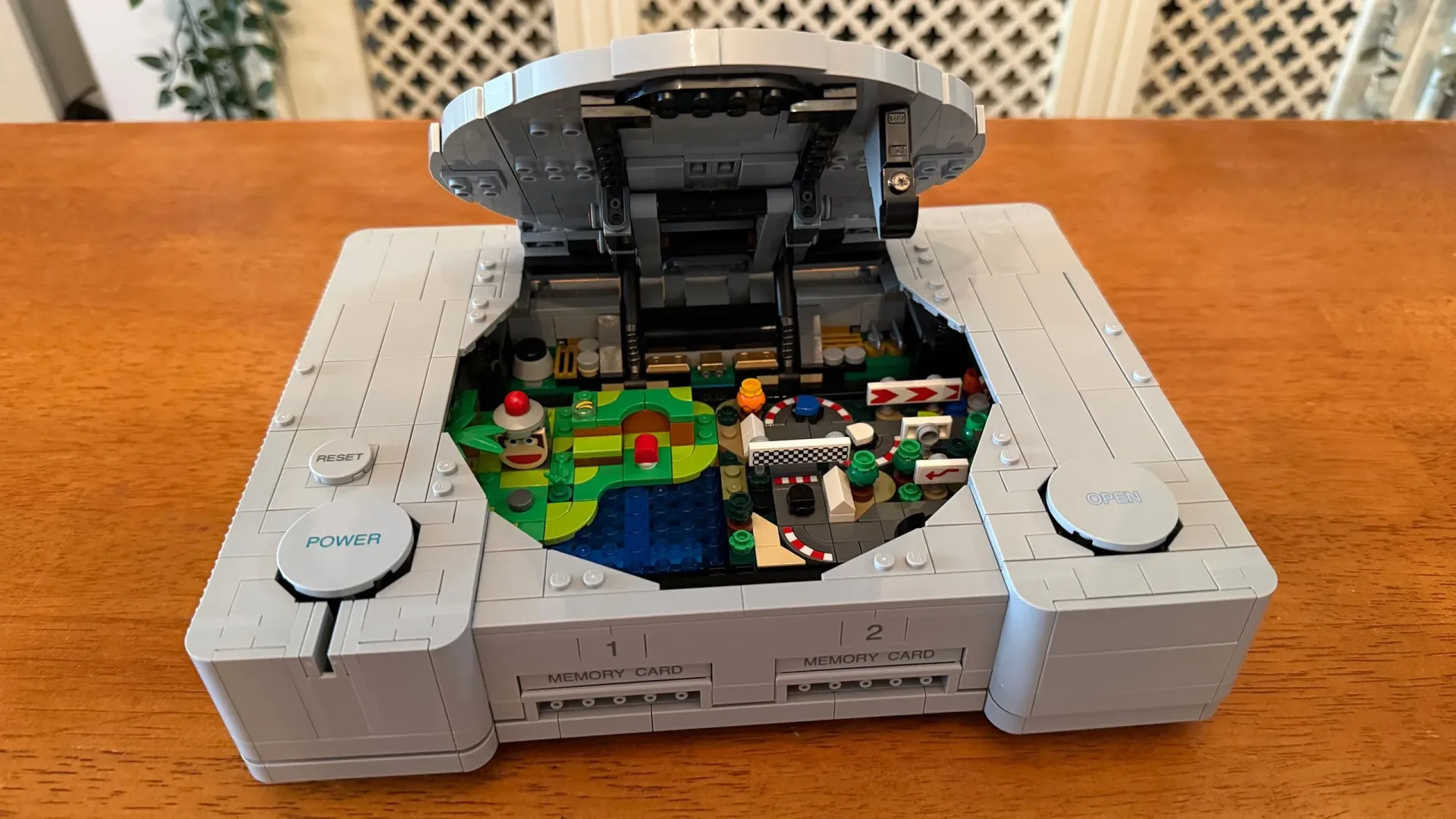
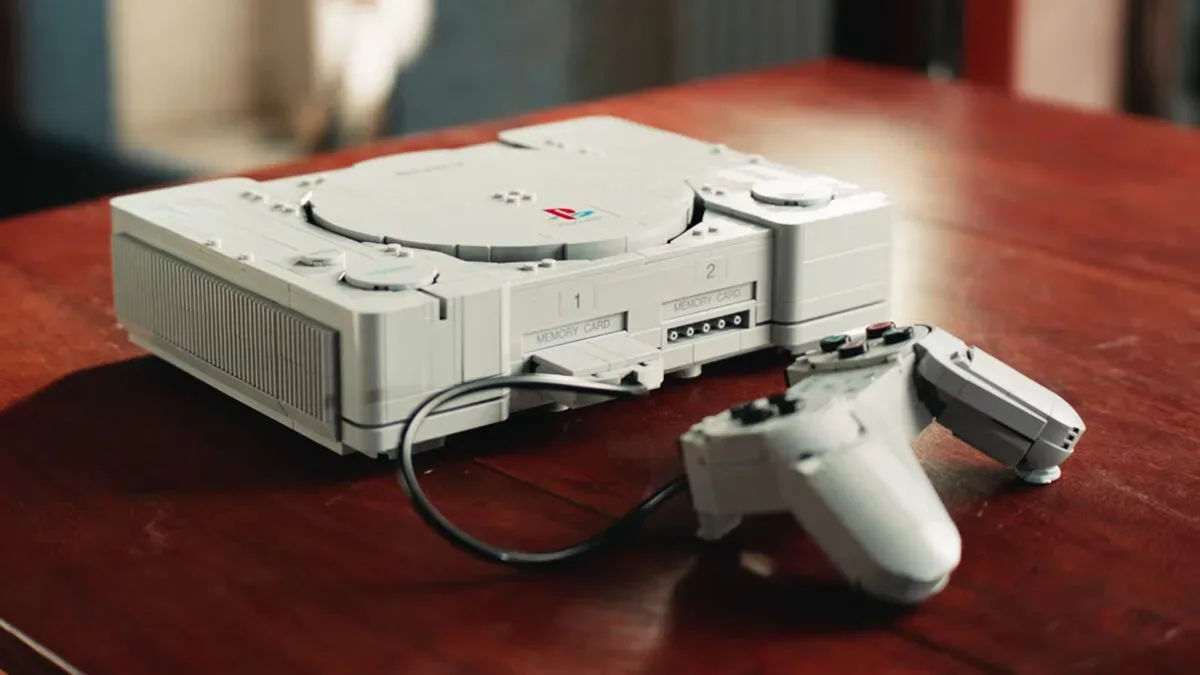
It is not merely a gray rectangle with enough studs to injure an unwary bare foot. The model reproduces the look of the original console at near-scale, including its panel lines, controller and several tactile details. Most notably, its top-mounted disc lid opens and closes, exposing a little plastic version of the disc area beneath. The power button is also clickable. That is an enormous amount of engineering devoted to the ceremonial act of pretending it is 1995 and your memory card has not yet gone missing.
The set was shown during a PlayStation State of Play presentation, following images and details that had surfaced earlier the same day. It joins Lego’s growing shelf of gaming hardware tributes, a group that already includes brick versions of the NES, Atari 2600 and Game Boy. Those sets make a persuasive case that old game machines are now cultural artifacts—and that their buttons, vents and cartridge or disc mechanisms are apparently worthy of thousands of tiny molded elements.
A console replica that remembers the whole ritual
For people who spent years with an original PlayStation under the television, the appeal is not difficult to decode. The first PlayStation’s industrial design was unusually distinctive: compact, pale gray, almost appliance-like, with a circular lid sitting prominently on top. Its controls were not hidden behind a front panel or absorbed into a glossy slab. They were right there, asking to be pressed.
Lego’s version leans into those identifying details. The controller is part of the package, as are the machine’s recognizable surfaces and the working lid. Rather than treating the optical drive as a small historical inconvenience, the set makes it one of its central mechanical features. The reveal material even demonstrates the lid being opened.
That decision has supplied an especially sharp bit of timing. Sony has said it will stop producing new physical PlayStation games beginning in 2028 as part of its move toward a digital-only future. So, in an era heading away from new PlayStation discs, a new officially licensed PlayStation product is offering a lovingly constructed disc tray that can be opened for no practical reason whatsoever. The tray does not need practical reason. The tray has vibes.
Online reactions have naturally seized on the irony. Fans have joked that this is one more PlayStation console with a disc drive, while others have used the tiny functioning mechanism as an opportunity to lobby for a disc option on whatever eventually follows the current hardware generation. The Lego console cannot play physical games, of course, but it does preserve the visual and tactile logic of physical media more faithfully than a decorative sticker ever could.
Release dates, price and ordering details
The Lego PlayStation set contains 1,911 pieces and carries a $180 USD price. The rollout is split across a few dates:
Related coverage includes PlayStation's Original Console Gets a 1,911-Piece Lego Replica With a Working Disc Lid.
- October 1: Ordering opens directly through PlayStation.
- October 1: Lego Insiders can also order through the Lego website.
- October 4: Wider availability begins through Lego stores and the Lego website.
That makes this a premium display build rather than a casual impulse buy, although 1,911 pieces is arguably just enough plastic to make the inevitable hunt for one small gray part feel historically authentic. Lego’s gaming-console models tend to aim at adult fans, collectors and nostalgia-minded builders as much as at children looking for their next afternoon project. The PlayStation replica clearly belongs in that lineage.
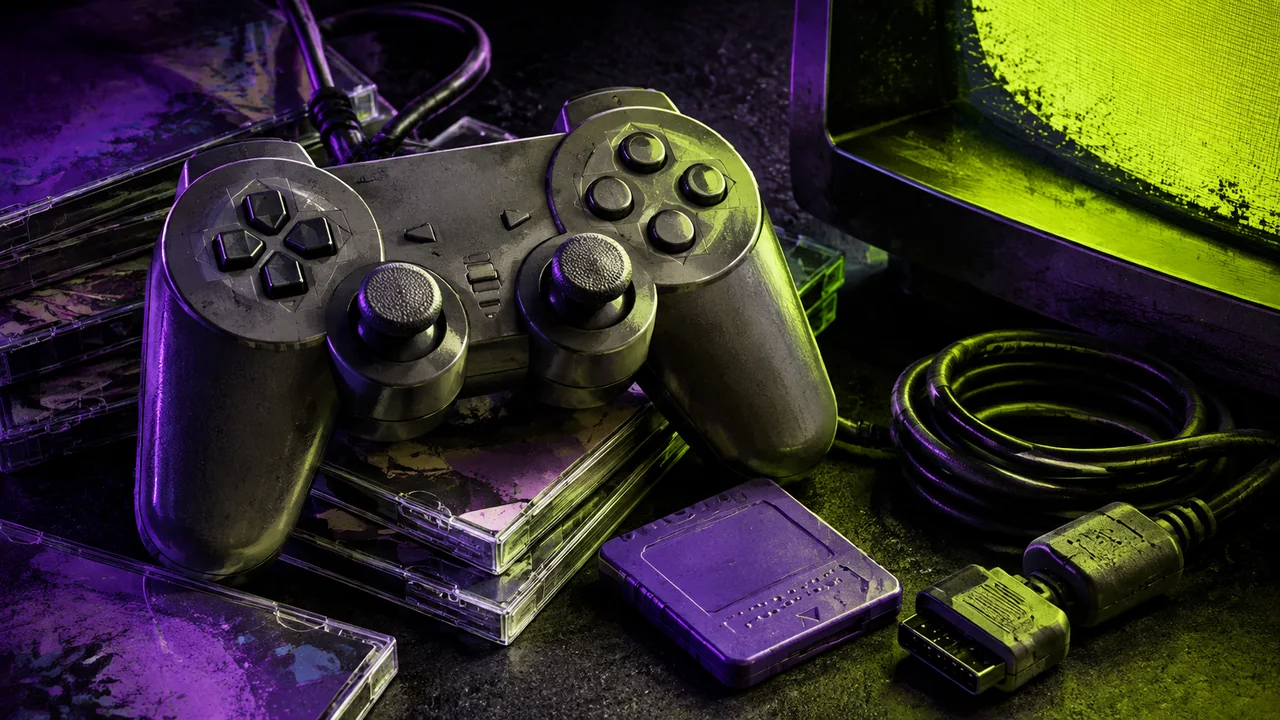
Collectors considering where it might live should probably plan for more than a spare patch of shelf space. Console replicas work best when their silhouette is visible, and the original PlayStation’s squat profile is too iconic to bury behind books or a charging dock. If the goal is to build a small shrine to older hardware, it may also be worth sorting out the real console’s modern display setup first; our guide on mapping the connection before buying a retro console HDMI adapter is useful for anyone turning nostalgia into an actual playable setup.
The disc-drive conversation is bigger than a Lego hinge
The toy’s working lid has become a focal point because it lands amid real frustration about PlayStation’s physical-media direction. Following the disclosure that new physical PlayStation games will no longer be produced from 2028, vocal players have criticized the decision across Sony’s social channels and support lines. Some have said they will no longer purchase PlayStation hardware.
The issue is larger than whether a buyer prefers sliding a disc into a console. Physical releases involve ownership expectations, used-game markets, lending, collecting, preservation and the ability to install or revisit a title without relying entirely on a digital storefront. Digital distribution brings convenience, speed and no need for a shelf full of cases, but it also leaves players concerned about long-term access and the limits imposed by platform ecosystems.
None of that debate is solved by a Lego lid, charming as it may be. Still, the model unexpectedly turns a familiar console feature into a miniature memorial for an era of clicking cases open, swapping discs, reading manuals and discovering that a scratched game has become an extremely expensive coaster. It is a funny visual contradiction: a company looking toward an all-digital future is licensing an intricate, premium monument to one of the most physical interactions in gaming.
The public response to the digital-only plan has also reportedly become hostile enough that additional measures have been put in place to protect customer-support employees from abusive behavior. That distinction matters. Fans can disagree loudly with a corporate strategy, and physical-media preservation is a legitimate subject for serious criticism, but support staff do not design long-range platform policy. A plastic console with a hinged lid is no excuse to make a human being’s workday worse.
Why the original PlayStation is such a natural Lego subject
The original PlayStation is a particularly strong fit for this kind of replica because its design communicates immediately, even in reduced detail. The console’s large circular lid does much of the visual work. Its buttons and ports establish the rest. Unlike hardware whose identity depends on a complicated contour, shifting LEDs or an enormous black box profile, the first PlayStation can be recognized from a few angles and a restrained color palette.
It also carries a history that spans several different types of collector. Retro players remember the library. Hardware enthusiasts remember a pivotal console generation. Design fans recognize the machine’s clean, approachable form. Lego builders get a mechanical object with clear features to translate into bricks. And anyone who has ever watched a family member blow on a disc despite that accomplishing approximately nothing gets a little spark of ritual memory.
The controller matters here too. A console replica without a controller is a bit like a race car display without wheels: technically identifiable, spiritually incomplete. Including it lets the build represent the full object people remember holding, not simply the box they connected to a television. The original PlayStation controller design, like the machine itself, belongs to a period when game hardware was becoming a major part of mainstream home entertainment.
A display piece with a mischievous sense of history
There is no indication that the Lego PlayStation is meant to function as anything beyond a display model with interactive flourishes. Its lid does not transform the set into a playable console, its button does not summon a startup screen, and the tiny tray is unlikely to rescue anyone’s old copy of a disc game from retirement. What it does offer is a highly specific physical tribute: one that recognizes the original PlayStation as an object worth rebuilding piece by piece.
That specificity is why the disc lid is more than a novelty. It captures a moment in how games were bought, handled and launched. The opening mechanism is a tiny act of theater, and perhaps the best joke in the whole product is that it may be the newest PlayStation-branded disc drive some fans get to open.
For $180, buyers are getting a large build, a display-ready controller, a clickable button and a proudly operational plastic lid. Whether it becomes a collector centerpiece, a gift for the person who still calls every console a PlayStation, or a silent shelf-top protest for physical media, the 1,911-piece set arrives with a very particular message: sometimes the obsolete part is the part everybody wants to touch.