Nintendo’s Customer Appreciation Sale has turned into an unexpectedly important moment for amiibo collectors in the United States. The promotion runs through September 26 at 8:59 p.m. PT on the Nintendo US online store, while the broader sale is also available through the US eShop and Nintendo’s physical retail locations.
The headline is not simply that a few figures are cheaper. It is that Nintendo is discounting a wider spread of amiibo than collectors may normally expect to see directly from the company, including relatively recent releases. That distinction matters. A figure can be discounted without being an especially strong buy, while an uncommon markdown on a newer or less frequently reduced release can be a meaningful opportunity for someone filling gaps in a display or character set.
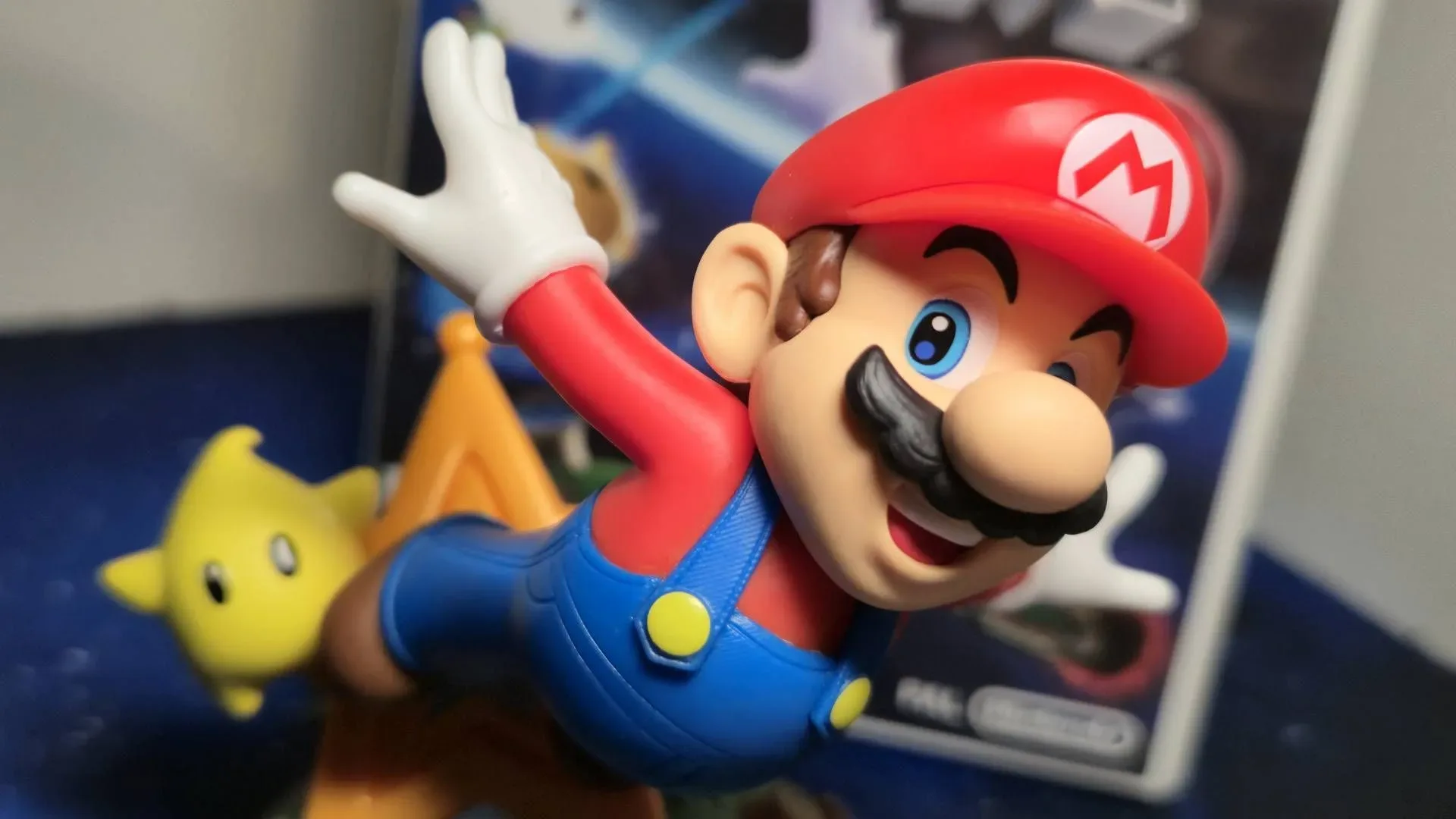
Some sale stock has already disappeared. The Mario and Luma amiibo remains listed at $24.49, but the corresponding Rosalina figure is already out of stock. That does not establish how long every remaining amiibo will last, but it is a useful reminder that the advertised sale end date and an individual item’s availability are two entirely different things.
A sale shaped by refunds, but not direct refunds
Nintendo described the Customer Appreciation Sale as a thank-you to players for their continued support, saying it was made possible in part by tariff-related refunds. The promotion was announced on September 10, 2026.
For shoppers, the practical outcome is a temporary price reduction on selected Nintendo products rather than a direct payment or store credit. The sale also includes 30% reductions on some Nintendo Switch 2 accessories, but the amiibo selection is the more interesting part for physical-game collectors because discounts on individual figures are often inconsistent across stores and releases.
That makes this less like a blanket price cut and more like a curated promotion. It is not safe to assume every amiibo, every accessory, or every Nintendo product is part of it. The relevant question is whether a specific figure is participating and whether its sale price improves on prices a buyer can realistically find elsewhere.
Which amiibo stand out
The strongest examples are not necessarily the figures with the largest percentage reductions. Collectors should separate a sale tag from actual value by looking at a figure’s previous discount history and how often it appears at competing retailers.
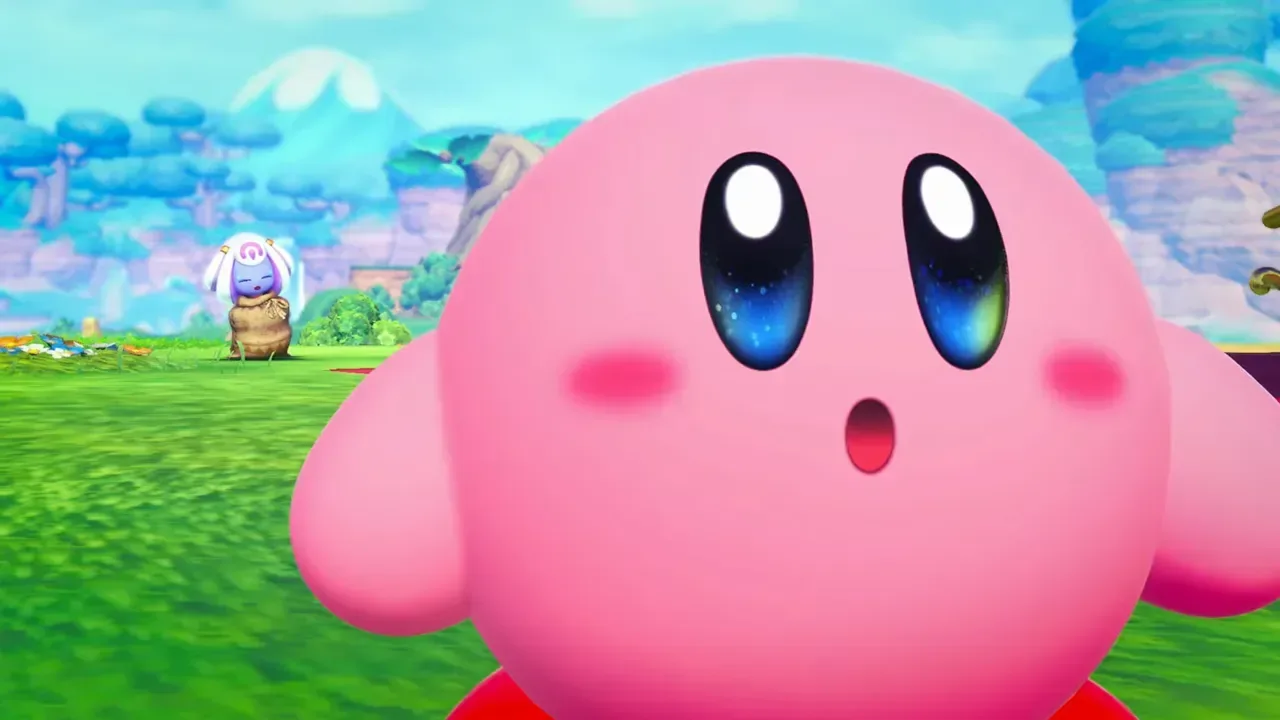
Kirby and the Warp Star
Kirby and the Warp Star from the Air Rider series is among the newer amiibo included in the sale and has received a $15 reduction. Recent releases do not always get meaningful direct discounts quickly, which makes this one of the more notable entries in the promotion based on the information available.
Related coverage includes Nintendo Customer Appreciation Sale Brings Unusual amiibo Discounts to US Stores.
For a collector who specifically wants the piece, that is more useful than a general promise of savings. It identifies a concrete difference between the regular and sale price without requiring a buyer to gamble on whether a better short-term deal appears elsewhere.
Super Mario Bros. Wonder figures
The recent Super Mario Bros. Wonder trio is also marked down substantially. These figures have not commonly appeared at reduced prices, making the sale more consequential than it would be for an older amiibo that routinely cycles through clearance pricing.
That is the core collecting lesson of the event: a discount is most compelling when it applies to an item that normally resists discounts. A modest markdown on an ever-present figure can be easy to beat later. A solid reduction on a newer trio that rarely gets reduced is harder to dismiss, particularly for buyers who had already planned to collect the set.
The Legend of Zelda: Tears of the Kingdom figures
The Tears of the Kingdom amiibo are listed at $20.99 in Nintendo’s sale. That is a discount, but it comes with an important caveat: these figures have previously dropped as low as $10 at other retailers.
In other words, the Nintendo Store price is not automatically the benchmark to chase. Buyers who have no need to buy immediately may reasonably treat $20.99 as convenient rather than exceptional. Conversely, someone who wants to consolidate an order, has missed earlier reductions, or sees a desired figure in stock may still find the official-store deal worthwhile. The sale price answers one question—what Nintendo is charging now—not whether it is the lowest price that has existed.
Mario and Luma, and the cost of waiting
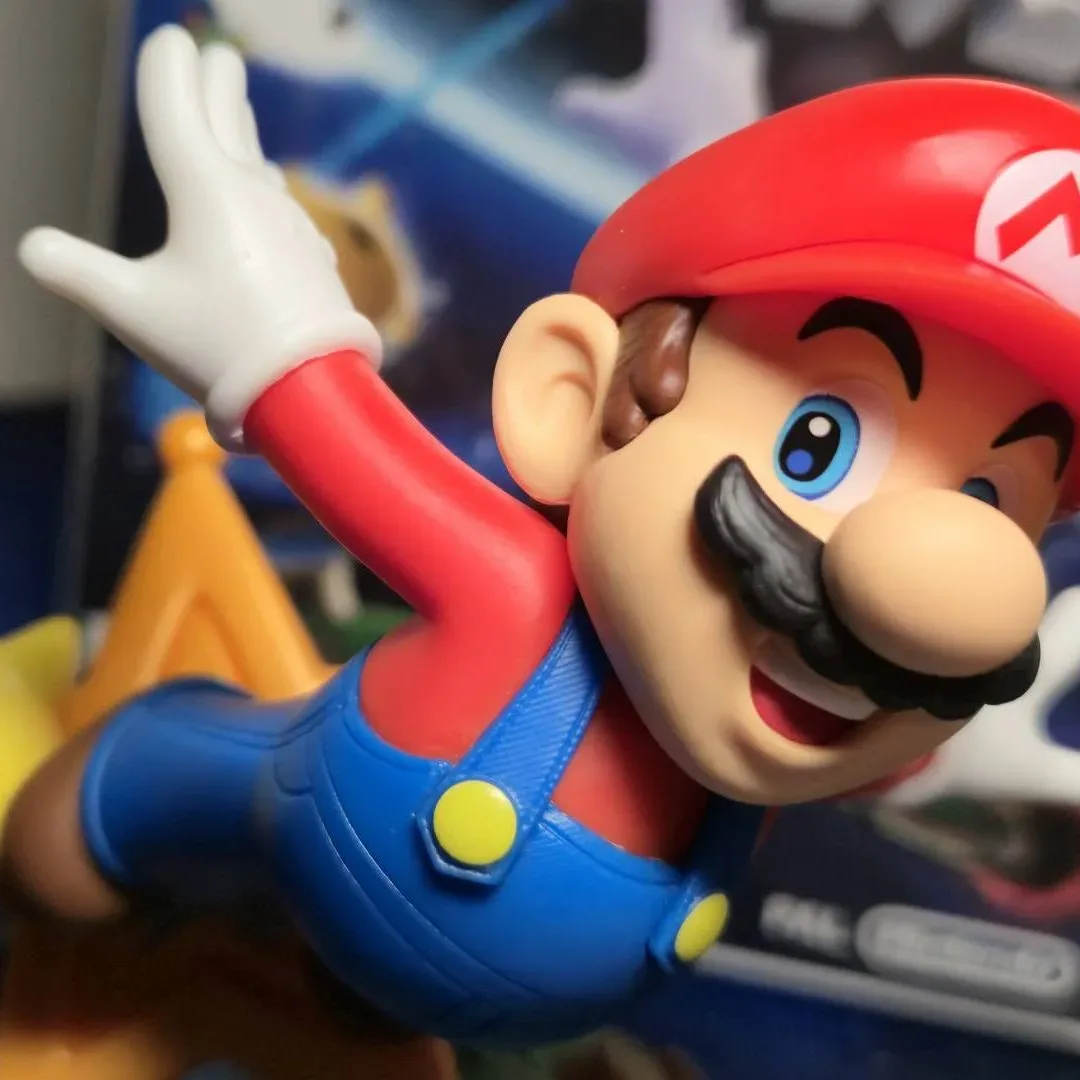
Mario and Luma is available for $24.49 and is described as a notably large release. Its paired Rosalina counterpart being unavailable is a sharp example of why collectors should check stock before building a purchase plan around a complete display.
It is tempting to wait until the final days of a promotion, especially when a sale has a clearly published deadline. Yet a sold-out figure may leave a buyer with a partial set or require a later purchase elsewhere. There is no supplied indication that out-of-stock items will return before September 26, so collectors should avoid treating a sale listing as a guarantee of later fulfillment.
What “amiibo” and “NFC collectible” mean here
Amiibo are Nintendo character figures described in this sale context as NFC collectibles. NFC, or near-field communication, is a short-range wireless technology used when compatible devices are brought close together. The label is useful because it distinguishes an amiibo from an ordinary static figure: it is a physical collectible designed around Nintendo’s wider game ecosystem as well as its display appeal.
That dual identity affects how people shop for them. One person may prioritize character choice, figure size, packaging, or the goal of completing a line. Another may primarily care about game compatibility. A third may simply see a discounted Nintendo figure they like. The Customer Appreciation Sale is relevant to all three groups, but their definition of a good deal will differ.
It is also why release recency matters. A newer amiibo may carry interest as both a fresh character product and a new addition to an active Nintendo range. An older item with a deeper historical discount may be a better pure bargain, but not necessarily the better purchase for someone who wants a particular recent line.
A practical way to assess the remaining sale inventory
The available details do not provide a complete item-by-item catalogue, nor do they establish stock levels for every participating amiibo. A careful shopper can still make a better decision with a simple order of operations:
- Check whether the exact figure is still in stock. Do this before comparing broader discounts. The Mario and Luma/Rosalina split shows why availability comes first.
- Identify whether the figure is new or rarely discounted. Kirby and the Warp Star and the Super Mario Bros. Wonder trio are the clearest examples of sale items whose markdowns stand out because discounts are unusual.
- Compare against known past pricing where it is available. The Tears of the Kingdom figures demonstrate that an official sale price can be higher than prior retailer lows.
- Buy for a defined reason. Completing a character group, picking up a game-related NFC figure, or adding a favorite display piece are all valid reasons. Buying solely because a red sale label creates urgency is less dependable.
- Keep the deadline in the correct time zone. The online-store promotion ends at 8:59 p.m. PT on September 26, not at an unspecified end-of-day cutoff.
Why this promotion is worth watching even without a full wish list
For collectors, the significance of a sale is often revealed by its mix rather than its biggest advertised percentage. Here, the mix includes newer Kirby and Super Mario Bros. Wonder amiibo alongside Tears of the Kingdom figures whose price history calls for more caution. That range lets shoppers be selective instead of assuming every participating item deserves the same urgency.
The sale’s wider accessory discounts may be useful for Nintendo Switch 2 owners, but amiibo are where the promotion intersects most directly with physical collecting. A collector who only wants one or two particular pieces does not need to turn the event into a bulk purchase. Checking the specific figures that have not usually been discounted is the sensible move.
Those interested in Nintendo’s physical and software legacy more broadly can also browse these Wii adventures selected by solo-play mood. The distinction is worth keeping clear: amiibo are physical NFC collectibles, while game recommendations address what to play rather than what to put on a shelf.
Nintendo’s Customer Appreciation Sale remains a limited US promotion with a firm online deadline, but the effective deadline for an individual amiibo may arrive sooner if inventory runs out. Kirby and the Warp Star, the Super Mario Bros. Wonder trio, and the still-available Mario and Luma figure are the items that most clearly merit a close look from the supplied sale details. The Tears of the Kingdom figures, meanwhile, are a reminder to judge a discount against prior market prices rather than the crossed-out number alone.