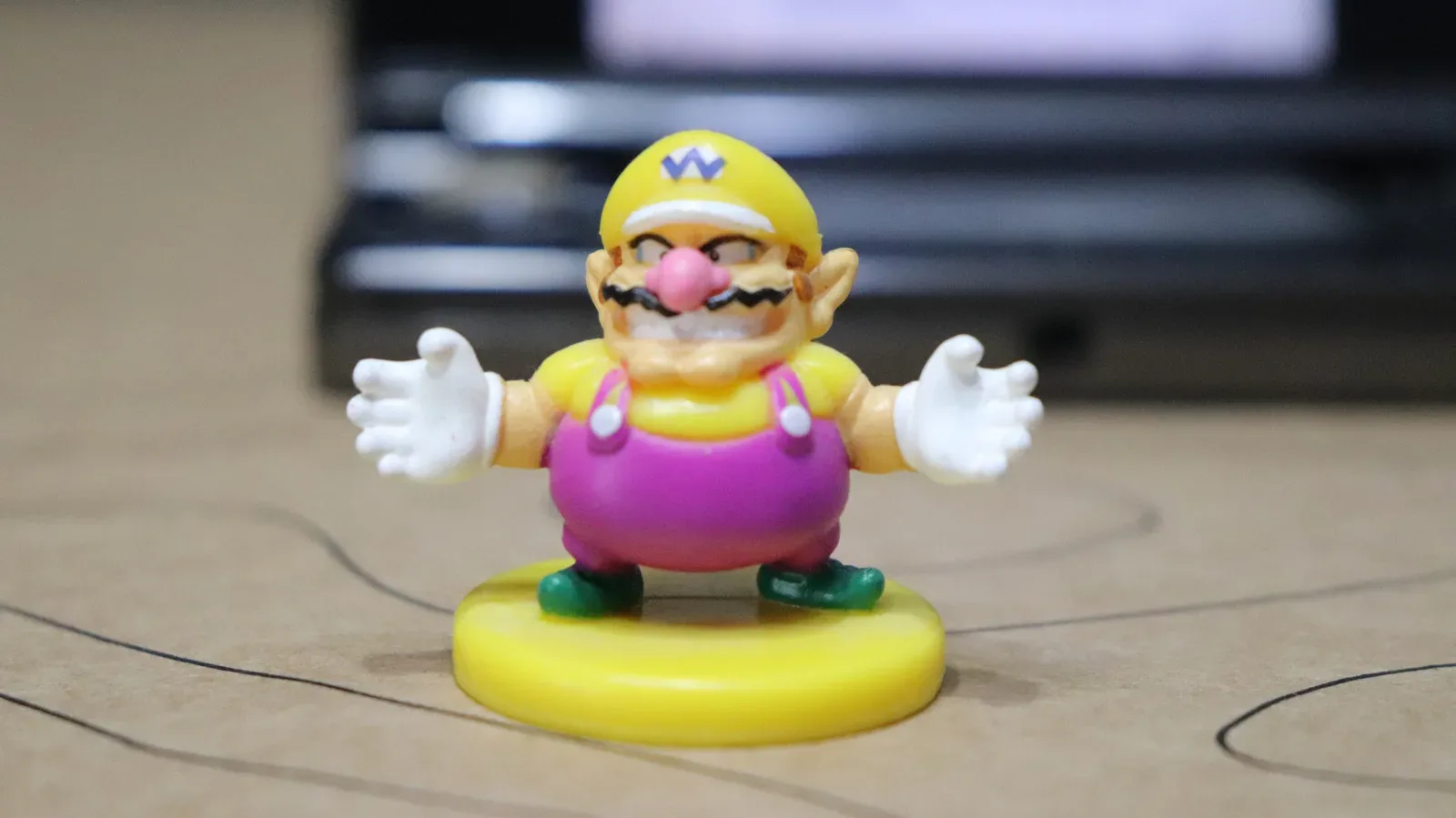
Nintendo is preparing a broad Customer Appreciation Sale that begins at midnight ET on September 13 and runs through September 26. The promotion spans the Nintendo eShop, Nintendo Store and participating retailers, with discounts of 30 percent on selected digital games, bundles, downloadable content, physical games, Amiibo, accessories and other merchandise.
On its own, a sale is a very normal event in the games business. A sale presented as one of a company’s biggest promotions, however, arrives with more baggage when it follows a reported $300 million in tariff refunds and several rounds of higher hardware pricing. That is the awkward shell around Nintendo’s otherwise straightforward shopping event: players are being thanked with discounts after the company recovered substantial payments from the US government, while a consumer lawsuit over whether customers should have received a share of those refunds remains in play.
Nintendo has said the promotion was made possible in part by tariff-related refunds. Its position is that it absorbed most of the applicable tariff costs rather than passing them along to consumers, and that the recovered money helped support promotions such as this one. That distinction matters, because it is central both to the company’s public explanation and to the legal dispute now surrounding the refunds.
A sale with unusually visible financial context
The Customer Appreciation Sale is scheduled to cover multiple kinds of Nintendo products rather than a narrow collection of older digital titles. The stated lineup includes digital games and bundles, DLC, boxed games, Amiibo, accessories and merchandise. The reported 30 percent discount is substantial enough to make the event worth checking for anyone who already had a purchase planned, though shoppers should still read individual listings carefully: the available information does not identify every eligible item, region-specific assortment or retailer participation detail.
The timing is what makes the sale unusually notable. Nintendo recently increased Nintendo Switch 2 prices in the United States, Canada and Europe, citing changes in market conditions. It had already raised prices for the original Nintendo Switch and other products in August 2025 under similar market-condition language, following tariffs on imports to the US.
That sequence creates a message that is difficult to reduce to a cheerful red banner and a shopping cart. Customers have encountered elevated prices on Nintendo hardware, then learned that the company received roughly $300 million in refunds tied to tariffs later found unlawful, and now have an event explicitly described as partly enabled by those refunds. A discount can still be a good deal. It is also reasonable for people to ask how the savings compare with prior increases and whether the promotion meaningfully addresses the costs players have already absorbed.
For readers simply looking for something new to play alongside sale browsing, Joking Joystick’s games releasing today for September 10, 2026 roundup may help place current storefront choices next to the wider release calendar.
Why the refunds exist
Earlier in 2026, Nintendo sued the US government in an effort to recover tariff payments after the Supreme Court ruled the Trump administration’s global levies illegal. In an earnings report issued last month, Nintendo said it had received approximately $300 million in refunds.
Related coverage includes Nintendo Customer Appreciation Sale Follows $300M Tariff Refund.
The company also said that the tariffs connected to those refunds were mainly borne by Nintendo itself, rather than transferred to buyers through product pricing. This is not a minor wording choice. If Nintendo’s accounting and legal position is accepted, the refund restores costs that it paid, making a direct return to customers less obvious from the company’s perspective. If consumers believe tariff-driven price increases were reflected in what they paid, the fairness question looks very different, even before getting to the narrower legal question of what a company must do with a refund.
Those two ideas can coexist in a frustrating way. Corporate pricing rarely behaves like a single receipt line moving neatly from a tariff to a shelf label. A business can absorb some costs, adjust some prices later, face exchange-rate or logistics changes, and make product decisions across multiple regions. Nintendo has cited broader market conditions for its price adjustments. Consumers, meanwhile, see the price they pay at checkout, not the internal ledger that separates tariff exposure from every other input.
That gap is precisely why the company’s decision to connect the sale and the refunds is likely to draw scrutiny. Nintendo did not have to make the relationship part of the pitch. By doing so, it gave the promotion a public-policy and customer-equity angle that a typical seasonal discount campaign would not have.
The consumer case is still a separate question
Nintendo is among several large companies facing consumer litigation related to tariff refunds, alongside PlayStation parent Sony and Amazon. The central complaint is not merely that tariff refunds exist; it is that customers who purchased products after tariff-related price increases did not receive those recovered funds back.
In a July motion to dismiss, Nintendo argued that it has no legal obligation to distribute refunds to consumers. Its argument was that buyers received the products for which they agreed to pay. That is a conventional contract-focused defense: a customer chose a product at a listed price and obtained that product, so a later change in Nintendo’s costs does not automatically create a repayment requirement.
Whether that argument succeeds is for the legal process to determine. But legality and public perception are different boss fights. A company can argue that it owes no refund while customers argue that returning money, issuing store credit or offering a more direct benefit would better match the spirit of a “customer appreciation” message. The sale occupies the middle ground: Nintendo is offering value back into its own ecosystem, but only to people who make an additional purchase during a limited window and only on eligible products.
That does not make the discounts imaginary. Thirty percent off selected items is real savings for a shopper who wants those items anyway. Yet it is not equivalent to a universal refund, a retroactive price adjustment or cash returned to everyone affected by a prior increase. Each model reaches a different group of people and asks different things of them. A refund recognizes an earlier transaction; a sale encourages a new one.
What shoppers can take from the promotion
The practical advice is pleasantly unglamorous. If something on your Nintendo wish list appears in the sale, compare the discounted amount with its usual price, verify the edition and confirm where it can be redeemed or shipped. Digital bundles and DLC can be useful savings, but only when they match a game or expansion a player actually intends to use. Physical items, Amiibo and accessories can bring additional concerns such as retailer availability, stock limits and regional compatibility.
- Check the eShop, Nintendo Store and participating retailers separately, since the promotional inventory may not be identical.
- Confirm whether a listed deal is for a digital game, a physical edition, a bundle or DLC before buying.
- Compare the 30 percent promotion against the item’s normal price rather than assuming every marked product is equally compelling.
- Keep the September 13 through September 26 window in mind, especially for physical merchandise that could sell through.
- Do not assume the sale resolves, affects or predicts the outcome of the tariff-refund litigation.
There is also no need to turn the situation into a purity test for individual players. People can reasonably take a discount on a game they have wanted for months. They can also reasonably decide that the framing leaves a bad taste, particularly after price increases and the report of a nine-figure refund. The consumer response will likely be as mixed as the circumstances: bargain hunters will look for the best eligible price, while critics will continue to question why recovered tariff funds are being tied to a promotional event rather than returned more directly.
Nintendo’s message faces a tougher audience than usual
“Customer appreciation” is normally uncomplicated corporate language. In this case, it lands amid hardware price changes, a successful effort to recover tariff payments and active consumer claims. Nintendo’s explanation is clear on its own terms: it says it absorbed most of the relevant tariffs, received refunds, and can use some of that restored financial room for a large promotion. But the phrase also invites players to measure the gesture against the money and pricing history that made it possible.
The comparison that will linger is not really between one discounted game and another. It is between two models of handling a refund. One approach is to return money directly to customers who were affected. The other is to retain the refunded funds while using part of them to support a sale that brings customers back to the storefront. Nintendo has chosen the latter route, while maintaining that it is not legally required to choose the former.
From September 13 through September 26, the sale will give Nintendo fans a concrete chance to save on selected games and related products. The broader tariff issue, though, will not disappear at checkout. For Nintendo, the event is a chance to reward players and stimulate purchases. For skeptical customers, it may instead feel like an appreciation event where the thank-you card comes with a conveniently placed cash register.