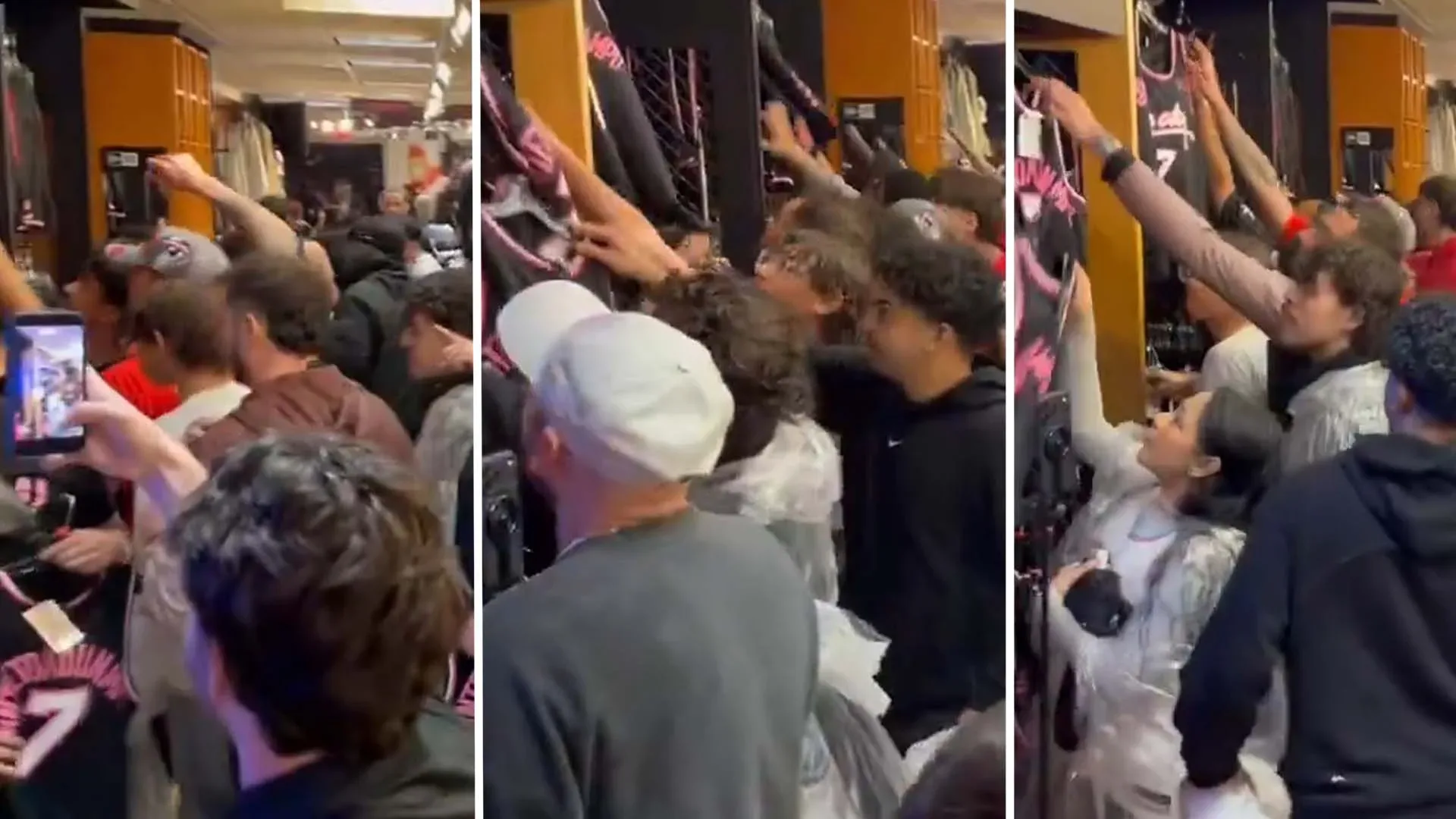
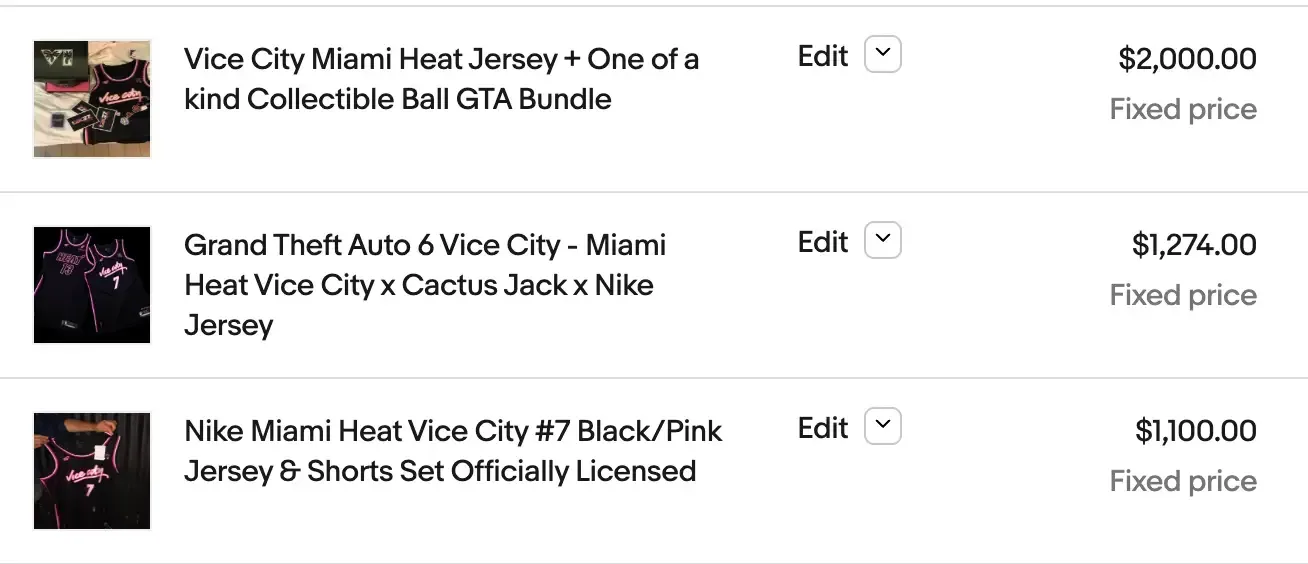
A Miami Heat game-night giveaway has become an early example of how intensely Grand Theft Auto VI branding can travel beyond the game itself. The Heat’s Vice City-themed jerseys, distributed one per ticket holder at a game this week, have quickly moved from arena souvenir to active secondary-market collectible.
The connection is an intuitive one. Miami has long been associated with the neon-forward visual language that informed the Vice City identity, and the Heat have previously used Miami Vice-inspired alternate uniform concepts. This version shifts the reference toward Vice City, tying a real NBA team and a fictional setting together at the moment interest in GTA VI is at an exceptional level.
For collectors, the important detail is not simply that the jersey carries a fashionable or game-adjacent theme. It is the distribution method. These were event items reserved for people with tickets, rather than a standard retail product described as broadly available to anyone who wanted one. That makes attendance, local access and timing part of the item’s story—and those constraints can matter as much as the design once an item reaches resale platforms.
A crossover built for an unusually large audience
The Heat’s approach pairs multiple fan bases that do not always overlap neatly: basketball followers, Miami culture enthusiasts, streetwear collectors and players waiting for Rockstar Games’ next Grand Theft Auto release. A crossover collectible can draw demand from all of those groups at once, while the ticket-holder distribution limits the initial supply reaching people outside the arena.
For more context, explore ‘Elsinore’ Uses Makeup, Performance and Familiar Faces to Honor Ian Charleson.
That does not automatically make every giveaway durable memorabilia. “Instant collectible” is useful shorthand for an item that produces immediate attention and listings, not a guarantee that prices will hold. But the early activity indicates that the Vice City jersey has generated precisely the kind of fear of missing out that event exclusives often rely on: people who want the item after seeing it, but could not reasonably obtain it at the venue.
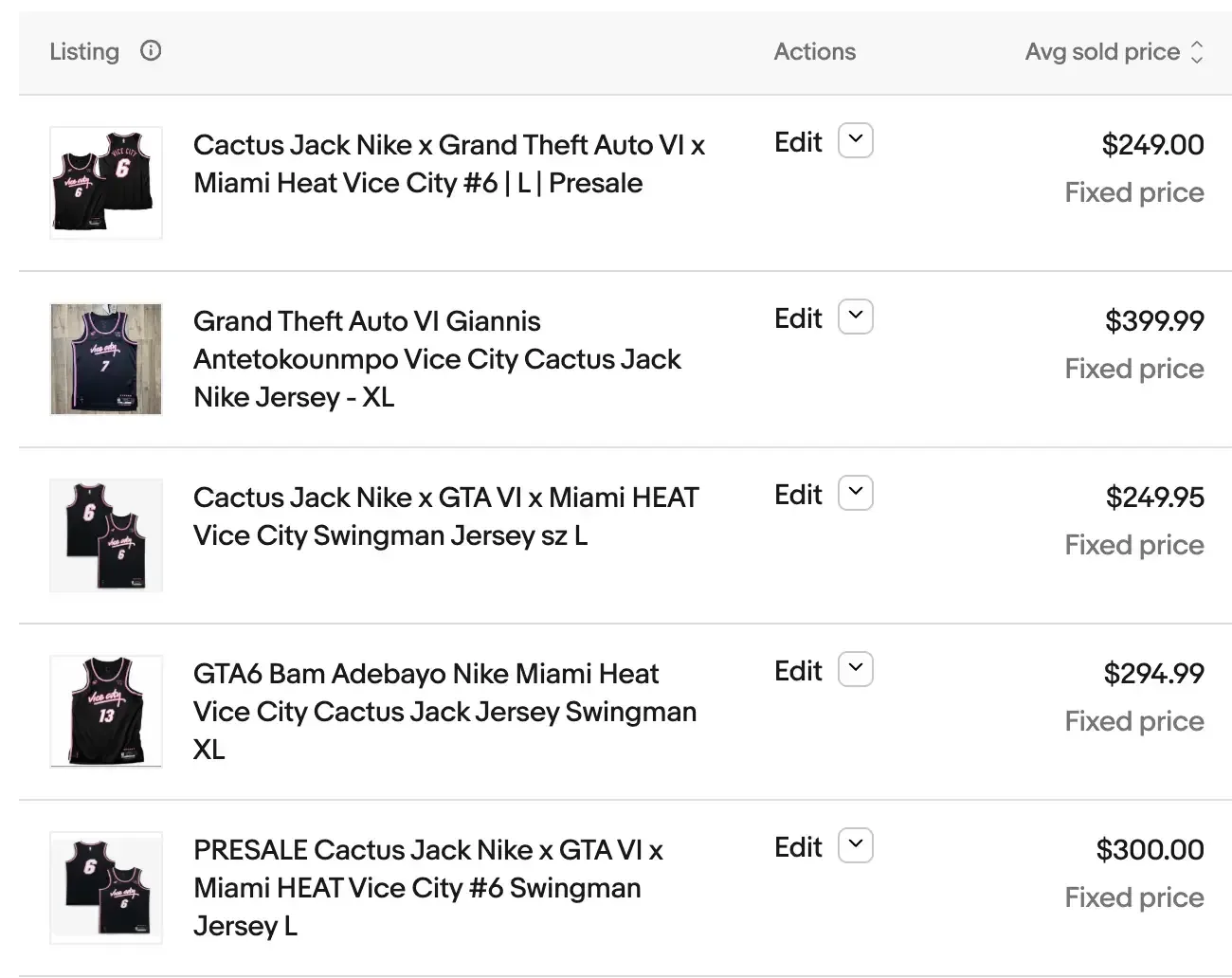
Reported resale data from the first three days after distribution put 285 sales for Miami Heat Vice City items at an average of $348.57. Standalone jerseys appeared to be settling more commonly in a roughly $250-to-$400 range. Separate jersey-and-shorts bundles produced the most dramatic early numbers, including three reported sales above $1,000 and a $2,000 sale on the release day.
Those figures describe a snapshot, not a formal appraisal. Marketplace sales can combine different products, conditions, sizes, listing descriptions and buyer motivations. A bundle should not be treated as evidence that an individual jersey is worth the same amount, and a single high sale is not a reliable “market price.” Still, the split between standalone jerseys and bundled sets is meaningful: collectors should compare like with like before drawing conclusions from a headline-making result.
Related coverage includes Miami Heat GTA 6 Vice City Jersey Bundle Hits $2,000 on eBay.
Why ticket giveaways can become scarce so quickly
Scarcity in physical collecting is not only about a published production number. In this case, the relevant limit is practical availability. A ticket-holder giveaway starts with a finite audience at one game. From there, some recipients will keep their jersey, some may wear it, and only part of the overall distribution is likely to be listed for sale immediately.
That means the number visible on resale sites is not necessarily the same as the number made. It is the number that has entered the market. When demand arrives rapidly—especially from fans outside Miami—available inventory can look thin even if many more jerseys remain in private hands.
There is also a basic difference between buying a collectible at retail and acquiring one secondhand. The buyer is no longer just paying for the fabric and graphics; they are paying for missed access to an in-person promotion. For someone who could not attend the game, resale can be the only straightforward route to ownership. That is the mechanism behind the early premium, rather than a proof that every listed asking price will be paid.
The situation illustrates why collectors should separate three terms that are frequently blended together:
- Rarity means limited supply, whether officially numbered or constrained by how an item was distributed.
- Demand means the number of people who want the item at a given time.
- Liquidity means how readily an item can actually sell near recent completed-sale prices.
The Vice City jersey appears to have strong initial demand and visible early sales. Its longer-term rarity and liquidity are harder to judge from only a few days of activity. More listings can lower prices; fewer owners willing to sell can have the opposite effect. Neither outcome is settled by an early average alone.
The Cactus Jack and Fanatics connection adds another layer
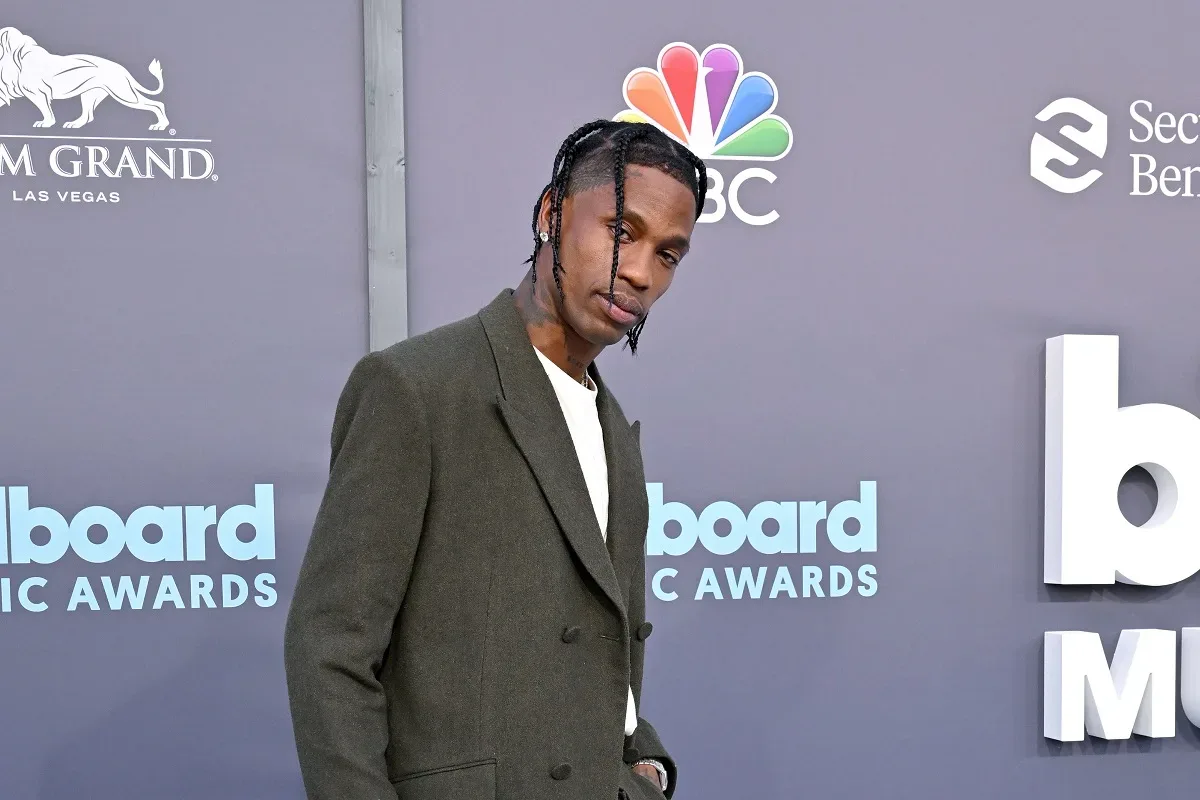
The jersey program sits within an ongoing partnership involving Fanatics and Cactus Jack, Travis Scott’s brand. That collaboration has also appeared in Topps cards, WrestleMania and WWE releases, as well as Fanatics Fest exclusives. The association matters because collectors who follow crossover merchandise may recognize the branding language even if they are not specifically Heat or GTA players.
In practical terms, the item has several overlapping identities: it is Heat merchandise, a Vice City and GTA VI-linked promotion, a ticket-holder giveaway and part of a wider Cactus Jack/Fanatics collaboration. A collectible with several audiences can be more resilient than one dependent on a single niche—but it can also produce confusing listings. Sellers may emphasize whichever identity is most likely to attract clicks, while buyers may be comparing items that are not actually equivalent.
That makes specificity valuable. Someone tracking the market should distinguish a jersey alone from a jersey-and-shorts set, and should preserve details of the item they own or intend to buy. Photos of the front and back, visible tags, the exact included apparel, the game-night context and any original distribution materials can all help establish what is being offered. For physical collectibles, condition is equally important: wear, stains, fading, alterations and missing components can materially change collector interest.
How to read the early resale numbers
The reported $348.57 average is compelling because it summarizes a large number of transactions in a short period. Yet averages can be pulled upward by expensive bundles and unusually eager first buyers. The more useful comparison for a buyer interested in a single jersey is the cluster of completed sales for standalone jerseys in closely matching condition.
Likewise, active listing prices are different from completed sales. An asking price records what a seller hopes to receive; a completed sale shows that a buyer and seller reached a deal. Even completed sales are best read in groups, because one buyer may pay extra for urgency, a specific size, a clean presentation or a bundle that contains something they could not find elsewhere.
Early market attention can also be volatile. The first wave includes fans who feel they have missed a cultural moment, resellers trying to capitalize on launch-week visibility, and collectors seeking a crossover item before the market has established a consistent range. As more examples surface, the price may normalize. Conversely, if owners largely decide to keep their jerseys and demand remains high, available supply could stay constrained. The supplied sales history supports strong opening interest; it does not establish a permanent floor.
GTA VI’s reach is the central collecting story
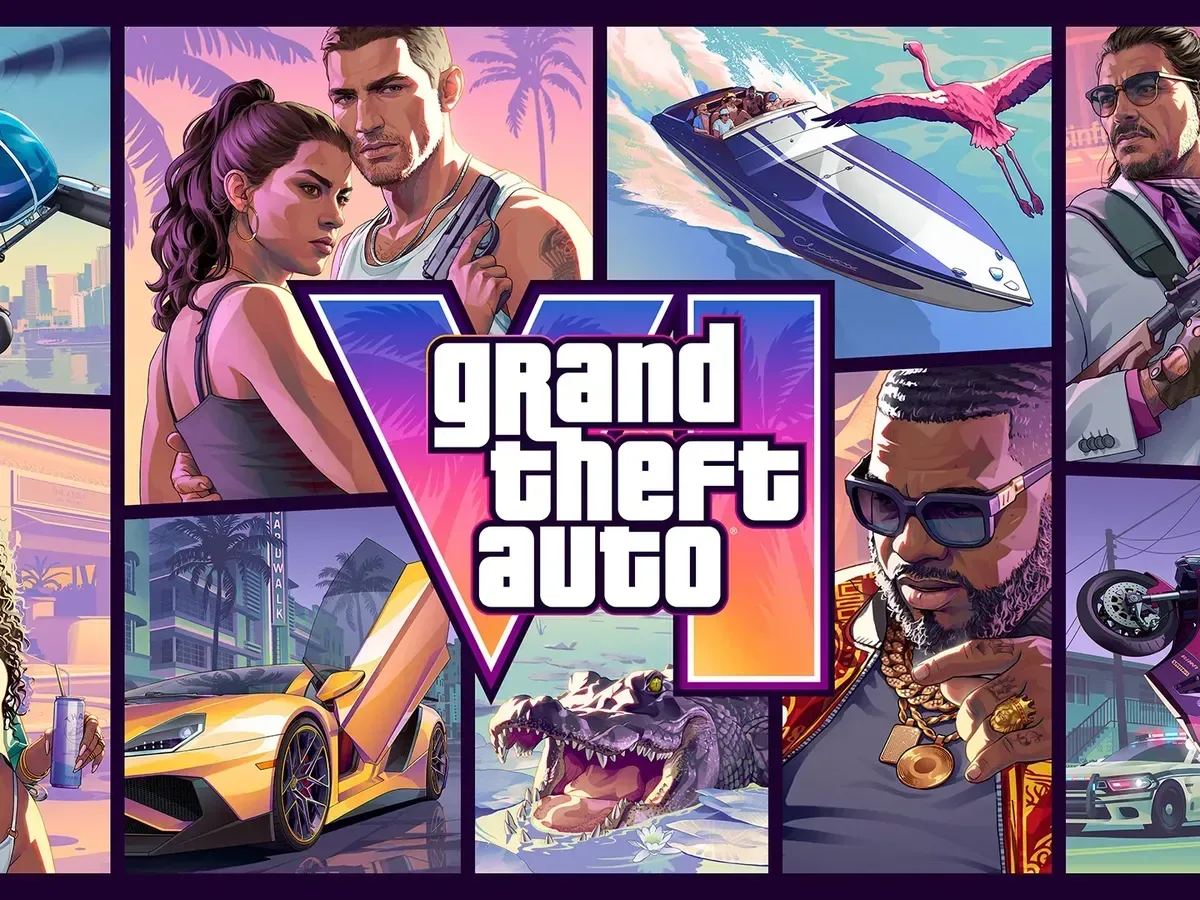
The Heat giveaway arrives amid extraordinary attention around Grand Theft Auto VI. Rockstar Games reported that the game generated $3.79 billion in 24 hours, with 32.5 million units in pre-sales, figures presented as making it the biggest entertainment launch of all time. The reported scale helps explain why a local NBA giveaway could draw national and international collector attention so quickly.
It also reinforces a broader point: game-related collecting is no longer confined to the game box, a controller or a limited edition. It can include apparel, arena promotions, branded collaborations and, within the game itself, objects designed to be found, collected and sold. The Heat jersey is a real-world example of a game’s cultural identity becoming a standalone demand driver.
For fans who want one, the sensible approach is patience and precise comparison rather than chasing the biggest number in a feed. Confirm whether a sale concerns a jersey or a bundle, look closely at condition and included pieces, and remember that an item’s story is part of its appeal but not a substitute for market evidence. The ticket-holder origin is unquestionably distinctive; the eventual long-term price remains an open question.
At minimum, the rapid turnover has shown that Vice City is not just a setting players want to visit. It has become a powerful visual label for physical memorabilia, capable of turning one night’s Heat giveaway into a closely watched collectible almost immediately.