A Miami Heat game became a remarkably vivid measure of Grand Theft Auto VI anticipation when the team temporarily rebranded as the Vice City Heat for a crossover event with Rockstar Games. The result was not merely themed graphics around an ordinary game-night retail operation. Reports and circulating videos described unusually large lines inside the arena, a rush toward jersey displays, and a complete sellout of the Heat x Vice City collection in about 90 minutes.
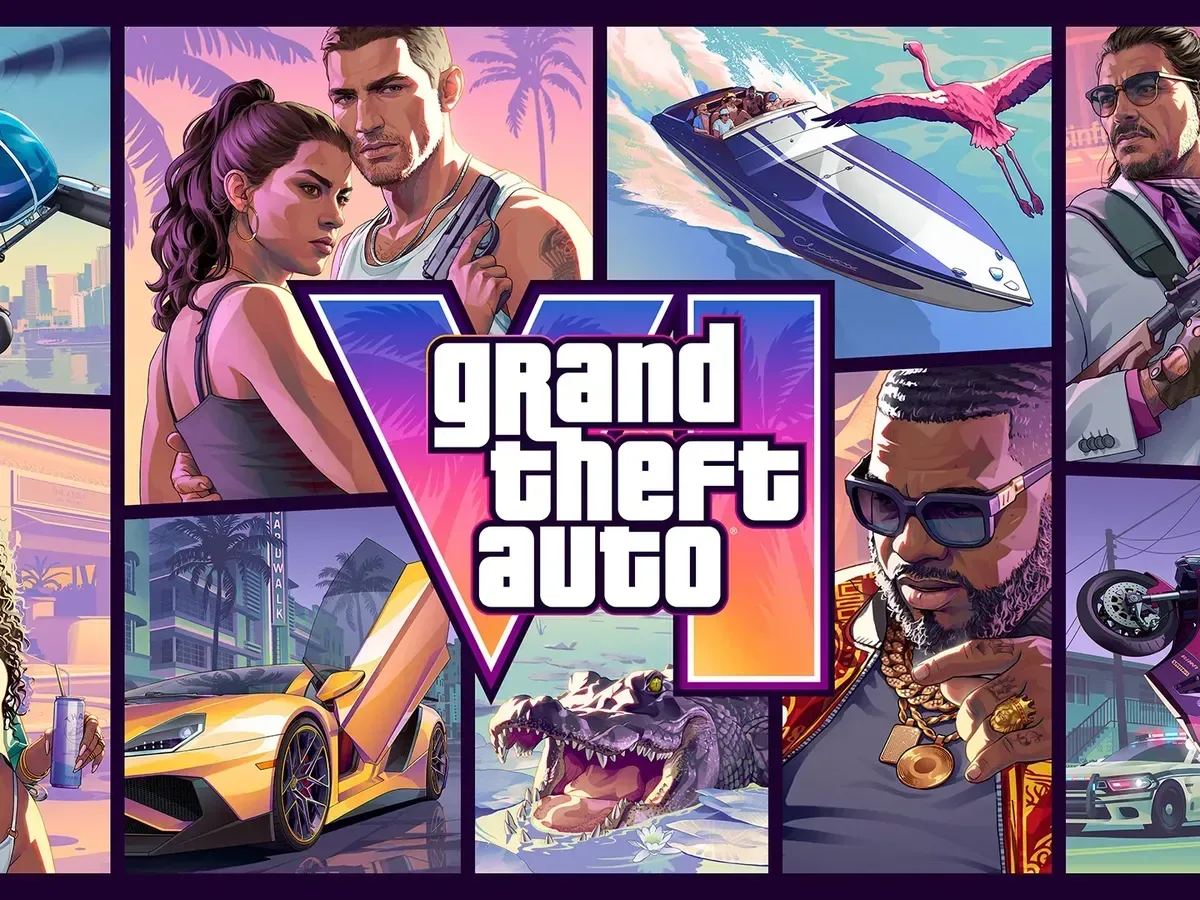
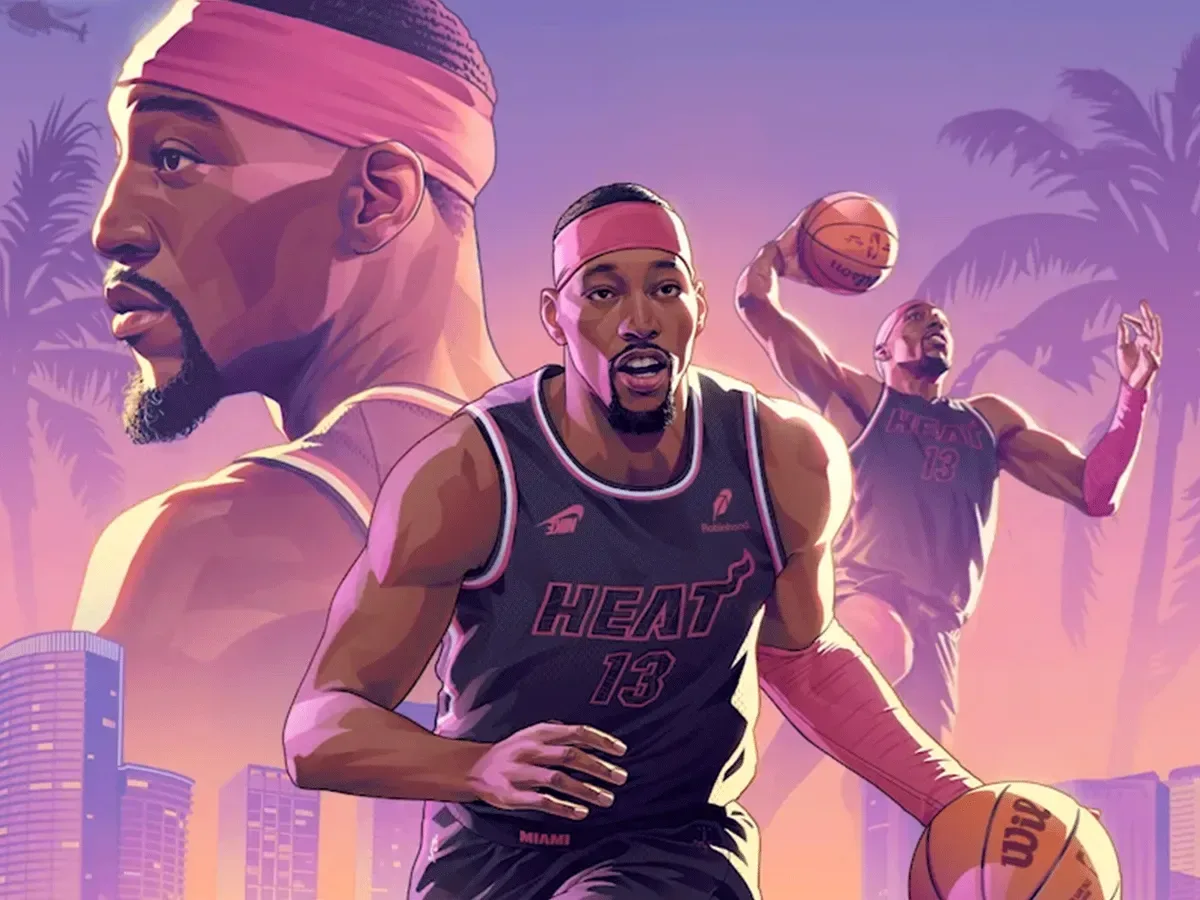
The event took place on the eve of GTA 6’s U.S. release, tying a real Miami basketball team to Vice City, the fictional setting closely associated with the forthcoming game. That setting made this more coherent than a logo swap: the Heat’s own city and the game’s Miami-inspired world supplied the shared visual language. Black-and-neon-pink jerseys were among the headline items, priced at $120.
An arena concourse turned into a launch-night queue
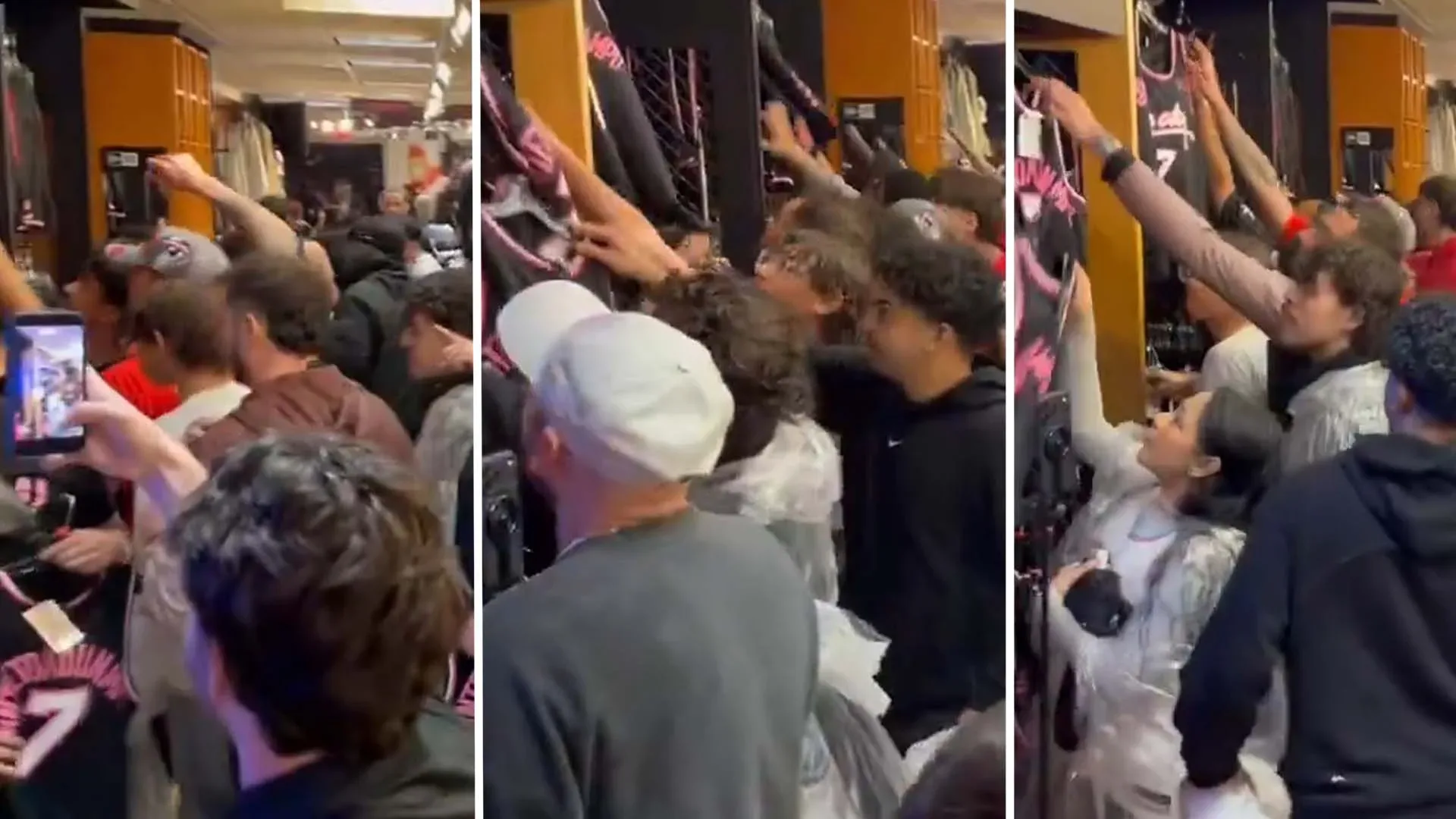
Video from before the game showed fans packed into the concourse and forming lines early, despite rain outside. One local basketball reporter said the volume of people waiting for Vice City merchandise was unlike what he could remember seeing while walking through the building. Another video showed customers running toward a wall of jerseys in the team store as stock was being taken.
That distinction matters. A busy merch stand is routine at a major sporting event; a scene where attendees arrive early and head directly for a limited crossover product is something else. The Heat x Vice City line functioned as both apparel and a physical release-week souvenir. Fans were not buying an item simply branded with their team. They were buying an officially connected piece of a game launch attached to a place that is central to its identity.
Reports indicated that the store policy was intended to be one jersey per ticket. Some attendees reportedly attempted to purchase two or more, but not all of those efforts worked. A per-ticket limit is a basic purchase limit: a rule designed to spread a finite quantity across more buyers rather than let a small number of people take a large share of stock. It cannot guarantee every fan gets an item, but it can reduce bulk buying at the first point of sale.
Sold out quickly, then resale listings appeared
The full Heat x Vice City range was reported to have sold out in roughly 90 minutes, with arena stores subsequently closed. That is the central fact behind the event’s Black Friday-style comparisons: the demand was immediate, visible and concentrated into a short retail window.
Listings subsequently appeared on eBay seeking $450 or more for jerseys that had originally sold for $120. Those listings show what sellers hope to receive, not necessarily what buyers have paid. That difference is crucial for anyone assessing the market. Asking price is the number attached to an active listing; sale price is the amount a completed transaction actually records. In a fast-moving launch-day market, the first can be dramatically higher than the second.
Nor does a same-night sellout prove a lasting collectible value. The product’s scarcity, any later restocks, the total number made, the condition of surviving pieces and the number of people still interested after GTA 6’s release-window frenzy will all matter. None of those broader supply details were established here. What is clear is narrower and still notable: fans at this one event wanted the collection badly enough to exhaust the available arena inventory rapidly.
Related coverage includes Vice City Heat Merch Sells Out in 90 Minutes Ahead of GTA 6.
What buyers should keep in mind
- Do not treat resale listings as a confirmed market value. Completed-sale data is more informative than ambitious listings.
- Keep proof of origin. Receipts, order confirmations and event materials can help document how and where an item was obtained.
- Preserve condition if collecting. Wear, stains, alterations and missing tags can matter to collectors, particularly for apparel linked to a specific event.
- Separate fandom from speculation. Paying a premium may make sense for a personal keepsake; it is much harder to justify as a prediction of future value without verified supply and sales information.
The crossover extended beyond the shop
Rockstar and the Heat built the Vice City theme into the broader presentation. The game broadcast began with a custom introduction, and Macca the Gator, a mascot from an in-game GTA 6 cartoon, appeared on the court to interact with fans. The team also provided PS5 consoles to Heat players, adding another GTA-adjacent visual detail to the night.
These elements show the difference between a conventional licensed product drop and an experiential promotion. In an experiential promotion, the item is only one component: the venue, broadcast treatment, mascot appearance and event timing create the atmosphere around it. That atmosphere is part of why an arena-exclusive-looking jersey can feel more significant to a buyer than an ordinary piece of team apparel. It is attached to a specific night and an unusually high-profile game launch.
The crossover also turned a real NBA venue into a temporary extension of Vice City. That is an effective bit of place-based marketing because it does not require fans to learn a new fictional connection. Miami and Vice City are already naturally paired in popular imagination, while the Heat’s colors and the neon presentation gave the merchandise an obvious on-court identity.
What the rush says—and what it does not
The strongest takeaway is that GTA 6’s launch attention translated into demand for physical merchandise at a live sports event. Reports from the arena suggest this was far beyond a casual curiosity purchase, and one reporter expected the themed game to set an NBA single-game gear-sales record, potentially by a large margin. That remains a prediction rather than a confirmed final sales figure.
It also does not establish that every GTA 6 tie-in will command comparable interest, or that every item connected to the game will appreciate on the resale market. This drop had several advantages at once: a major local team, a setting tied to the host city, a release-eve audience, limited arena stock and a highly visible presentation.
Still, the speed of the sellout and the immediate resale activity make the Vice City Heat night an early example of how a game launch can spill beyond consoles and screens into event retail. With GTA 6 now at the center of the conversation, readers can follow other launch-related developments in this report on GTA VI’s reported effect on Xfinity Xbox traffic. For the fans who secured a jersey at the arena, the appeal is likely simpler: they came away with a tangible souvenir from the night Miami briefly became Vice City.