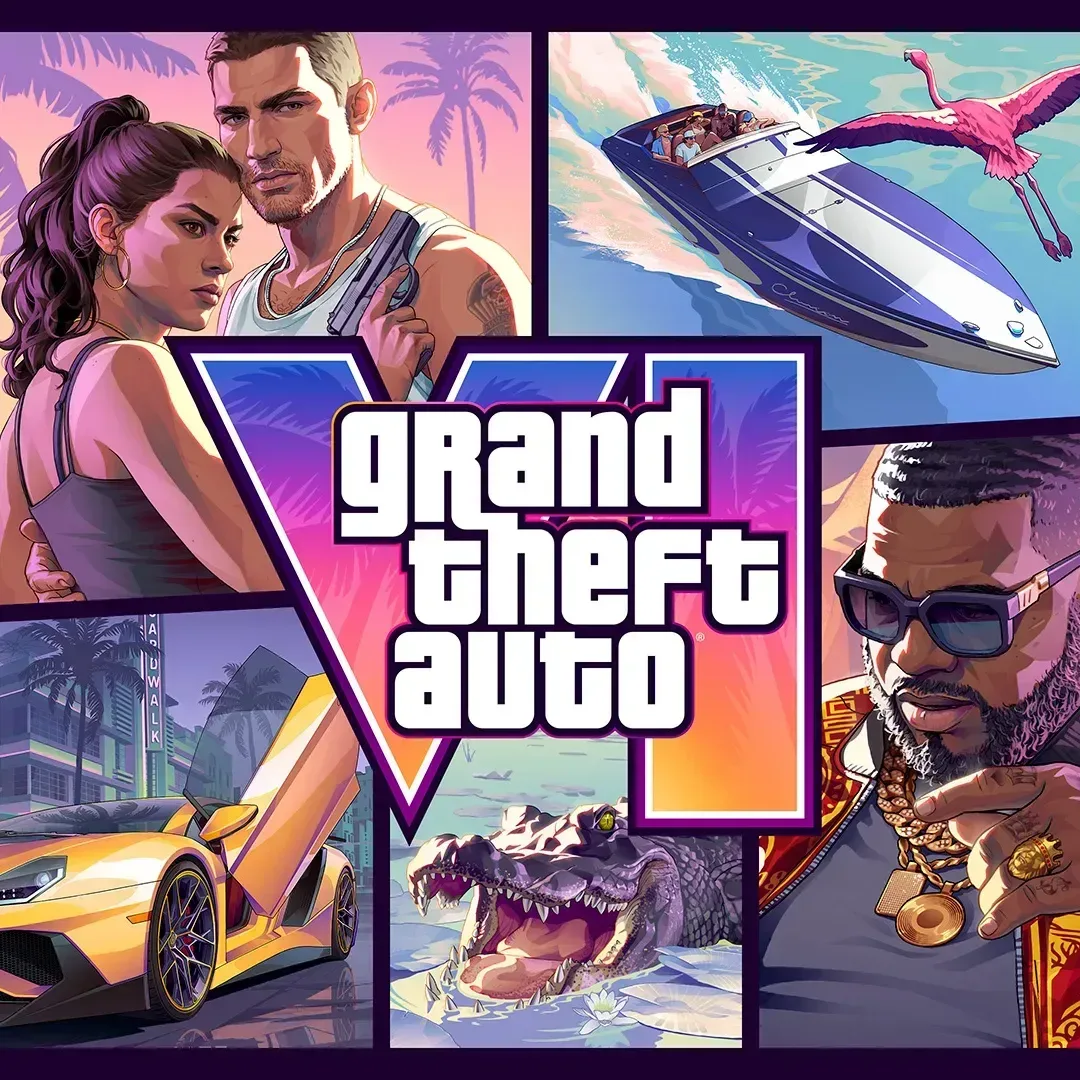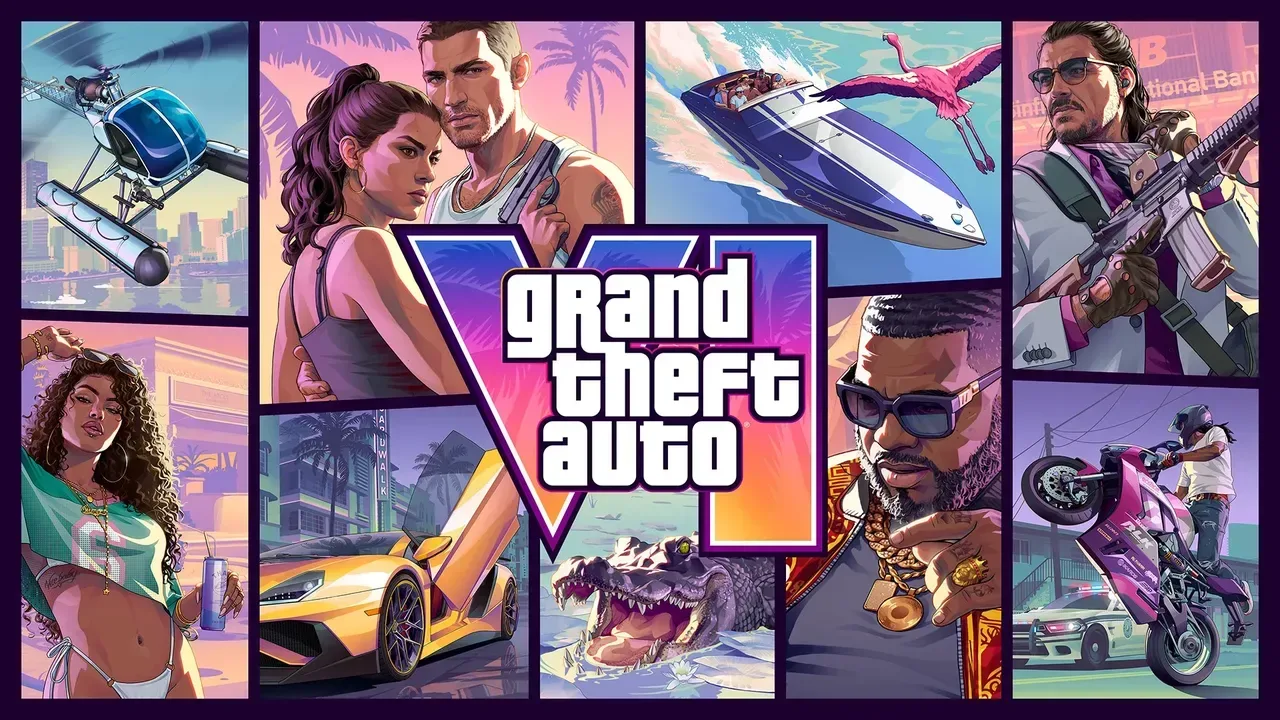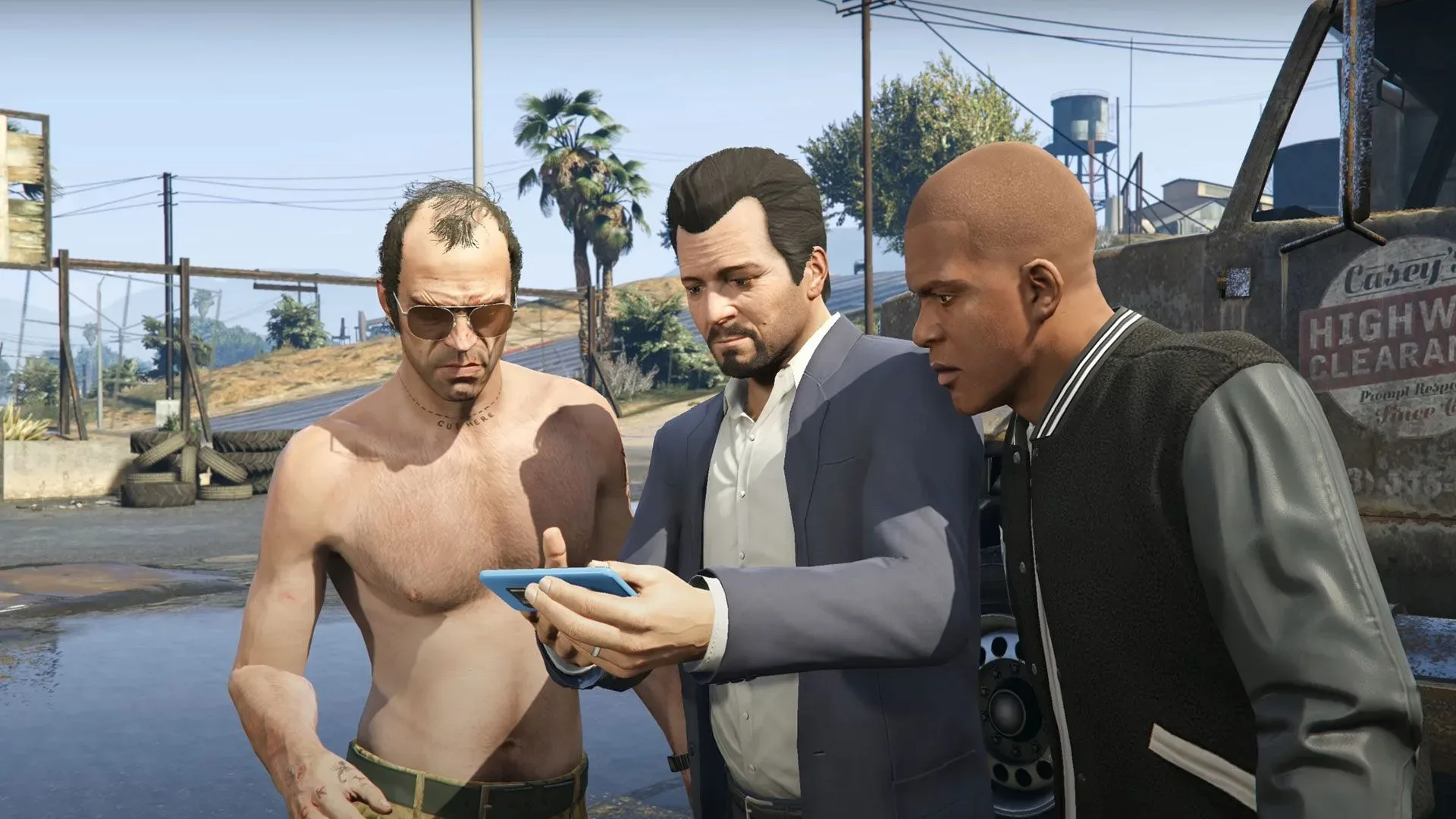
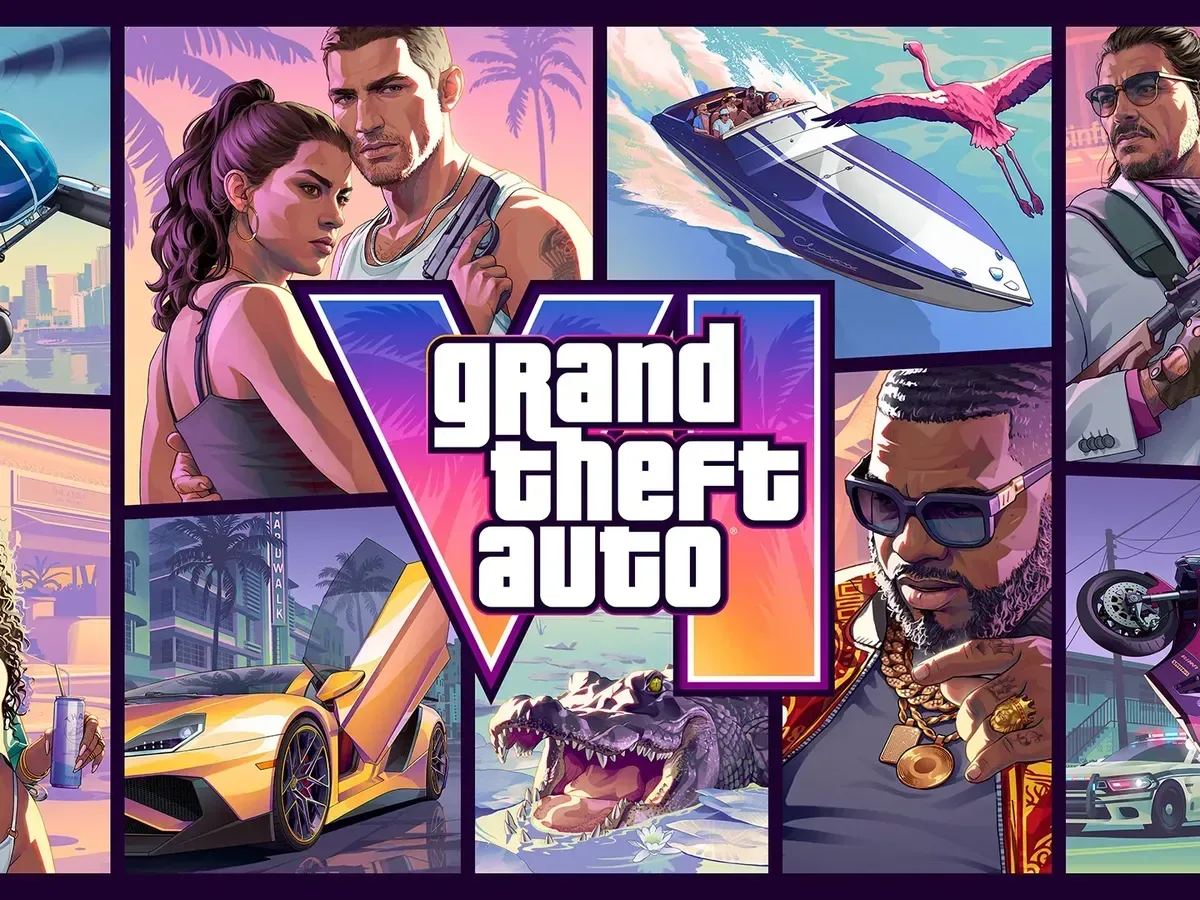
Grand Theft Auto 6 is nearing launch with the sort of anticipation that can spill beyond storefronts and social feeds into people’s calendars. In a poll of more than 39,000 readers, 46.5% said they planned to take time off on release day, either through paid time off or by saying they were sick. The remaining 53.3% said they would not take the day off.
The result is a useful snapshot of enthusiasm rather than a forecast for the entire game-buying public. Poll respondents choose to participate, so the figures should not be read as a representative measure of all GTA players, workers, or students. Still, the large response count and the split between planned leave and an ordinary day make one point clear: a substantial portion of this audience is treating the launch as an event worth scheduling around.
What the poll says
Respondents were presented with three choices: using or requesting PTO, calling in sick on launch day, or not taking time away from work. The full breakdown was:
- 38.3% said they had requested, or intended to request, paid time off.
- 8.2% said they planned to call in sick on release day.
- 53.3% said they would not take time off.
PTO, or paid time off, generally means leave that has been approved under an employer’s normal policy. It is distinct from simply not showing up, and it is the overwhelmingly larger of the two time-off answers here. Put another way, most respondents who said they would be away from work described a planned absence, not a spur-of-the-moment one.
That distinction matters. A major game release may prompt jokes about a sudden wave of “illness,” but the poll’s largest launch-day group is signaling advance planning. For players, that can mean handling commitments beforehand, checking workplace or school rules, and keeping expectations realistic about when a download, unlock, or first play session will actually begin. For everyone else, the majority answer is equally notable: more respondents said they were not taking leave than said they were.
A launch positioned as a major entertainment event
The scale of attention surrounding GTA 6 has encouraged comparisons with the series’ past commercial milestones. Grand Theft Auto V set a record in 2013 as the fastest entertainment product to reach $1 billion in sales, after generating $815 million in its first day. GTA 6 is expected to be among the biggest entertainment launches to date, though whether it surpasses those earlier benchmarks will only be known after launch data arrives.
The game’s listed editions also give the release a different revenue context from GTA V’s debut. The standard edition is priced at $80, while an Ultimate Edition is priced at $100. Higher edition prices do not guarantee record-breaking performance, but they mean a direct comparison of sales dollars across releases is not the same thing as comparing the number of copies sold. Revenue reflects price as well as volume.
GTA 6 has also received eight nominations at The Game Awards, including a Game of the Year nomination. Nominations are recognition ahead of release, not evidence of how the finished game will land with every player. Nevertheless, they add to a rollout already built around unusually broad mainstream visibility.
Related coverage includes Nearly Half of GTA 6 Poll Respondents Plan to Take Launch Day Off.
For a useful design-side reminder of why the previous game remains such a significant point of reference, see Aaron Garbutt’s GTA 5 design rule. GTA 6 will ultimately have to establish its own identity, but the predecessor’s long shadow helps explain why launch-day interest is so intense.
Vice City promotion reaches Miami
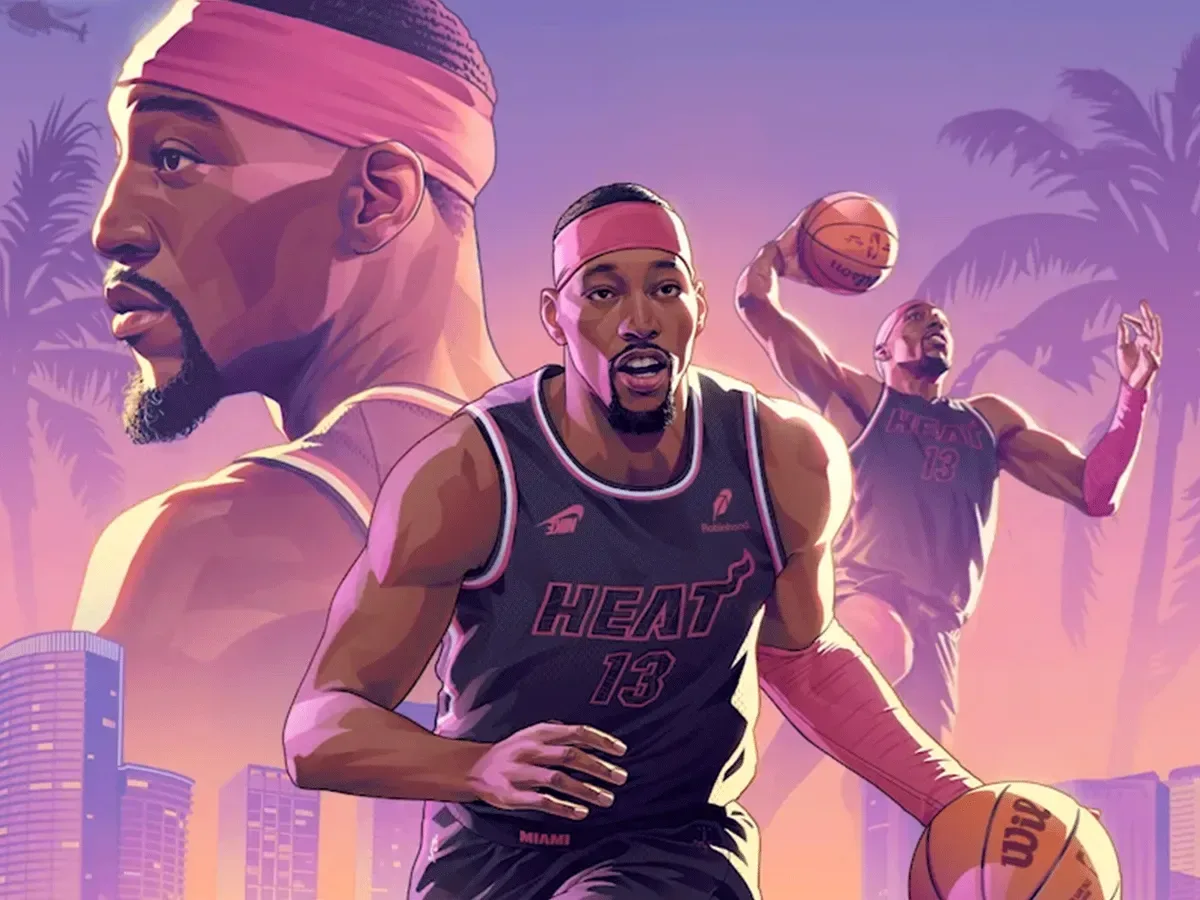
The promotional campaign has extended into Miami, turning the real-world city into a temporary counterpart to Vice City. In-universe advertising for GTA brands has appeared around the city, along with GTA-branded cars and a Vice City blimp. The Miami Heat’s arena has also received Vice City signage.
One especially visible element is a neon-pink “Welcome to Vice City” sign, installed for $975,000. The campaign is also set to include sponsorship of a Miami Heat regular-season game, with the team becoming the Vice City Heat for the occasion. That event is planned to feature new jerseys and a previously unseen court design.
These stunts do more than advertise a product. They blur the edge between a fictional setting and a recognizable place, inviting people to encounter the game’s branding outside the usual game-trailer and online-ad space. Miami’s connection to Vice City makes the setting an obvious fit, while the scale of the installation underlines how Rockstar is treating the release as a broader cultural moment.
Practical launch-day planning
The regional rollout begins in New Zealand, with the release approaching in less than 24 hours at the time these details were reported. Regional rollout refers to a release that becomes available at different times depending on a player’s location or platform scheduling. Players should verify the exact unlock time shown by their own platform rather than assume every region opens simultaneously.
For anyone who has legitimately arranged time to play, pre-loading is the most straightforward preparation step. Pre-loading means downloading game files before the scheduled unlock, so the bulk of the download is not competing with launch-day excitement. It does not necessarily mean the game can be played early; access still depends on the release schedule and any final requirements set by the platform or publisher.
There are a few sensible limits to that preparation. Confirm available storage space, make sure the relevant account can access the purchase, and leave room in the day for possible launch-time delays. Major releases can create high demand for downloads and online services. None of that guarantees a problem, but a day planned around immediate play can be less frustrating when it includes some flexibility.
Just as importantly, the poll should not be treated as encouragement to misuse sick leave. People considering time away should follow their workplace or school policies. The more revealing part of the result is that 38.3% selected a formal PTO option: for a significant group of fans, GTA 6 is important enough to plan for in the same way they might plan for any other personal event.
What can—and cannot—be concluded
The poll offers a sharp measure of mood among engaged respondents, not a nationwide productivity study. An estimate has suggested a $1 billion hit to US productivity from people calling out sick when GTA 6 arrives, but that is an estimate, and the poll alone cannot verify it. It also cannot establish how many people will ultimately play on launch day, how long they will play, or whether every stated plan will happen.
What it does show is a near-even split with a slight majority keeping their regular schedule, alongside a very large minority planning a day away. In an era when blockbuster launches compete with work, school, family plans, downloads, and online chatter, that is a meaningful expression of demand. GTA 6’s release has become more than a release-date reminder; for many fans, it has become a date on the calendar.