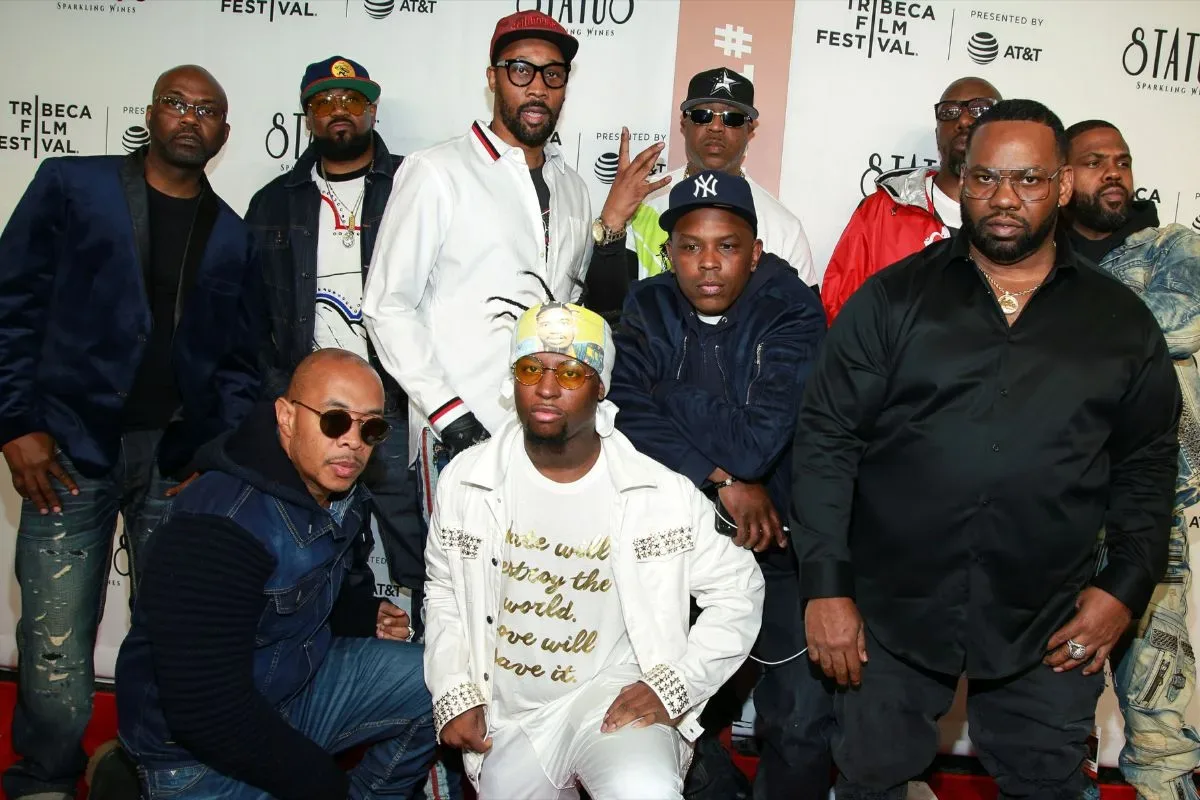
Wu-Tang Clan’s Once Upon a Time in Shaolin has spent years occupying a peculiar place in modern music culture: it is an album people know exists, a work tied to one of hip-hop’s most influential groups, and yet one that almost nobody has been able to hear. That distance has narrowed, at least a little.
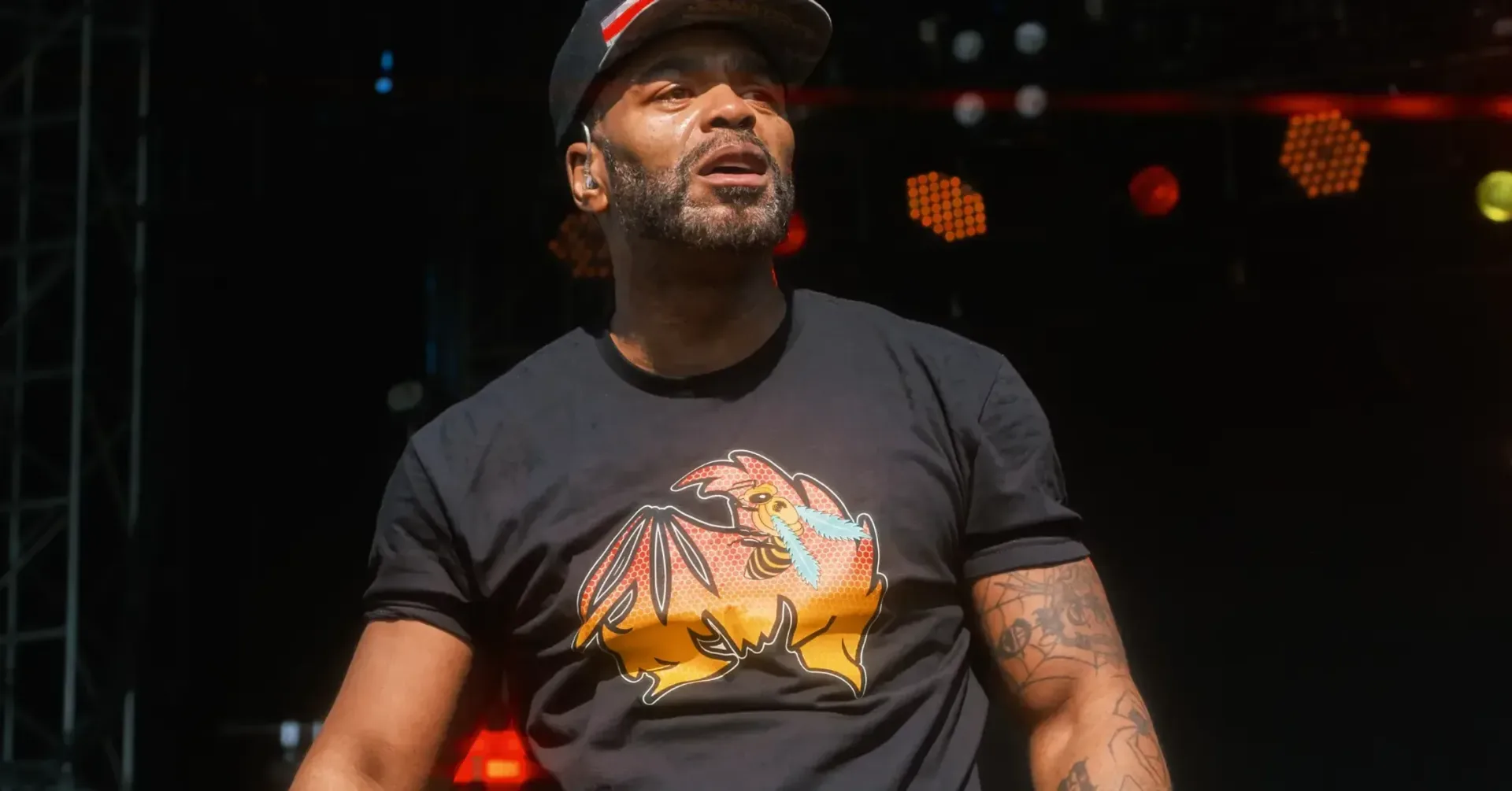
Journalist Pablo Torre located the one-of-one album and, through a partnership with its current owner, digital art collective pleasrDAO, played it for Method Man. The moment was presented on Pablo Torre Finds Out, giving the public a chance to hear material from the project while Method Man listened to it for the first time.
The distinction matters. This was not a conventional album release or a complete public stream. The record remains an unusually restricted cultural object, and the reporting does not establish that fans can now access the full work on demand. But it does turn a project long defined by mystery, custody disputes, and scarcity into something more tangible: music that can finally be discussed in terms beyond its price and ownership.
A rare listen, not a wide release
Once Upon a Time in Shaolin has previously been played at limited events in locations including Taiwan, England, and Tasmania. The Torre presentation is described as the first time the general public has been able to hear the project, though only through that mediated presentation rather than a full unrestricted release.
That is an important line to draw for anyone who has followed the album’s unusual story. A public excerpt, reaction, or broadcast can expand awareness without changing the fundamental premise of a one-of-one work. The available information does not say that pleasrDAO has opened the album to streaming services, physical distribution, or broad digital sale.
What listeners could hear in the coverage was characterized by qualities familiar to the group’s body of work: forceful, gritty scale alongside a colder and more reflective mood. That is still only a narrow view of the album, not enough to treat the presentation as a definitive critical accounting of the entire project. Yet the brief access shifts the conversation toward the actual recordings—where it has always arguably belonged.
Method Man’s response puts the focus back on the music
Method Man’s presence gives the listening session an especially unusual dimension. A member of Wu-Tang Clan hearing the finished one-of-one album for the first time is not the same thing as an outside reviewer encountering a rare record. His reaction also acknowledged the baggage around it.
“We found out that that album ain't as bad as I expected it to be,” Method Man said. “What do you guys think? [...] This is fly-on-the-wall s**t right here. I loved it.”
Related coverage includes Method Man Hears Wu-Tang Clan’s One-of-One Album in Pablo Torre Reveal.
He also expressed regret that the process surrounding Once Upon a Time in Shaolin had put the group’s integrity into question. That comment gets to the heart of why this album has remained more controversial than merely elusive. Its story has repeatedly been framed by who controlled it and how much it changed hands for, rather than by the artists’ work.
Method Man’s positive reaction does not settle every question surrounding the record, nor does it tell the public what a full listen might reveal. It does, however, offer a direct response from a Wu-Tang MC to an album that has often been discussed as an artifact first and music second.
Why the ownership history remains inseparable from the album
The album’s path is central to its notoriety. Martin Shkreli bought the one-of-one record for $2 million at a 2015 auction. Federal authorities in the United States later seized it following his securities-fraud conviction. The U.S. Department of Justice subsequently sold the project to pleasrDAO for $4 million in 2021.
Most recently, the work was made available as an NFT in five-minute snippets. An NFT, or non-fungible token, is a blockchain-based token intended to represent ownership or authenticity for a particular digital asset or associated item. In this case, the format is relevant because it offered a way to present limited portions of a famously restricted work without amounting to a normal album rollout.
That history shows why “ownership” and “access” should not be treated as interchangeable. Possessing a unique copy can confer control over an object, but it does not automatically mean the public can hear it. Conversely, allowing audiences to hear short segments does not necessarily mean the album has become widely available. Once Upon a Time in Shaolin continues to sit in the uneasy space between a recorded album and a scarce collectible.
The collecting question: what is the work being preserved for?
For collectors, the album presents a more complicated case than a limited-edition record. Scarcity is normally one aspect of collectible value, alongside condition, provenance, cultural relevance, and demand. Here, scarcity is not just a production detail. It is the organizing idea behind the project’s public identity.
Provenance—the documented history of an item’s ownership—has become unusually visible in this instance. The album has moved from Shkreli to federal custody and then to pleasrDAO, with each stage shaping how the public perceives it. That trail may establish significance, but it has also eclipsed the sound for long stretches.
The Torre and Method Man listening session suggests one possible answer to the preservation question: a one-of-one album can be kept rare while still being heard in controlled contexts. Whether that model satisfies fans is another matter. A listener who sees music principally as a shared art form may find permanent limitation difficult to accept. A collector may view the unique object and its conditions of access as inseparable from its value.
Neither perspective changes what is currently known: the full album’s broad availability remains uncertain. The limited public glimpse is meaningful precisely because it does not erase the restrictions that made the album famous.
What this development does—and does not—change
The presentation gives audiences more than another chapter in the ownership saga. It supplies evidence that the record can be engaged with as a Wu-Tang release, including its atmosphere and Method Man’s reaction, rather than purely as an expensive curiosity. It also makes clear that the group’s relationship to the album is emotionally and artistically more complex than the headlines around its resale history.
At the same time, there is no confirmation of a full consumer release, a release date, a platform, or a new method for fans to hear the complete album. The five-minute NFT snippets and the new public-facing presentation should not be confused with an album arriving in the ordinary sense.
That uncertainty is part of a broader debate about art, control, and originality in digital culture. Games are facing related questions around authorship and the value of human creative work, as explored in Masahiro Sakurai’s concerns about AI copycats and originality. The situations are not identical, but both underscore how technology can intensify arguments over who controls creative output and how audiences encounter it.
For now, Once Upon a Time in Shaolin remains what it has been: a singular Wu-Tang Clan album with a singularly complicated life. The difference is that Method Man’s first listen and the resulting public footage have allowed the work itself to emerge, however briefly, from behind the mythology.