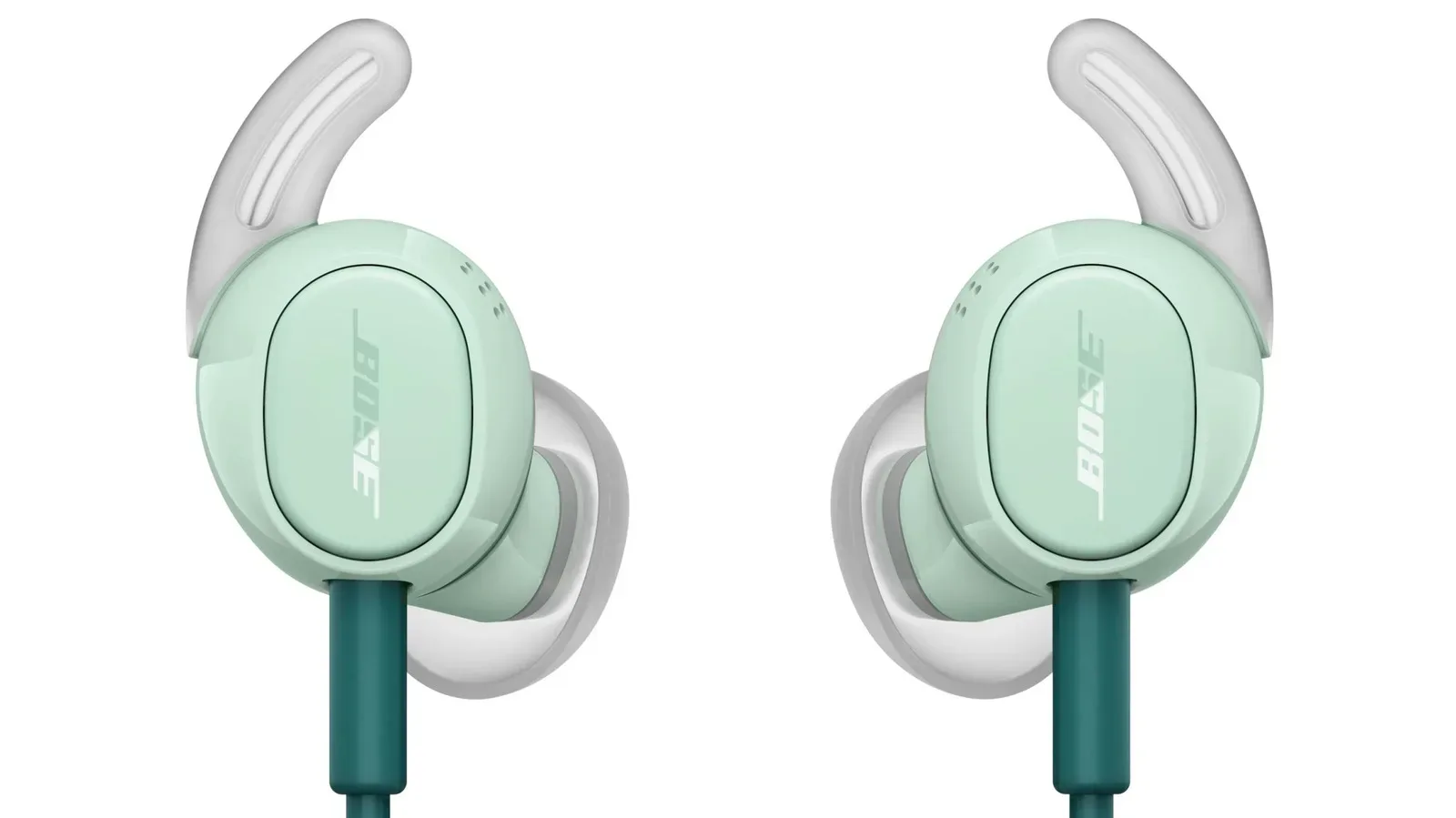
Wireless earbuds may be the default accessory for a phone, handheld or laptop, but Bose is making a firm case for the cable’s continued usefulness. Its newly introduced Noise Cancelling Wired Earbuds combine a USB-C connection with active noise cancellation, physical controls and lossless-audio support when used with a compatible device.
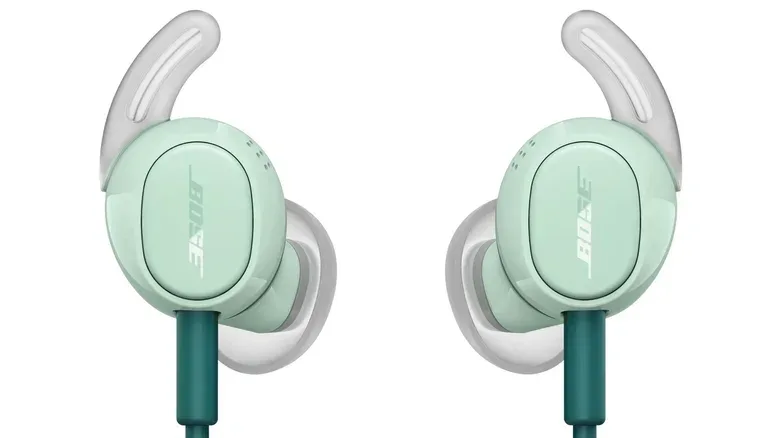
The earbuds are priced at $99 and are available to preorder through Bose and Best Buy. Bose expects the first shipments in mid-October. Color choices are Black, White Smoke and a limited-edition Dewdrop Mint.
The central idea is uncomplicated: retain the direct, always-connected nature of wired listening while adding features often associated with modern true-wireless buds. Bose’s cable is 4.2 feet long and ends in USB-C, so this is a USB-C audio accessory rather than a conventional pair with a 3.5mm headphone plug. That distinction matters for prospective buyers. The earbuds are intended to connect to a compatible USB-C device, and the company’s lossless-audio claim likewise depends on device compatibility.
Wired, but not stripped down
Going wired does not mean Bose has abandoned noise control. Each earbud contains two microphones that monitor the outside environment, supporting the company’s QuietControl system. Owners can select among Quiet Mode, Aware Mode and ANC Off Mode.
ANC, short for active noise cancellation, is the technology that uses microphones to listen to surrounding sound and reduces unwanted noise through audio processing. It is separate from physical isolation: an ear tip that seals well can block some sound on its own, while ANC is the electronic layer intended to reduce external distractions further.
Quiet Mode is the setting for listeners who want the strongest focus on audio with outside noise reduced. Aware Mode takes the opposite practical approach, allowing users to stay more conscious of the environment rather than shutting it out as much as possible. ANC Off Mode disables the active-noise-cancelling function. The availability of a true off setting is useful when a listener simply wants wired playback without active processing.
The precise effectiveness of those modes will depend on conditions and fit, neither of which can be judged from a specifications list. Still, the feature set puts the product in a distinctly different category from basic wired earbuds. Bose is not merely bringing back a cable; it is fitting a cable into a package designed around adjustable environmental audio.
Physical controls return to the cable
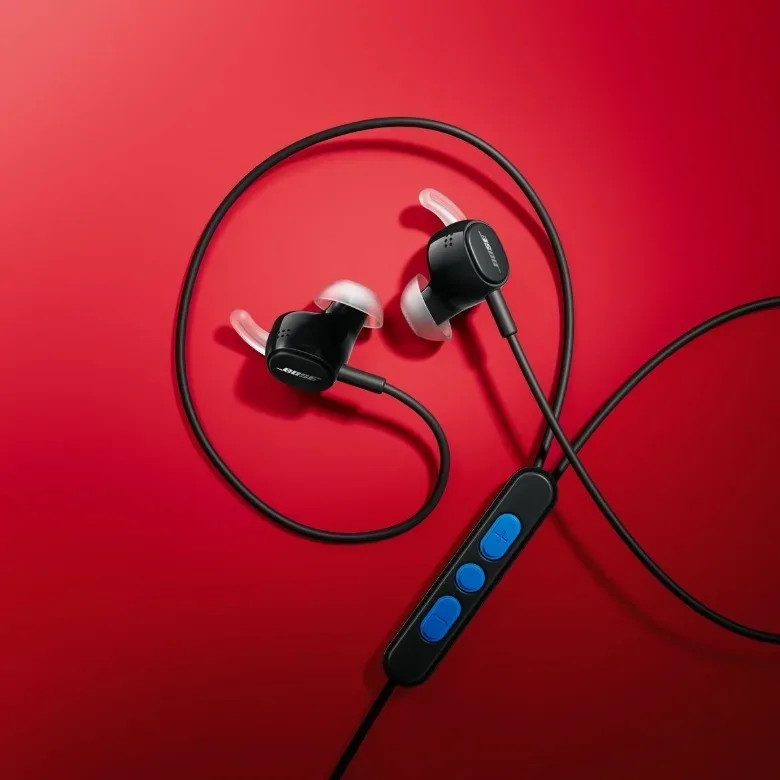
Instead of using touch-sensitive panels on the earbuds themselves, Bose has placed controls on an in-line remote. The physical buttons handle volume, playback, calls and ANC-mode switching. That layout should be immediately familiar to anyone who used wired headsets before on-ear tapping became common.
There is also a dedicated microphone on the back of the remote for calls. Bose says it is designed to capture the user’s voice while reducing unintended sounds, including noise created when the remote rubs against clothing. It is a small but relevant design choice: call quality often depends on more than just whether a headset has a microphone. Where that microphone sits, and how well it deals with handling or fabric noise, can affect how a caller hears the person on the other end.
For shoppers who are weighing this against a wireless headset primarily for calls, the remote’s button controls are worth noting. They provide a direct way to adjust volume, pause media, take calls and change noise settings without relying on gestures. Those looking for broader guidance on making calls clearer on Android can also consult this practical guide to VoLTE, Wi-Fi calling and noise controls.
What “lossless” means here
Bose says the Noise Cancelling Wired Earbuds support lossless audio when connected to a compatible device. In basic terms, lossless audio refers to digital audio delivered without the data reduction associated with lossy compression. The feature is especially notable in this product because the USB-C cable creates a direct digital connection to the playback device.
That should not be read as a blanket promise that every phone, computer, app or music file will automatically provide lossless playback. Bose specifically ties support to compatible devices, and the available information does not list compatible models or services. A buyer who considers lossless playback essential should therefore confirm compatibility with their intended device before ordering.
It is also helpful to separate the concepts in play. Lossless support concerns the audio signal path and source compatibility. ANC concerns the reduction of surrounding noise. Fit concerns comfort and passive noise isolation. Bose is pitching all three as parts of one listening setup, but they solve different problems.
Fit options and weather-resistant basics
Bose includes three ear-tip sizes and two wing-tip sizes. Ear tips are the pieces that sit in the ear canal, while wing tips help the earbud stay in place against the outer ear. Multiple choices give users more opportunity to find a secure and comfortable arrangement, which is important for everyday listening and for getting the intended seal from the tips.
The earbuds are also rated IPX4. That rating indicates water resistance rather than a claim of full waterproofing, and the supplied information does not present them as a product for submersion. In practice, the label positions the earbuds as built for the ordinary splashes and moisture exposure that can accompany daily use, while buyers should not mistake it for a guarantee of protection in every water-related situation.
A cable that solves a few familiar annoyances
The strongest practical argument for this design is not nostalgia. A wired connection means there is no separate earbud battery status to manage and no need to pair two tiny buds before pressing play. It also puts controls in one predictable place on the cable rather than distributing them across small housings in each ear.
There are tradeoffs. The 4.2-foot cable is a physical object to route around clothing, bags and desks, and a USB-C connector is not interchangeable with every older headphone port. But for people whose listening device already has USB-C, the cable can be a deliberate alternative to the charging routines and touch controls common in true-wireless products.
Bose’s approach makes particular sense for listeners who want adjustable noise control and a microphone-equipped remote but prefer the certainty of a tethered connection. It also gives USB-C users a $99 option that does not frame wired listening as a bare-bones compromise. The product’s mix of ANC modes, lossless support on compatible hardware, fit accessories and physical controls makes the cable feel less like a step backward than a different set of priorities.
Key details at a glance
- Product: Bose Noise Cancelling Wired Earbuds
- Connection: 4.2-foot USB-C cable
- Price: $99
- Noise settings: Quiet Mode, Aware Mode and ANC Off Mode
- Microphones: Two microphones in each earbud, plus a dedicated microphone on the in-line remote
- Controls: Physical buttons for volume, playback, calls and ANC modes
- Audio: Lossless-audio support with compatible devices
- Fit: Three ear-tip sizes and two wing-tip sizes
- Durability rating: IPX4
- Colors: Black, White Smoke and limited-edition Dewdrop Mint
- Availability: Preorders are open through Bose and Best Buy; first shipments are expected in mid-October
For now, the most important purchasing question is straightforward: does a listener want the convenience and directness of USB-C wired audio enough to choose it over a fully wireless alternative? Bose’s answer is that they should not have to give up active noise cancellation, environment-awareness options or a call-ready remote to do so.