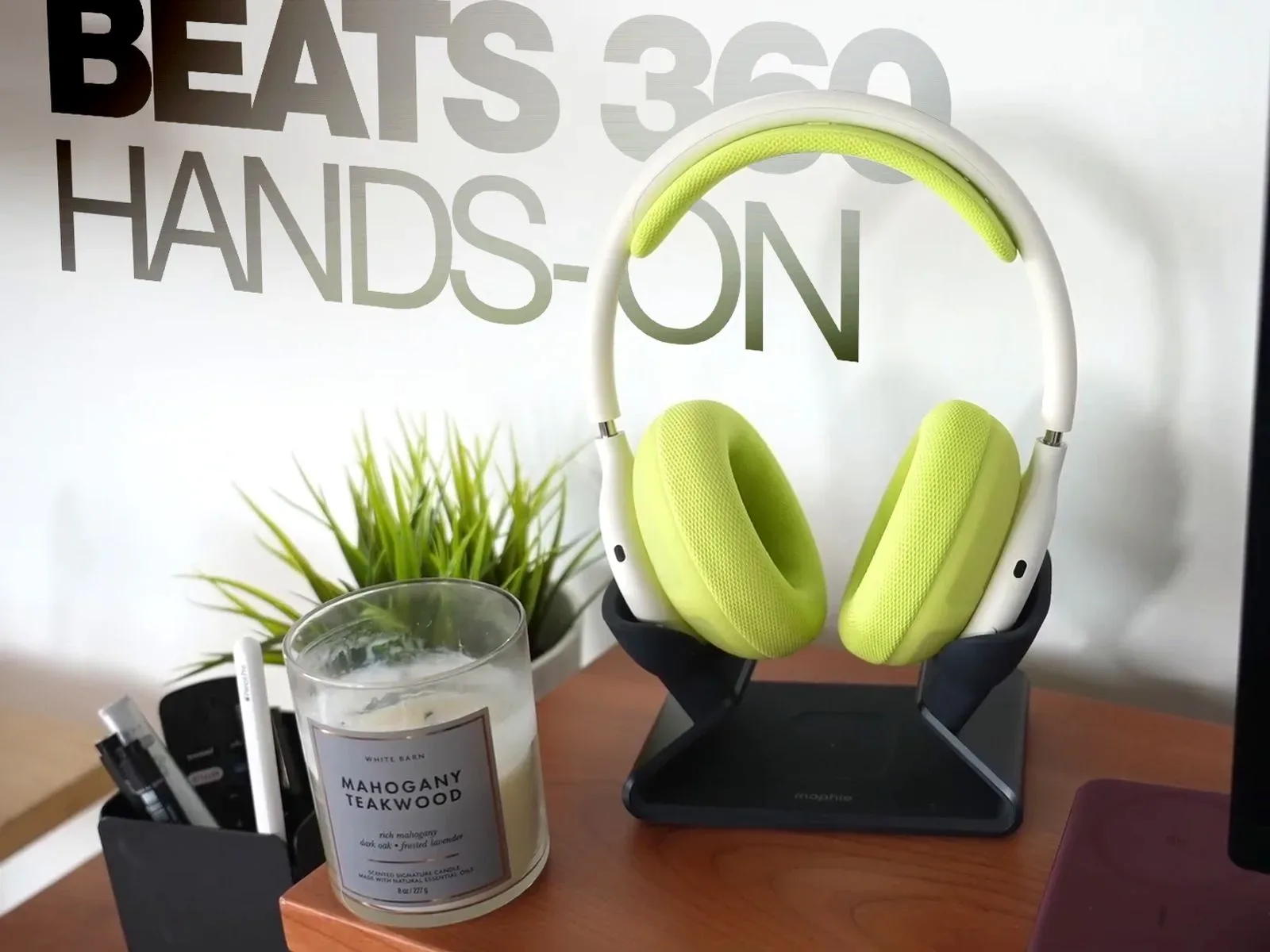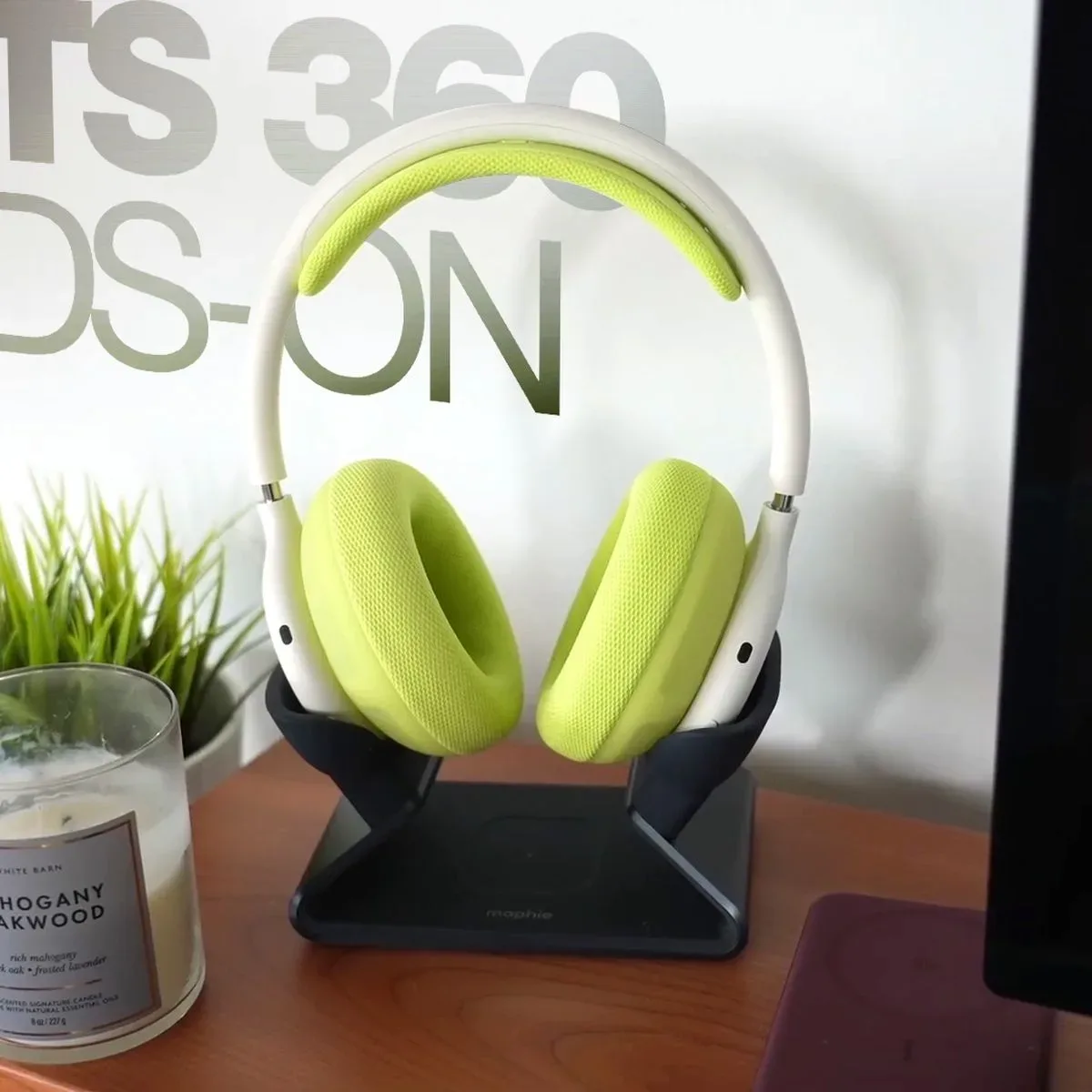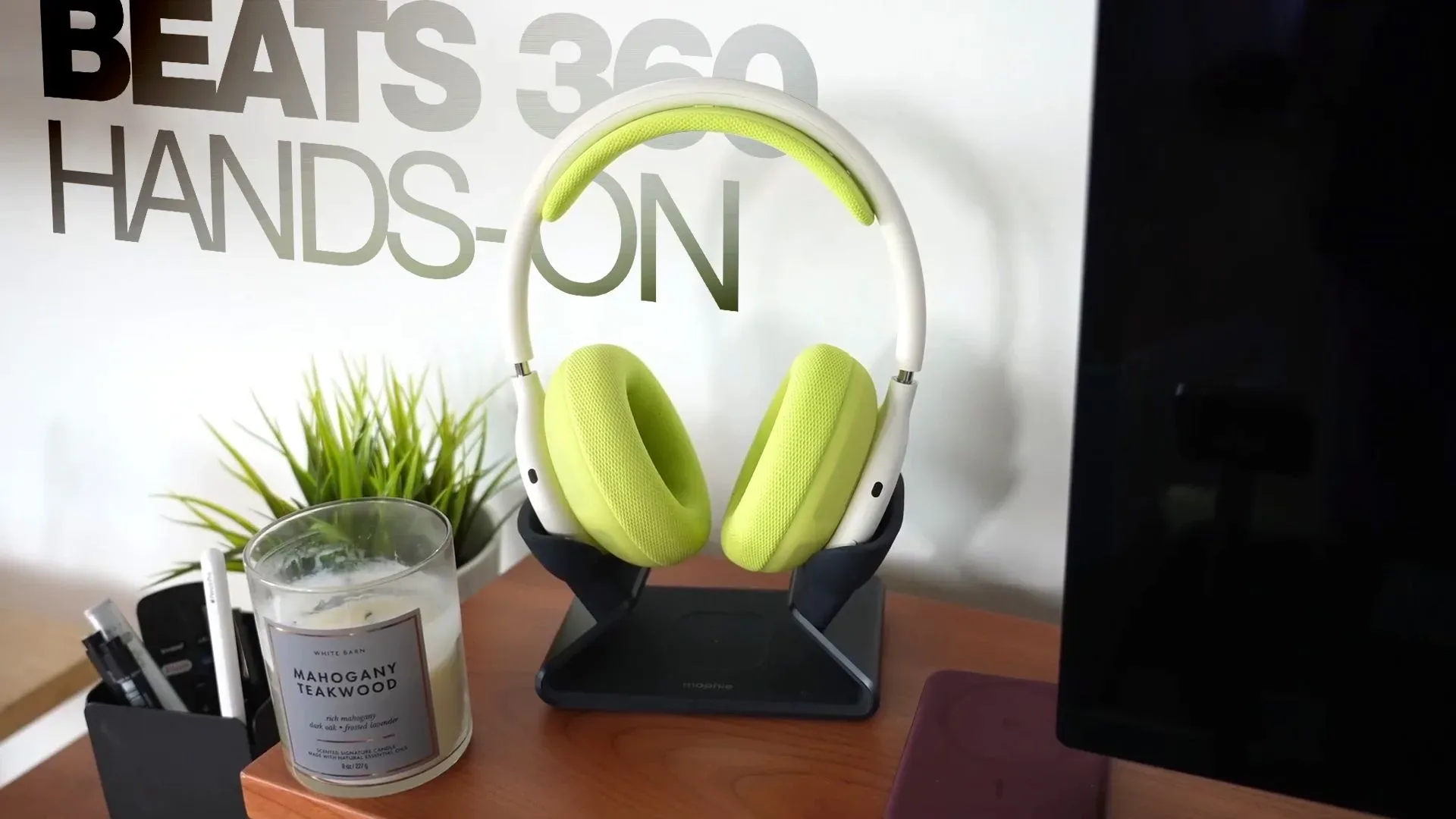
Beats has introduced the Beats 360, a new over-ear headphone priced at $349.99 that makes its most unusual design choice directly user-facing: the ear and headband cushions can be removed, exchanged and mixed by color. The company is positioning the model around comfort, sound and personalisation, while retaining the expected premium wireless-headphone staples of active noise cancellation, a pass-through listening mode and broad support across Apple and Android devices.
That may sound like a cosmetic detail at first, but Beats is tying the replaceable cushion system to the headphone’s audio behavior. Sensors determine whether Performance Knit or UltraPlush cushions are attached, then automatically alter the acoustic tuning and noise-cancellation filtering. In practical terms, the stated aim is to keep the listening experience consistent even though the materials around a listener’s ears have changed.
The Beats 360 is available to order now in the United States and more than 100 countries and regions, with availability set for Thursday, September 24. A woven ripstop carrying case is included. Cushion kits, USB-C charging cables and power adapters are separate purchases.
Why the cushion system matters beyond the color options
Most headphones treat earpads as wear items: eventually replaceable, perhaps, but not normally a central part of the product’s design pitch. Beats 360 instead makes the cushions an intended way to change both the look and the physical feel of the headset.
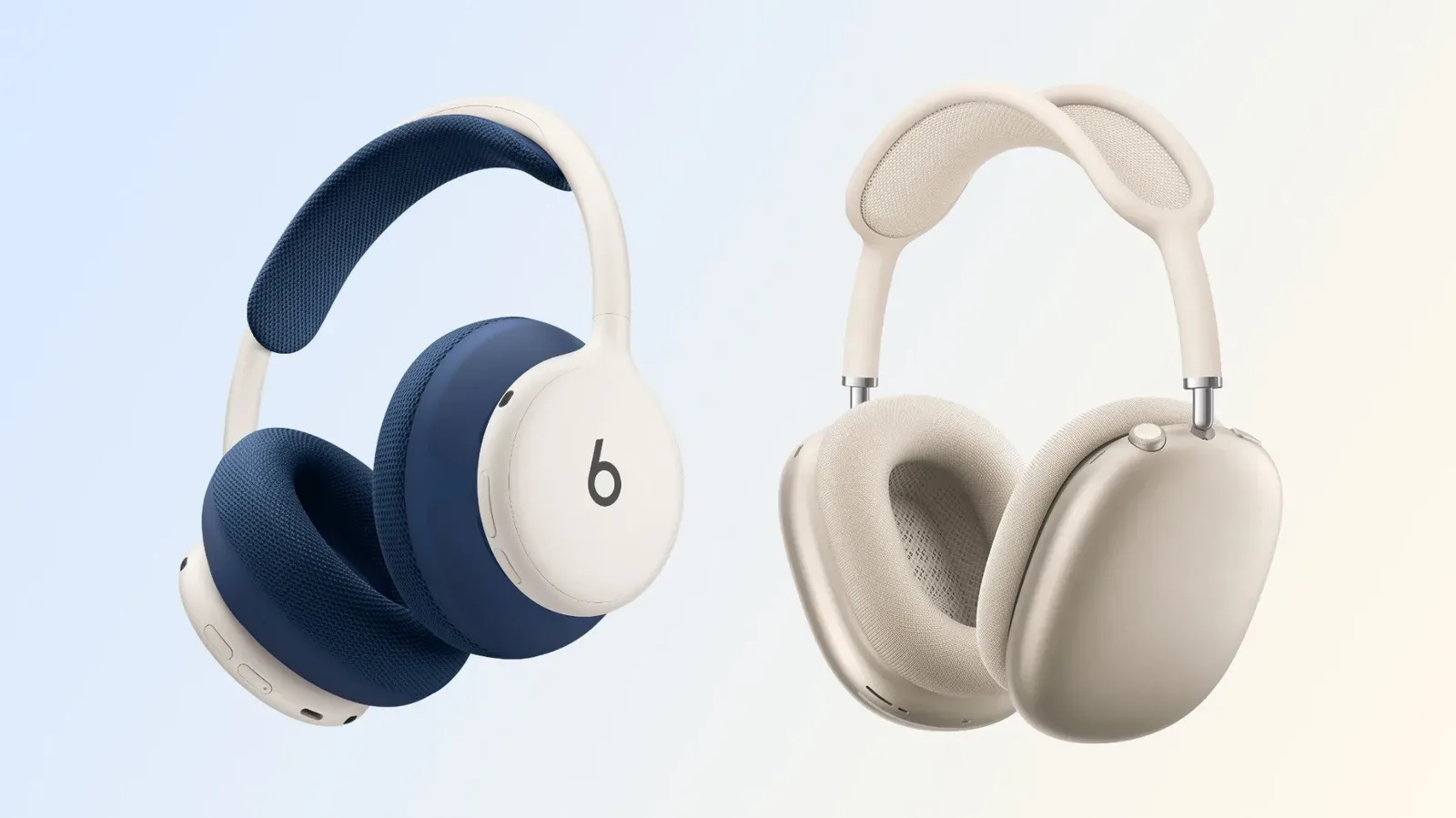
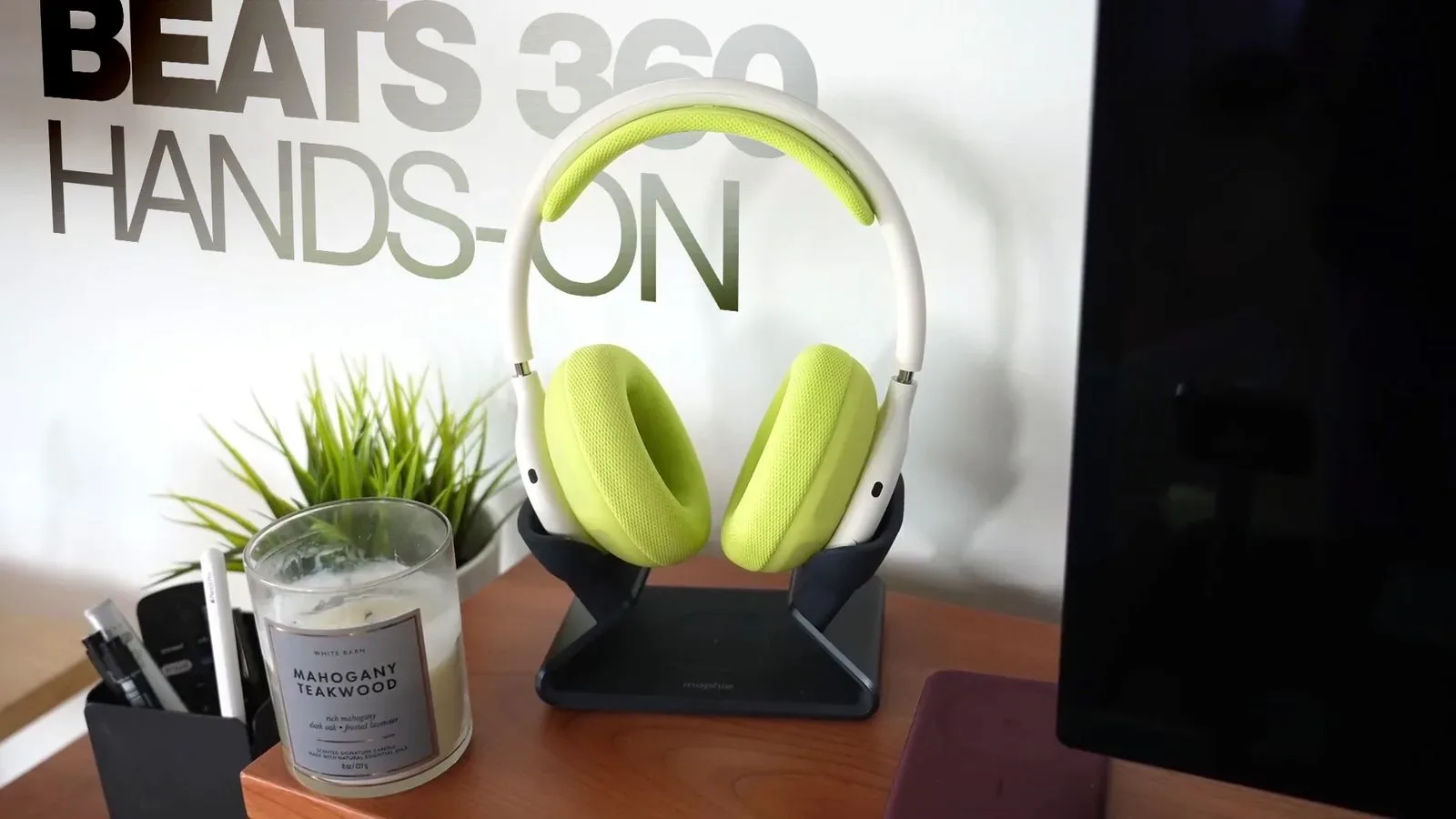
The standard headphones arrive in Black, Cloud, Pink or Sky with matching Performance Knit ear and headband cushions. Cloud is an off-white shade, while Sky is light blue. Additional Performance Knit sets will be available in those same four colors as well as Volt, a neon yellow-green, and Navy. That creates room for matching replacements, contrasting earcups and headband pieces, or a different color arrangement without buying an entirely new headset.
Performance Knit uses memory foam and a breathable fabric construction. Beats describes it as appropriate for workouts and other active use, where a less heat-retaining surface can be a meaningful comfort consideration. Breathability does not by itself establish a particular level of sweat or weather protection, however, and no ingress-protection rating is specified here. Prospective buyers should not infer water resistance or workout durability beyond the company’s description of the intended use.
There is also an UltraPlush option in Black and Ivory. These cushions use memory foam wrapped in engineered leather, and are described as having a more pillowy feel. They follow a more traditional padded headphone-cushion approach similar to the material used on Beats Studio Pro and Solo 4. The meaningful choice is therefore not simply between colors: knit and engineered leather can feel notably different over extended listening sessions, particularly for people deciding between a more airy surface and a softer, more conventional pad.
Automatic tuning explained
An ear cushion is part of a headphone’s acoustic environment. Its shape, material and seal against the head influence what reaches the ear. A looser seal can affect how outside sound gets in and how some frequencies are perceived; a different cushion can also alter the conditions in which noise cancellation operates.
Beats says the 360 detects which of its two cushion types is installed and adjusts tuning and ANC filtering accordingly. Acoustic tuning means the processing used to shape audio output. ANC filtering refers to the processing used to counter selected ambient sound. The feature does not mean every person will hear an identical result—head shape, fit, hair and the surrounding environment still matter—but it is intended to prevent a simple material swap from becoming an uncontrolled change in the headphone’s sound profile or noise-reduction behavior.
That approach is a practical acknowledgement that customisation can otherwise conflict with consistency. A system built around interchangeable pads needs to account for those physical changes if it wants fashion flexibility without making listeners choose a particular color or feel at the expense of predictable performance.
Three listening modes and eight microphones
Beats 360 has three stated listening modes: Active Noise Cancellation, Transparency and Adaptive EQ. A dedicated button on the left earcup cycles among them.
ANC uses eight microphones to analyze the acoustic environment both inside and outside the headphones. Active noise cancellation works by monitoring unwanted ambient sound and producing an opposing signal intended to reduce what the listener hears. It is generally most useful with persistent background noise, although results vary based on the sound itself and how the headphones fit.
Transparency mode takes the opposite approach to isolation. Rather than aiming to lessen surroundings, it is designed to let the wearer hear the outside world while wearing the headset. This makes the feature relevant to situations in which someone wants to keep headphones on without fully disconnecting from nearby voices or environmental activity.
When both ANC and Transparency are switched off, Beats 360 activates Adaptive EQ. The company says this setting continually tunes acoustic performance. The placement is worth noting: it is not presented as a fourth manually selected listening mode, but as the behavior when the two environment-management modes are disabled.
For gaming and other entertainment use, the distinction is straightforward. ANC is the setting aimed at reducing distractions in a noisy setting; Transparency prioritizes awareness of what is around the player; Adaptive EQ is the no-ANC, no-Transparency path. None of those functions substitutes for a platform-specific claim about latency, microphone quality in multiplayer chat or wired audio behavior, none of which has been detailed for this model.
Design, controls and travel trade-offs
Beats says the 360 weighs a little under 300 grams, putting it in roughly the same range as Studio Pro. The company’s design argument is less about an absolute weight reduction than about weight distribution. The new model puts more mass in the cushions, where Beats says it matters most for comfort, while a thin headband is intended to spread the load effectively.
The headband contains a single power cable connecting the two sides. Batteries in both sides can therefore charge from one USB-C port on the left earcup. That earcup also holds the power button and listening-mode control. On the right are dedicated playback and volume controls: a play/pause button and a volume rocker. Hands-free “Hey Siri” is supported.
Travel design has one clear compromise. Unlike Beats Studio Pro, the Beats 360 headband does not fold. The earcups do rotate flat, then fit into the supplied woven ripstop case. The case has a magnetic closure and a rear loop that can go around a finger or attach to a carabiner. With the headphones inside, it measures approximately nine inches square and slightly more than two inches thick at the pleated bottom.
A flat earcup arrangement can make more sense in a backpack or computer bag than a deeper, differently shaped case, but it does not make the headset compact in the same way as a fully folding pair. Buyers who prioritize the smallest possible packed footprint should recognize that trade-off before treating the carrying case as proof of foldability.
Apple and Android features are not identical, but both get ecosystem tools
Beats 360 runs on Beats’ fourth-generation proprietary platform and offers native integration with both major mobile ecosystems. The exact feature names differ by platform, so it is useful to separate them rather than reduce compatibility to a generic Bluetooth claim.
- Apple users: one-touch pairing, automatic iCloud pairing and switching, Audio Sharing with compatible AirPods or Beats devices, and Find My support.
- Android users: one-touch and ecosystem pairing, Audio Switch and Find Hub geolocation.
Automatic switching is an ecosystem convenience feature: a paired headset can move between a user’s associated devices under the relevant platform’s system. Audio Sharing lets another person with compatible AirPods or Beats listen to the same audio. Find My and Find Hub are location-oriented device-finding services. These additions make the 360 more flexible for households or users with mixed device habits, while still giving each platform its own set of named integrations.
Beats remains a distinct brand within Apple’s ownership, with Apple and Beats engineering teams working together on products while Beats continues to emphasize an active-lifestyle design and celebrity-led marketing identity. Kendall Jenner fronts the Beats 360 campaign, tying the interchangeable-cushion concept to changes in style across a day.
The broader point of the Beats 360 is that its customisation is not being treated as a detachable accessory story. The company has designed it into the headphone’s comfort system, its appearance and its software-controlled tuning. For listeners who like the portability and all-day convenience of a wireless over-ear set but want more control over the material against their skin and the look on their head, that is the model’s clearest differentiator.
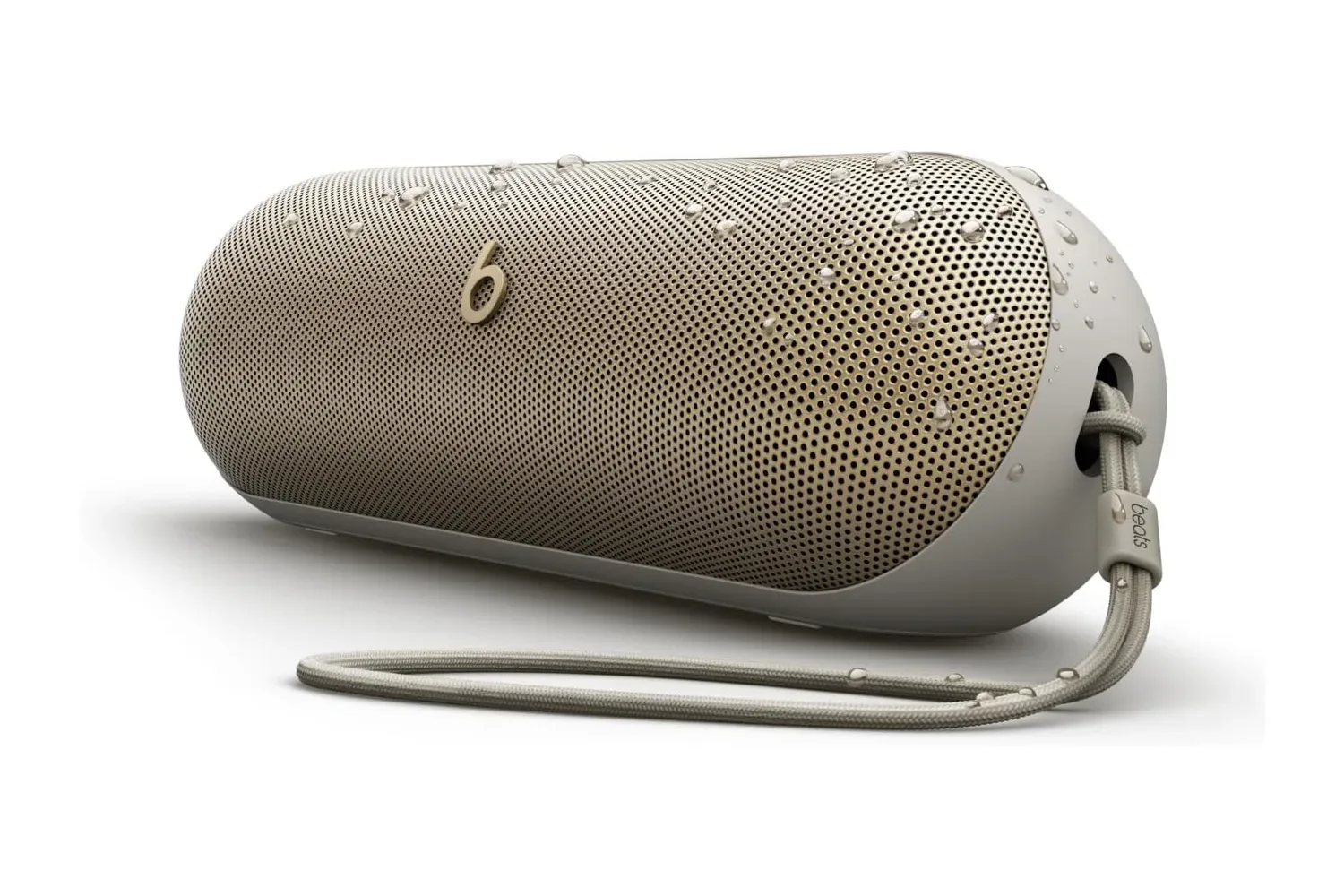
Those weighing a Beats purchase can also compare this over-ear release with the company’s portable-speaker lineup, including the Beats Pill, though the products naturally serve very different listening situations.