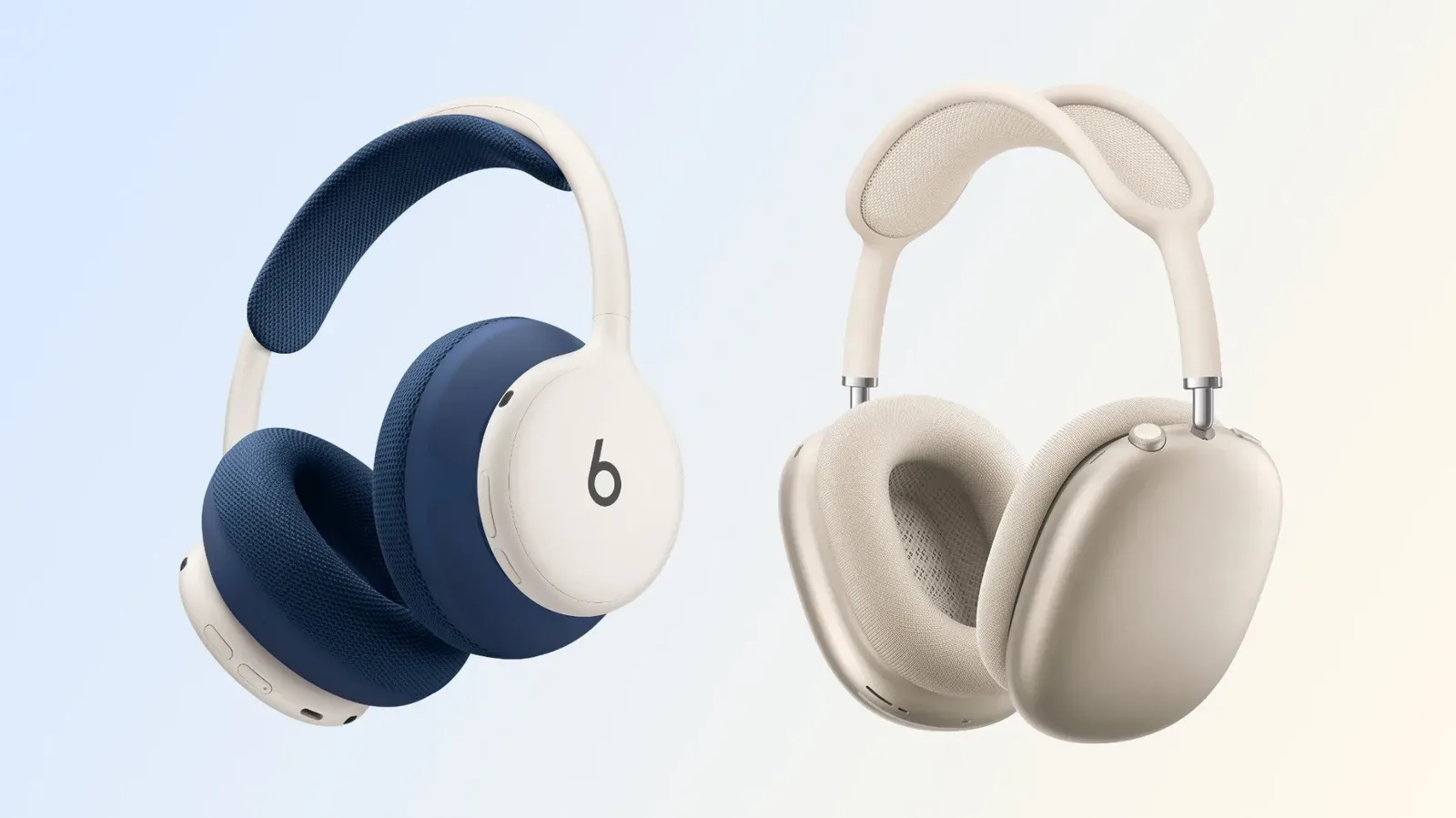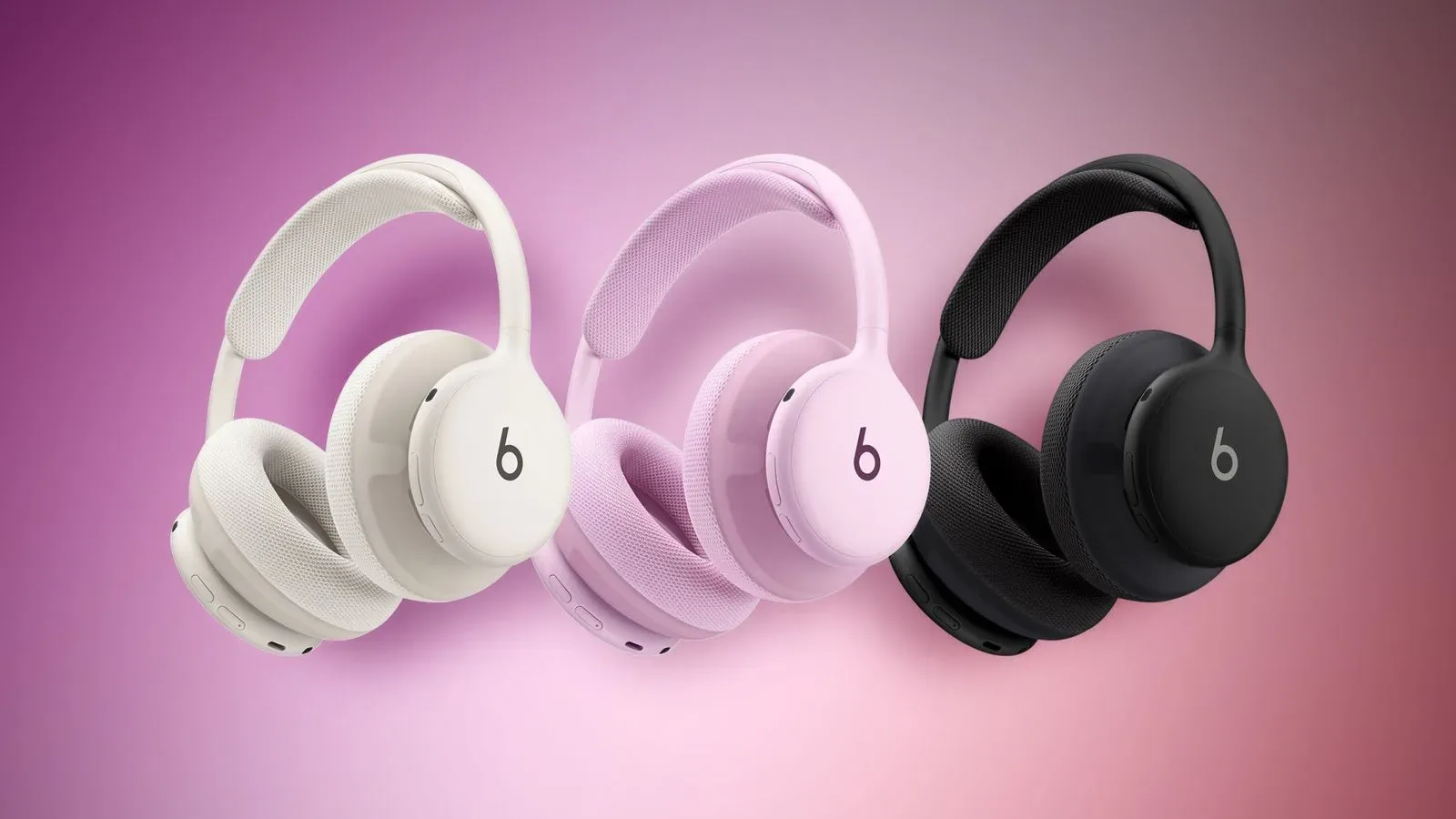
Beats is positioning its new Beats 360 headphones as more than a higher-tier alternative to the Beats Studio Pro. The over-ear model is a statement about where the Apple-owned brand sees room to differentiate: visible customization, a design intended to feel lighter and more playful than familiar Beats hardware, and support intended to work across both Apple and Android ecosystems.
That combination matters because premium headphones are often presented as fixed objects. Buyers may choose a finish, but the product’s basic look and its intended use tend to remain unchanged. Beats 360 takes a more modular route. Its ear cushions and headband can be switched, allowing owners to combine different colors or change the materials depending on the situation.
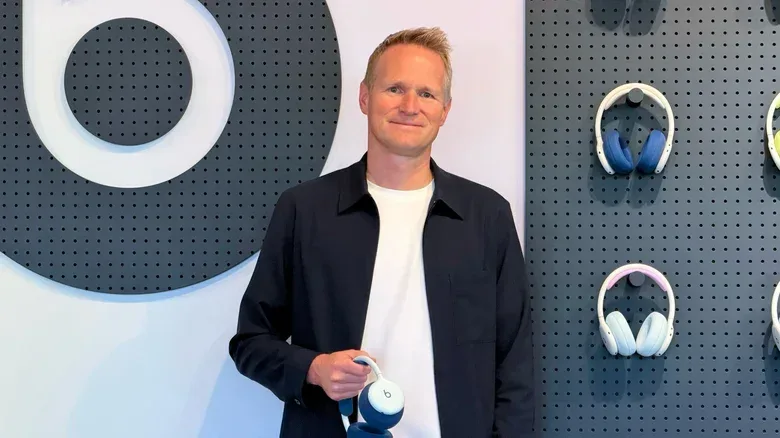
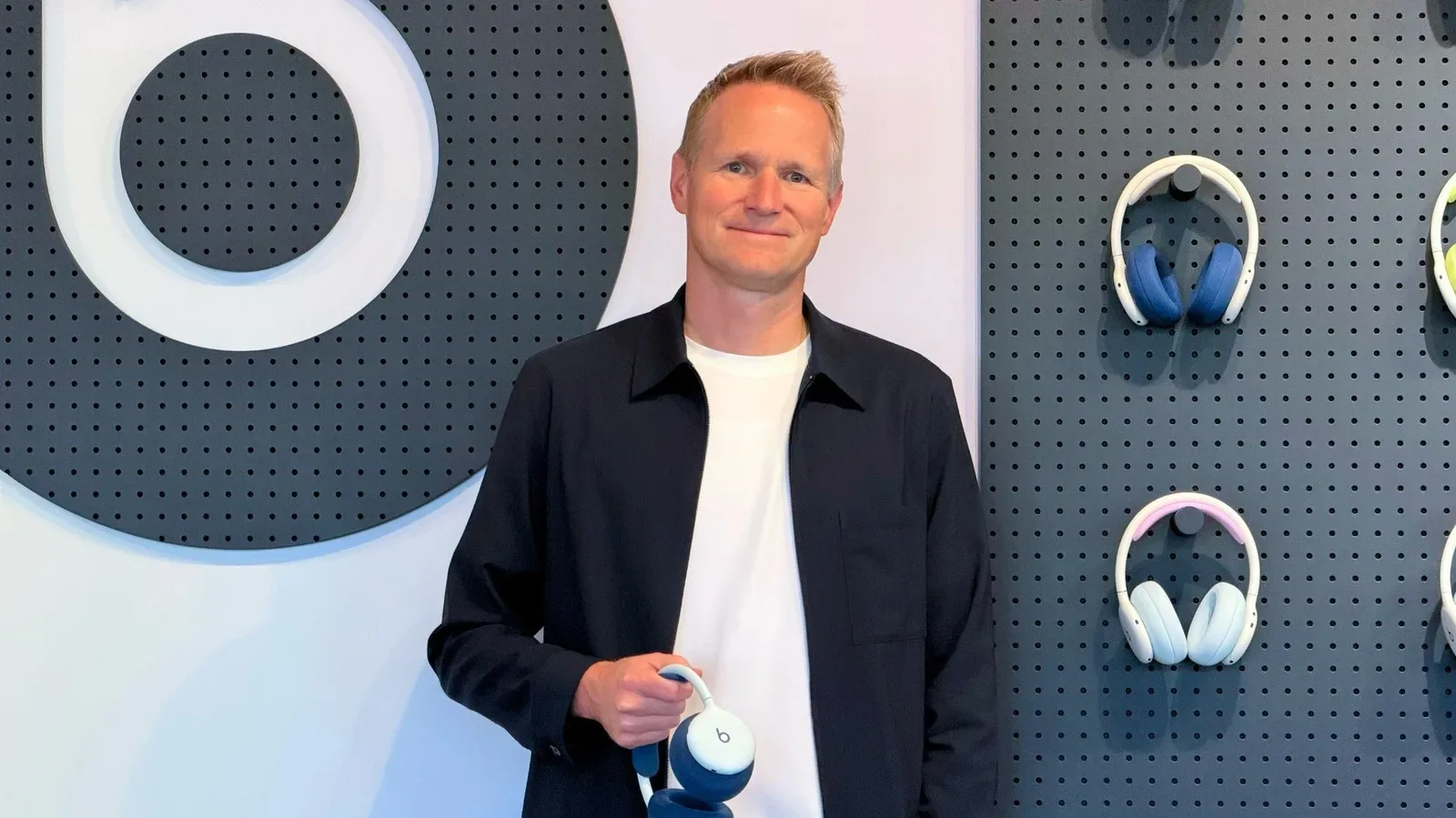
The product details sit alongside a broader message from Oliver Schusser, vice president of Apple Music and Beats: Beats is closely integrated with Apple in engineering, operations and manufacturing, while still pursuing a product identity that does not simply duplicate the AirPods line. That distinction is central to understanding the Beats 360—and possibly to understanding why Beats is gradually moving into cables and other accessories as well.
For the specifications and feature rundown previously reported for the headphones, see our Beats 360 coverage.
A headphone designed to change with the day
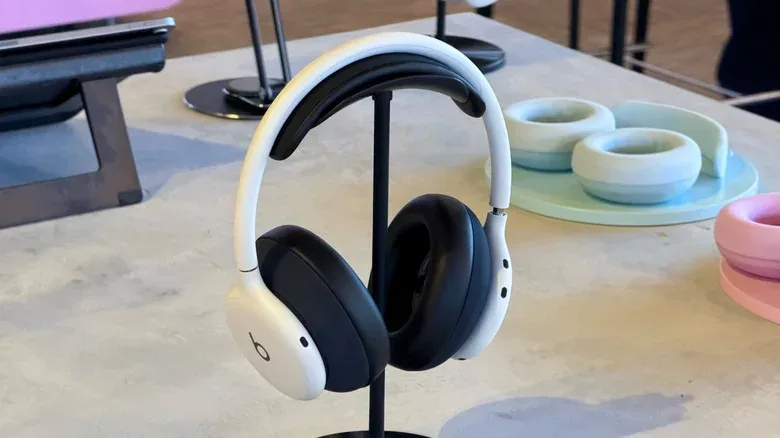
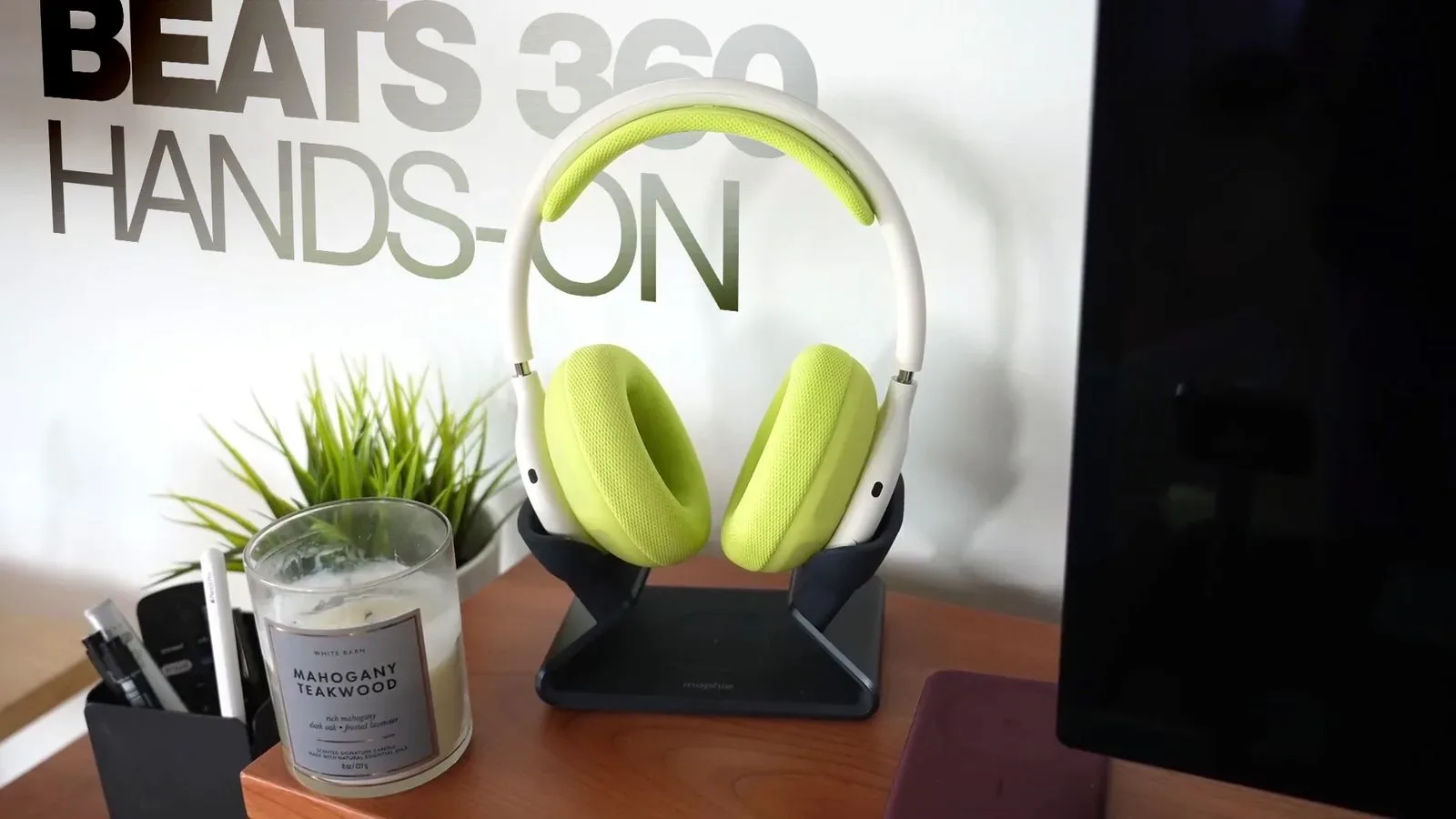
The most conspicuous Beats 360 idea is interchangeability. Both the headband and ear cushions are designed to be swapped, making color mixing part of ownership rather than a choice locked in at checkout. Schusser describes the intended appeal as broad, spanning age groups and genders, although he acknowledges that the mix-and-match concept may particularly resonate with younger buyers.
There is a practical dimension beneath the fashion element. Beats plans two ear-cushion versions: fabric cushions intended for exercise, and eco-friendly leather cushions intended for a more styled appearance. A removable component is not inherently a technical upgrade; its importance is that it lets a single pair of headphones be configured around different priorities without changing the entire device.
In this case, fabric is framed for workouts, while the leather option serves a different aesthetic. That does not establish that either material will suit every listener, every climate or every routine. It does, however, give prospective owners a choice that conventional fixed-cushion headphones do not. Someone who prefers one look for commuting and another for training has a route to make that change without maintaining two complete over-ear sets.
The approach also makes the headphones visually legible as Beats rather than an anonymous premium audio product. Schusser points to the bright color sensibility and the familiar lowercase “b” mark as the threads connecting Beats 360 to the rest of the catalog. The company’s challenge was to make the model look new without making it look detached from the brand that buyers recognize.
That is a delicate balance. A modular build can make a device appear more adaptable and personal, but it can also risk reducing a clear industrial design to a collection of replaceable pieces. Beats’ position is that the variety is the point: changing pads or bands should make the hardware feel closer to multiple looks rather than a single static purchase.
Premium placement without a simple AirPods comparison
Beats 360 sits above the established Beats Studio Pro as a more premium option. Its appearance may invite comparisons with AirPods Max, but the internal strategy is not a straightforward attempt to reproduce Apple’s own flagship headphones under a different badge.
Notably, Beats 360 does not use the Apple audio chip found in AirPods Max. Instead, it uses a new generation of Beats’ custom chip. Schusser’s explanation is that Beats products can take a different approach from AirPods products even while the teams are tightly connected inside Apple.
It is useful to separate two ideas that can easily be conflated. A custom chip is a component designed for a product’s computing and connectivity needs. It is not, by itself, a promise that one headphone will sound better than another. The practical claim here is platform targeting: Beats says its chip has been optimized for both iOS and Android rather than being defined by the presence of Apple’s proprietary audio silicon.
That cross-platform stance is meaningful for people who switch phones, use a mixture of devices, or simply do not want a premium headset that feels reserved for one ecosystem. Schusser says Beats headphones can support Apple-oriented conveniences such as Find My and automatic switching between devices without using the same proprietary chip approach as AirPods Max, while remaining fully compatible with Android.
Find My is Apple’s device-location system. Automatic device switching refers to headphones moving between compatible devices based on what the user is doing, rather than requiring manual reconnection each time. Those are usability features, not audio codecs or sound-tuning claims, but they can substantially shape the day-to-day experience for someone who moves between a phone and other devices.
The point is not that Beats must choose between Apple integration and Android use. Its stated strategy is to offer both. That makes Beats 360 an example of an Apple brand trying to preserve a wider device appeal, rather than treating compatibility beyond iOS as an afterthought.
Choice inside the Apple family
Schusser does not frame Beats and Apple audio products as rivals fighting for the same single use case. His view is that customers can own different premium products for different moments—for example, AirPods in everyday use and Beats gear for the gym. Whether any individual buyer needs that overlap is personal, but the underlying product logic is clear: the brands can coexist by emphasizing different forms, styles and routines.
For Beats 360, modular appearance and an across-platform chip strategy are two pillars of that differentiation. The product is not only being sold as a set of headphones that play music; it is being cast as an accessory that can be altered to fit an outfit or activity. The brand’s sporty, colorful identity is doing work that a feature checklist alone cannot do.
This also places more importance on execution. Interchangeable parts need to be simple enough that owners will actually use them. Cross-platform claims need to be clear about which functions apply on which devices. And a premium model must justify its place above Studio Pro beyond its visual flexibility. The available discussion establishes Beats’ direction, but shoppers should still match their purchase decision to their own device mix and the particular features they need.
Accessories are part of the longer-term picture
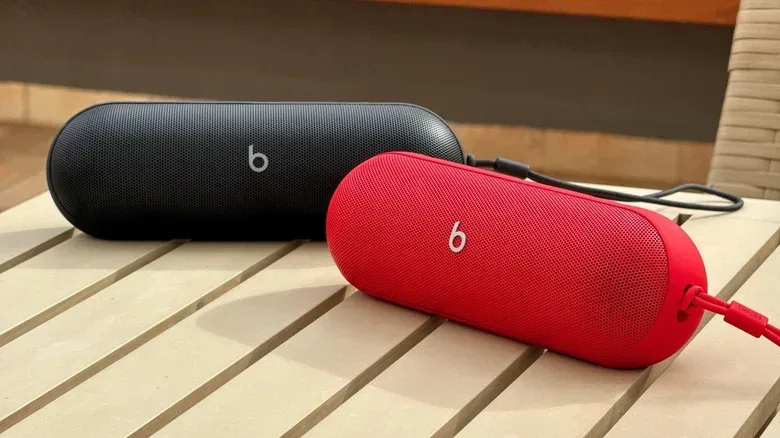
Headphones remain the core of Beats’ identity, alongside the Beats Pill portable speaker, but the company has been extending its name to USB cables and iPhone cases. Schusser says the cable business builds on experience designing custom cables for Beats headphones, and characterizes those cable products as successful.
The expansion should not be mistaken for a pledge that the Beats logo will appear on every kind of consumer device. Schusser stresses restraint: the goal is to identify products that make sense for Beats users and for the brand, not to enter too many categories at once. That is an important qualification because brand extension can either strengthen a recognizable identity or blur it.
At present, the evidence points to a relatively focused extension from audio into adjacent everyday accessories. Cables are directly connected to charging and using portable electronics. Phone cases are similarly close to the devices on which much of the Beats audience listens to music. Neither category asks consumers to understand an entirely different version of the brand.
There has also been speculation that Beats could be working on an iPhone game controller. That remains unconfirmed and should be treated as rumor rather than a product plan. Still, it illustrates why the company’s measured wording is worth watching: a controller would be a larger move into gaming hardware, even if it would remain linked to mobile devices and the active, portable image Beats cultivates.
What Beats 360 says about the brand’s next phase
Beats 360 is the immediate priority, and its design gives a concrete example of the strategy Schusser describes. The headphones retain recognizable Beats cues while departing from the brand’s established visual formula. They seek a place above Studio Pro, but do not simply mirror AirPods Max internally. And they treat personal styling as part of the product’s purpose rather than a superficial afterthought.
For prospective buyers, the clearest takeaway is to think in terms of use cases. People who want a single, unchanging over-ear headset may see the swappable system as unnecessary. People who exercise in headphones, want different material options, or value the ability to vary colors may find the concept more meaningful. Those using both Android and Apple devices may also find the stated compatibility approach especially relevant.
For the wider consumer-tech market, Beats 360 is a reminder that premium hardware does not have to pursue sameness. Beats is using Apple’s broader infrastructure while maintaining a separate personality built around music, sport, color and customization. The upcoming test will be whether that identity can expand carefully into useful accessories without losing the clarity that made the “b” logo recognizable in the first place.
Shop the products
Check current price, model and availability at the retailer.