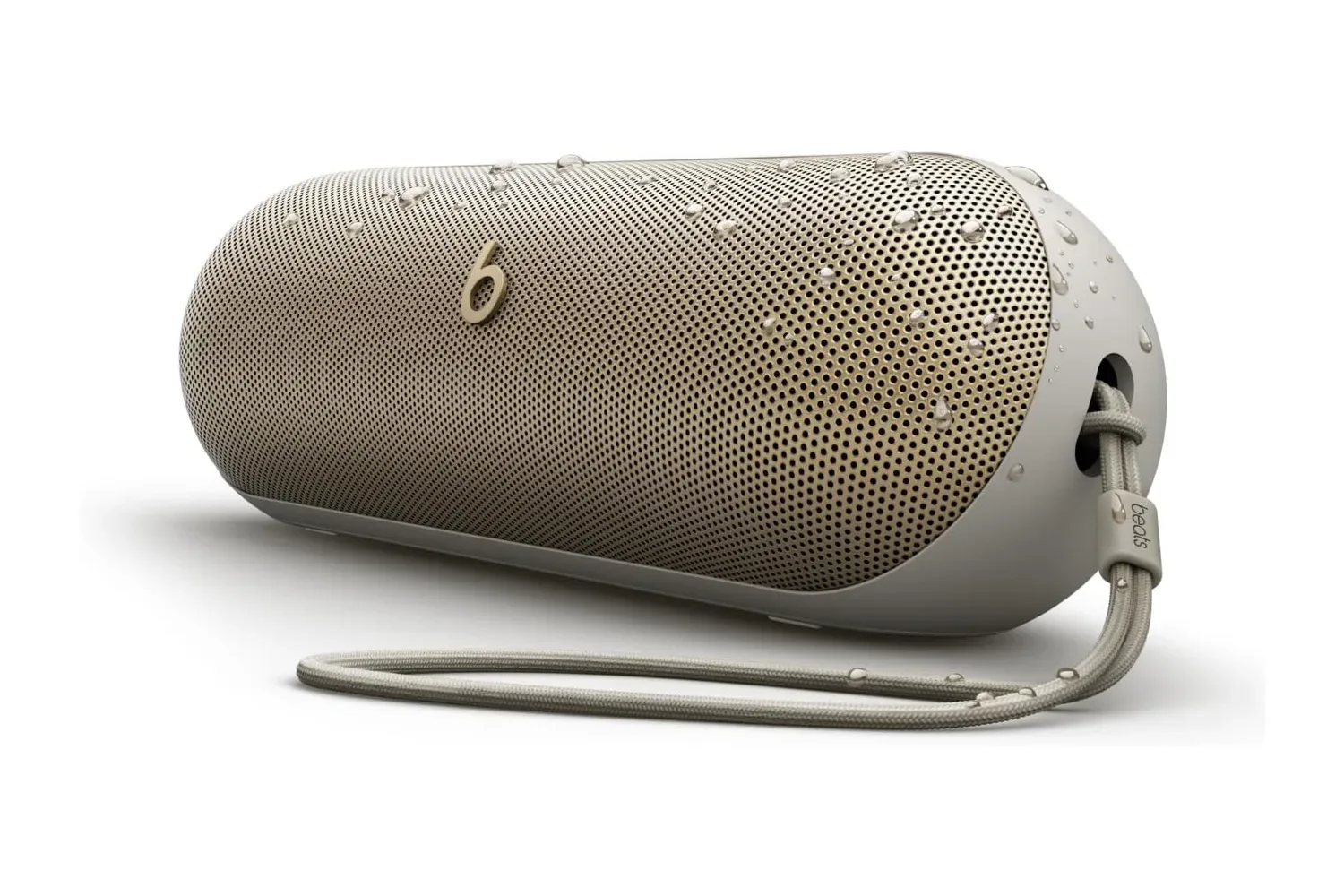
The Beats Pill portable Bluetooth speaker is listed for $100, a $50 reduction from its stated $150 usual price. That is a 33% discount for a compact speaker whose appeal goes beyond simply piping a playlist into a room: it combines a claimed 24-hour battery life, IP67-rated protection against dust and water, USB-C charging and wired audio, plus the ability to share some of its charge with a phone.
For players putting together a travel setup, heading to a gathering, or wanting one speaker that can move between a desk and the outdoors, that combination is the important part of the offer. A low price is only useful if the product suits the job, and the Beats Pill’s listed feature set is aimed at portability and convenience rather than a stationary, mains-powered audio setup.
A speaker designed to leave the desk
Beats lists up to 24 hours of playback on one charge. “Up to” matters: it is a maximum claim rather than a guarantee for every listening condition. Still, the headline figure indicates that the Pill is intended for a full day away from a wall outlet, whether it is handling music between gaming sessions, background audio at a campsite, or a poolside playlist.
Its approximate 1.5-pound weight and detachable lanyard reinforce that use case. The lanyard offers a straightforward way to carry the unit or suspend it from a hook, while the speaker’s portable form makes it more practical to relocate than a larger home speaker.
The ruggedness claim has a specific rating behind it. IP67 is an ingress-protection classification: the first digit, 6, indicates protection from dust; the second digit, 7, indicates protection against temporary immersion in water. In practical terms, that makes the Pill a more sensible candidate for sand, dust, beach trips, pool areas and campsites than a speaker without a comparable rating. It does not change the basic advice to take care around electronics, but it provides meaningful reassurance when the setting is not a clean living room.
What the audio hardware is intended to improve
The current Pill uses a custom racetrack woofer alongside a dedicated tweeter. A woofer handles lower-frequency sound, including bass, while a tweeter is devoted to higher frequencies. Separating those responsibilities can help prevent vocals and brighter elements from getting buried when bass is prominent.
The racetrack shape is not just visual branding. Beats says the redesigned woofer moves roughly 20% more air than the previous design. Air movement is central to how a speaker produces sound: the driver moves back and forth, creating pressure changes that our ears interpret as audio. More movement can support stronger low-end output, and the stated design goal here is fuller bass with less distortion at higher volume.
That should be read as a description of the design rather than a promise that every track will sound identical. Music mixes, volume levels and the space around the speaker all influence the result. But the hardware arrangement is clear: the woofer is focused on presence and bass, while the tweeter is there to retain clarity in voices and high-pitched effects.
USB-C does more than recharge the Pill
USB-C is particularly useful on this model because the port has three roles. First, it recharges the speaker. Second, the Pill can act as a power bank, meaning it can send stored power to a connected phone. That could be valuable when a phone is doing double duty for music, maps, messages and camera use away from a charger.
Third, a direct USB-C connection can carry lossless audio. Bluetooth sends audio wirelessly, but the supplied information notes that a USB-C cable bypasses Bluetooth compression. “Lossless” here refers to a connection intended to preserve the audio signal without that Bluetooth compression step. For someone sitting close to the speaker with a compatible wired setup, this gives the Pill an alternative to wireless playback.
The trade-off is uncomplicated: wired listening means a cable links the phone and speaker, while Bluetooth prioritizes freedom of movement. The useful point is that the choice exists. Users can go wireless for convenience or connect over USB-C when a direct audio path is preferred.
Phone pairing, tracking and calls
The Pill supports one-touch pairing with both iPhone and Android devices. Android users can use the Beats app for quick setup, firmware updates and checking the remaining battery level. On iOS, the relevant controls are available in Bluetooth settings, removing the need for a separate app before playback begins.
Firmware is the software installed on a device such as a speaker. Firmware updates can maintain or alter device behavior, so having a supported route to receive them is a practical part of long-term ownership, even if it is not as exciting as battery life or bass.
There is also a locating option if the speaker goes missing. Apple users can use Find My, while Android users can use Find My Device. Those platform-specific tools will be relevant to households where a portable speaker gets passed around, taken outdoors or put away in the sort of “safe place” that is immediately forgotten.
A built-in microphone lets the Pill operate as a speakerphone for hands-free calls. Meanwhile, Class 1 Bluetooth is specified for longer-range connections and a stronger signal. Range will still depend on obstacles and the environment, but that classification speaks to the speaker’s portability-first design. A device that can travel around a campsite or gathering needs a stable connection as much as it needs a sizeable battery.
Two-speaker options: louder coverage or stereo separation
One Pill can be used on its own, but two units can be paired in either Amplify or Stereo mode. Amplify mode is the straightforward option for spreading more volume over a broader area. It is useful when the aim is coverage rather than precision: a larger room, an outdoor table, or a group listening setup.
Stereo mode assigns left and right channels to separate speakers. Stereo separation is the sense that sounds are placed across a left-to-right field rather than all arriving from one physical point. It can make music and compatible game audio feel more spacious, provided the two speakers can be positioned apart from each other.
The distinction is worth considering before buying a second unit. Amplify mode emphasizes more sound in more places; Stereo mode emphasizes distinct channel placement. Neither changes the fact that the pair remains a portable Bluetooth speaker setup, but each serves a different listening goal.
Who this deal best suits
At $100, the Pill makes the most sense for someone who values a flexible speaker with outdoor protection and phone-friendly extras. The IP67 rating, lanyard, 24-hour claimed battery and power-bank capability point toward trips and shared spaces. USB-C wired lossless audio gives it an additional role for listeners who do not want to rely entirely on Bluetooth.
Color options include Matte Black, Statement Red and Champagne Gold. That is a small consideration next to functionality, but it gives buyers a choice without changing the listed feature set.
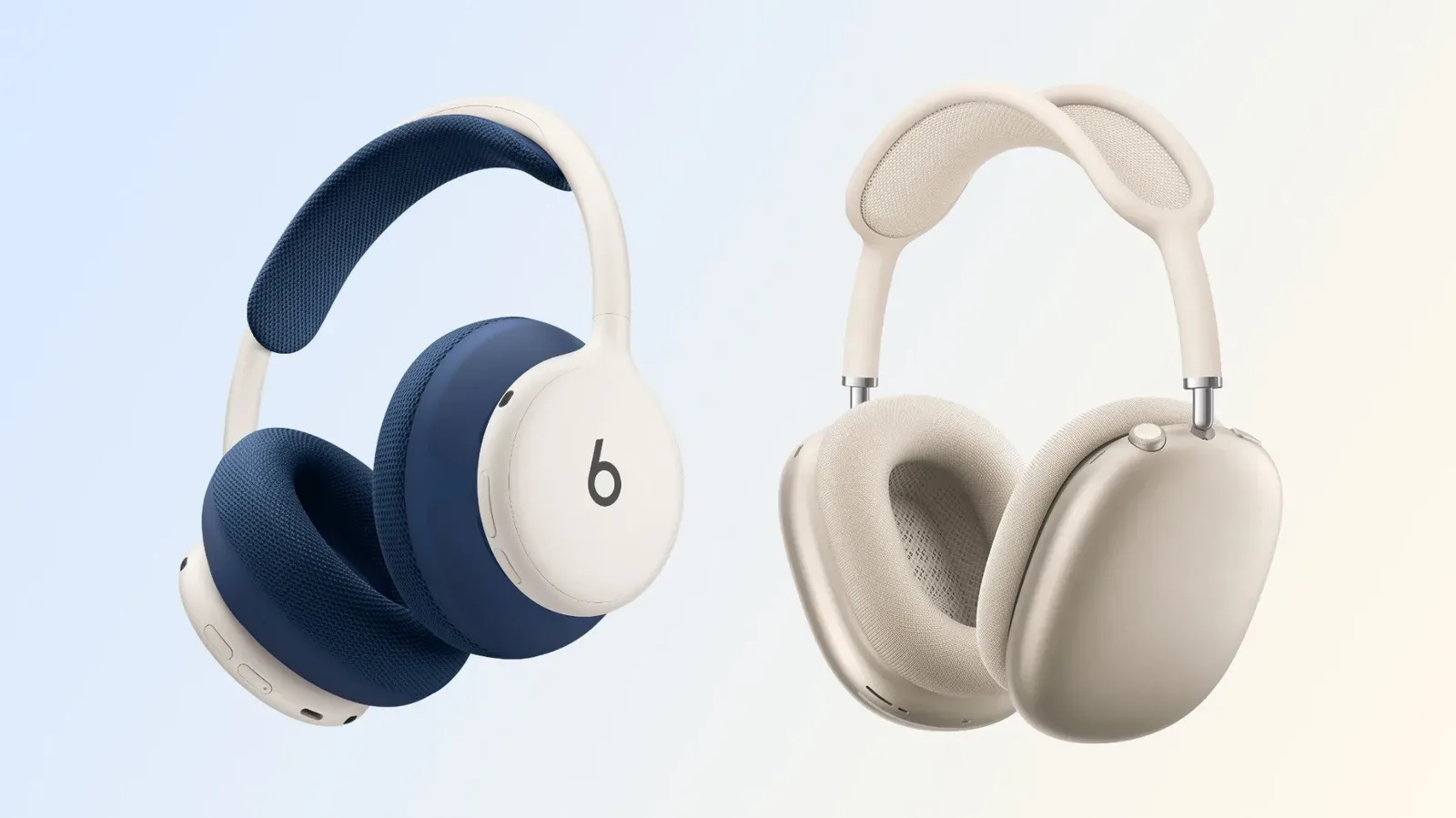
Anyone comparing audio gear across Apple-adjacent brands may also want to consider how headphones and speakers solve different needs. Our look at Beats 360 and AirPods Max 2 focuses on over-ear listening, while the Pill is built around portable, shared audio.
The discounted listing is $100 rather than the usual $150, but prospective buyers should verify the price, color availability and current terms before checking out. The features most likely to matter in daily use are already clear: battery longevity, environmental protection, dual-purpose USB-C connectivity and the option to expand into a two-speaker arrangement.
Shop the products
Check current price, model and availability at the retailer.