Battlefield 6’s newest battle pass cosmetics are receiving the kind of close inspection usually reserved for a blurry frame in a trailer: players have spotted a misspelled patch, a soldier carrying an extraordinary five pistols across their vest, and a heavily armoured bomb-disposal look that leaves the wearer’s head exposed.
The oddities have led some players to speculate that generative AI may have been involved in the skins’ creation, at least at the concept stage. That remains speculation, not an established fact. The visible issues could also be ordinary human design, approval or production mistakes. No explanation from EA or DICE is included in the available information.
What is clear is that cosmetic errors can carry more weight than their size suggests. These are not background props that flash by unnoticed. Battle pass character skins are products presented to players as part of an ongoing game, and their details are being measured against both Battlefield’s military visual language and prior developer messaging about avoiding overly goofy, immersion-breaking cosmetics.
The details players are picking apart
One widely discussed outfit appears to give a soldier a dark, Batman-like mask without the character’s distinctive ears. Its more notable feature is the tactical vest: five pistols are attached across the chest pockets.
Players quickly turned that arrangement into a joke about carrying secondary, tertiary, quaternary and quinary sidearms rather than reloading. Behind the gag is a straightforward visual-design complaint. A tactical outfit is expected to suggest a coherent purpose, even in an arcade-leaning multiplayer shooter. Five similarly placed pistols read less like deliberate kit and more like an unchecked or poorly considered detail.
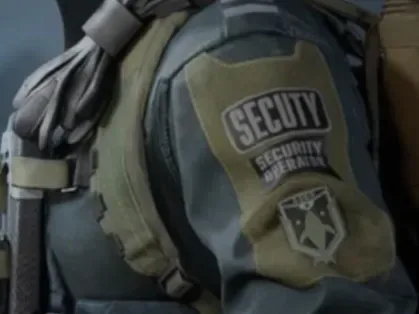
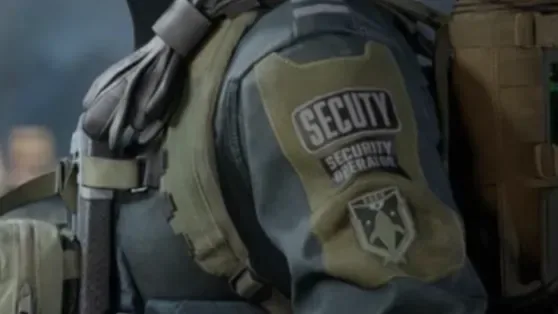
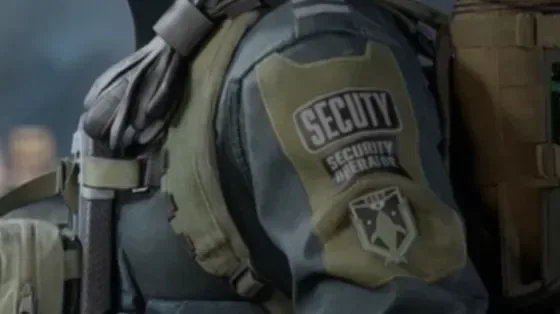
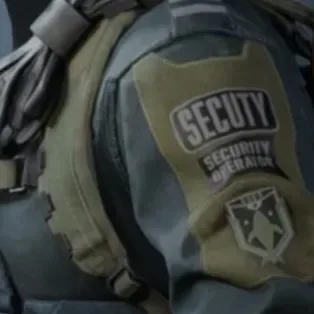
Another skin has a patch reading “secuty”, apparently intended to say “security.” Typos on fictional uniforms are especially conspicuous because they are simple, highly legible elements. Players do not need specialist knowledge of military gear to recognise them, and once noticed, the error can make every surrounding detail look less trustworthy.
The third frequently cited example is a bomb-disposal-themed character with substantial body armour but an unprotected head. Players have also pointed to the magazines carried by the character, saying they appear suited to small-game hunting rifles that are not present in Battlefield 6.
None of those examples alone demonstrates how the art was produced. Together, however, they have created an impression of cosmetics that may not have received the degree of reference checking, continuity review or final polish that players expect.
Related coverage includes Battlefield 6 Battle Pass Skins Draw AI Claims Over Typos, Extra Pistols, and Odd Gear.
Why generative-AI claims are not the same as evidence
Generative AI refers here to systems that produce new text or images from patterns in training data and user prompts. In game-art discussions, the term can cover a range of possible uses: early mood boards, concept exploration, texture generation, reference material, or assets that make it much further into production.
That distinction matters. A typo, impractical gear placement or a strange assortment of accessories is not proof that generative AI created a final in-game cosmetic. Human-made work can contain spelling mistakes and visual contradictions. Likewise, an AI-assisted concept could theoretically be revised substantially by artists before implementation.
Still, certain errors have become associated in players’ minds with poorly supervised AI imagery: text that nearly forms a correct word but does not, equipment that resembles a real item without functioning logically, and compositions that look convincing at a glance yet become incoherent under scrutiny. The “secuty” patch and the weapon-and-magazine concerns fit that broader pattern closely enough to prompt suspicion.
The more useful question is therefore not whether internet sleuthing can conclusively identify a production tool from a screenshot. It cannot, based on these details alone. The practical question is whether the finished paid or reward-linked cosmetic meets an appropriate quality threshold. If a player immediately sees a typo or gear that makes no sense in the game’s own context, the production method does not erase the visible problem.
A quality-control problem, regardless of origin
Cosmetic production involves more than modelling a character. A finished skin may include clothing, patches, accessories, weapons, textures and thematic references. Each component needs to work with the others, and text elements in particular need a basic proofreading pass. For military-inspired designs, reference checks can also help ensure that pouches, armour and magazines communicate something intentional.
Players are not necessarily asking every Battlefield cosmetic to be a perfectly authentic simulation of real-world equipment. Games regularly stylise gear for readability, character identity and gameplay. The frustration comes when the stylisation does not seem purposeful. An exposed head under extensive bomb-disposal armour, for example, creates a visual contradiction: the design evokes protection while conspicuously omitting protection from one of the most vulnerable areas.
Likewise, a cluster of five pistols may be funny on purpose in another game with a knowingly absurd tone. In a series that uses a contemporary military setting as much of its visual foundation, it is likely to invite questions about why it was approved. The same is true of magazines that players say do not correspond to weapons available in the game. Whether or not the exact real-world comparison is decisive, mismatched equipment damages the impression that the skin belongs in Battlefield 6.
This is why the response has moved beyond a single misspelling. Players are reading the errors collectively as signs of a process issue: insufficient review, inconsistent art direction, or a rush to populate battle pass rewards.
The immersion argument has returned
The complaint is also tied to a larger disagreement about what Battlefield cosmetics should look like. Before launch, DICE developers had said Battlefield 6 would not include goofy cosmetics that break immersion. Players now arguing that the new skins are too strange believe the battle pass conflicts with that position.
“Immersion” does not mean every item must be a literal reproduction of real equipment. In this context, it means the cosmetic should feel compatible with the game’s established world and tone. A player can accept some stylisation while still expecting uniforms, masks and equipment to appear plausibly connected to the role they imply.
That boundary is subjective, which is why cosmetic debates tend to become heated. One player may see a dramatic mask as harmless flair; another may see it as the point where a military shooter stops looking like itself. But misspelled text and apparently mismatched gear complicate the usual taste-based debate. They give critics concrete, inspectable details rather than only a general objection to a skin’s vibe.
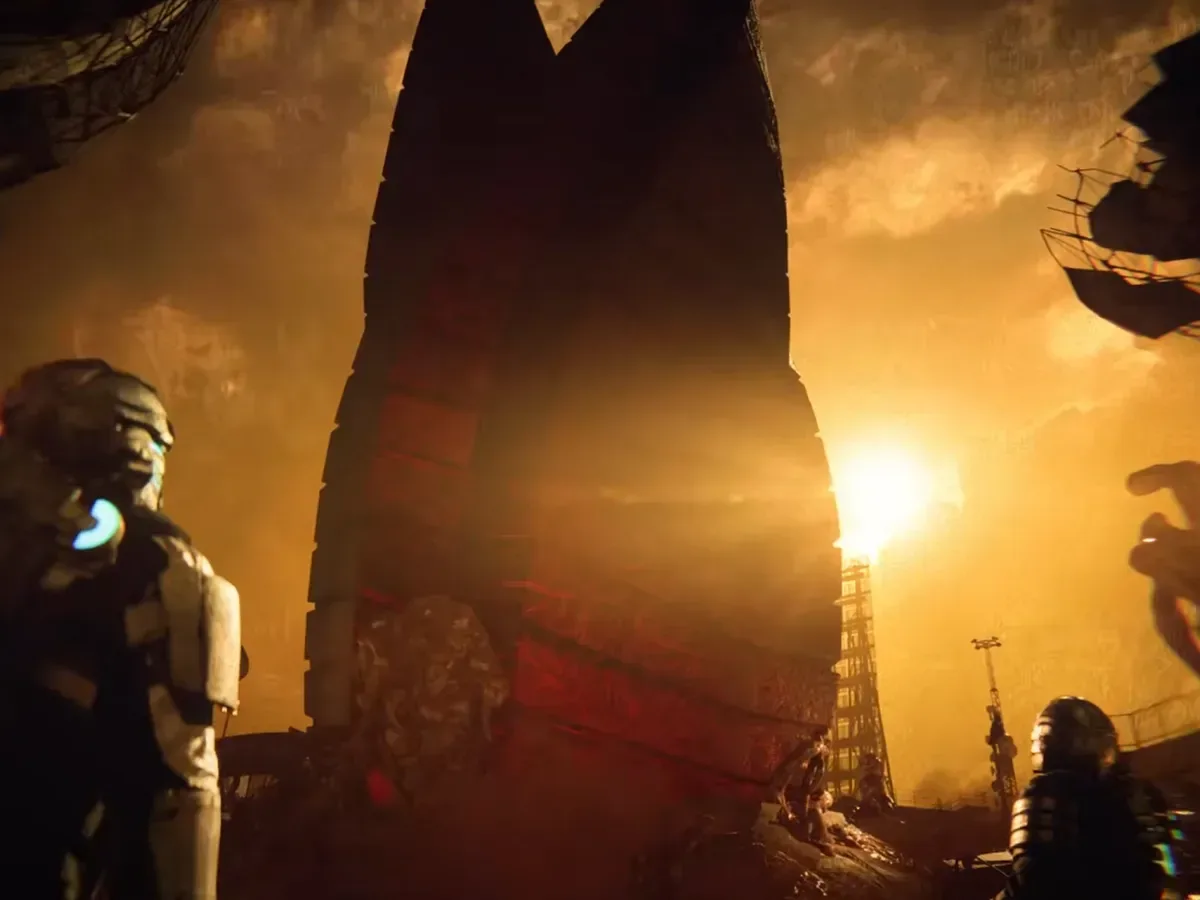
The battle pass also includes a reactive weapon skin and crossover cosmetics from other EA series, allowing players to dress in Dead Space-inspired gear ahead of a Battlefield 6 Dead Space event. Crossovers inherently test the same boundary. They can be a playful way to connect different games, but they also bring a separate franchise’s identity into a setting where some players were promised a more grounded approach.
What players should take from the dispute
For players considering battle pass cosmetics, the immediate lesson is to inspect the actual outfits rather than relying on their broad theme or promotional thumbnail. Cosmetic value is personal, and the concerns raised here are visual rather than gameplay-related. The supplied information does not establish that these skins alter weapons, player performance or match balance.
For the developers and publisher, the reaction illustrates the cost of small presentation errors at a time when players are intensely alert to generative-AI use. A single typo is normally fixable. But when it arrives alongside questionable loadout details and a debate over immersion, it becomes evidence in a broader argument about standards.
It also shows why transparent communication can be valuable. There is no confirmed evidence here that generative AI was used for these skins, and it would be unfair to present fan suspicion as fact. At the same time, players are entitled to ask how visible errors passed into a live battle pass, especially where cosmetics may cost money to access or obtain.
Battlefield 6 does not need to settle every disagreement about visual realism. It does need its cosmetic designs to look intentional. Correctly spelled patches, coherent equipment and a clear understanding of the game’s intended tone are modest expectations—and a much sturdier defence against AI accusations than leaving players to fill in the gaps.
For more on the wider conversation around game development tools and player expectations, see Facepunch’s player-first reset plans for s&box.