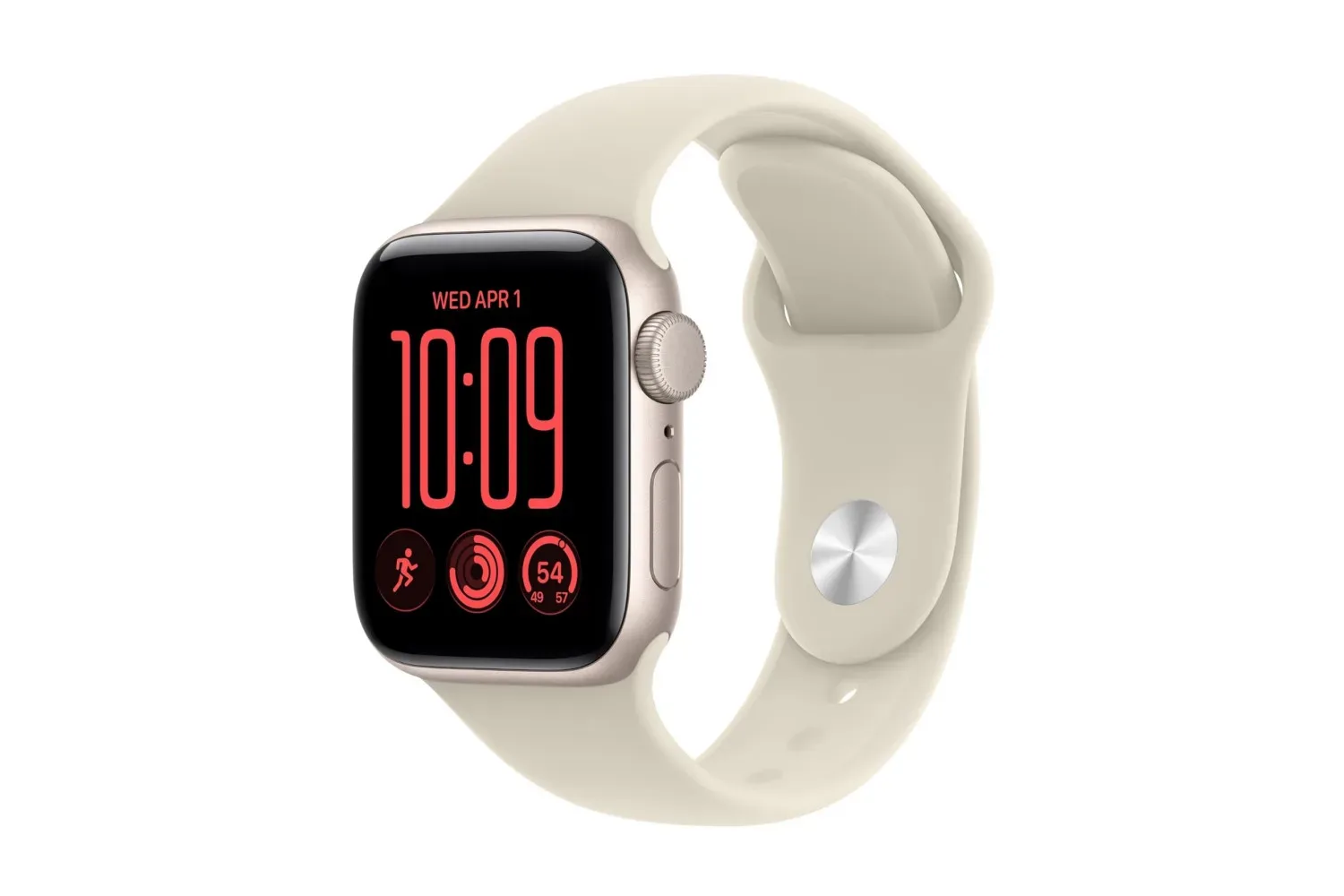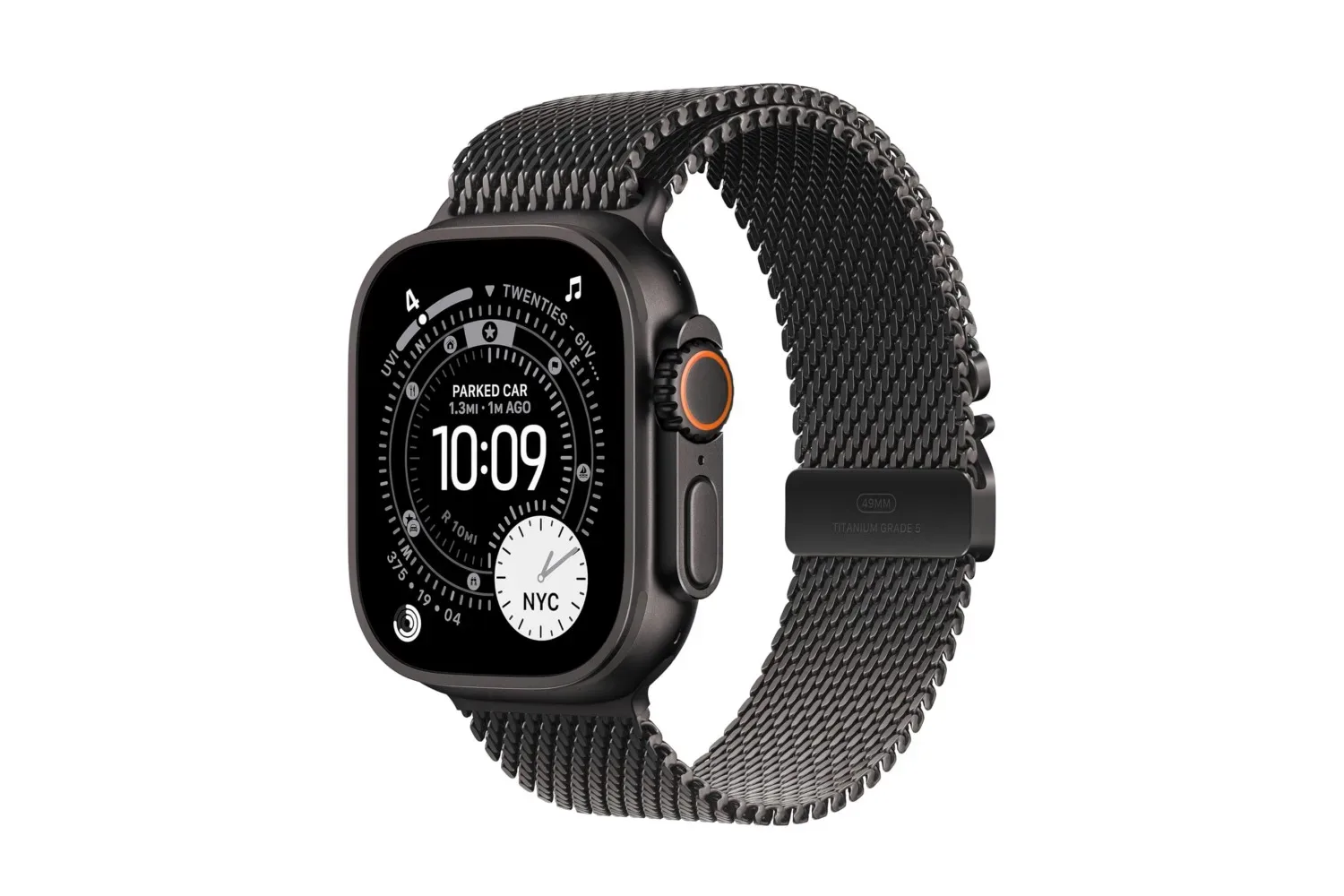
Amazon is listing the Apple Watch Ultra 3 for $700 for Prime members, a reduction of $199 from its stated $899 price. The same listing is reported to be $749 for shoppers without Prime, a $150 reduction. That makes the membership-only price the sharper offer, although $700 remains a premium purchase rather than an impulse accessory.
The Apple Watch Ultra 3 is positioned here as a rugged, training-focused smartwatch: one intended for workout tracking, outdoor activity and safety tools as much as everyday notifications. Its titanium case, sapphire crystal display, 100-meter water-resistance rating, dual-frequency GPS, heart-rate features and extended battery claims are the central considerations for anyone weighing the current listing.
Buyers should also treat the price as time-sensitive rather than permanent. The listing is described as a limited offer and could change. Before placing an order, it is sensible to confirm the final price displayed for the chosen configuration, whether Prime eligibility is applied, and the terms attached to any bundled trials.
The numbers: $700 with Prime, $749 without it
The important distinction is straightforward. Prime members are being offered the Apple Watch Ultra 3 at $700, described as 22% off the $899 price. Shoppers without Prime can reportedly access a $749 price, or 17% off.
That creates a $49 gap between the two current prices. Whether that difference makes a membership worthwhile depends on the individual buyer’s existing subscription status and how they value the rest of Prime; the watch discount alone is not automatically a reason to add another recurring service. For an existing member who already intended to purchase the device, though, the $700 listing is the relevant comparison point.
There is also a practical framing issue with percentage-off language. A 22% reduction sounds substantial because it is substantial in dollar terms, but the remaining outlay is still $700. The better question is not simply whether the discount is large; it is whether the buyer needs the Ultra line’s durability, location tracking, workout tools and battery profile rather than a less expensive smartwatch.
What the hardware is meant to handle
The supplied product details describe a titanium case paired with a sapphire crystal display. Titanium is used in the watch’s exterior construction, while sapphire crystal refers to the protective material over the display. Together, those choices are presented as a durability-oriented combination for wear that may involve knocks, sweat, water and frequent outdoor use.
The watch is also rated water-resistant to 100 meters. That specification is particularly relevant to swimmers who want workout tracking in water, though it should not be casually translated into a promise that every imaginable aquatic activity is covered. A water-resistance rating is a device specification, not a substitute for checking the manufacturer’s guidance for a specific use case.
For someone whose watch mostly lives beside a keyboard, those construction choices may be more reassurance than necessity. For a person regularly running, hiking, swimming or training outdoors, a more rugged build can be a meaningful part of the purchase decision. The value comes from matching the device to the environment, not from buying the most heavily built option by default.
Dual-frequency GPS and why it matters
The Apple Watch Ultra 3 includes dual-frequency GPS, which is intended to provide more precise location tracking. GPS is the satellite-based positioning system a wearable can use to map routes and measure movement during activities. “Dual-frequency” means the watch can use two GPS signal frequencies rather than relying on one alone, a technical approach aimed at improving positional accuracy.
In practical terms, route quality matters most when an activity is measured by distance, pace, elevation context or where it happened. A runner reviewing a route, a cyclist tracking a ride, or an outdoor athlete returning to a trail all have clearer reasons to care than someone who only wants basic step counting.
Accuracy is not an abstract bragging right in those scenarios. If the location record is more dependable, the associated workout data has a better foundation. That said, a buyer should view GPS as one component in a wider training system. A smartwatch can record data, but it does not by itself determine a fitness plan, recovery needs or the quality of an athlete’s decision-making.
Workout tools: zones, custom sessions and encouragement
The watch’s Heart Rate Zones feature divides activity into different ranges so users can see how their heart activity changes across exercise. A heart-rate zone is simply a band of measured heart-rate intensity. Breaking a session into zones can give a user a more structured look at effort than a single average number at the end of a workout.
The device also supports Custom Workouts, allowing users to build sessions around their personal fitness level and goals. This is useful for athletes who prefer a planned interval, duration or intensity structure rather than starting a generic activity recording and improvising from there.
Workout Buddy is described as a motivational feature designed to encourage users during a session. Its appeal will be personal. Some people may find live encouragement helpful when maintaining effort becomes difficult; others may prefer to review metrics quietly. The key point is that it is presented as support for the exercise experience, not as a replacement for professional coaching or medical guidance.
For game players and desk-based workers trying to add movement around long sessions, these features may be most useful when approached modestly. Tracking a walk, a swim or a basic scheduled workout can be more actionable than collecting a large volume of metrics without a routine attached. The strongest purchase case is for someone who expects to use the measurements repeatedly, not merely admire the feature list.
Safety functions and battery claims
Beyond exercise, the Apple Watch Ultra 3 is described as able to detect a hard fall or a severe car crash and automatically connect the wearer to emergency services. These are safety-oriented features intended to help summon assistance in serious situations. They should be understood as a potential layer of support, not as a guarantee that emergency help will always be contacted in every circumstance.
Battery life is another major differentiator in the supplied details. The claimed runtime is about 42 hours of normal use, rising to as much as 72 hours in Low Power Mode. With GPS and heart-rate monitoring enabled, Low Power Mode is stated to support up to 20 hours.
Low Power Mode is a setting designed to extend battery life by limiting some power use. The quoted figures show why a prospective buyer should consider the type of use they expect. Everyday wear and an activity involving continuous GPS and heart-rate monitoring place different demands on a watch. Someone planning longer tracked outings should focus on the latter figure rather than assuming the maximum 72-hour claim applies to every scenario.
Battery claims are best used as planning information, not a promise of identical results for every owner. Features enabled, the length of GPS use and individual habits will all shape how often a wearer needs to charge. Still, the stated 20-hour low-power figure with location and heart-rate features enabled provides a clearer reference point for fitness use than a broad maximum alone.
Trial offers deserve a terms check
The purchase may include up to four months of Apple Fitness+, Apple Arcade and Apple News+ at no extra charge. The word up to matters: eligibility, duration and redemption conditions may vary. Buyers should read the offer terms before treating any of the trials as part of the deal’s guaranteed value.
Fitness+ is the most directly connected add-on for a buyer considering the watch as a training tool. Apple Arcade may be appealing to people looking for a game subscription on Apple devices, while News+ is a separate news and magazine service. None of those services should be assigned a cash value unless the purchaser expects to use them and is comfortable with whatever happens after the promotional period ends.
That gaming connection is part of a broader Apple hardware conversation. For related context on Apple’s place in games, see this look at Apple’s hardware-led era through an Apple II gaming memory.
Who should consider the listing
- Existing Prime members who were already considering the Ultra 3: the $700 price is the clearest case for acting, provided the features align with their training and daily-use needs.
- Swimmers and outdoor exercisers: the 100-meter water-resistance rating, rugged materials and dual-frequency GPS are especially relevant to this group.
- People who want longer stated battery figures: the supplied claims point to more headroom than a device that needs charging every day, particularly under Low Power Mode.
- Metric-focused exercisers: Heart Rate Zones and Custom Workouts offer tools for people who will genuinely review and use workout data.
Conversely, a shopper who primarily wants basic notifications or occasional activity tracking should pause before treating the deal percentage as the whole story. At $700, this remains a specialized, high-end wearable. The listing is most compelling when its physical toughness, tracking tools, safety functions and battery claims solve actual needs rather than simply adding premium specifications.
For those shoppers, the immediate checklist is short: verify the current price, verify membership status, examine trial eligibility and decide whether the Ultra 3’s more demanding fitness and outdoor focus fits their routine. The reported $199 Prime-member reduction is meaningful, but it is valuable only if the watch itself is the right fit.
Shop the products
Check current price, model and availability at the retailer.