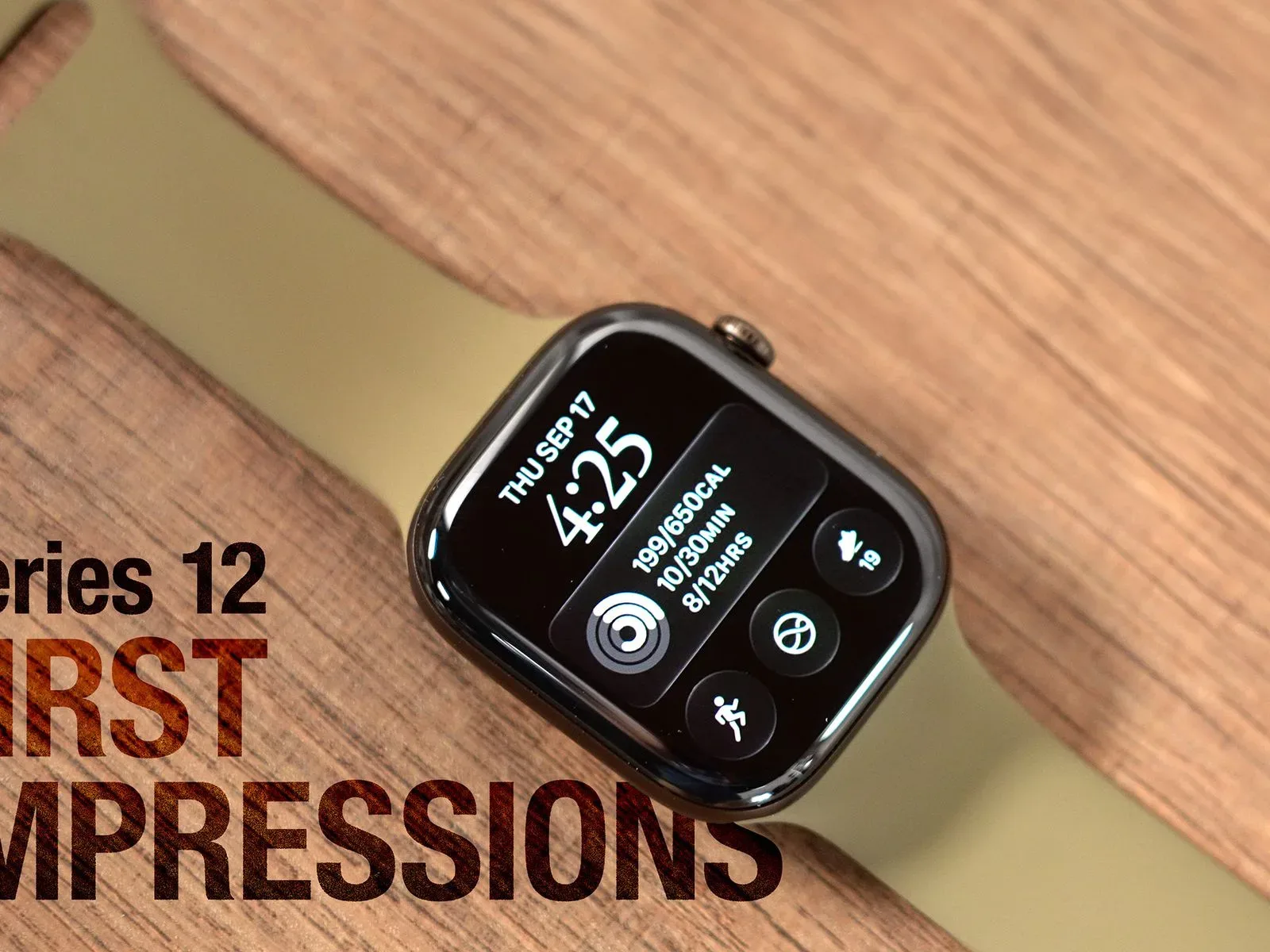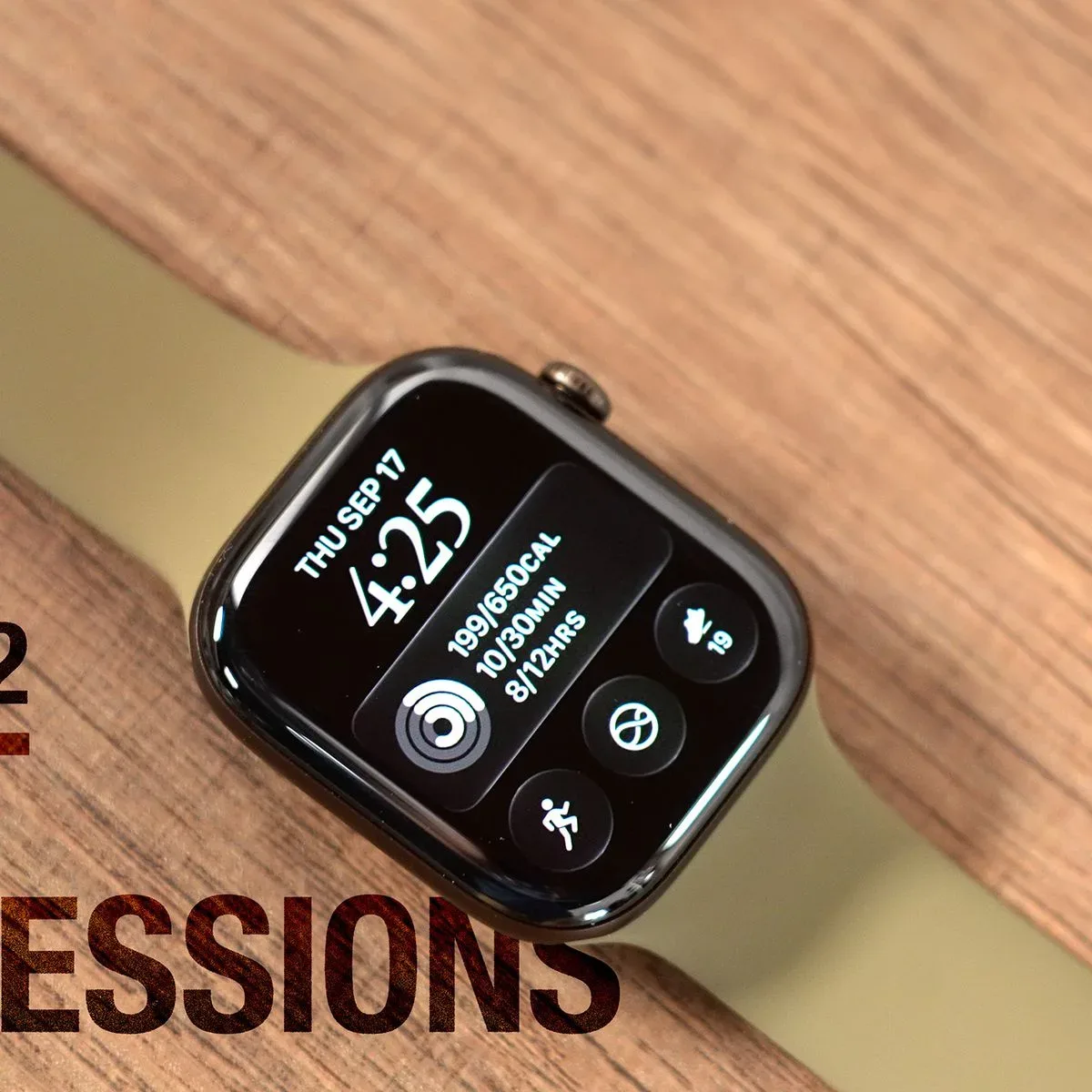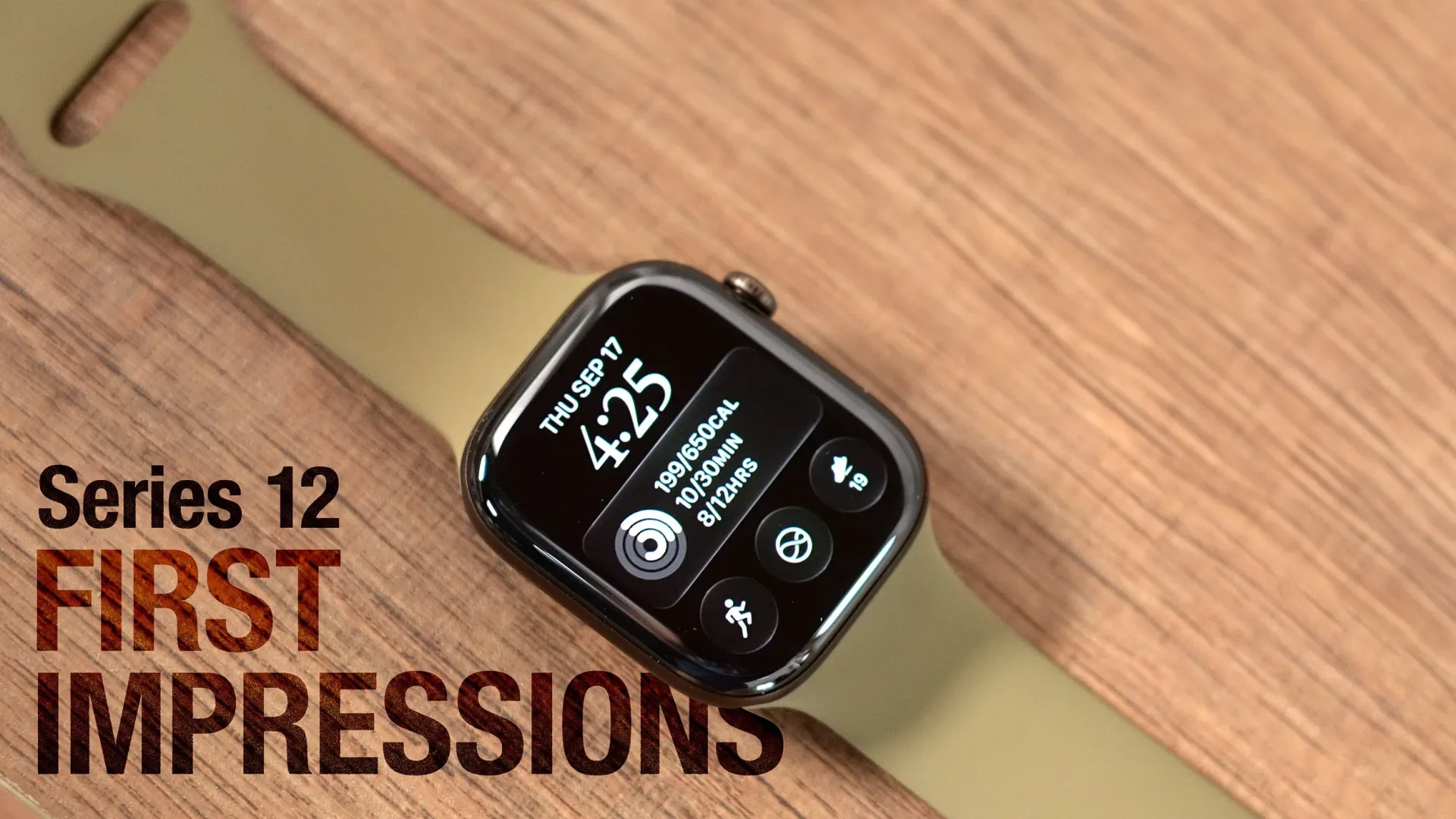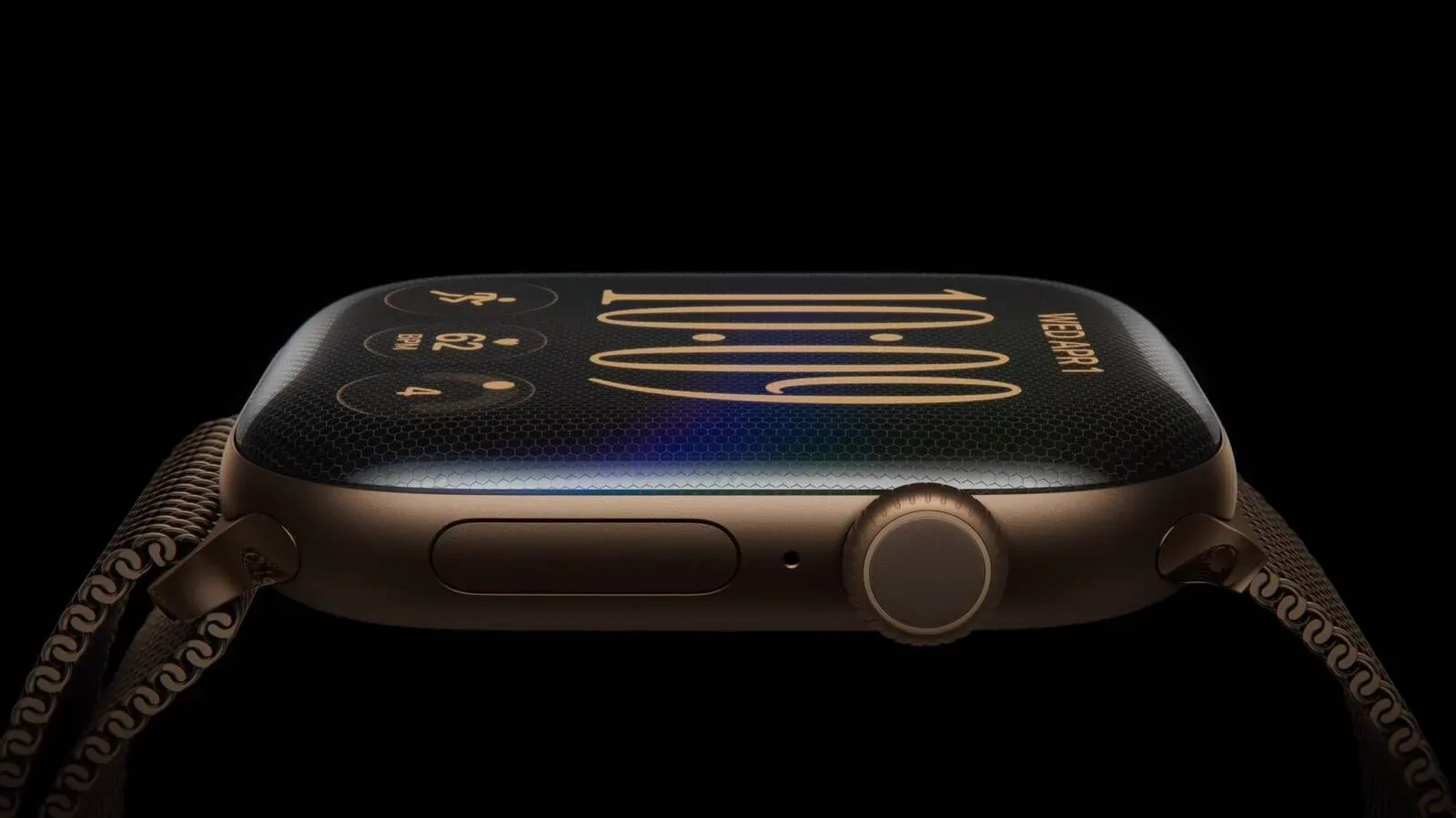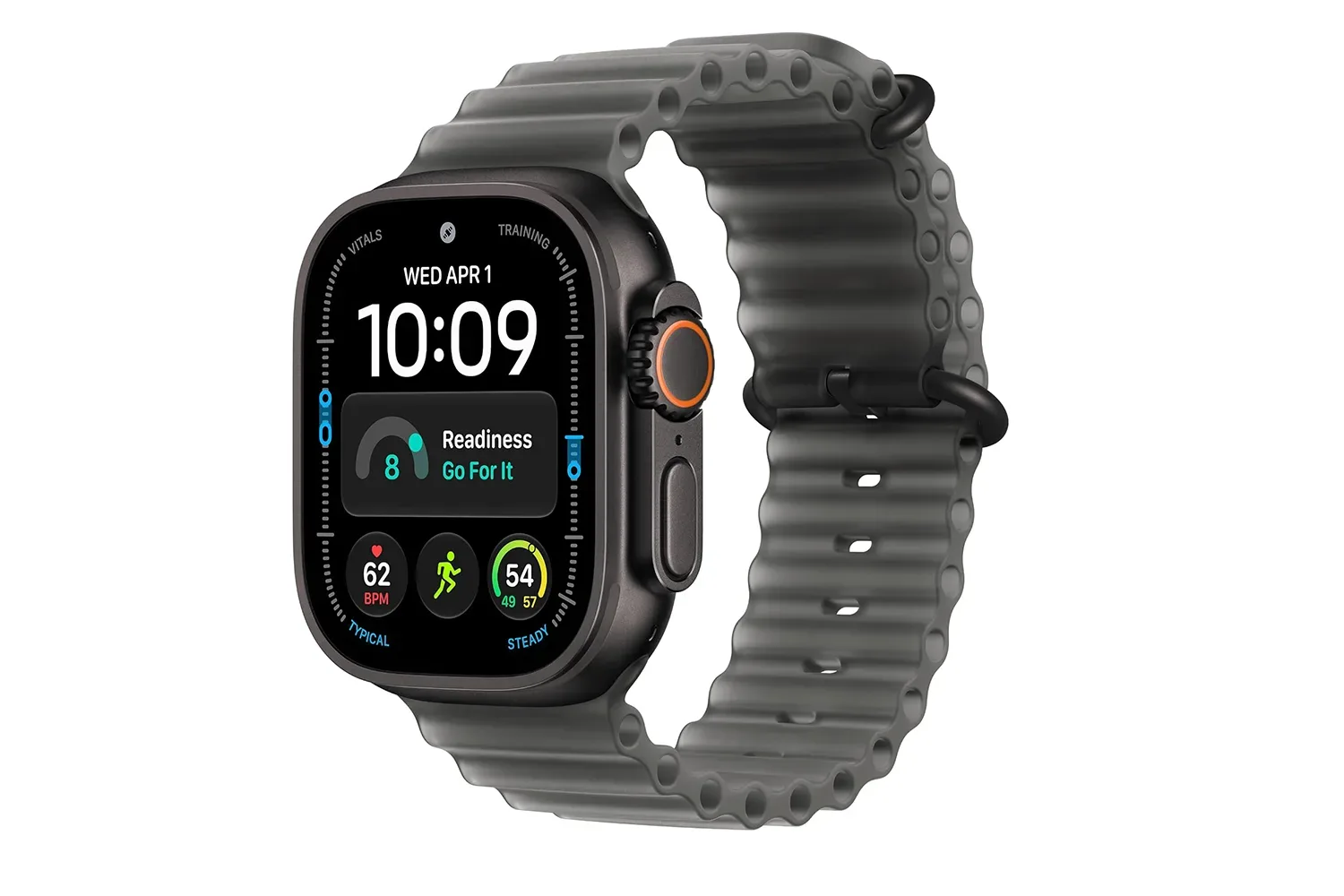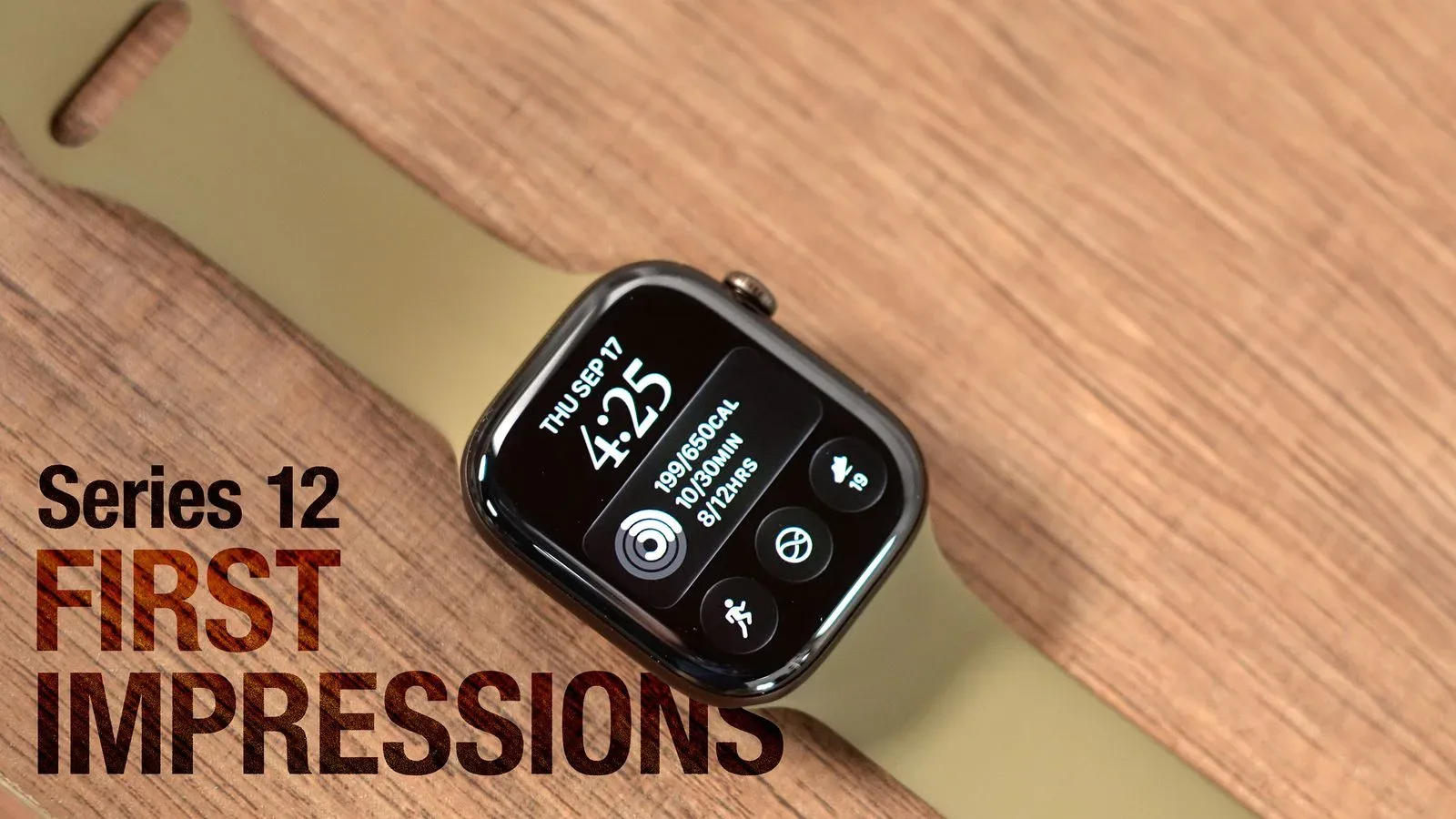
The Apple Watch Series 12 is now available, and its headline changes are largely hidden from view. Apple has retained the familiar external design, with 42mm and 46mm case options, while concentrating this generation’s changes on the rear sensor array, the new S11 chip and health-focused software.
That makes the Series 12 a deliberately practical update rather than a visual reset. Owners of an Apple Watch Series 11 may struggle to identify the newer model from the front, but Apple has revised the back of the watch and says its upgraded sensors make Series 12 its most accurate wearable for heart-rate sensing. The company’s claim is important, but it should still be read as a manufacturer statement rather than a substitute for medical advice or a diagnosis.
Pricing starts at $399. For shoppers deciding whether the update matters, the central question is less “does it look new?” than “will denser health data and better short-charge recovery make a difference to my daily routine?”
A Health Sensing System built around more frequent readings
At the center of Series 12 is Apple’s Health Sensing System, which combines new sensors with the S11 chip. The S11 is faster than the S10 chip in the prior-generation model, and its job here is not merely to make menus feel faster. It supports a more active pattern of gathering and processing health measurements.
The watch now takes heart-rate readings every five seconds and measures heart rate variability, or HRV, as frequently as every five minutes. Heart rate is the straightforward measurement of beats per minute. HRV is different: it refers to variation in the timing between beats. In the context of a wearable’s wellness tools, it is one of several signals used to build a broader picture of recent strain, recovery and rest. It is not a single universal verdict on whether someone is healthy, recovered or ready for intense exercise.
The faster sampling cadence is the meaningful hardware-and-software shift. More frequent readings can give the watch a more current stream of information to work with, particularly when paired with activity, sleep and other recorded vitals. It also explains why the Series 12’s biggest new user-facing health feature is not simply another isolated metric.
Readiness turns several signals into a daily training prompt
Series 12 uses the Health Sensing System to generate a readiness score. Apple positions the score as guidance for a familiar decision: whether a person may want to push harder with activity or consider a rest day. Its calculation draws on recent activity, vitals and sleep, and it can change as the day goes on.
That last detail matters. A readiness measure that updates during the day is not intended to be treated as a permanent morning grade. A poor night of sleep, demanding recent activity or changes in the watch’s recorded vitals may affect the signal; later information can also alter the picture. The practical value is in using it as one input when planning effort, not as an instruction that overrides how someone actually feels.
There is also a setup period. New Series 12 owners should not expect a score immediately: the watch requires about a week of data collection before readiness results begin appearing. That period is logically necessary for a feature based on a person’s recent patterns. It also means a purchase immediately before a race, a trip or a demanding training week will not produce instant personalized guidance from this tool.
For players and other screen-bound users, the feature is not limited to formal workouts in its basic implication. Recent activity, sleep and vitals can be useful context for anyone trying to keep a more sustainable schedule. Still, the supplied details do not establish exactly how each input is weighted or what individual score ranges mean, so buyers should avoid assuming more precision than has been described.
Higher-frequency sensing without an announced battery penalty
More measurements typically invite a battery-life concern. Based on early use, the higher sampling rate had not caused excessive battery drain, and Apple continues to rate the Series 12 for all-day battery life. “All-day” is a rating rather than a specific hour figure in the information available here, so prospective buyers should not translate it into a guaranteed duration for every workout, sleep schedule or notification load.
The more concrete change is charging. Apple says a 15-minute charge can provide up to 12 hours of normal use. That could be particularly useful for people who sleep with their watch and prefer short top-ups during the day rather than leaving it off for a long charging session.
There is a compatibility catch: the faster charging rate requires the charger included with Apple Watch Series 12. Older Apple Watch chargers will not deliver that faster rate. Anyone replacing an older model should therefore keep the new cable or charging accessory in their regular setup rather than assuming an existing bedside charger will provide the same result.
- What changes: heart-rate readings every five seconds, HRV measurements as often as every five minutes, readiness scoring and faster charging with the supplied charger.
- What remains familiar: the outward design and the 42mm and 46mm size choices.
- What needs patience: readiness scoring begins after roughly a week of collected Series 12 data.
- What needs the right accessory: the stated 15-minute-to-up-to-12-hours charging result depends on the charger that comes with the watch.
The S11’s other promised features are not here yet
The new S11 chip is also set to power Live Rewind and Siri Recap. Neither feature is available at launch; both are expected later in the year. That distinction is worth making when comparing models or setting up a new purchase. They are planned Series 12 capabilities, not functions a buyer can count on using immediately.
Apple has not provided further details here about how Live Rewind or Siri Recap will work, so it would be premature to infer their exact controls, purposes or limits from their names. The reliable takeaway is narrower: the faster chip has a role beyond health processing, but part of that software story remains unfinished at release.
That staggered rollout is a reminder that a wearable’s value is split between physical hardware and the software enabled by it. The revised sensors, tighter reading intervals and charging behavior are present now. Live Rewind and Siri Recap belong in a “wait for more detail” column until they arrive.
Who has the strongest reason to upgrade?
The Series 12 presents a restrained upgrade case for owners of recent watches. Someone using a Series 10 or Series 11 may not find the unchanged appearance alone compelling, and the available assessment suggests they may prefer to wait unless more frequent health sampling, readiness guidance or the improved quick-charge claim addresses a specific need.
The calculus is more favorable for people using anything older. They stand to gain the newer health-sensing platform alongside the S11 chip and charging improvements, rather than paying primarily for a subtle year-over-year refinement. This is not a declaration that every older Apple Watch must be replaced; condition, battery health and individual use still matter. It is simply the clearest audience for a generation whose changes are concentrated in the foundations.
It also fits a wider consumer-tech pattern: the most important upgrades are increasingly the ones that do not announce themselves from across a room. Elsewhere in the hardware world, questions around sensors, AI features and ecosystem support are becoming central; our look at the ecosystem questions surrounding upcoming mixed-reality hardware illustrates why specifications alone do not settle the long-term value of a connected device.
With Apple Watch Series 12, the immediate proposition is clearer. At $399 and up, buyers receive a watch that looks close to its predecessor but records heart rate more often, checks HRV more frequently, develops a personalized readiness score over time and can recover a claimed up-to-12 hours of normal use from a short charge when paired with its included charger. Whether that is a major leap depends on which Apple Watch is already on a buyer’s wrist—and how useful a steadier flow of health context will actually be in everyday life.