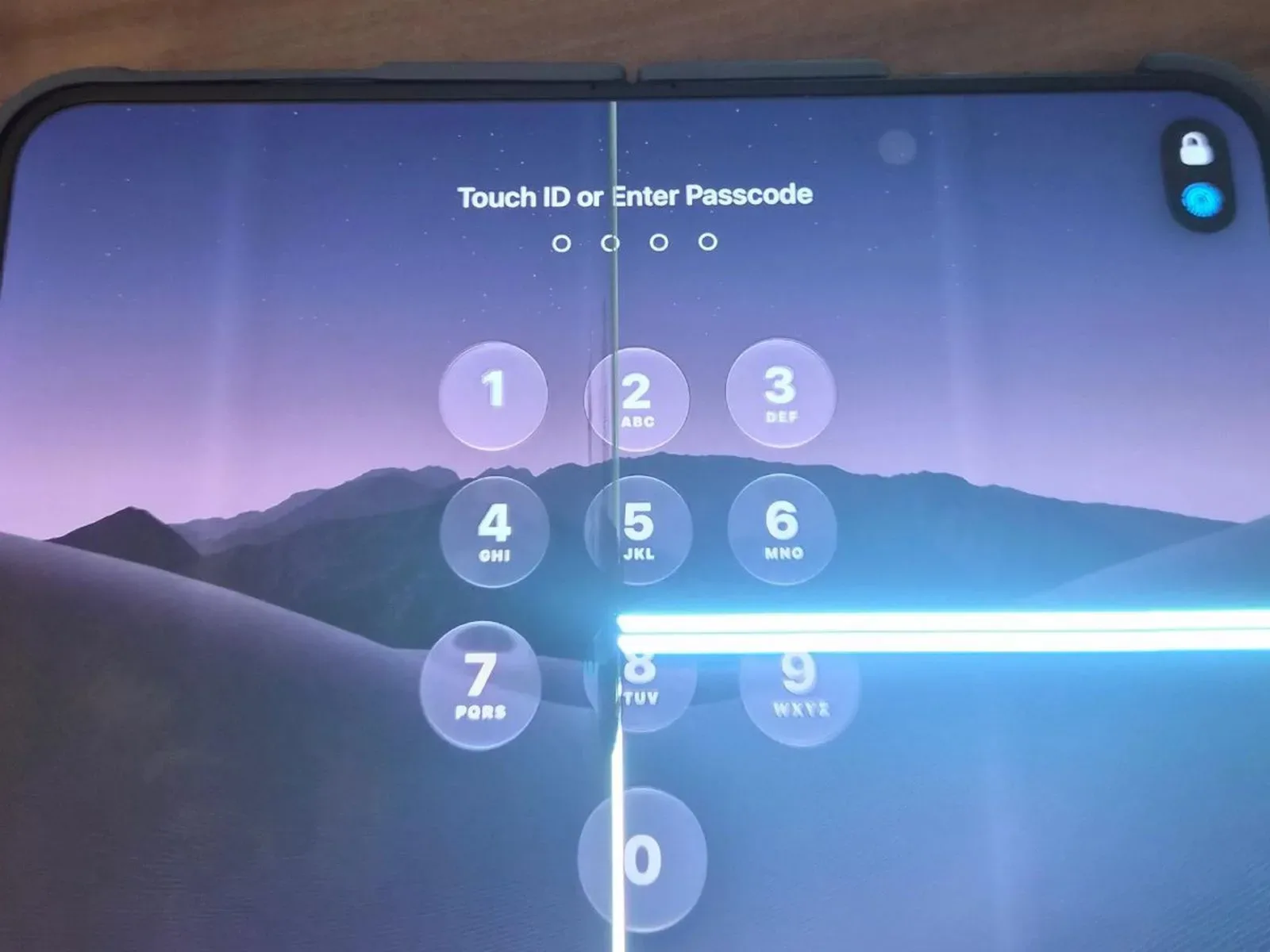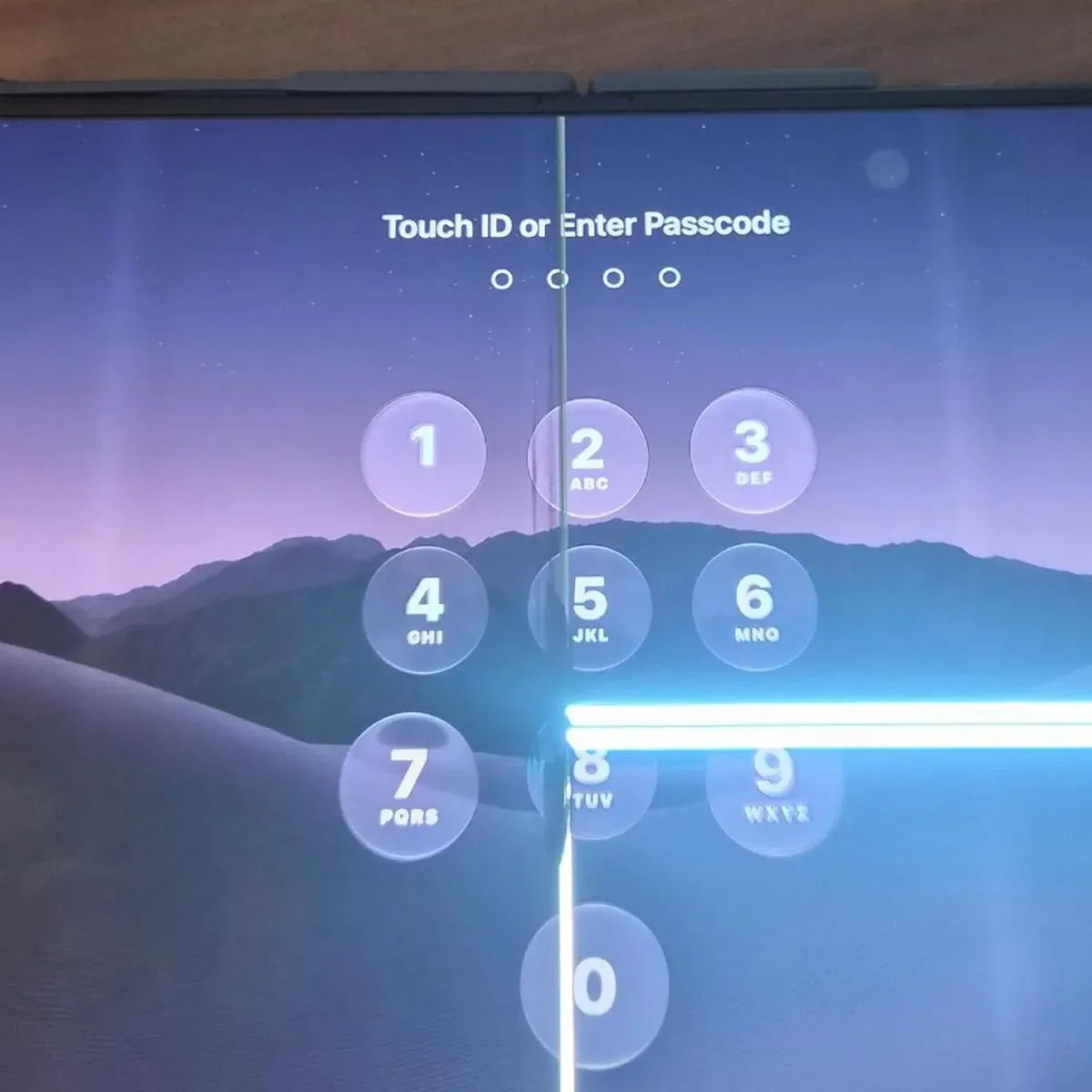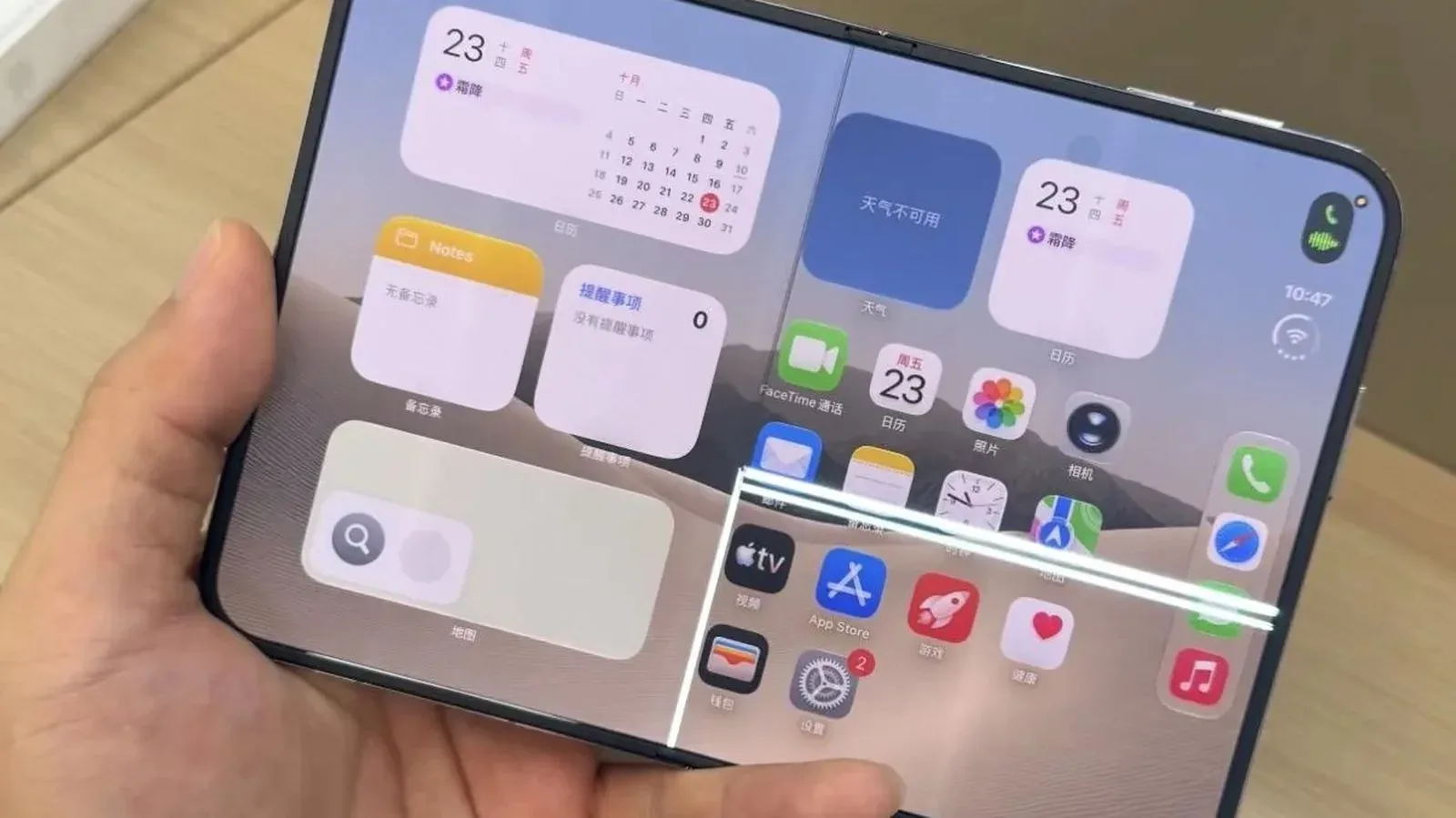
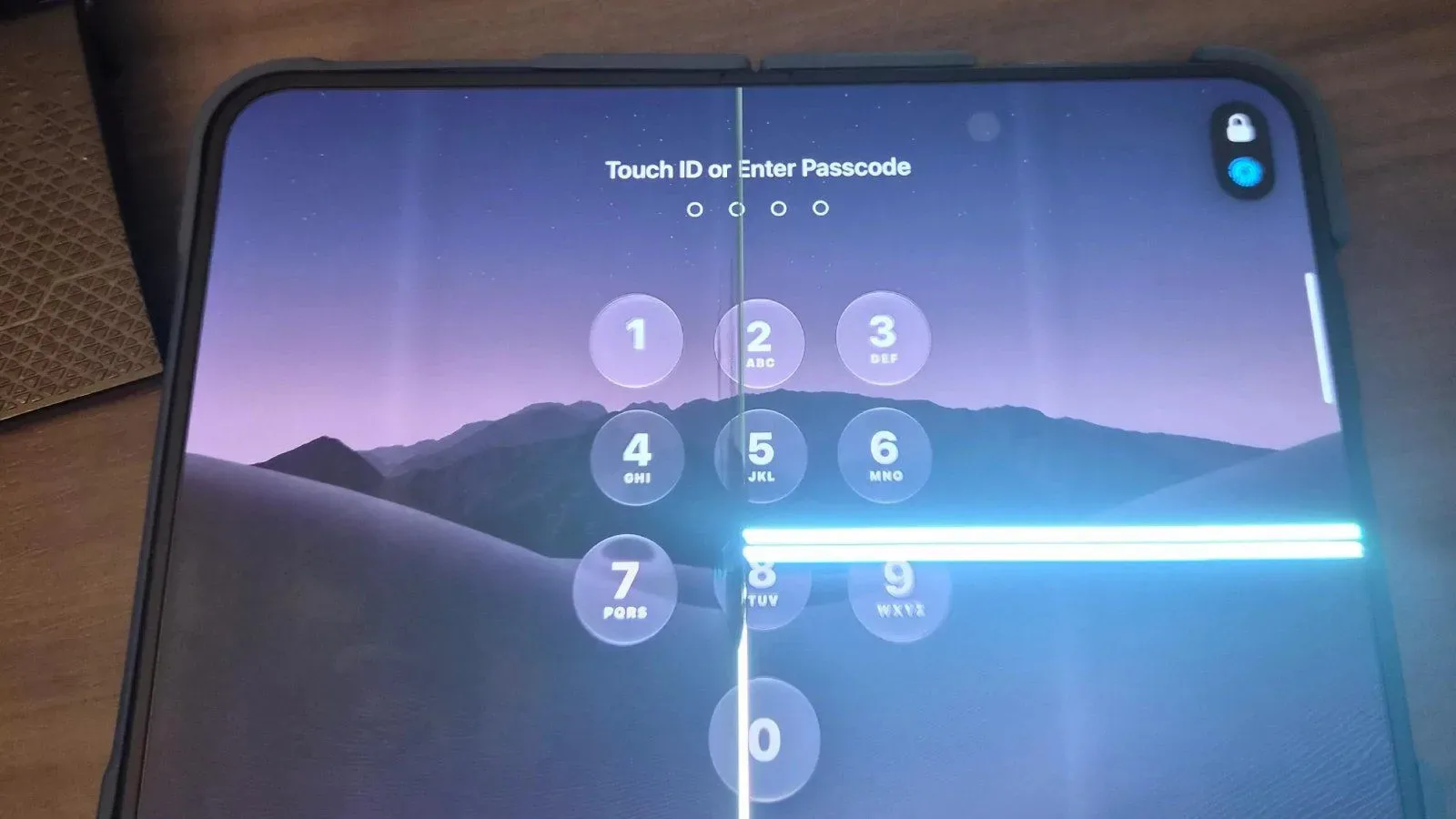
Apple appears to be changing how it handles the reported inner-display cracking issue on the iPhone Duo. Customers whose device previously might have received a complete replacement may now be offered a repair instead, as Apple Stores and Apple Authorized Service Providers can order parts for the handset.
The important distinction is simple: a whole-unit replacement exchanges the customer’s phone for another device, while a repair keeps the original phone and replaces the affected components. For iPhone Duo owners, that change is particularly notable because the problem concerns the inner display—the larger screen and one of the parts most closely connected to the phone’s folding mechanism.
Reports from customers indicate Apple is instructing technicians to attempt a repair for affected units before resorting to a full replacement. The reported repair scope is substantial: the inner display, the inner display assembly with the hinge, and both batteries may be replaced.
That does not establish that every cracked iPhone Duo will receive the same outcome. A device’s condition, service assessment and available coverage can all matter. But it does mean owners should not assume that a cracked inner screen automatically results in a new handset.
What is changing for iPhone Duo service?
Apple initially handled the inner-display cracking issue by providing entire replacement iPhone Duo units. That approach can be useful when a newly released or unusually complex device does not yet have a dependable supply of individual repair components available to service locations.
Now that parts can be ordered, Apple appears to be moving to the more typical service process: repair the product when the necessary components are available, rather than replacing the entire device by default. This is described as standard procedure once parts reach stores and authorized repair providers.
For owners, the practical point is not merely that the outcome has changed. It is that the service conversation may now start with a technician evaluating whether the phone can be rebuilt around a new internal display assembly rather than determining whether it qualifies for a device exchange.
Why the repair involves more than just a screen
The reported parts list helps explain why an inner-display repair on a folding phone is not equivalent to changing a conventional front panel. Apple appears to be replacing the inner display assembly with the hinge, rather than treating the screen as an isolated piece of glass.
Related coverage includes Apple shifts to repairs for cracked iPhone Duo screens.
An assembly is a collection of components supplied and installed as a unit. In this case, pairing the inner display with the hinge suggests the repair is designed to address the screen and the mechanical structure that supports its folding motion together. That matters because a device with a flexible inner display depends on alignment and movement across the hinge area, not solely on a flat panel sitting in a fixed frame.
The reported inclusion of both batteries is also meaningful. It should not be read as a blanket promise of a battery upgrade for every iPhone Duo owner. Instead, it indicates that the repair procedure for affected devices may require battery replacement as part of accessing, rebuilding or reassembling the relevant internal structure.
In other words, owners should think of this less as a tiny display-only intervention and more as a significant component service. The phone may remain the customer’s original device, but several major parts may be exchanged during the process.
Repair versus replacement: the trade-offs
Neither route is automatically better in every situation. A whole-unit replacement can be attractive because it may appear more straightforward: the damaged phone goes away and another device takes its place. A repair may be preferable for people who want to retain their original handset and avoid treating a major component issue as a reason to replace the entire product.
There are also practical differences that owners should understand before arranging service:
- Data and preparation: A repair appointment does not eliminate the need to protect personal information. Before handing over any phone for service, it is sensible to make sure important data is backed up and to follow the provider’s requested preparation steps.
- Service outcome: The new guidance appears to be to attempt repair first. That is not the same as a guarantee that every unit is repairable. A technician may still determine that another resolution is necessary after inspection.
- Original device: Repair means the customer may keep the same iPhone Duo rather than receive a different replacement unit. For some people, that continuity is valuable; for others, a replacement may be their preferred outcome.
- Component scope: The apparent replacement of the screen, hinge-linked assembly and two batteries means the work may be more comprehensive than its shorthand label suggests.
This is a useful reminder that “repair” is not synonymous with “minor fix.” For a device built around a folding inner display, the repair path can still involve replacing core hardware.
AppleCare+ and Express Replacement remain a separate path
Customers with AppleCare+ may still be able to pursue Apple’s Express Replacement Service, which can provide a replacement device delivered to them. Reported customer experiences indicate this option can remain available even as in-store and authorized-provider service shifts toward repair.
There is a cost distinction, however. Using Express Replacement for an iPhone Duo with a cracked inner display may be processed as accidental-damage service. The stated U.S. fee is $99.
That figure is important because it prevents a common misunderstanding: availability of a replacement route does not necessarily mean it is the default remedy or that it will be free. Owners weighing their options should distinguish between the repair route Apple is reportedly prioritizing and an AppleCare+-related replacement option that carries an accidental-damage fee.
Express Replacement is also not the same thing as a technician concluding that a phone cannot be repaired. It is a specific service option tied to coverage and delivery of a replacement device. Those are separate concepts, even if both can end with a customer receiving a different handset.
What iPhone Duo owners should do before booking service
Anyone dealing with a cracked inner display should approach service with a clear description of the issue and realistic expectations about the result. The current change means the most likely first step is an assessment for repair, not an automatic whole-device exchange.
- Document the condition. Note where the crack is and whether the inner display remains usable. This is useful for accurately explaining the issue during intake.
- Check coverage. If the phone has AppleCare+, understand that Express Replacement may be available but may involve the reported $99 U.S. accidental-damage fee.
- Ask which service path is proposed. Confirm whether the provider plans a repair or whether a replacement is being considered after evaluation.
- Back up first. A significant hardware repair should be treated seriously from a data-preparation perspective, even when the phone is expected to return to the owner.
- Confirm the expected components. Since reports point to replacement of the display, hinge-linked assembly and both batteries, owners can ask what work is expected for their individual unit.
These steps will not determine Apple’s final service decision, but they can reduce surprises about downtime, charges and what hardware is being replaced.
Why this matters beyond a routine screen repair
For most phones, a cracked display is easy to picture: the front glass breaks, a technician changes the screen, and the device returns. The iPhone Duo situation is more complicated because the affected screen is the inner display and its repair appears tied to the hinge assembly and both batteries.
That technical context is why the change from whole-unit swaps to repairs deserves attention. Apple is not merely changing paperwork. It is moving from an exchange-first approach to a process built around serviceable component assemblies now reaching its repair network.
It also puts more value on asking precise questions. “Will Apple replace my phone?” is no longer the only relevant question. Owners may instead need to ask whether their device is eligible for repair, what components will be exchanged, whether AppleCare+ changes their options, and whether they are comfortable paying the Express Replacement fee for the convenience of a delivered replacement.
For tech-minded readers, the case is a good example of why hardware repair terminology matters. A screen, an assembly and a whole device are three very different service units. The reported iPhone Duo process sits in the middle: it is not a default full-phone replacement, but it is broader than a simple panel swap.
And while this story concerns phone hardware rather than a controller or console, the same preparation principle applies across gadgets: know which service tier is being offered, protect your data, and do not confuse a repairable product with a trivial repair. For another small but useful piece of device know-how, see why the Globe key on a MacBook is more than an emoji button.
For now, the clearest expectation for an iPhone Duo with a cracked inner display is that Apple or an authorized provider may try to repair it first. A replacement device can still be possible in particular circumstances, including through Express Replacement for eligible AppleCare+ customers, but it should no longer be treated as the automatic outcome.