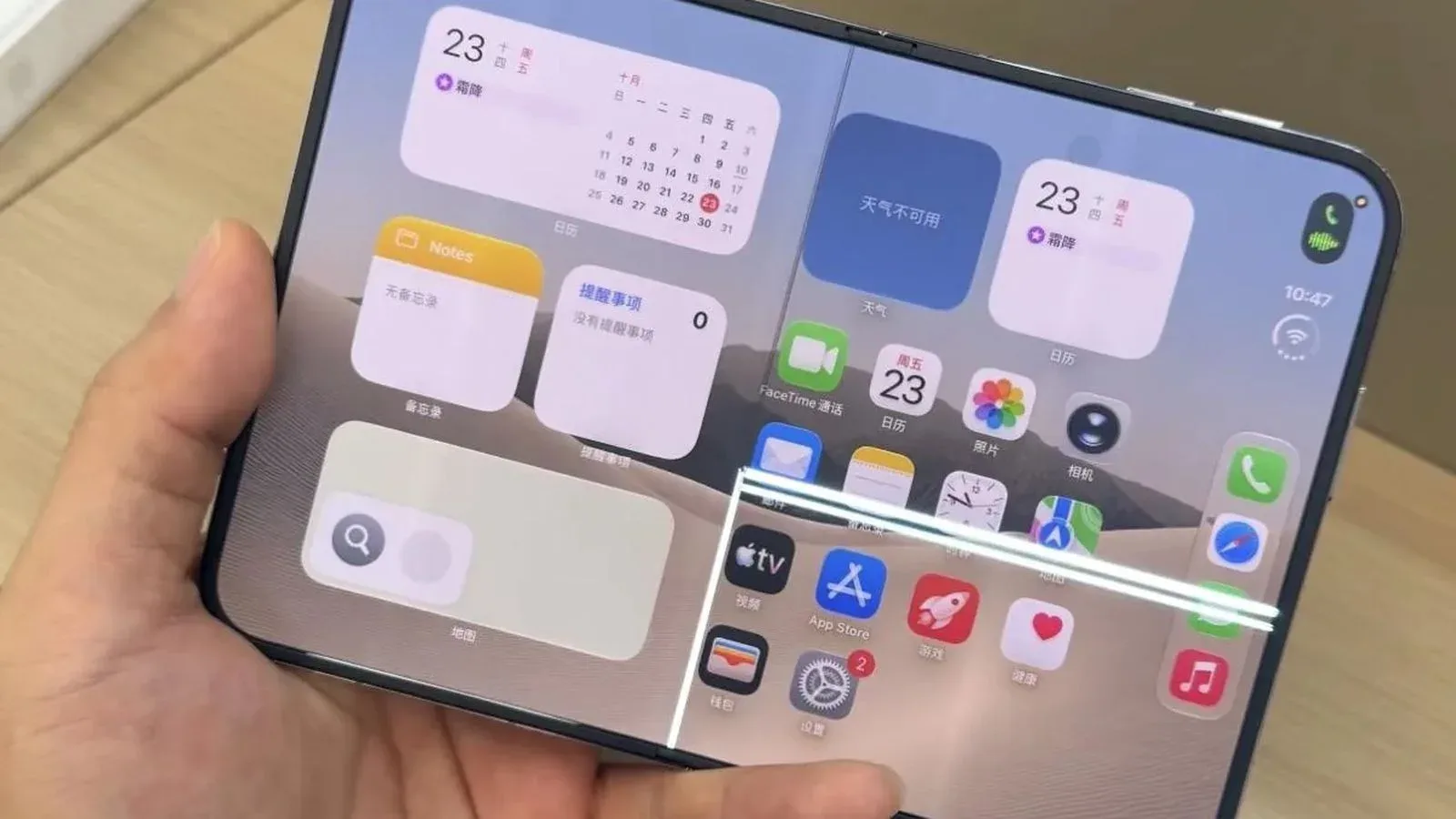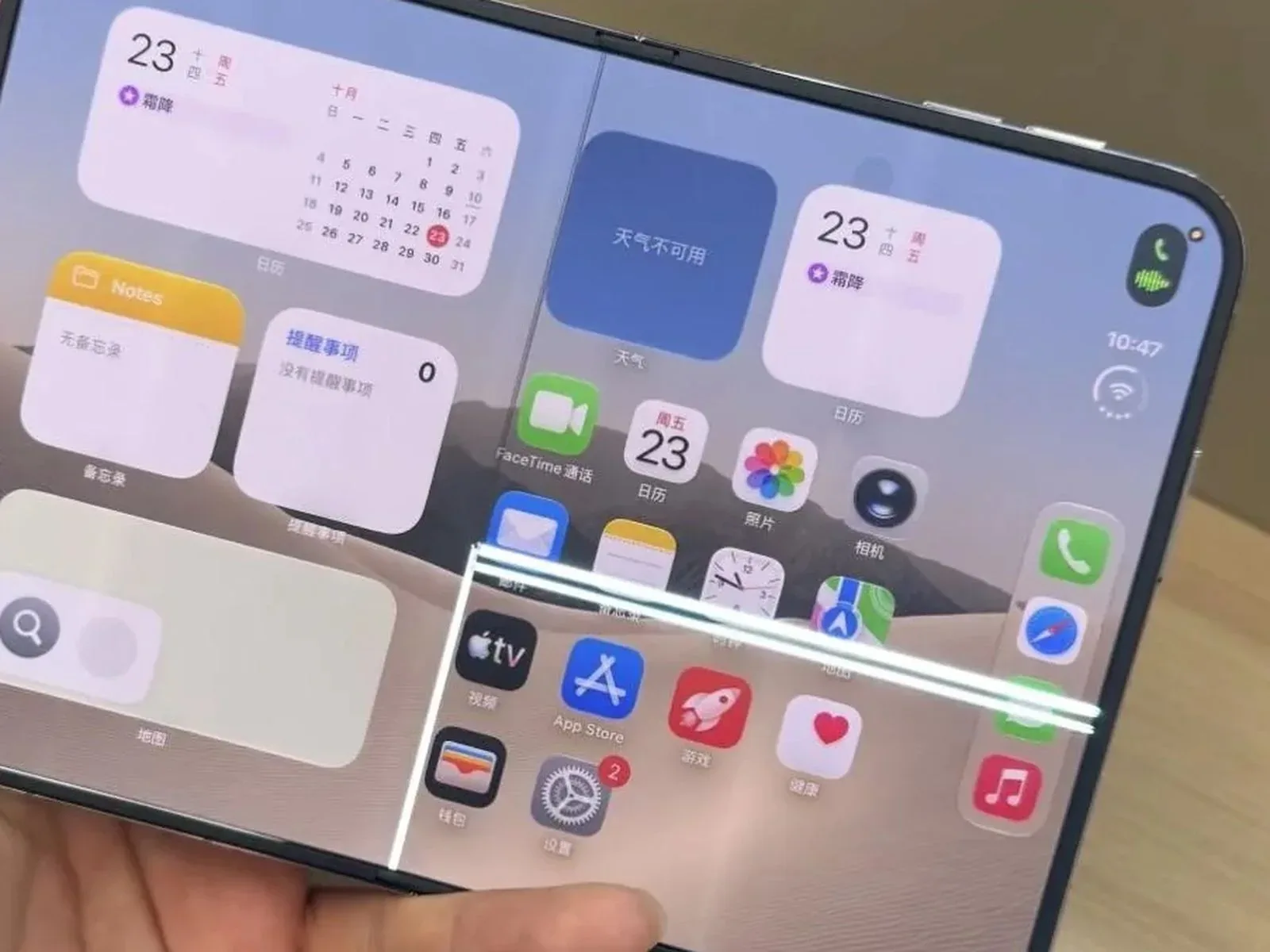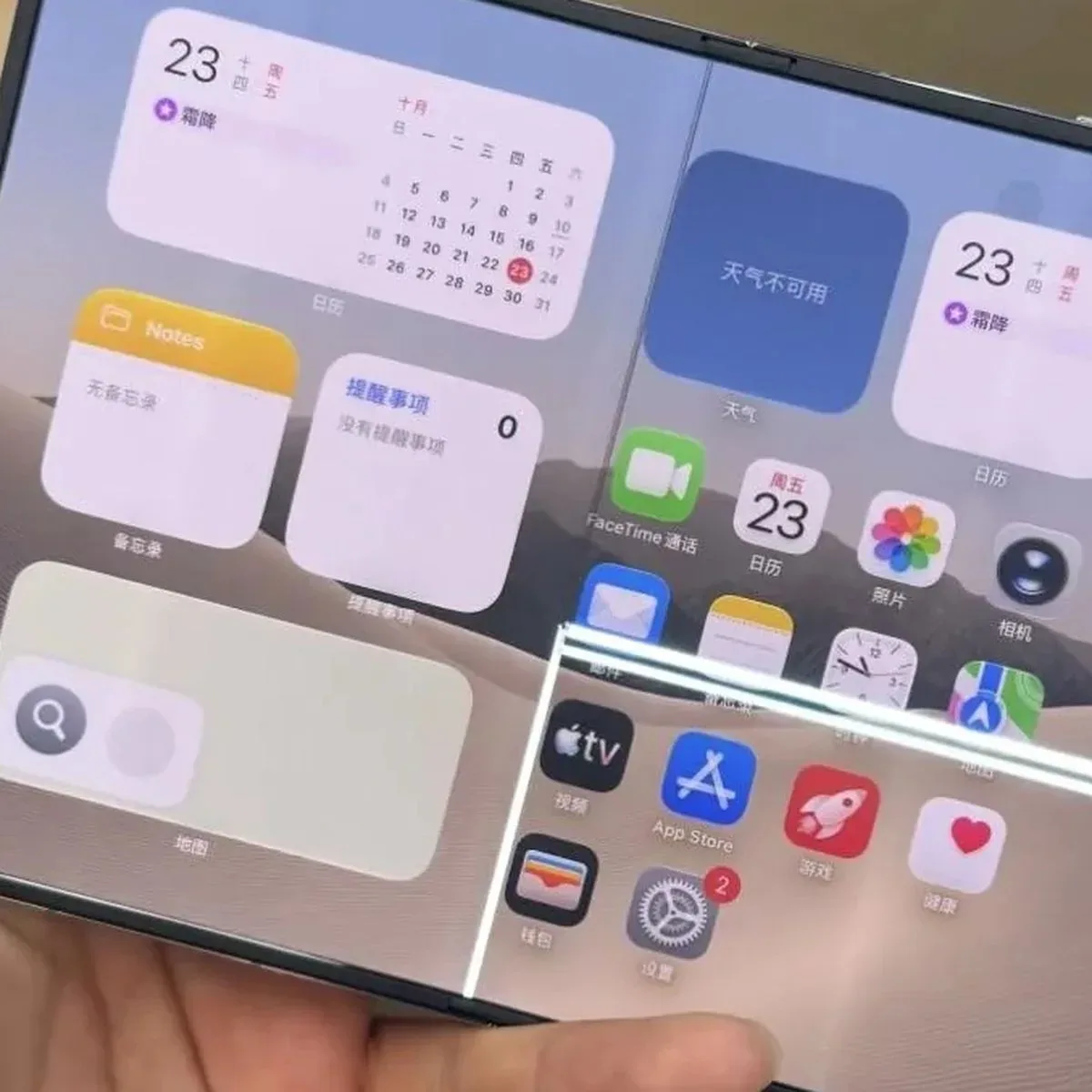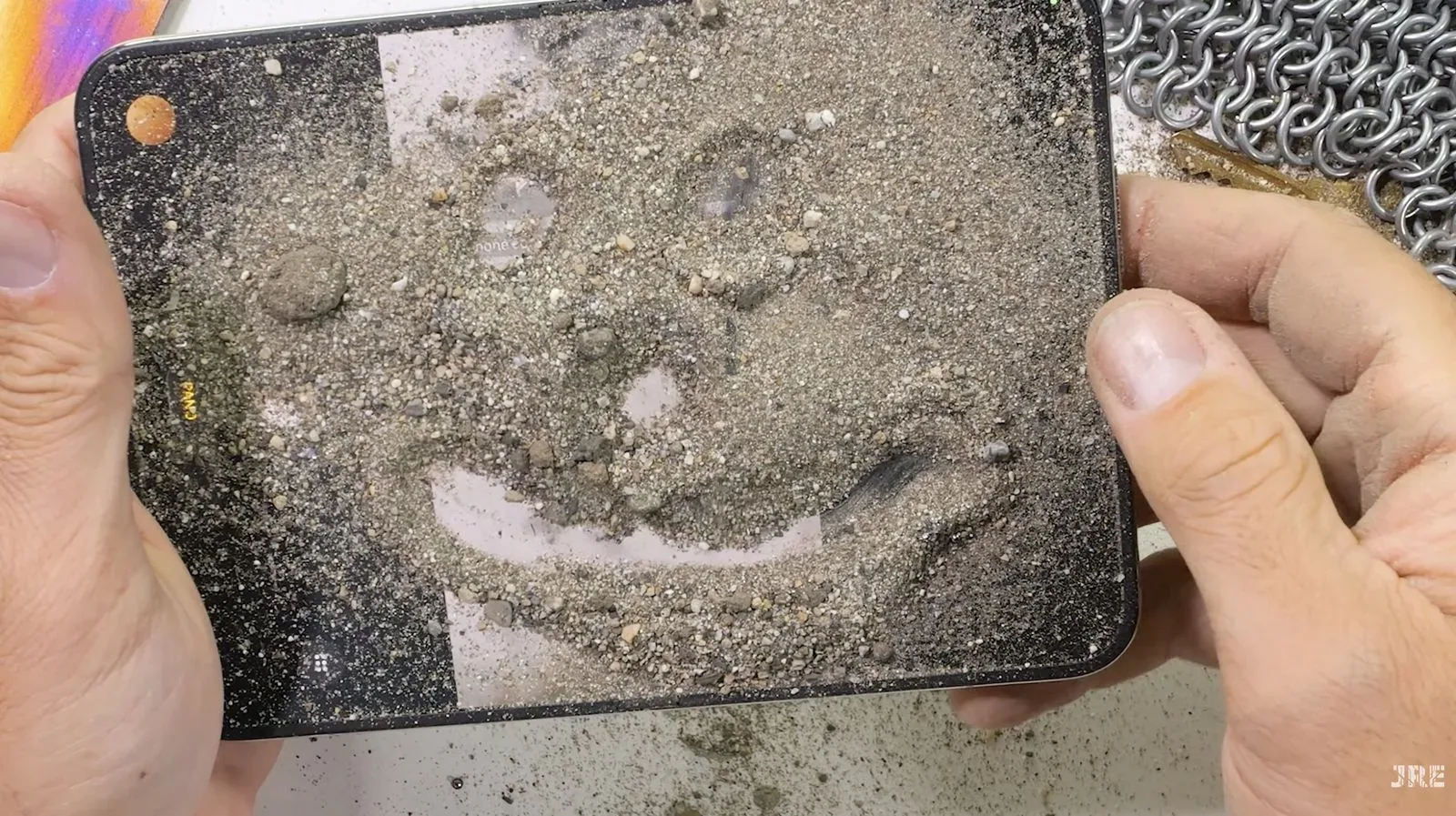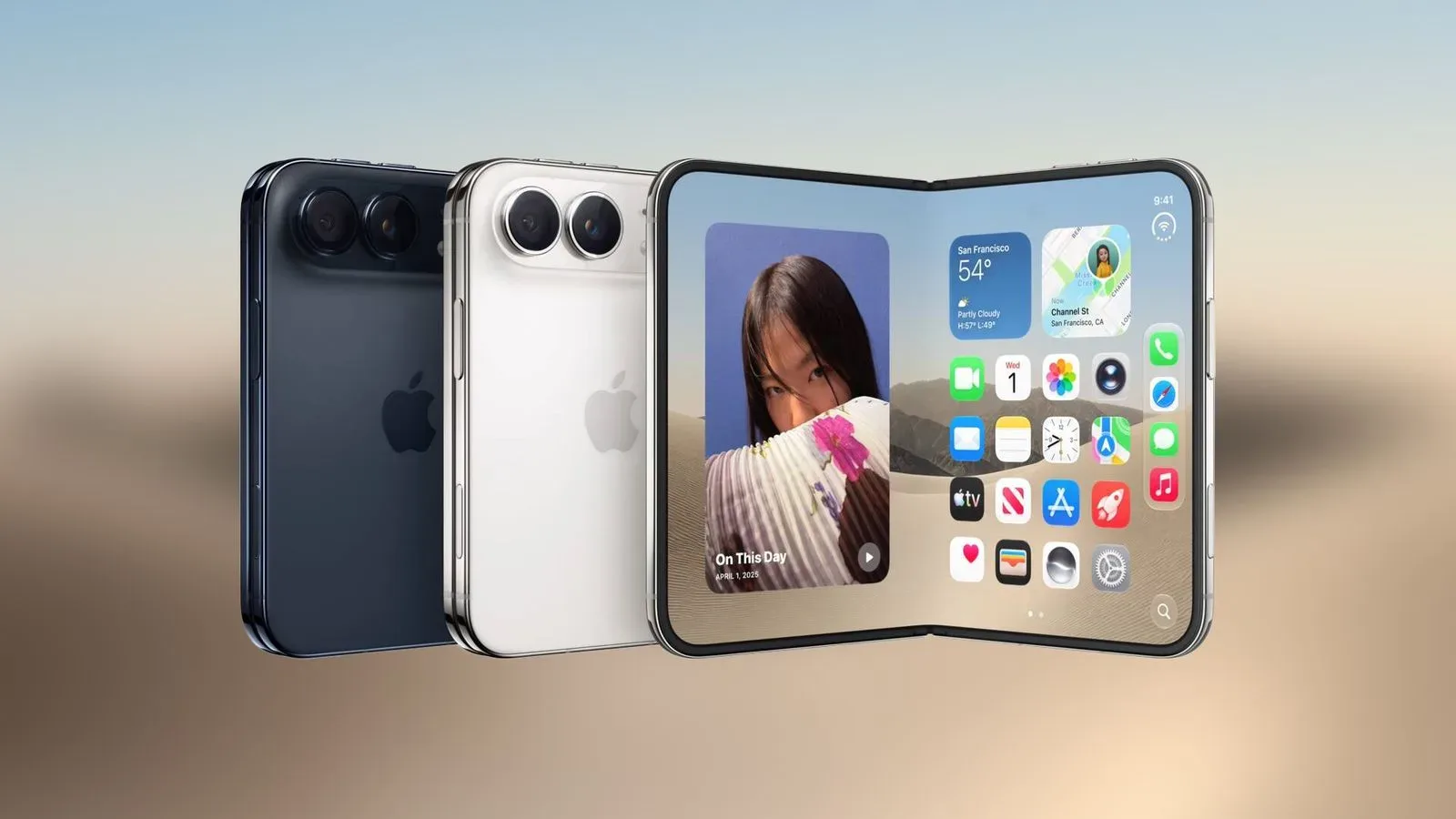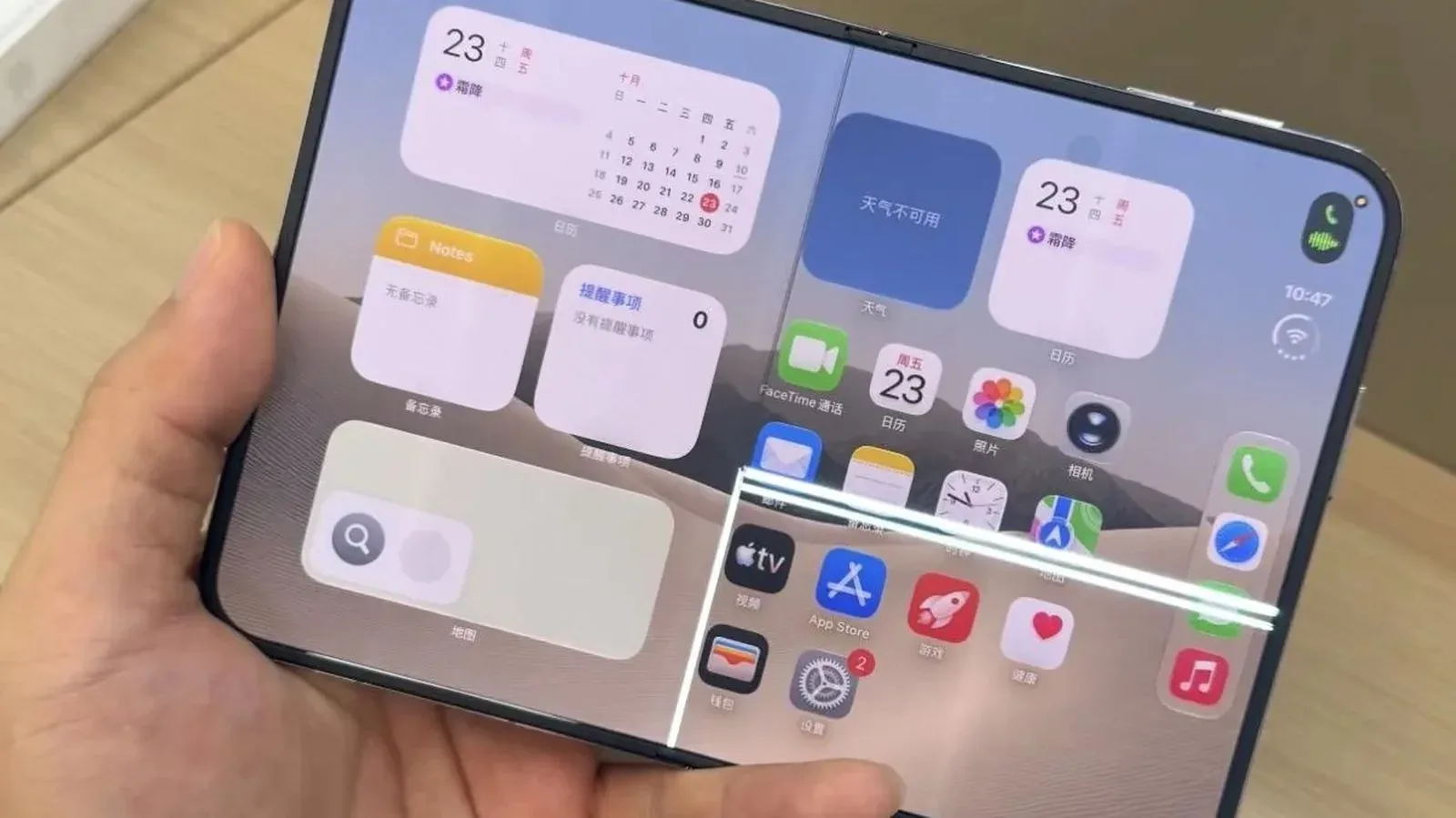
Apple has acknowledged an issue affecting the inner display on a small number of iPhone Duo units after reports of cracks appearing around the device’s hinge area shortly after purchase. The company says affected owners should contact AppleCare for a replacement.
The acknowledgement provides an official response to a problem that has been difficult to measure from scattered online reports alone. Apple characterizes the issue as limited in scope and says most iPhone Duo owners will not encounter it. It also indicates that this is not believed to be a defect expected to emerge over time on otherwise unaffected devices.
That distinction matters, but it does not answer the key technical question: what causes the failures in the units that do crack? Apple has not identified a cause, and it has not said whether a design or manufacturing remedy is planned.
“We are aware of an issue impacting the inner display on a small number of iPhone Duo units. If users experience issues with their iPhone Duo display, they should contact AppleCare for a replacement.”
What iPhone Duo owners have reported
The reported damage has a notably similar pattern in many cases. Cracks have appeared along the hinge on the lower half of the inner display, rather than as random marks elsewhere on the panel. Some users have also described resistance or a stuck sensation when moving the hinge, sometimes accompanied by a popping sound shortly before the display damage becomes visible.
Those symptoms are significant because a folding device’s hinge is not merely the part that lets the hardware open and close. It is a tightly constrained mechanical system operating directly beside the flexible display. A movement issue in that assembly can potentially put force where the display was not intended to receive it.
A teardown examination has pointed to several possible contributors in the affected region. Multiple internal components converge near the location where cracks have been reported, and one possibility is that a center support bar intended to retract is not retracting correctly. If that occurs, the support could interfere with the normal motion or clearance required by the display, potentially leading to damage near the fold.
This remains a possible explanation, not a confirmed diagnosis from Apple. A matching crack location and a plausible mechanical theory are not enough to establish that every reported case has the same cause. Until Apple offers additional technical detail, owners should be careful not to treat any single explanation as settled.
Why the hinge area is central to the story
In a conventional phone, the display is generally mounted over a fixed chassis. The iPhone Duo’s inner display has to function across a moving central section. That makes the hinge region the device’s most mechanically unusual area: it must repeatedly guide the display through opening and closing while keeping the panel supported and protected.
The reported lower-half crack placement therefore gives the story a more specific shape than a generic screen-breakage complaint. It suggests that, for affected devices, the trouble may be associated with the folding mechanism or the components immediately surrounding it. The reports of stiffness and popping, if present on a given unit, are similarly more relevant than an isolated visible line in the screen because they concern the movement of the hardware itself.
Still, owners should separate observed signs from claims that have not been verified. A crack along the hinge is an observed symptom in the reports. A support bar failing to retract is one potential mechanism raised by a teardown. Neither establishes a broad failure rate, a confirmed manufacturing batch, or a repair path beyond replacement.
Replacement is the current response
For customers who experience the inner-display issue, Apple’s stated route is AppleCare replacement. Some affected users have received in-store replacements, though limited stock has meant that others have had to wait. Apple has not described an alternate repair program, an inspection procedure, or a prospective hardware revision.
For an owner, the practical priority is documentation and prompt contact with AppleCare rather than trying to diagnose the hinge at home. If the device develops a stuck feeling, a popping noise, or visible cracking near the inner hinge, those details may help clearly describe the issue when seeking support. It is also sensible to note when the behavior began and whether the damage appeared shortly after purchase, since Apple says affected cases appear early rather than after extended use.
There is no basis in the available information for attempting to force a resistant hinge open or shut. Nor is there enough information to advise a user that a pop or brief stiffness will necessarily lead to a crack. The useful takeaway is narrower: abnormal hinge movement and display damage in the same area are the traits repeatedly associated with the reported cases, and Apple’s instruction is to contact support if a display problem occurs.
Claims online need extra scrutiny
Assessing the apparent scale of the problem is complicated by AI-generated images among alleged examples of the cracking. That does not negate reports from real affected customers or Apple’s acknowledgement that some units have an inner-display issue. It does mean that viral posts and image roundups are not reliable on their own for counting cases or determining the exact appearance of the failure.
The distinction is increasingly important for hardware stories. An image can seem to offer direct evidence, but fabricated or altered visuals can inflate the perceived frequency of an issue, muddle where damage occurred, or attach a plausible-looking defect to a product without proving anything about an actual device. In this case, Apple’s statement establishes that an issue exists in a small number of units; it does not establish that every image circulating online depicts a genuine iPhone Duo failure.
That uncertainty also limits the conclusions that can responsibly be drawn from anecdotal patterns. A group of genuine-looking posts may suggest a shared location or symptom, but it cannot establish the total number of devices affected. Conversely, the presence of fake images does not demonstrate that all reports are false. The evidence supports a middle position: there is an acknowledged, limited issue, but the public record is too noisy to calculate its reach.
What Apple has and has not established
Apple has established several important points. It knows of an issue involving the iPhone Duo inner display. It says the issue affects a small number of units. It directs customers encountering a display problem to AppleCare for replacement. And it says most owners should not expect the issue to arise over time.
Several other questions remain open. Apple has not disclosed the underlying cause, whether the reported hinge behavior is present in all affected units, whether particular production runs are involved, or whether it will make a hardware or production change. It has also not offered a public figure for the number or percentage of devices affected.
The company’s broader response emphasizes positive early reception and developer work adapting apps to the iPhone Duo’s form factor. That is separate from the fault itself, but it underscores why an inner-display problem attracts attention: the folding display is central to what differentiates the device. A limited issue does not define every unit, yet reliability at the hinge is inherently important when the hinge and screen operate as one system.
How to interpret the situation without overreacting
Current owners do not have evidence that every iPhone Duo is at risk, and Apple explicitly says the issue is not something most users should worry about developing over time. Prospective buyers, meanwhile, have confirmation that a small number of devices have experienced a serious inner-display fault, but no confirmed explanation or published rate.
That puts the story in a waiting-for-detail phase rather than a solved-product-defect phase. Apple’s replacement guidance is the immediate remedy for affected customers. A clearer picture would require more information about cause, scope, and whether the company changes anything in response.
For readers following Apple’s wider software ecosystem, the latest visionOS 27.2 update for Apple Vision Pro is a separate reminder that hardware and software support can evolve on different timelines. In the iPhone Duo case, however, the available issue is physical and centered on the inner display and hinge assembly—not an announced software fix.