A compact charger can be the least glamorous upgrade in a gaming bag, travel pouch, or desk cable drawer—right up until an aging power brick takes forever to refill a phone before a commute. The Anker Nano Smart Display Charger is currently listed at $26 in a limited Black Friday promotion, representing a stated 26% discount.
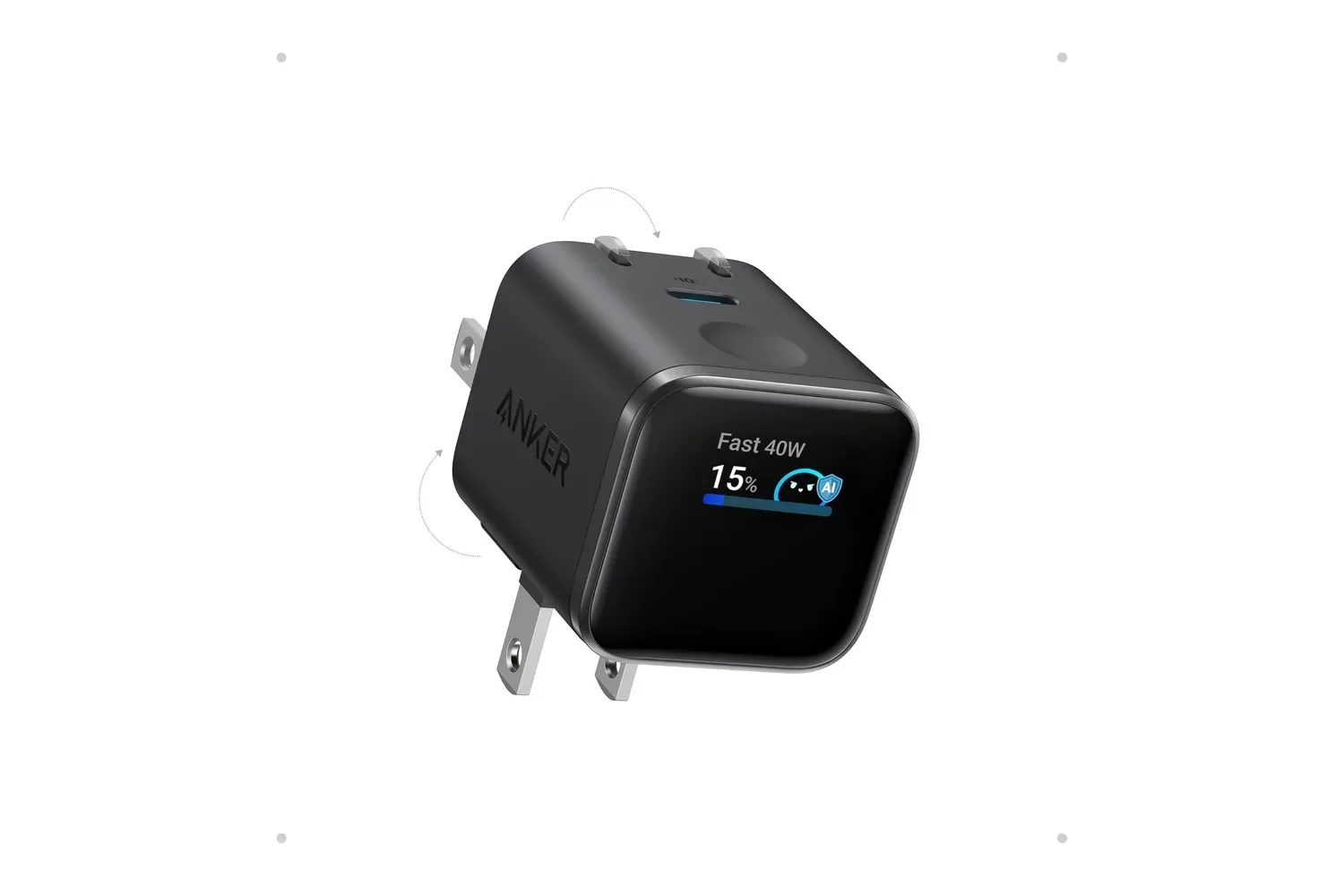
The headline price is appealing, but the more relevant point is what the unit is built to do. This is a small wall charger with a 45W output, folding prongs, adjustable prong positioning, and a smart display intended to make the charging process easier to see. The deal is offered in multiple colors, though shoppers should confirm the current listing, selected color, price, and stock before ordering; limited-time sale pricing can change.
What 45W means in practical terms
Wattage, written as W, measures electrical power. In simple terms, a charger with a higher maximum wattage has a larger potential power budget than a lower-watt model. That does not mean every device will always receive 45W. The actual charging rate is determined by the charger, cable, and connected device working together, with the receiving device deciding what it can accept.
That distinction matters. A 45W charger may be useful for a quick phone top-up, but a phone capable of accepting less power will not suddenly charge at 45W merely because the adapter is rated for it. Likewise, the charger can be used with devices such as a MacBook, but real-world results depend on that MacBook model’s charging requirements and the cable being used. “Fast charging” is therefore best understood as compatibility-dependent, rather than an automatic result of plugging in.
For a gaming-adjacent setup, the rating makes the Nano more flexible than a charger purchased solely for one handset. A single compact adapter can potentially cover phone charging and some laptop power needs, reducing the number of bricks a person needs to pack. It may also be a convenient spare for a work desk or a shared outlet near a console setup, where a rapid battery boost for a controller-connected phone or accessory is occasionally more useful than another permanent cable run.
A display is about visibility, not magic
The defining extra here is the smart display. Rather than being a performance feature on its own, a display gives the user a more immediate view of the charging process. That can be useful when troubleshooting basic questions: Is the device drawing power? Has charging begun? Is the charger positioned in a way that leaves the display visible?
The source material does not specify the display’s exact readouts, so prospective buyers should not assume it offers every imaginable diagnostic or control option. Still, a charger that puts charging information where it can be seen is a practical alternative to repeatedly waking a phone screen just to check whether a cable connection took.
Visibility also connects to one of the product’s more unusual physical conveniences. Its prongs can be positioned differently, which can help when an outlet is placed awkwardly or when the orientation of a wall socket would otherwise obscure the display. It is a small design choice, but one aimed at a routine annoyance: a plug may fit electrically while still being inconvenient to access or read.
Why portability is central to the pitch
The Nano Smart Display Charger is described as genuinely small, and its prongs fold down for carrying. Folding prongs are especially relevant to people who throw a charger into a backpack, handheld case, or travel pouch, because exposed metal prongs can snag on other equipment. A compact form factor also makes it easier to leave a charger in a kit without treating it as a dedicated piece of desk hardware.
That does not make size the only buying consideration. A portable charger is most useful when it works with the cables and devices already in rotation. Before buying, it is sensible to check the connector and cable requirements for the phone, laptop, or other device that will use it. The available details establish the adapter’s 45W rating, folding and adjustable prongs, smart display, portability, and safety features, but do not list every supported charging standard or describe the safety protections individually.
In other words, shoppers can reasonably view safety features as part of the product proposition, but should look to the product listing for the precise specifications that matter to their own devices. That is particularly important for anyone replacing an older charger, mixing cables from several gadgets, or planning to use the adapter with a laptop.
Who this deal suits
At the reported $26 price, the Anker charger looks most compelling for someone who wants a compact, multi-purpose wall adapter rather than the absolute cheapest possible phone charger. The extra value comes from the combination of a 45W maximum output, travel-friendly folding prongs, adjustable orientation, and a display for monitoring charging.
- Travelers may appreciate a small charger that is easier to stow and whose prongs fold away.
- Phone owners may find it useful as a quick-charge-capable option, provided their device and cable support the applicable charging behavior.
- Laptop users may value the possibility of using one compact charger for devices including a MacBook, while confirming their specific model’s needs first.
- Desk and gaming-setup organizers may like the visible charging status and the ability to better accommodate poorly positioned outlets.
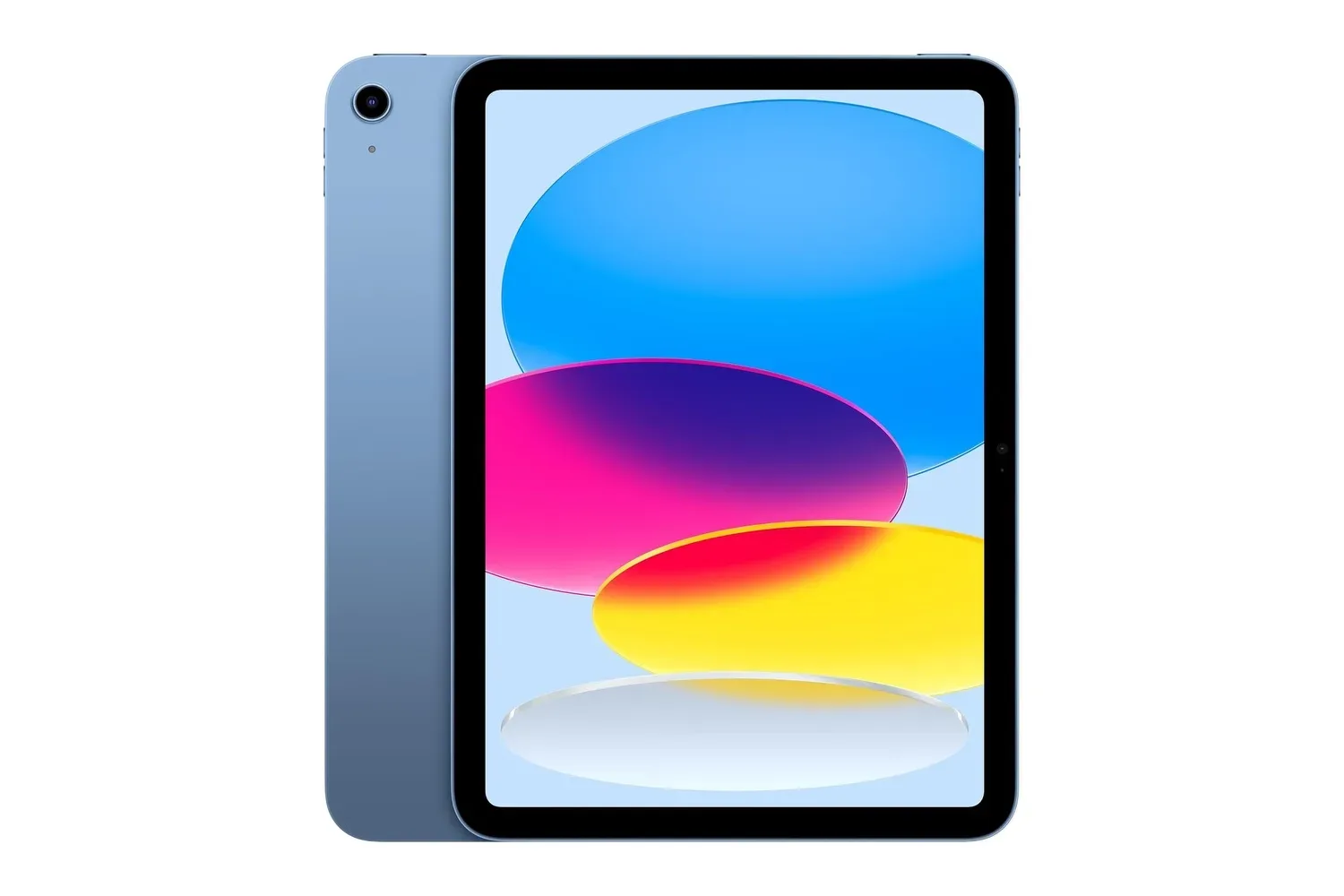
It is also a timely accessory consideration for people shopping around other mobile gear. For example, a discounted tablet is only as convenient away from home as the power solution paired with it; our look at Apple’s 11-inch A16 iPad deal similarly highlights why a capable, compact charger can matter beyond a phone.
The main caveat: check compatibility and the live price
There is no need to overcomplicate a charger purchase, but there is value in checking a few basics. Make sure the cable is suitable for the device and use case, check whether the connected device can take advantage of the available charging power, and verify that the live sale price remains $26. The promotion is presented as limited, and a discount of this sort should be treated as a snapshot rather than a permanent price.
It is also worth resisting an overly broad interpretation of 45W. The number indicates the charger’s maximum output, not a promise that every connected product will hit that figure. A phone’s charging behavior, a laptop’s power needs, and the cable between them all remain part of the equation. But the rating does give the Nano a broader potential role than a basic low-power phone-only adapter.
For shoppers who need a small replacement or spare power brick, the practical case is clear: this model combines compact construction with folding, repositionable prongs and a display, while its 45W output gives it room to serve more than one class of device. With the reported Black Friday price at $26, it is a notably affordable option for anyone whose current charging setup is short on power, portability, or basic at-a-glance feedback.
Shop the products
Check current price, model and availability at the retailer.