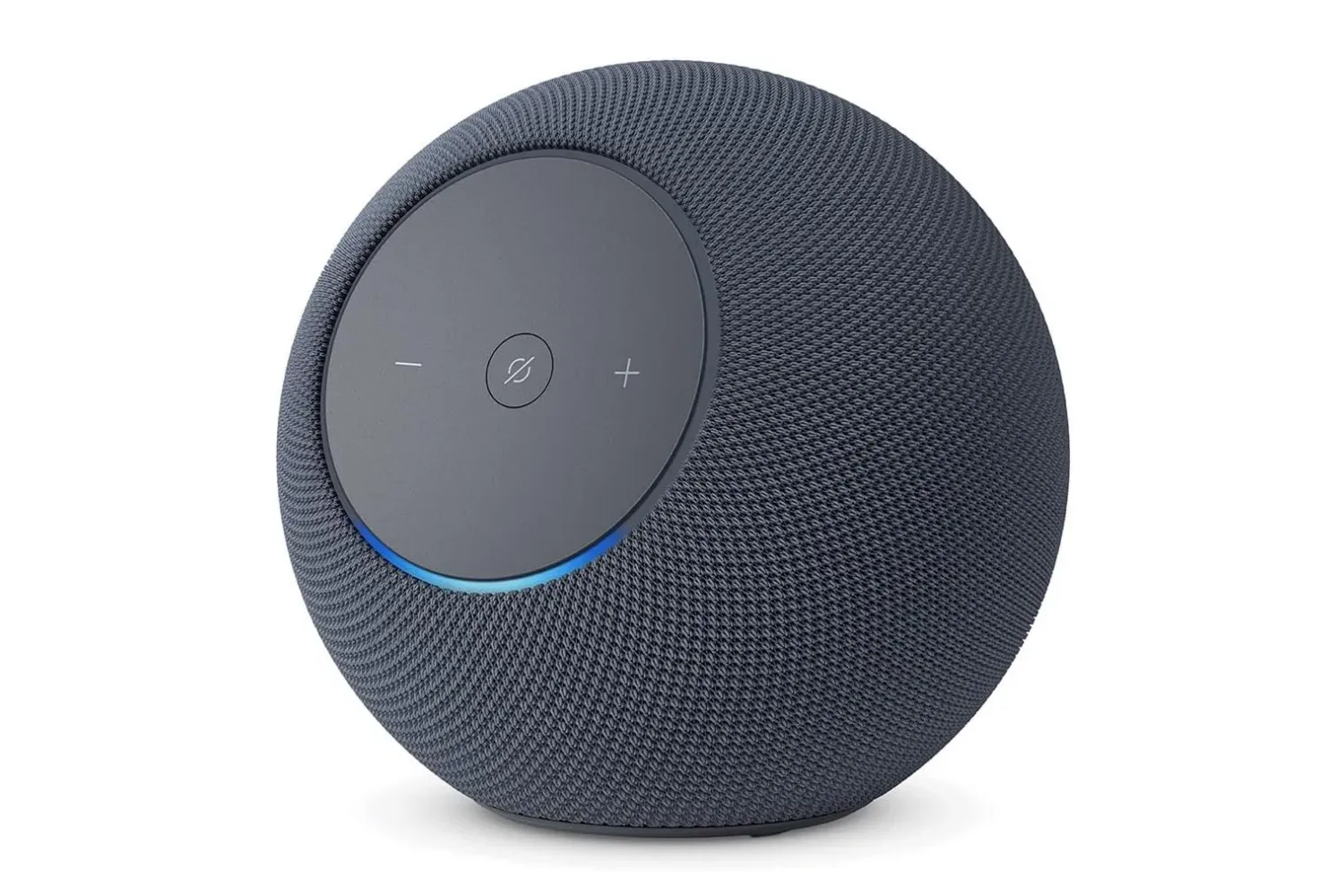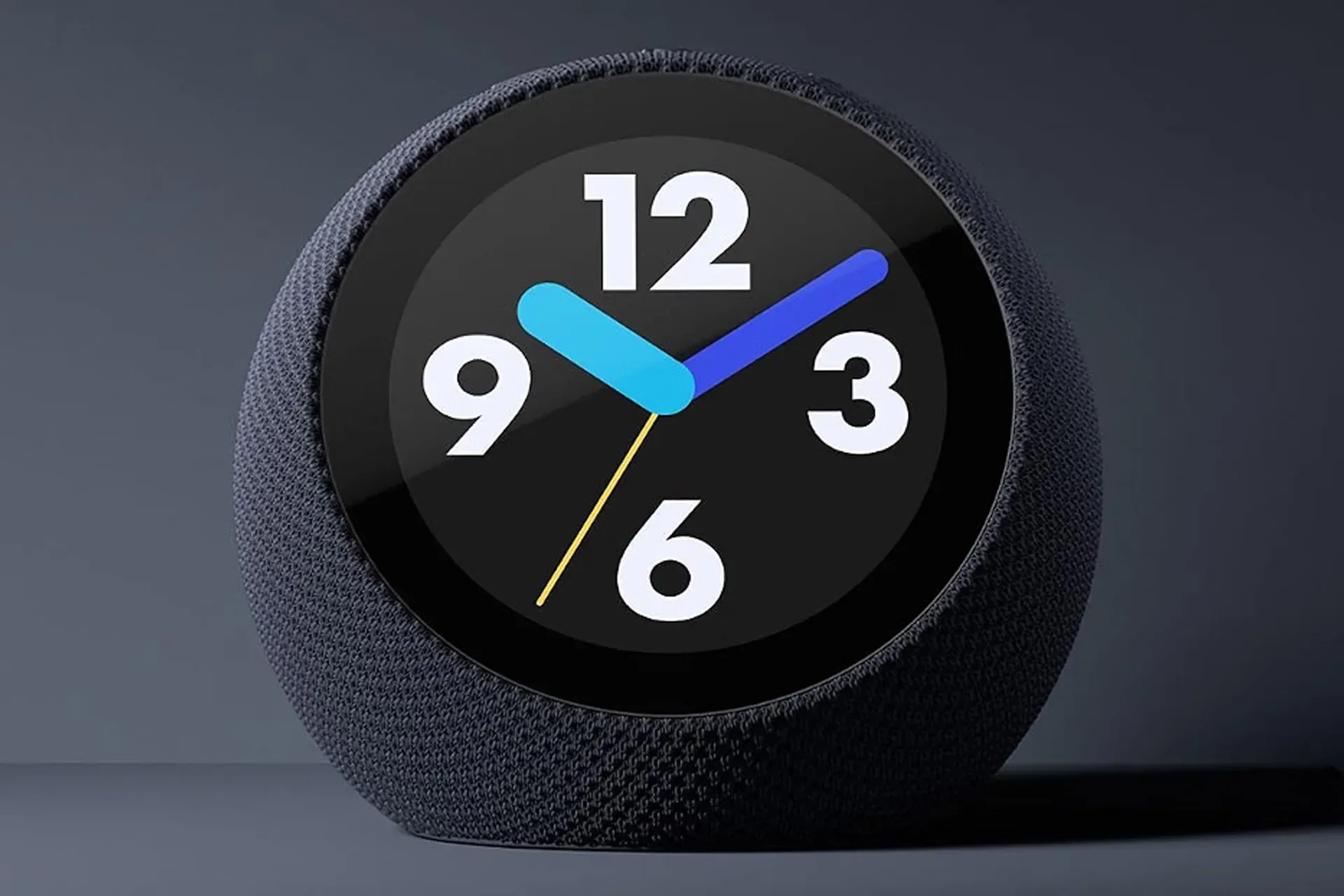
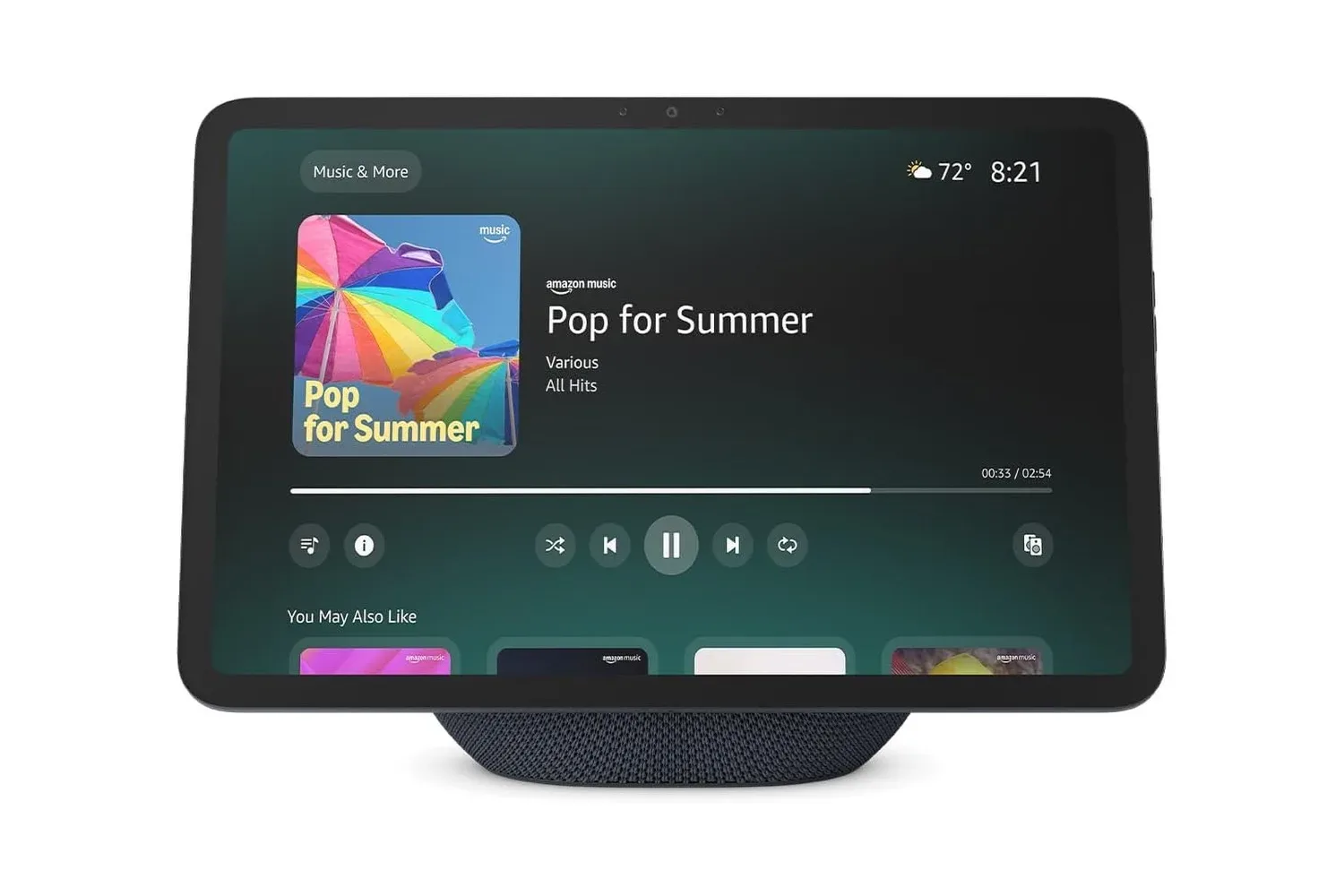
Amazon’s Echo Show 11 is listed at $154 in Glacier White and Graphite, a reduction of $95, or roughly 38%, from the stated $249 price. The promotion places the company’s larger new smart display in a different spending bracket for shoppers considering a shared household screen rather than a personal tablet.
The key word is shared. The Echo Show 11 is positioned for a kitchen counter, hallway, or another common area: somewhere a calendar, clock, shopping list, timers and video calls can be seen without each person reaching for a phone. Its 11-inch Full HD touchscreen is central to that pitch, alongside Alexa+, Amazon’s newer AI assistant.
As with any sale, the practical question is not simply whether the percentage looks large. It is whether the Echo Show 11’s particular mix of display, voice assistant, camera and smart-home hub matches the way a household already organizes itself. For a home that will use a screen for a shared schedule, cooking timers, calls and compatible-device controls, the price reduction makes that combined role more accessible. For someone who only wants a speaker or only wants a streaming display, much of the device’s value proposition may go unused.
What the Echo Show 11 is designed to do
The Echo Show 11 has an 11-inch Full HD touchscreen and uses Amazon’s AZ3 Pro chip. It is designed for Alexa+, which is intended to handle requests in more conversational language rather than requiring people to memorize a narrow set of commands.
That distinction matters most in routine home tasks. Amazon describes the display as able to add an event, run three timers simultaneously, and suggest recipes based on ingredients already in the fridge. The underlying goal is to make the smart display less of a screen that must be actively navigated and more of a place where household information remains visible while voice requests handle quick changes.
A shared calendar is the obvious example. On a phone, schedules can be powerful but individual and easy to overlook. A larger always-available screen in a communal space can make upcoming events visible to everyone walking past it. The same applies to a shopping list: instead of asking where a list lives, a household can treat the display as one of its shared reference points.
That does not mean the Echo Show 11 replaces phones, calendars or dedicated kitchen tools. It is better understood as a front door to these everyday tasks. The appeal depends on whether a household wants that front door to be visual and voice-controlled rather than app-by-app and person-by-person.
Smart-home hub functionality, explained
The Echo Show 11 also functions as a smart-home hub. In plain terms, a hub is a central device that helps compatible connected products work together. Amazon says the Echo Show 11 can pair with thousands of compatible devices without requiring a separate box connected to the router.
That capability could simplify a setup that otherwise has several moving parts. Rather than adding another dedicated hub to a home network, the display is intended to provide a single screen and assistant for connected-home controls. Compatibility remains important: “smart home” is not a universal guarantee that every product will work with every other product. Shoppers with existing lights, cameras or other devices should still check that their hardware is supported before treating the Echo Show 11 as the center of their setup.
Amazon also highlights Omnisense technology. The supplied feature description says it can activate routines based on room temperature, a person’s presence or visual ID detection. A routine is an automated sequence: for example, a condition happens and one or more actions follow. In this case, a room being occupied could trigger lights, while a recognized person could be shown reminders intended for them.
These are convenience features, but they introduce an important tradeoff. Automation works best when it is predictable. A routine that turns on lights at the right moment can feel useful; one that activates at the wrong time becomes another setting to manage. Visual ID detection also makes the privacy controls more relevant, because a feature built around identifying who is in front of the display necessarily deserves careful consideration by everyone using the room.
An 11-inch screen for calls, media and photos
Video calling is one of the clearest reasons to prefer the Echo Show 11 over a smaller screen. The device has a centered camera that automatically reframes as people move, along with 3.3x zoom and noise reduction. The aim is straightforward: keep more of a group in view during a call and reduce distracting ambient sound.
Automatic reframing is a camera behavior, not a promise that every call will look identical. Its purpose is to adjust framing when subjects move around rather than leaving callers fixed in a single narrow view. For households making calls from a kitchen or family area, that is a more relevant design priority than the close-up, one-person framing typically associated with a laptop webcam.
The Echo Show 11’s live-view function also allows owners to check the home from a phone when away. That can be useful for looking in on a room, children or pets, but it is another reason to give the camera controls real attention before placing the device in a shared space.
Outside of calls, Amazon says the display supports Prime Video, Netflix and other services, while spatial audio is intended to provide room-filling sound. It can also serve as a digital photo frame when idle. Alexa+ can search for particular images or generate a slideshow centered on a previous holiday period. This is a familiar smart-display role, but the larger panel makes it a potentially more natural fit for a counter or sideboard than a compact bedside device.
Entertainment should be viewed as an additional use rather than the sole reason to buy this model. The supplied details identify supported video services but do not establish subscription terms, the complete service list, or how every service behaves on the device. Existing accounts and household viewing habits will therefore matter.
Privacy controls are part of the buying decision
Amazon includes hardware privacy measures on the Echo Show 11, including a button that disables the microphones and camera. There are also dedicated camera controls on the device and in the app.
For a product whose features include voice interaction, visual identification, video calls and remote live view, those controls are not minor footnotes. They are part of the product’s everyday usability. A buyer considering a counter or hallway placement should decide in advance who can use the screen, when the camera is wanted, and whether the microphone-and-camera disable button is something the household expects to use routinely.
The value of physical controls is their directness: a person standing by the display has an on-device option rather than needing to find an app setting first. App controls add another layer for situations where the owner is not next to the unit. Neither approach removes the need to understand the features being enabled, but both give users explicit controls over the cameras and microphones described here.
Price, variants and related discounts
The $154 listing applies to Glacier White and Graphite versions of the Echo Show 11, compared with a stated regular price of $249. The smaller Echo Show 8 is also listed at $99. Amazon additionally has bundles on the same product page, including one paired with a Blink Mini 2K+ camera and another paired with an adjustable stand.
Bundles are worth separating from the base-device decision. A camera bundle may be useful for someone already planning to add home monitoring, while an adjustable stand may matter most to someone with a specific placement in mind. Neither accessory changes the core question of whether the Echo Show 11’s larger screen, camera and smart-home functions are desirable for the home in question.
The discount also arrives alongside other Black Friday-oriented hardware listings, including a Midnight Black DualSense Edge listing at $169. That broader sales period makes comparison shopping sensible: discounts can help define value, but a lower price alone does not make a connected device the right fit.
Who the Echo Show 11 makes the most sense for
- Households with a genuinely shared schedule: The always-visible calendar and list functions have a clear purpose when more than one person needs the same information.
- People building around compatible smart-home products: The built-in hub role can be more meaningful than the screen itself for buyers who want a central point for compatible devices and routines.
- Frequent family video callers: The 11-inch display, centered camera, automatic reframing, zoom and noise reduction are especially aligned with group calls in a common room.
- Buyers who want a display that changes roles: The same device can move between household information, entertainment, calls and a photo frame rather than remaining dedicated to one task.
Reasons to pause before buying
- Privacy preferences: Camera, microphone, live-view and visual-ID-related features require clear household comfort with a connected display in a common area.
- Existing device compatibility: The hub’s usefulness depends on which devices are compatible, so current hardware should be checked first.
- Space and purpose: An 11-inch display is aimed at visibility in a room. Buyers seeking a compact bedside screen or a simple smart speaker may not need this model’s scale.
- Feature overlap: If calendars, streaming, recipes and calls already work comfortably through devices a household uses every day, the Echo Show 11 must earn its place through convenience and shared visibility.
At $154, the Echo Show 11 is being presented at a substantial reduction from its $249 stated price. Its strongest case is not one isolated specification; it is the attempt to combine a communal information screen, an Alexa+ interface, a compatible-device hub, video-call hardware and a photo-and-entertainment display in one stationary device. Buyers who will make use of several of those roles have the clearest reason to consider the listing. Those who need only one may be better served by a simpler product category.
Shop the products
Check current price, model and availability at the retailer.