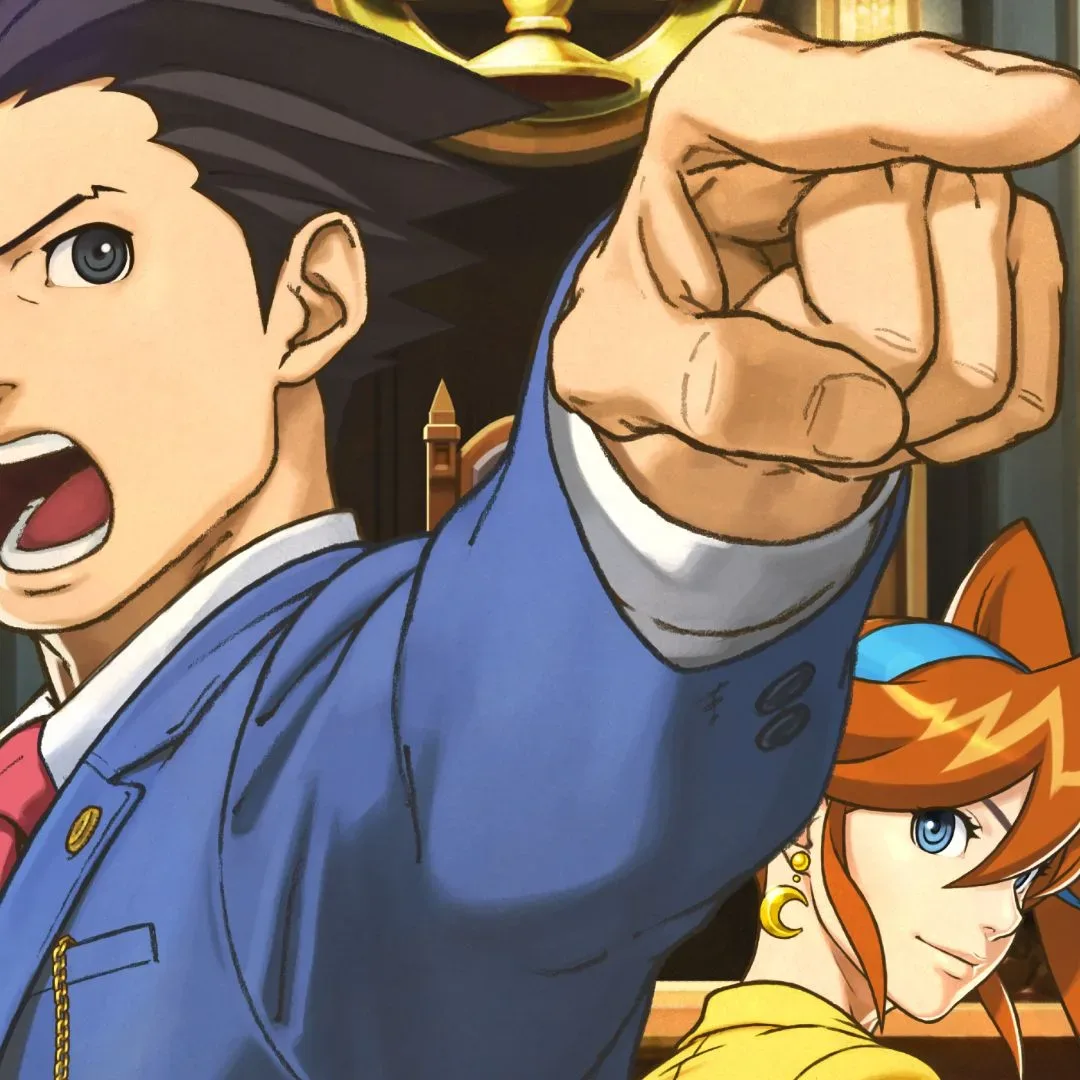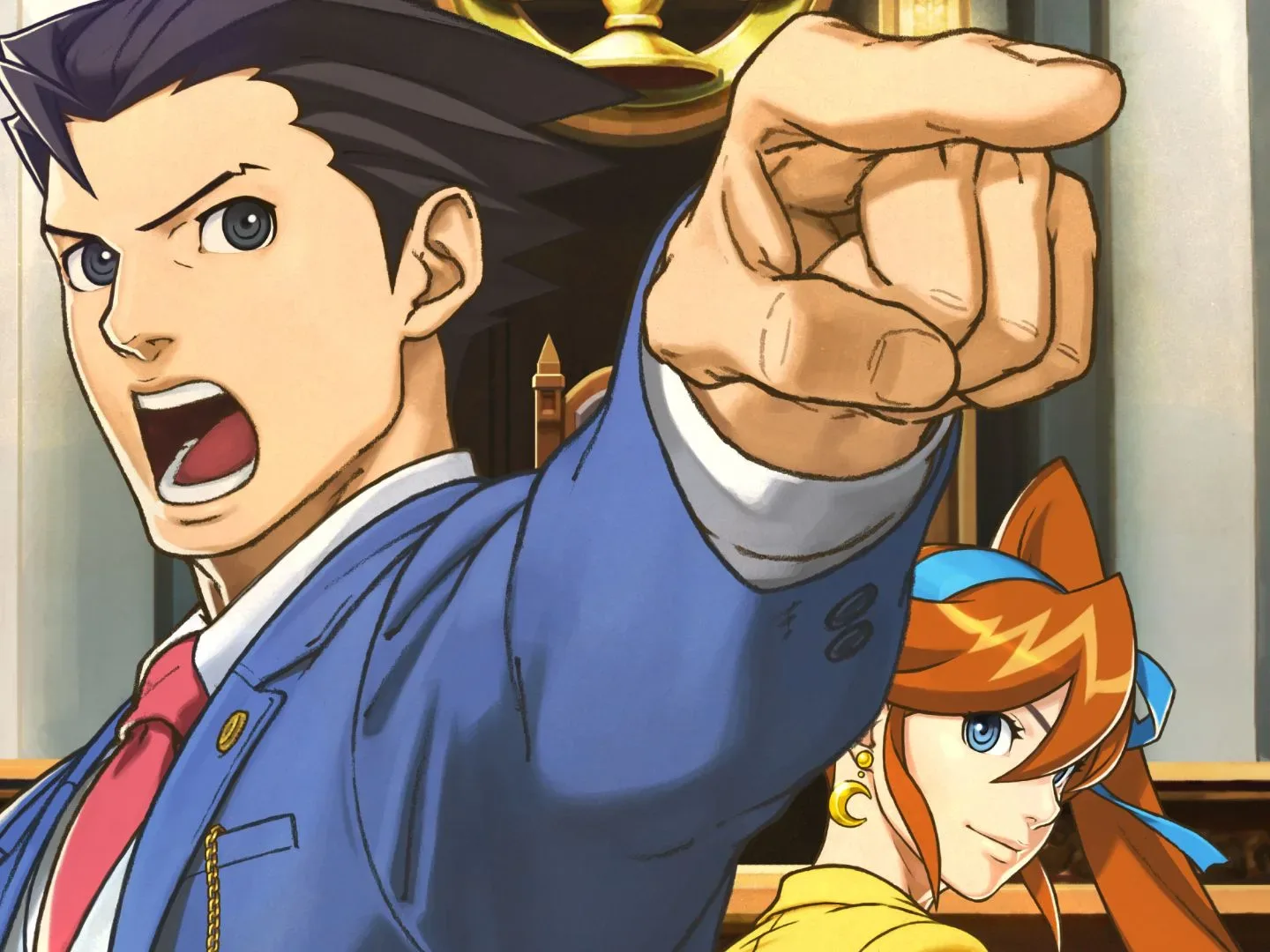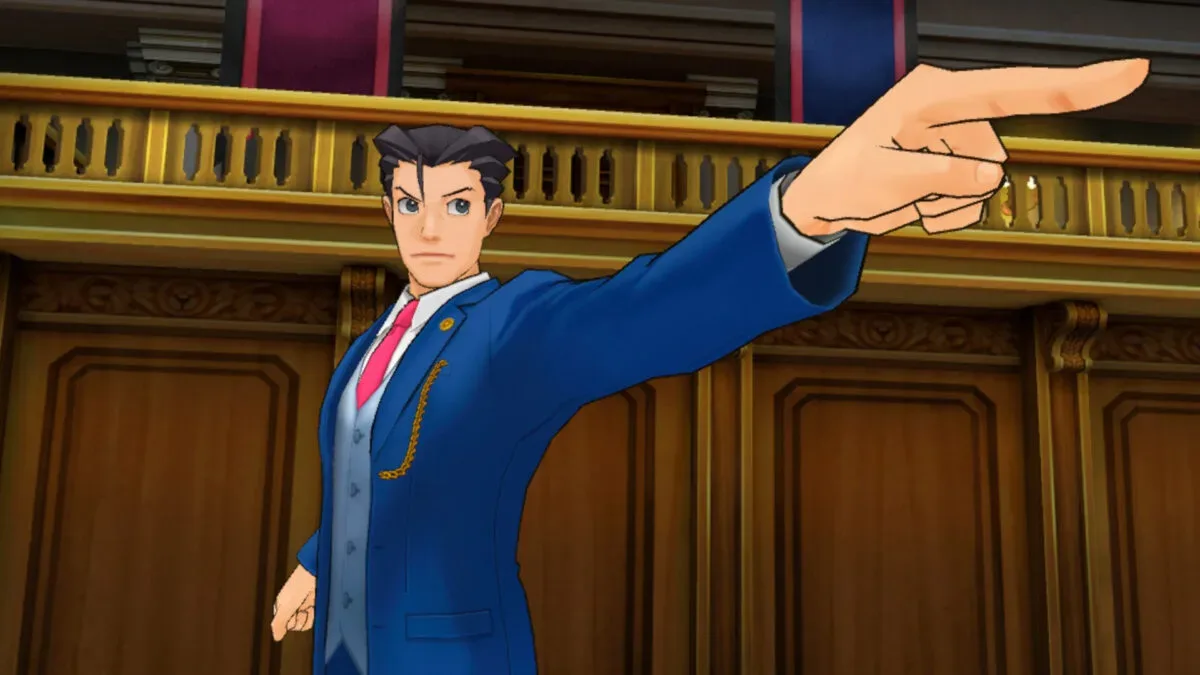
A new Ace Attorney release has been revealed, but it is not the courtroom sequel many fans have spent years anticipating. The newly announced project is a VR version of Ace Attorney: Dual Destinies, the fifth mainline entry, rather than a new numbered game.
The project is being developed and published by Amanta K.K., and it is described as a VR-only release. That distinction is central to the muted response surrounding the news: this is an adaptation of an existing game for a more specialized format, not a continuation of the central Ace Attorney storyline.
For a series built on dramatic objections, contradictions, witness testimony and elaborate case turns, VR could theoretically change how players inhabit its courtroom scenes. But the reveal arrives at a particularly sensitive moment for the franchise. This month marks 10 years since Spirit of Justice, identified as the last new Ace Attorney title, and the absence of a fresh mainline installment has made “Ace Attorney 7” an enduring point of fan anticipation.
What has actually been announced
The important practical detail is that Dual Destinies is being adapted for virtual reality. A VR port is not automatically a remake, sequel, or a new case collection. In broad terms, a port brings an existing work to another platform or format; a VR adaptation must also reconsider how the player interacts with the game’s presentation inside a headset.
That could mean a more immediate sense of being in the courtroom, but the announced information does not establish specific controls, newly written content, the scope of its changes, or any platforms beyond its VR-only framing. Those details should not be assumed from the announcement alone.
What is clear is that the project returns to Dual Destinies, rather than extending the series beyond Spirit of Justice. The choice is notable because Dual Destinies is frequently treated by parts of the community as one of the less favored mainline Ace Attorney games. Opinions on any entry will vary, of course, but that perception has intensified the feeling that this is an unexpected route back to the franchise.
Why the reaction is about timing as much as VR
Virtual reality is not inherently an odd fit for Capcom’s catalog. The company has previously shown that an existing game can find a successful new perspective through VR with Resident Evil 4. The point for Ace Attorney fans is less that VR adaptations cannot work, and more that a sideward move into a headset format is arriving while the mainline series has been dormant for a decade.
That gap matters because Ace Attorney’s appeal is not simply its individual cases. The numbered games are also a long-running sequence of character arcs and legal melodrama. Players who are waiting for a seventh entry are looking for forward motion: new defendants, new prosecutors, new mysteries, and a reason to see where the recurring cast goes next. A format adaptation can revisit a familiar story, but it does not answer that narrative demand.
Related coverage includes Ace Attorney: Dual Destinies Heads to VR as Fans Continue Waiting for a New Mainline Game.
There is also an accessibility question built into the phrase “VR-only.” A conventional Ace Attorney release can potentially meet players on a range of familiar screens. A headset-only project necessarily addresses a narrower group of people who have the relevant hardware and are comfortable playing in that format. The announcement does not give enough information to judge the eventual reach of the release, but it is understandable that fans waiting for a broad new entry may see VR as an additional barrier rather than the requested revival.
A series that has been active, but not newly numbered
The last decade has not been empty for Ace Attorney players. Officially translated releases have brought the Great Ace Attorney duology to more players, while Ace Attorney Investigations 2 also received an official translation after a long wait. Those releases are meaningful preservation and localization efforts: they make important parts of the wider series more accessible without asking players to navigate an untranslated original.
Yet translations and collections serve a different purpose from a new installment. They expand access to games that already exist. A sequel adds to the canon of stories. Both are worthwhile forms of support, but they create different expectations, particularly when the core series has had no newly released title since Spirit of Justice.
That context explains why the Dual Destinies VR announcement is being read as more than a one-off product decision. It is becoming a signal that fans are trying to interpret. Is it a small experiment to test interest in another presentation format? Is it an isolated licensed project? Or is it part of a larger plan for a series that has recently had several missing pieces restored for modern audiences? The available facts do not settle those questions.
The remaining untranslated possibility fans point to
There is at least one other Ace Attorney curiosity often raised in this discussion: The VR-20 Incident, a Japan-exclusive VR game. It sits outside the more familiar release path of the mainline games and the translated collections, and it is distinct from the Professor Layton crossover.
Its existence adds an extra wrinkle to claims that the franchise has no older material left to revisit. A release or translation of The VR-20 Incident would still not be Ace Attorney 7, but it would be a different kind of archival or localization project from adapting Dual Destinies again. For players concerned specifically with preservation and official access, that distinction is meaningful.
At the same time, treating every older or peripheral release as a substitute for a brand-new game risks missing the larger point. The hunger for a seventh mainline entry is not only about filling a release schedule. It reflects a desire for the series to regain a regular creative future.
Capcom’s wider ambitions make the silence louder
Capcom has expressed an ambition for Ace Attorney, Mega Man and Devil May Cry to stand alongside its biggest series: Resident Evil, Street Fighter and Monster Hunter. That ambition gives the current Ace Attorney discussion a sharper edge. If Ace Attorney is intended to receive stronger franchise support, fans understandably want to know what that means beyond rereleases, translations and format experiments.
A newly announced Mega Man game after those stated ambitions has only reinforced the belief that other long-idle properties could return in more substantial ways. Capcom has also said it wants to revive additional dormant series following the success of Onimusha: Way of the Sword. None of that confirms Ace Attorney 7, and it would be a mistake to present it as confirmation. It does, however, provide a reason the community has remained alert to every new development.
The broader lesson is that a publisher’s renewed interest in an older series can take many forms. It may mean a translation, a compilation, a new-platform port, a VR adaptation, or a full sequel. Those are not interchangeable outcomes, even if all of them demonstrate that a property has not been forgotten.
What to watch for next
For now, the Dual Destinies VR project should be judged on its own announced premise rather than on promises it has not made. Further details about how its courtroom investigations and trials are translated into VR will be more useful than speculation about features that have not been identified.
For the wider franchise, the unresolved question remains whether Capcom will announce a new mainline Ace Attorney after a 10-year interval. The recent effort put into official translations suggests continued investment in the name, but it does not establish a sequel’s existence, timing, cast, or platforms.
That leaves fans in an unusual position: they have a new Ace Attorney-related release to discuss, but not necessarily the one they have been asking for. The Dual Destinies VR adaptation may prove an interesting experiment in how a visual-novel-style courtroom adventure works in a headset. It simply occupies a different lane from Ace Attorney 7—and after such a long wait, that difference is impossible to ignore. For another look at why the way a game is experienced can matter as much as its basic premise, see our discussion of co-op chaos and campaign play.