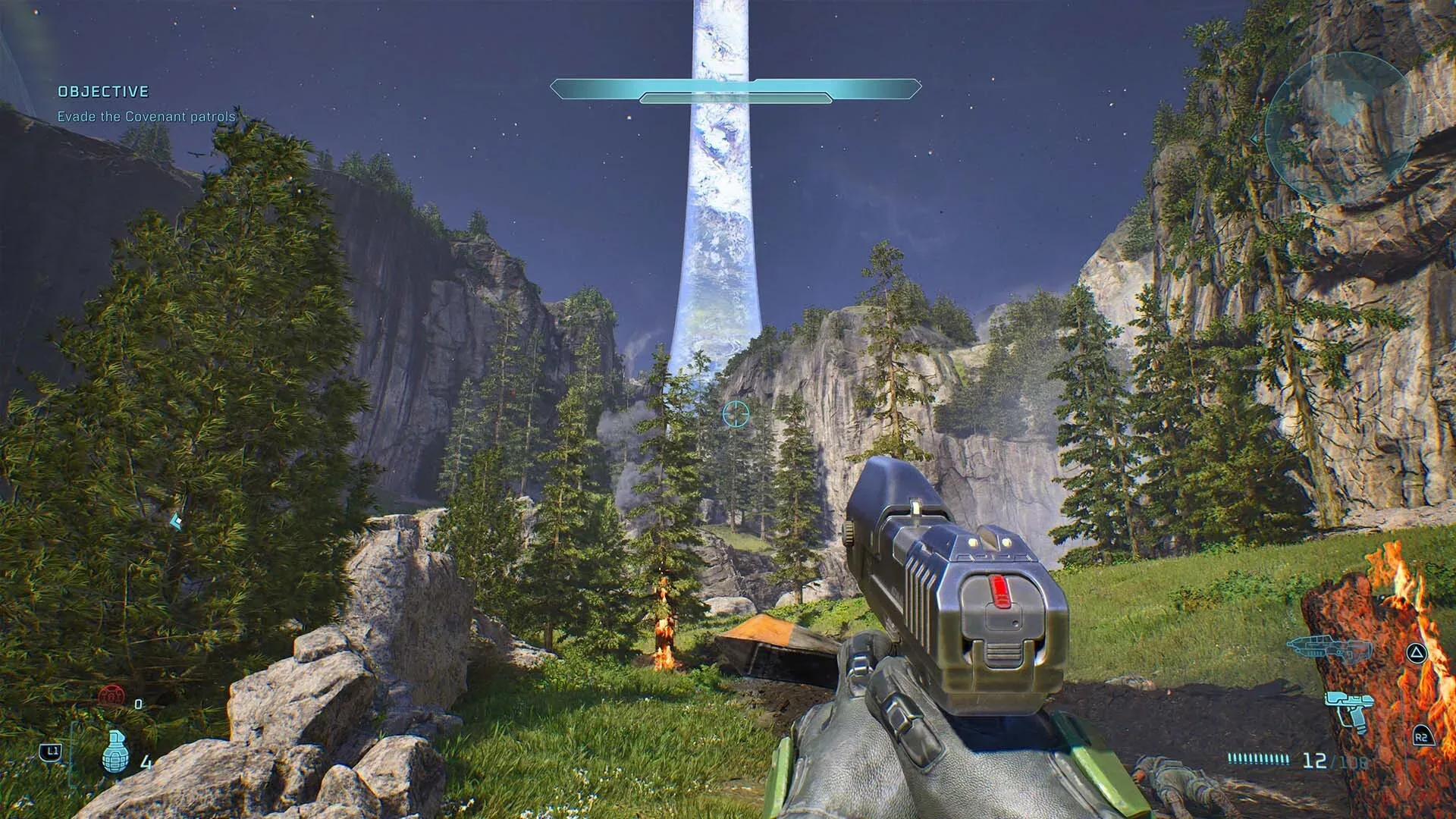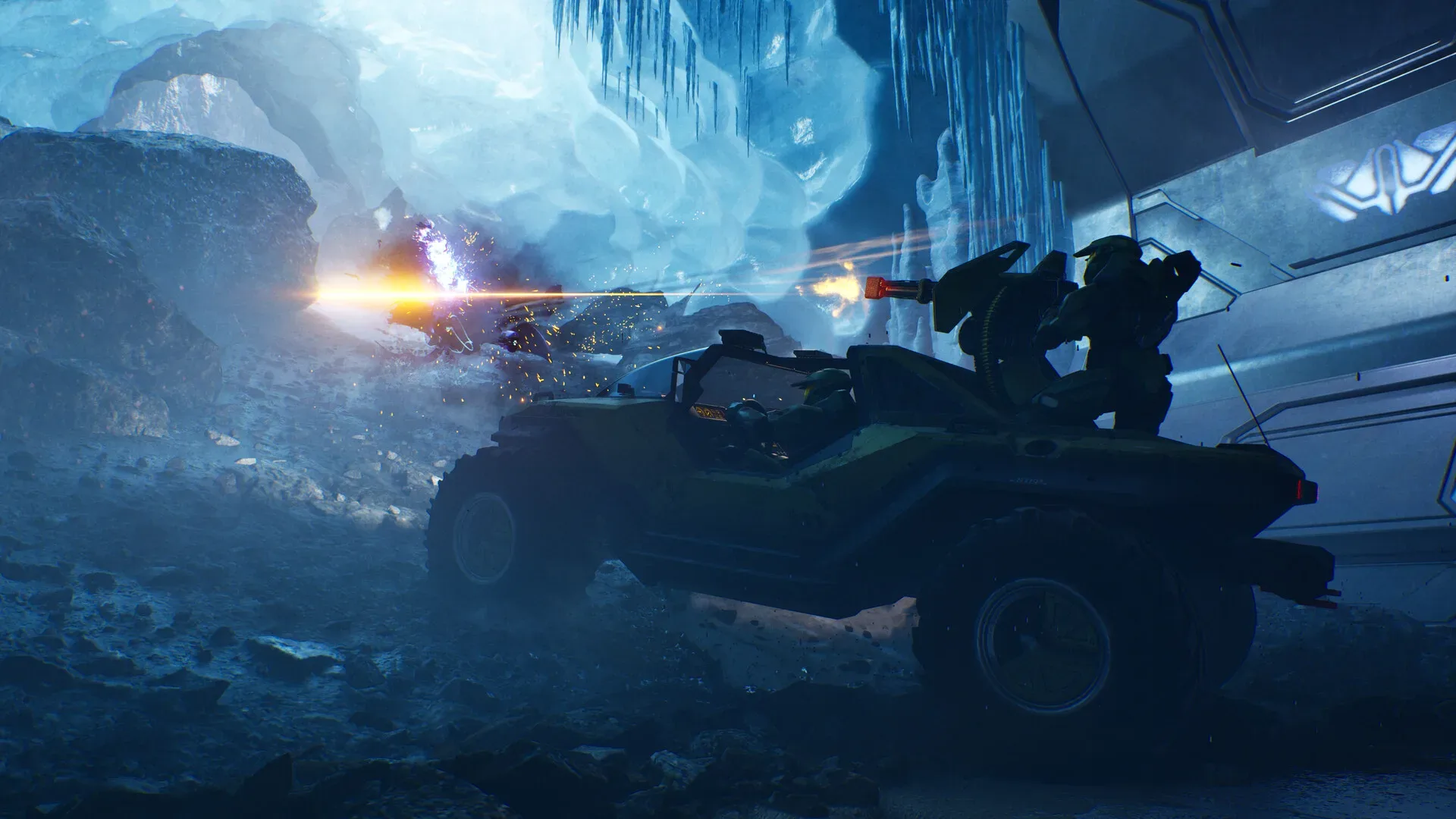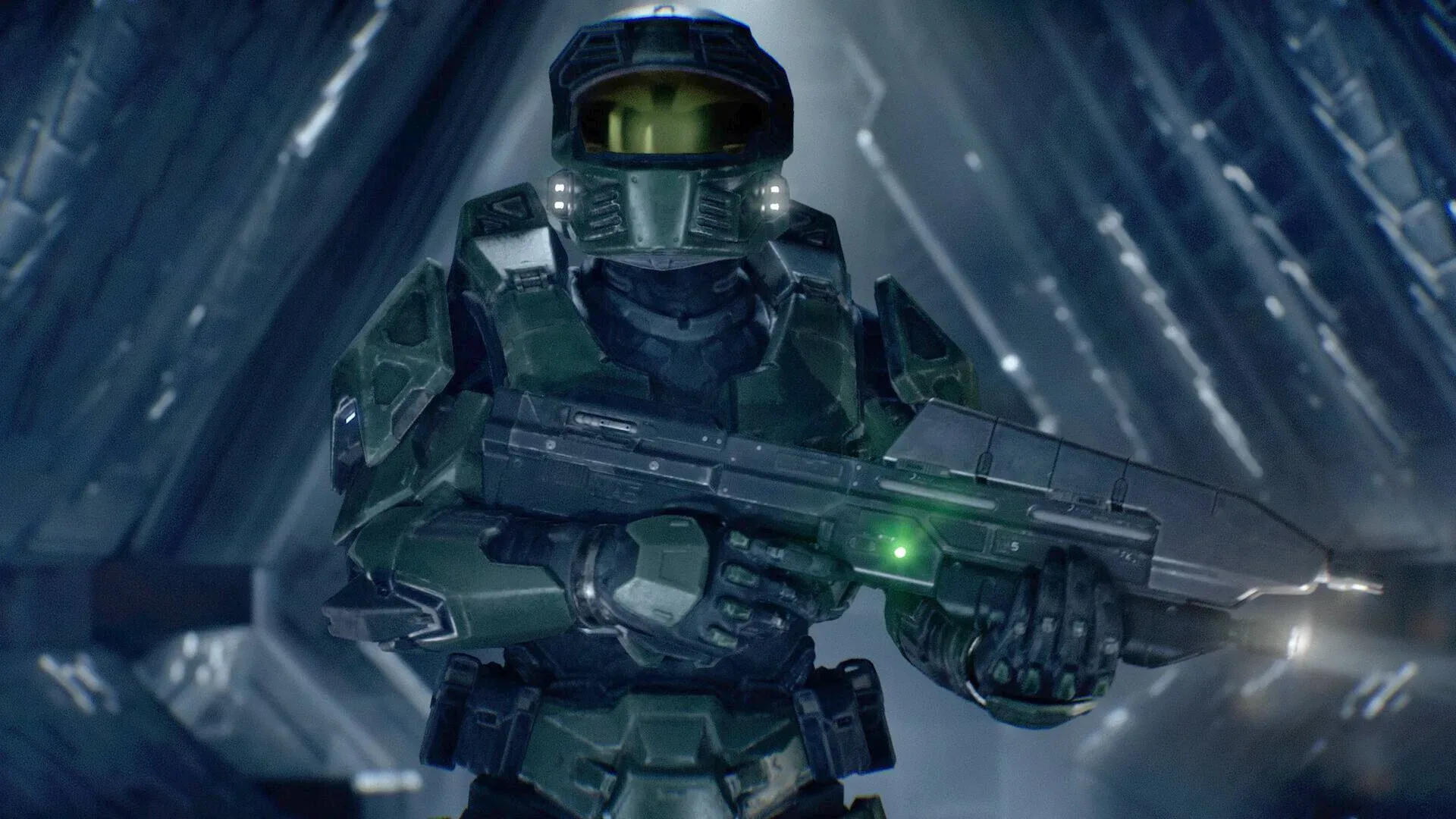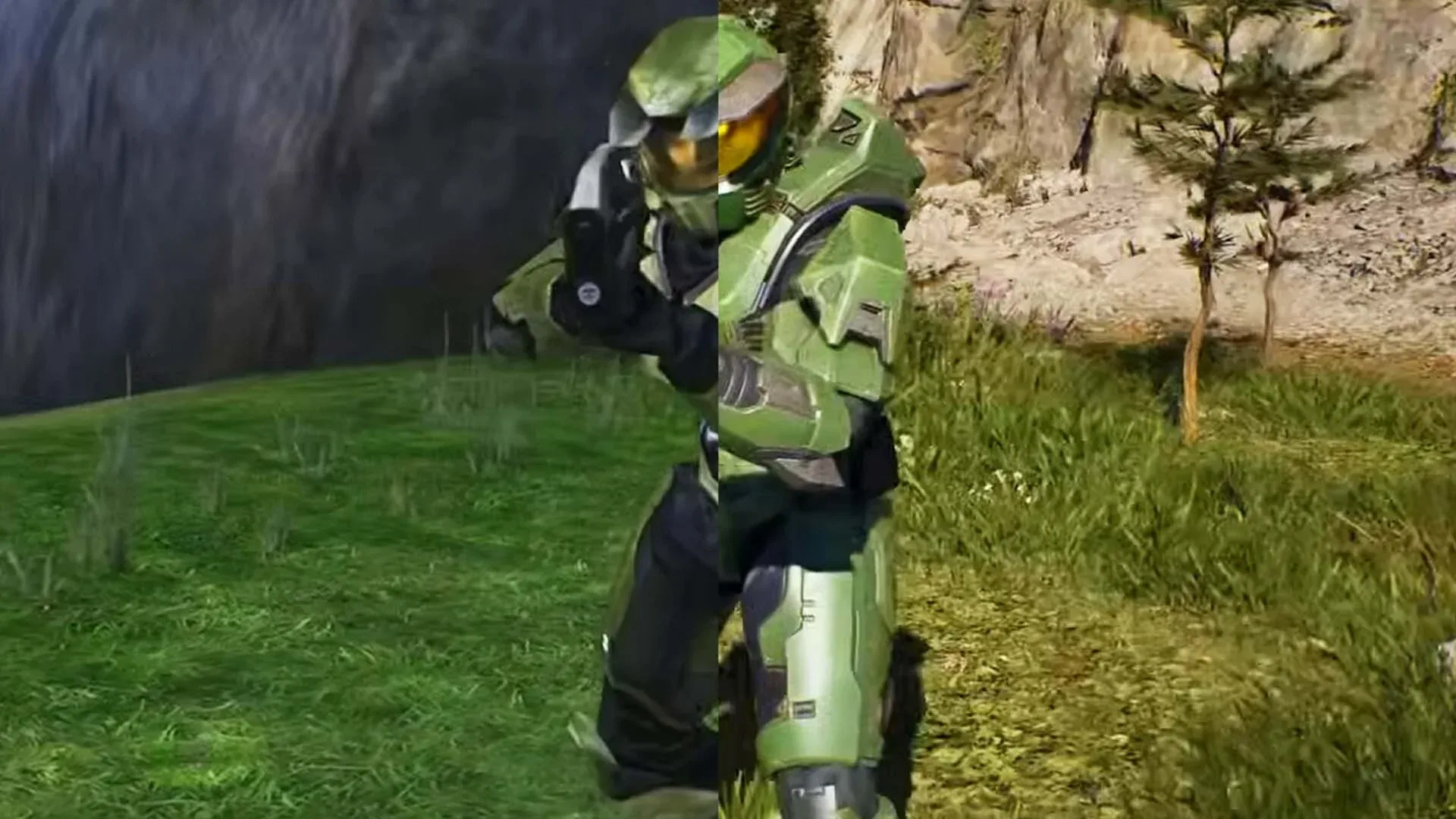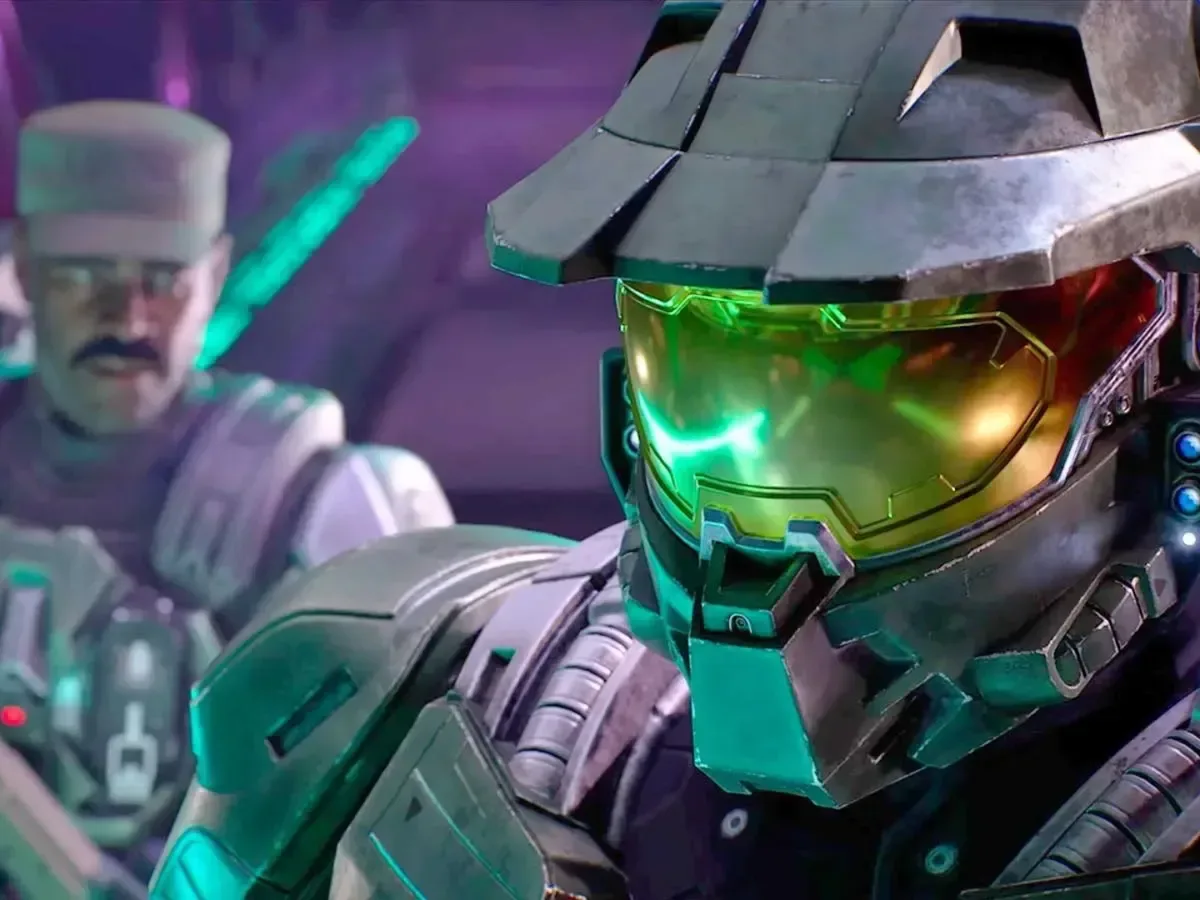
Halo has spent 25 years being many things: a console showcase, a competitive pastime, a science-fiction landmark, a corporate tentpole and an argument-starter about which gun is secretly the only gun worth carrying. But Halo: Campaign Evolved, the reported new remake of the original campaign, makes a stronger case for an older idea: Halo works because it gives two people enough structure to survive together and enough chaos to make fun of each other.
That distinction matters as the series enters an uncertain moment. Microsoft has reportedly reduced Halo Studios and placed the series under Activision’s stewardship, only months after Halo’s 25th anniversary. There is no shortage of reasons to read that as an inflection point. Yet the most revealing measure of what Halo means may not be an organizational chart or a brand plan. It may be whether two longtime co-op partners can boot up the campaign, disagree immediately about the assault rifle, repeatedly ruin each other’s day, and still stay up until 1 a.m. to finish the fight.
That is the central promise described around Campaign Evolved: not merely cleaned-up memories, but a campaign whose encounter design still produces stories that no player planned. The premise may sound quaint beside modern games built around seasons, loot, ranked ladders and endless returns. It is also remarkably durable. Halo’s original campaign has an ending. You can finish it. And while you are finishing it, the game keeps finding ways to turn a conventional firefight into a small disaster that everyone involved will remember.
The useful mess of a “Halo moment”
A “Halo moment” is not a formal feature or a marketing term. It is the name players give to an unscripted collision between systems: an enemy AI decision, a vehicle’s momentum, an explosive object, a mistimed jump, a grenade that sticks to the wrong person, or a piece of airborne debris that decides the player’s career is over.
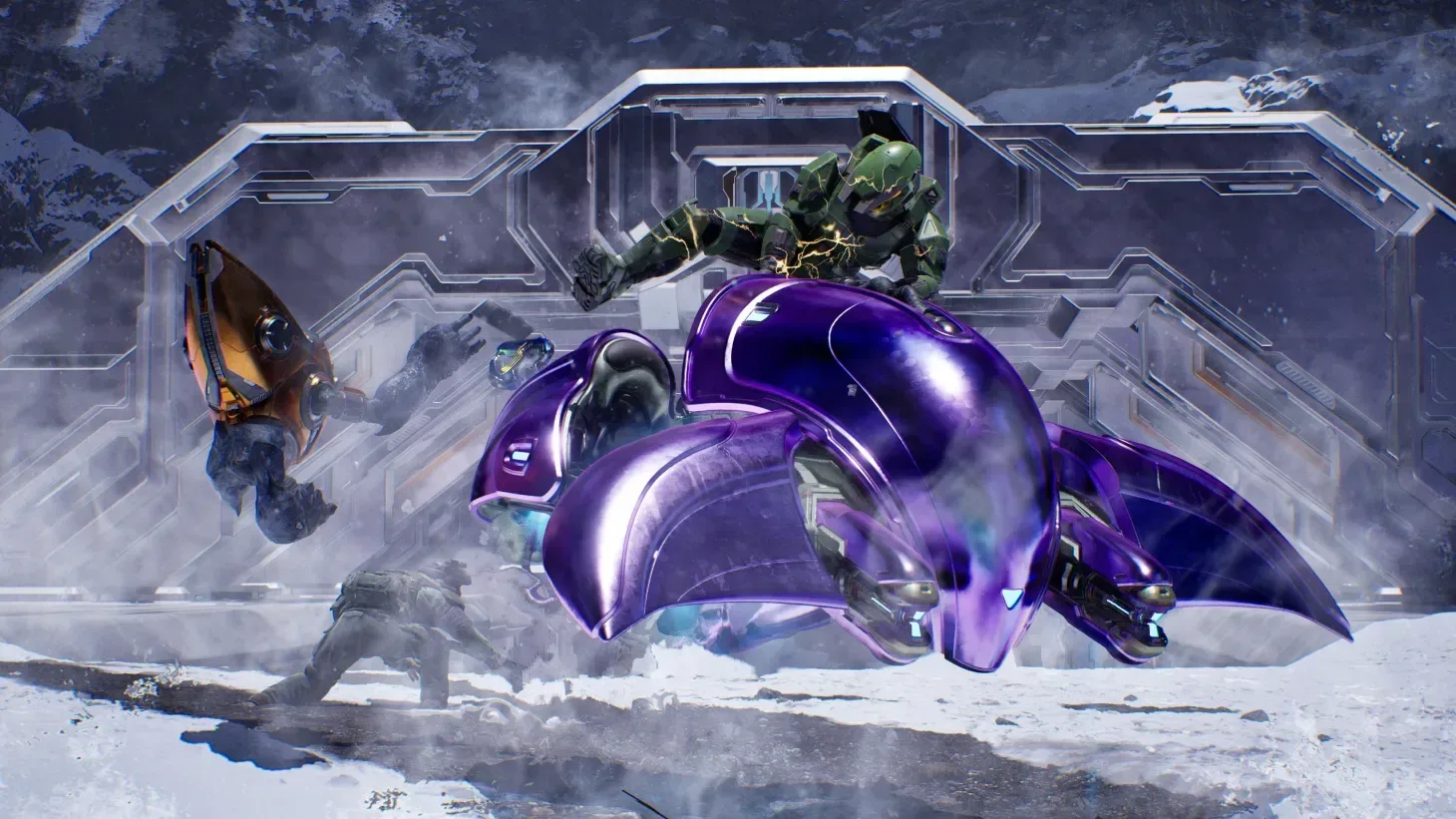
Campaign Evolved is described as still being especially good at these events. Grunts can rush a hallway carrying plasma grenades. Flood enemies can leap with just enough hang time to invite a shotgun blast. Banshees, the Covenant’s one-pilot attack craft, can briefly present their noses to a rocket launcher. Those are deliberately authored combat prompts. The unexpected part is what follows: the rocket destroys the Banshee, a fragment flies across the arena, and the victorious player is killed by the debris.
That last beat is important. A game can make players feel powerful by letting every input deliver the expected result. Halo’s magic often comes from letting the expected result happen and allowing the physical aftermath to be dangerous, absurd or funny. The player made the correct call and still ate shrapnel. The failure does not erase the success; it completes the joke.
This is also why the game’s co-op design matters. In a solo run, an accidental death may prompt a reload and a sigh. With a partner, it becomes evidence in a case that can be litigated for years. Was the rocket wise? Was the driver reckless? Did the other player quietly walk into the blast radius? None of those questions need a scoreboard. Their value is social, not statistical.
Why Halo co-op accommodates different kinds of players
The reported playthrough exposes a productive conflict familiar to plenty of long-running co-op duos. One player wants clean execution: preserve lives, move efficiently through the encounter, use the right weapon for the right enemy, and avoid wasting a scarce evening. The other accepts frequent deaths, charges into battle, and regards the most technically sound plan as a suggestion rather than a constitution.
Related coverage includes Halo: Campaign Evolved Becomes a 25-Year Test of Friendship and Play.
Halo can serve both approaches because its combat has readable rules without demanding robotic discipline. Weapon roles are clear. The pistol is treated as unusually potent. Plasma grenades reward accurate throws. Hunters have vulnerable rear areas, so circling them can matter more than simply pouring bullets into their armored front. Vehicles create new options but do not dissolve every threat; a Warthog may flatten some enemies, while Flood monsters and powerful melee attacks remain serious dangers.
That is what people mean when they say an encounter has spatial possibilities. The question is not only which gun does the most damage. It is where players can move, which sightlines they can create, what cover survives, whether an enemy formation can be split, and how a vehicle changes the shape of the battlefield. A player can solve a fight through practiced positioning, or through a reckless sequence of grenades, jumps and improvised weapon swaps. Both routes can work. Both can go horribly wrong.
That elasticity is especially valuable in co-op. The careful player can hold a safe angle or operate a turret. The improviser can sprint for an overshield, a temporary defensive power-up, or grab a rocket launcher and cause an entirely different class of problem. A bad plan can become a recovery. A recovery can become a win. A win can become a team kill because friendly fire has been enabled again.
Friendly fire is the rule that allows players to damage their allies. It was enabled in the original Halo and reportedly defaults to off in the remake. That default makes sense for strangers or newcomers who want fewer accidental setbacks. But in a trusted co-op pairing, turning it on changes the mood. It makes every grenade toss a potential act of betrayal, and every quiet moment between firefights an opportunity for pistol-whipping. Halo’s generous respawn behavior softens the punishment enough that sabotage can become horseplay rather than a night-ending argument.
Difficulty is a tool, not a purity test
Legendary difficulty has long been a badge of honor in Halo circles, and the Campaign Evolved discussion makes a persuasive case for why it can be compelling. Tougher enemies and more punishing scenarios force players to live longer inside a combat space rather than flattening it quickly. More time in the arena means more opportunities for flanks, retreats, weapon substitutions, vehicle risks and accidental miracles.
But it also makes the eventual admission here quietly refreshing: the run was finished on Heroic, not Legendary. That is not a lesser ending. It is an accurate one.
Difficulty selection is often treated as a referendum on a player’s identity. It should instead be treated as a way of setting the evening’s pace. Legendary can generate fascinating tactical pressure. Heroic can preserve the feeling of danger while making room for uneven skill, rusty reflexes, inconsistent schedules and one friend who keeps trying to use an SMG when the other desperately wishes he would not.
There is a practical lesson for co-op players in that compromise:
- Choose a difficulty that preserves conversation. If repeated failure turns every encounter into a grim rehearsal, lower the setting.
- Allow different jobs in a fight. One person can drive, another can shoot; one can clear weaker enemies while another handles a larger threat.
- Keep an eye on revive and respawn friction. Fast recovery supports experimentation. Long, punishing resets push players toward cautious optimization.
- Decide whether friendly fire is part of the bit. It can create excellent comedy, but only when everyone understands the contract.
- Leave time to fool around. The point is not to convert leisure into project management with better explosions.
That final item may be the hardest. The account of Campaign Evolved repeatedly contrasts Halo’s finite, replayable campaign with games organized around recurring content, rewards and the next upgrade. There is no need to pretend those structures cannot be fun. But there is a meaningful difference between returning to a game because it asks for another obligation and returning because the core act of moving, shooting and talking nonsense with a friend remains satisfying.
A campaign built to change the question halfway through
The original campaign’s structure is central to that satisfaction. Early encounters establish a language of weapons, Covenant enemies and spaces. Later, the arrival of the Flood changes the terms. Areas that had been understood one way must be reconsidered when a different enemy type rushes them. The campaign is not simply adding more opposition; it is asking players to reassess what they have learned.
That is good campaign pacing in its clearest form. Rather than endlessly escalating numbers, the design introduces a meaningful new pressure. A corridor that once favored a familiar weapon may suddenly become a close-range panic zone. A previously cleared route can turn into a retreat path as enemies force players backward. The player’s knowledge remains useful, but it cannot remain static.
Vehicles fit into this design instead of becoming an escape hatch. The Warthog changes movement and creates spectacle, but players still need to respect enemy placement and vulnerabilities. The Banshee offers a dramatic route toward a level exit, but getting there can remain the hard part. The reported final stretch works because it increases urgency without abandoning the physical logic that made prior battles enjoyable.
Campaign Evolved also reportedly includes bonus prequel missions. Their quality is judged less warmly than the main campaign, but one multi-level Covenant-cruiser arena is described as a concentrated demonstration of Halo’s strengths: weapons and power-ups scattered through the space, enemies arriving from multiple directions, and overlapping waves that demand fast adaptation. “Horde mode” is the useful shorthand here—an arena survival setup where successive enemies pressure the players—but the important detail is not the label. It is the clarity of the challenge. Give players a toy box, give them threats, and let their decisions make the scene.
What the remake can and cannot preserve
A remake can update presentation, add material and alter defaults. It cannot literally restore the original circumstances: dorm rooms, local gatherings, early broadband-era habits, or the particular spare time that allowed friends to play the same levels hundreds of times. That is the trap of nostalgia. It can mistake a game for every life event that happened around it.
Still, a good remake does not have to recreate a past. It only needs to preserve the conditions that let new memories happen. Campaign Evolved appears strongest when it retains those conditions: physical combat, legible enemy behavior, open-enough arenas, responsive weapons, quick returns after death and space for players to be inefficient together.
This is also why the alleged corporate transition need not be the only lens through which to view Halo’s future. Stewardship decisions matter enormously for a series, especially one with decades of history and a devoted audience. But a future Halo project will ultimately be judged in the hands of players. Does it create encounters with room for mastery without requiring it? Can it surprise two veterans who believe they know every hallway? Can it support a first-time player and an obsessive beside them? Can both people finish the session with a story that sounds ridiculous to everyone else?
Those are higher bars than visual polish or a bigger checklist. They are also the qualities that make an old campaign feel alive instead of merely preserved.
Microsoft’s wider gaming strategy continues to stretch across devices and formats, including the stated Xbox Cloud Gaming plans connected to Meta’s new glasses. Whatever platforms Halo reaches next, its most convincing argument remains wonderfully low-tech: two headsets, a familiar theme, a badly timed grenade and a friend who has somehow made the exact same terrible decision for 25 years.
Halo: Campaign Evolved, at least as described here, understands that play is not always about executing perfectly. Sometimes it is about lowering the difficulty without telling your co-op partner, staying in the battle after the exit is available, and discovering that the petty argument over who caused the explosion is more valuable than the win itself.