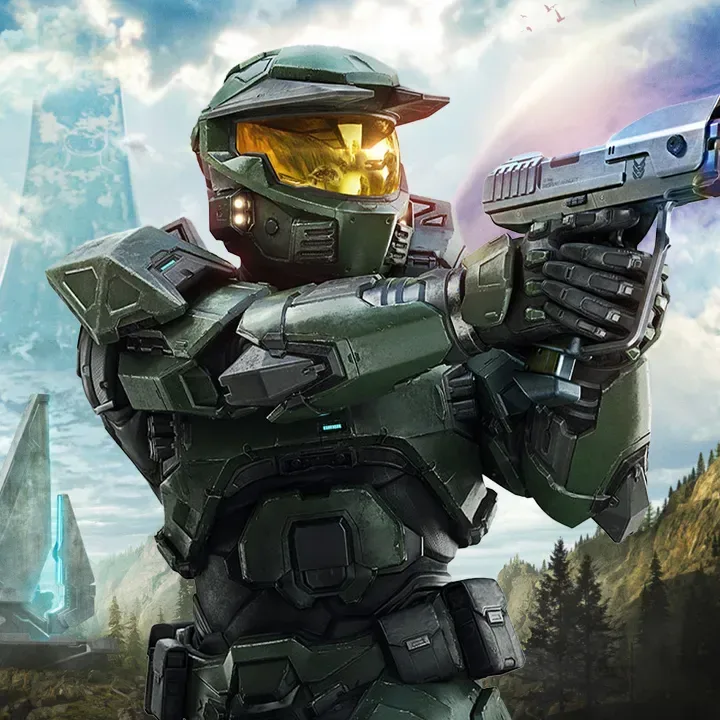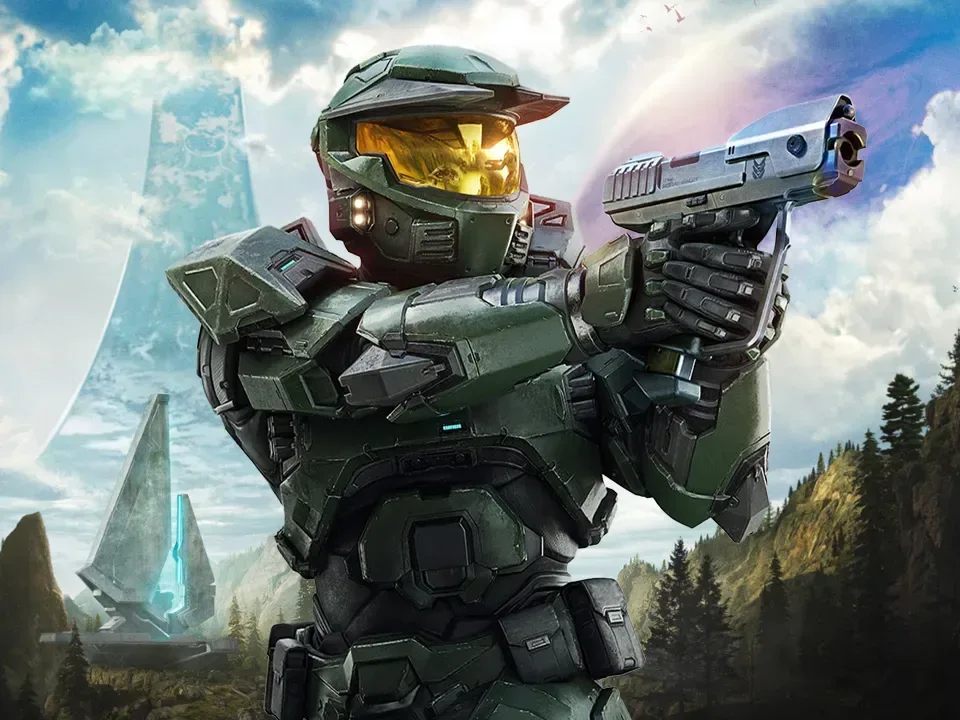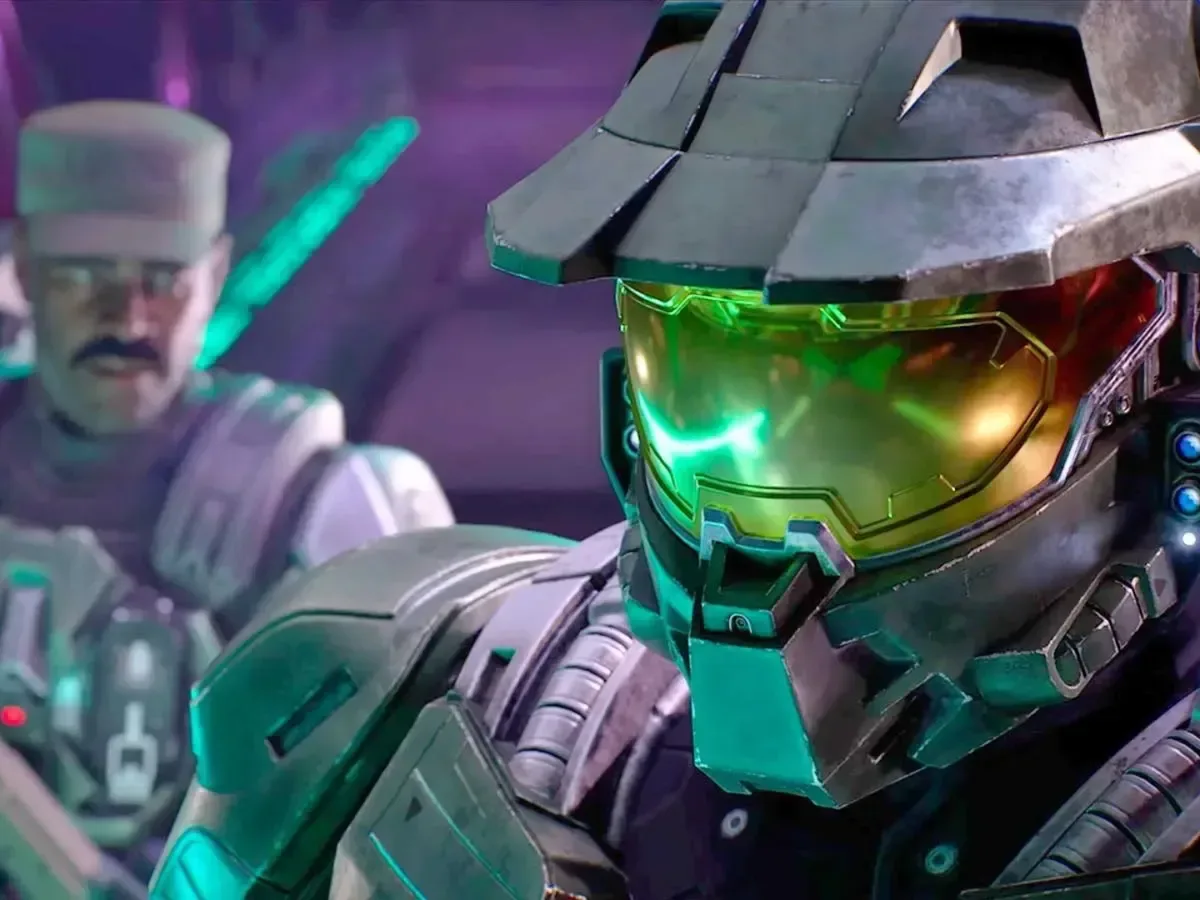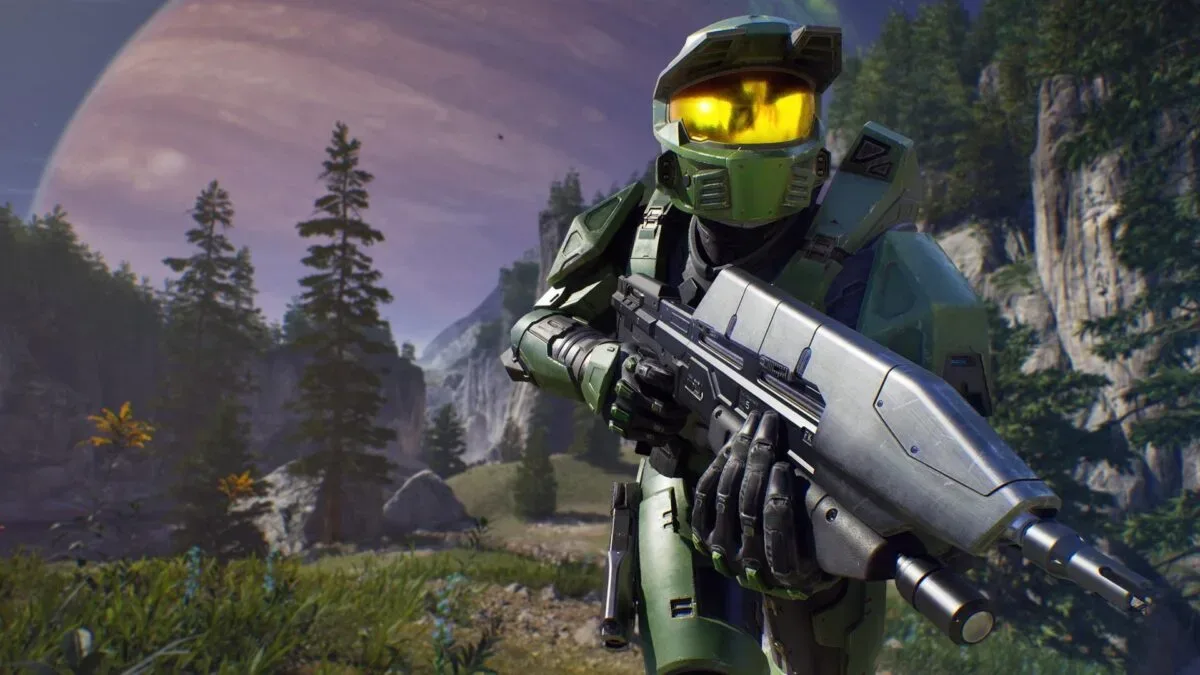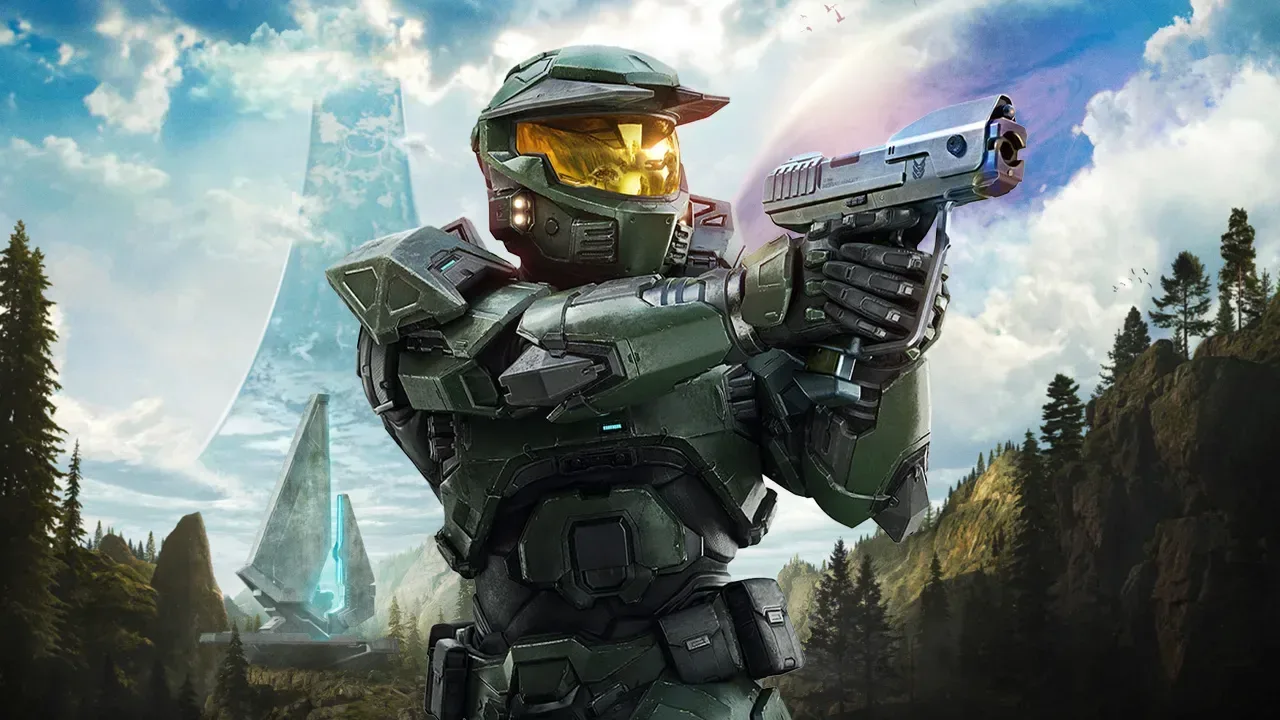
Halo’s next major decision may be bigger than the familiar question of where Master Chief goes next. An unverified online claim has suggested Activision could pursue a complete reboot, potentially discarding the established continuity for a new starting point. There is no confirmed plan for a full reset, but the possibility has sparked a revealing argument: fans are not simply choosing between “old Halo” and “new Halo.” They are weighing how much of the series’ history needs protecting, how much narrative baggage a new game can reasonably carry, and whether Master Chief must remain at the center at all.
The stakes are unusually high because Halo is not just a sequence of numbered games. Its story extends through games, books and comics, and different eras have very different standing among players. That makes a reboot less like changing a setting and more like deciding which shared history still matters going forward.
The reboot rumor is not a confirmed roadmap
The immediate discussion began with a rumor attributed to an online user, TechnicalHalo, claiming Activision may wipe the slate clean. That claim should be treated strictly as speculation. No specific game, scope, creative direction, release window, or continuity plan has been established here.
What has been reported is that Activision is assembling a new team for the next Halo game while Halo Studios has been hit by layoffs. It remains unclear whether any Call of Duty teams will contribute, despite long-running speculation around Sledgehammer Games and Halo. Those staffing circumstances do not prove a reboot, a sequel, a remake, or any particular story choice. They do, however, explain why people are looking at the next project as a possible turning point rather than an automatic continuation.
The production backdrop also makes the continuity question more complicated. Building a team and deciding a long-running franchise’s narrative entry point are separate challenges, but they meet in the same place: the first game a new group makes needs a clear creative brief. A direct continuation carries obligations to existing plot lines. A reboot carries the obligation to explain why decades of audience investment are being set aside. A side story avoids some of both pressures, but must prove it belongs under the Halo name without relying exclusively on its most recognizable hero.
That tension sits within a broader industry climate in which layoffs and changing development economics have become impossible to ignore. The pressure on game development economics and continued layoffs provides important context for why fans may be scrutinizing the shape of a new Halo team as closely as its eventual plot.
What fans mean when they ask for a “reboot”
“Reboot” is being used to describe several very different ideas. Treating them as interchangeable obscures the actual choices being debated.
- Full reboot: a new continuity that replaces the existing version of Halo’s story, allowing new versions of major characters and a new entry point for players.
- Selective reset or retcon: keeping part of the established timeline while revising or disregarding later events. A retcon, short for retroactive continuity, changes how prior fictional events are understood or whether they remain binding.
- Timeline branch: resuming from an earlier point, such as after Halo 3, and taking the story in another direction. This is not exactly a total reboot, since earlier material still matters.
- New-character expansion: retaining the present continuity but telling stories that are largely independent of Master Chief, in the spirit of Halo 3: ODST or Halo: Reach.
Each option addresses a different concern. A full reboot is the cleanest onboarding point. A selective reset preserves a preferred era but judges later installments as disposable. A branching continuation tries to restore a familiar status quo while still technically adding new material. New-character stories preserve the universe’s breadth without forcing every future conflict through Chief’s arc.
Related coverage includes Halo Fans Debate a Full Reboot as Activision Prepares Its Next Move.
The disagreement is therefore not just about nostalgia. It is about what a coherent starting point looks like for a series with more than 20 years of games, books and comics behind it.
The case for preserving the earlier era
A notable group of fans would prefer to retain the games associated with Bungie, from Halo: Combat Evolved through Halo: Reach, while treating later game storytelling as the portion most in need of revision. In this view, the goal is not to erase Halo’s foundations. It is to protect the stories that established Master Chief, the universe’s tone, and the emotional significance of the original saga, while reopening the future.
This approach has an obvious attraction: it recognizes that continuity is not a single all-or-nothing asset. Fans can value Halo 4 to varying degrees while still feeling that Halo 5 and Halo Infinite did not establish a satisfying forward path. One participant in the discussion described Halo 4 as having improved in their estimation over time, while arguing that the stories in the next two games did not reach a meaningful destination.
But a selective reset has its own cost. It creates a hierarchy in which some players’ attachment to later material is acknowledged only to be overruled. It can also make a franchise look uncertain about its own decisions. If a company follows a numbered sequel with a revision that nullifies it, the new direction has to be unusually persuasive or the reset may deepen, rather than solve, concerns about long-term planning.
That is why another proposal—starting again from the end of Halo 3—is both tempting and divisive. It offers a familiar launch point, but it would effectively sideline more than a decade of stories and could still feel like an evasion instead of a true plan for Halo’s future.
Master Chief’s voice is part of the question
The prospect of recasting Master Chief adds a practical dimension to the story debate. Fans discussing a reboot have pointed to Steve Downes’ age and the likelihood that, if Chief’s story continues for years, a new actor will eventually be needed. That is not a confirmed casting change or a stated production plan. It is an inference made by fans considering the realities of a franchise expected to continue over a long horizon.
For some, a full reboot would make a recast easier to accept. A newly framed continuity could introduce a fresh interpretation of Chief from the outset rather than asking the audience to absorb a major performance change halfway through an existing storyline. Others see the very need for a recast as a reason to move beyond Chief, not a reason to rebuild him.
The distinction matters. A new actor does not automatically require a new continuity, and a reboot does not automatically require every character to be recast. But a reboot can give a creative team broad latitude to redefine relationships, characterization, and the role of iconic figures such as Chief and Cortana. That freedom is precisely what appeals to advocates of a clean break—and what alarms fans protective of the original versions.
There is a fourth path: make Halo bigger than Chief
Some of the most constructive responses reject the premise that Activision must either continue Chief’s current storyline or erase it. Halo: Reach and Halo 3: ODST are central reference points because they demonstrate that Halo can support distinct characters and perspectives without abandoning its identity.
That route could mean stories set earlier or later in the established timeline, or tales occurring alongside familiar events but mostly disconnected from them. One fan argued that later-era material should not be completely overwritten, noting that worthwhile stories exist outside the games, and proposed going forward or backward with new characters instead.
Practically, this option lowers the burden on a new audience. New players do not need exhaustive knowledge of every prior conflict to understand an original cast and self-contained objective. At the same time, longtime fans do not have to watch existing continuity be declared invalid. It is not a magic solution: a distant side story still needs a strong reason to use Halo’s universe, and it must communicate its place in the timeline clearly. Yet it directly answers the concern that the franchise has become too dependent on one protagonist and one increasingly dense chain of events.
It also reframes the question from “Can Halo replace Master Chief?” to “What kinds of Halo stories have room to exist?” That is a more useful question for a universe already shown to accommodate soldiers other than Chief.
What a decision would signal
If Activision eventually confirms a full reboot, the most important detail will not be the word “reboot” itself. It will be the stated purpose. Is the goal to make Halo accessible to players with no prior knowledge? To establish a durable new cast? To reshape Master Chief for a different generation? Or to simplify a plot that many fans feel has become difficult to continue cleanly?
Likewise, a continuation would need more than a promise that the existing storyline is still canon. It would need a clear account of why this is the right point to resume and what kind of payoff players can expect. A new-character project would need to show that it is a genuine Halo story rather than a cautious detour.
For now, there is no verified answer to which route Activision will choose, and the next Halo game may be some distance away. The current debate is valuable precisely because it identifies the trade-offs early. A clean slate can invite newcomers but risks alienating devoted players. Preserving continuity honors investment but can raise the barrier to entry. Moving away from Chief can broaden the universe but asks audiences to embrace a different center of gravity.
Halo’s future does not need to be decided by a rumor. But the reaction to one makes the underlying challenge clear: the next game needs more than familiar armor, names, and symbols. It needs a direction that players can understand, whether it begins anew, repairs an old route, or opens a completely different road through the universe.