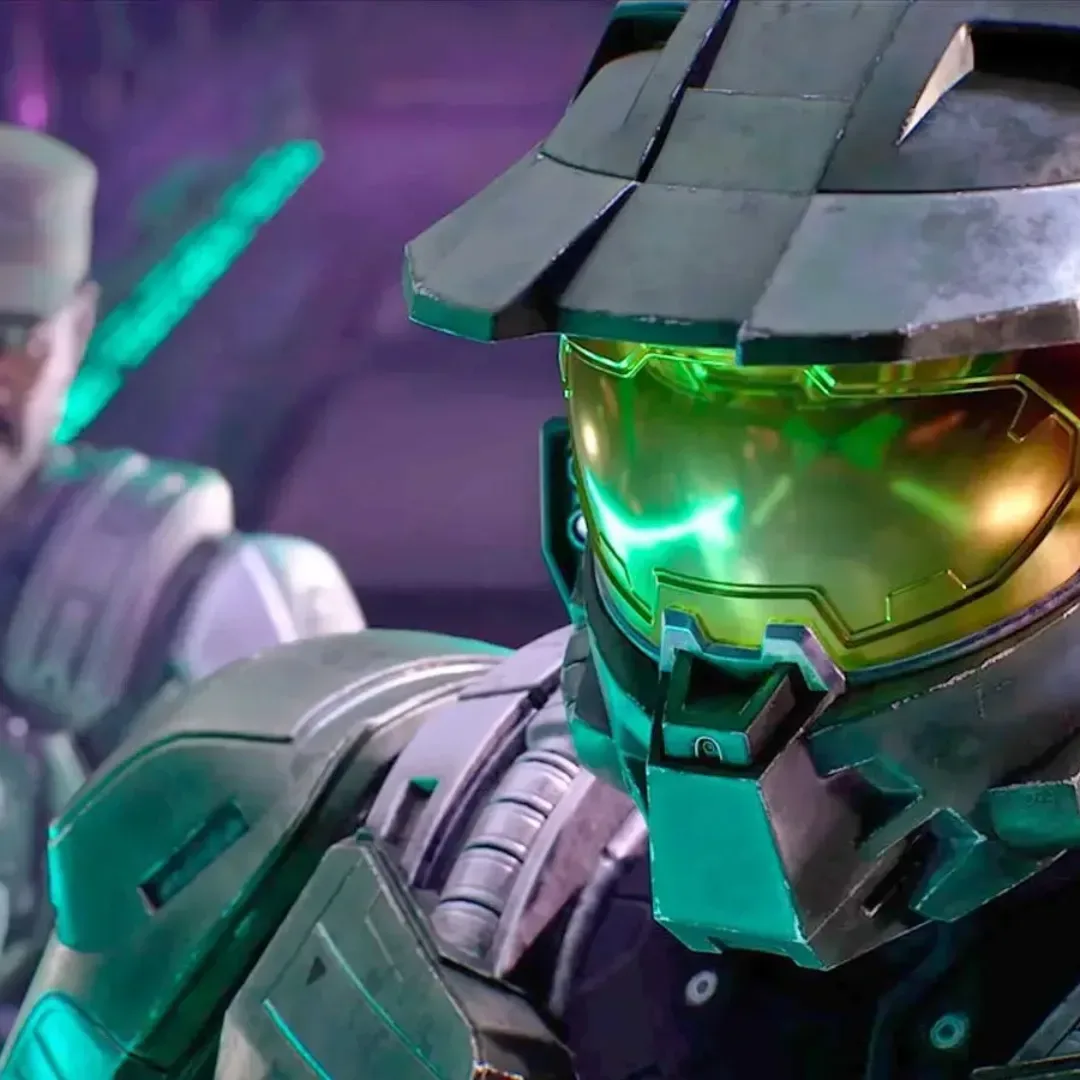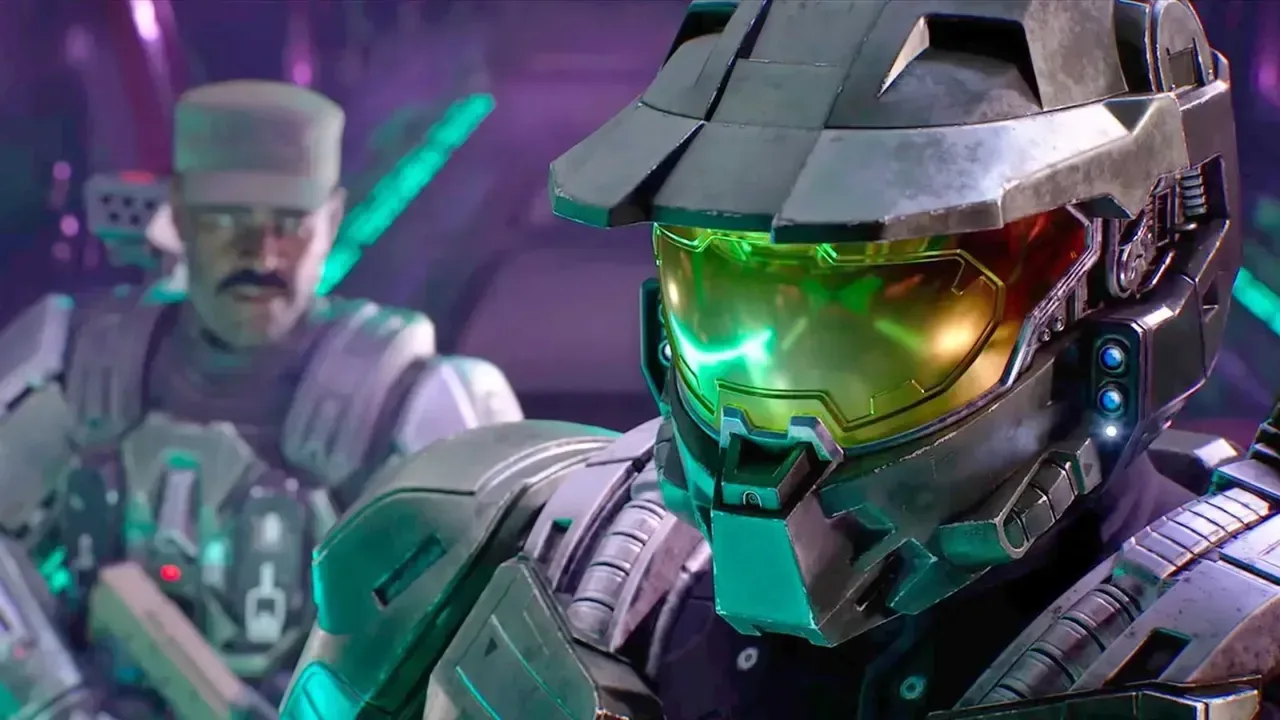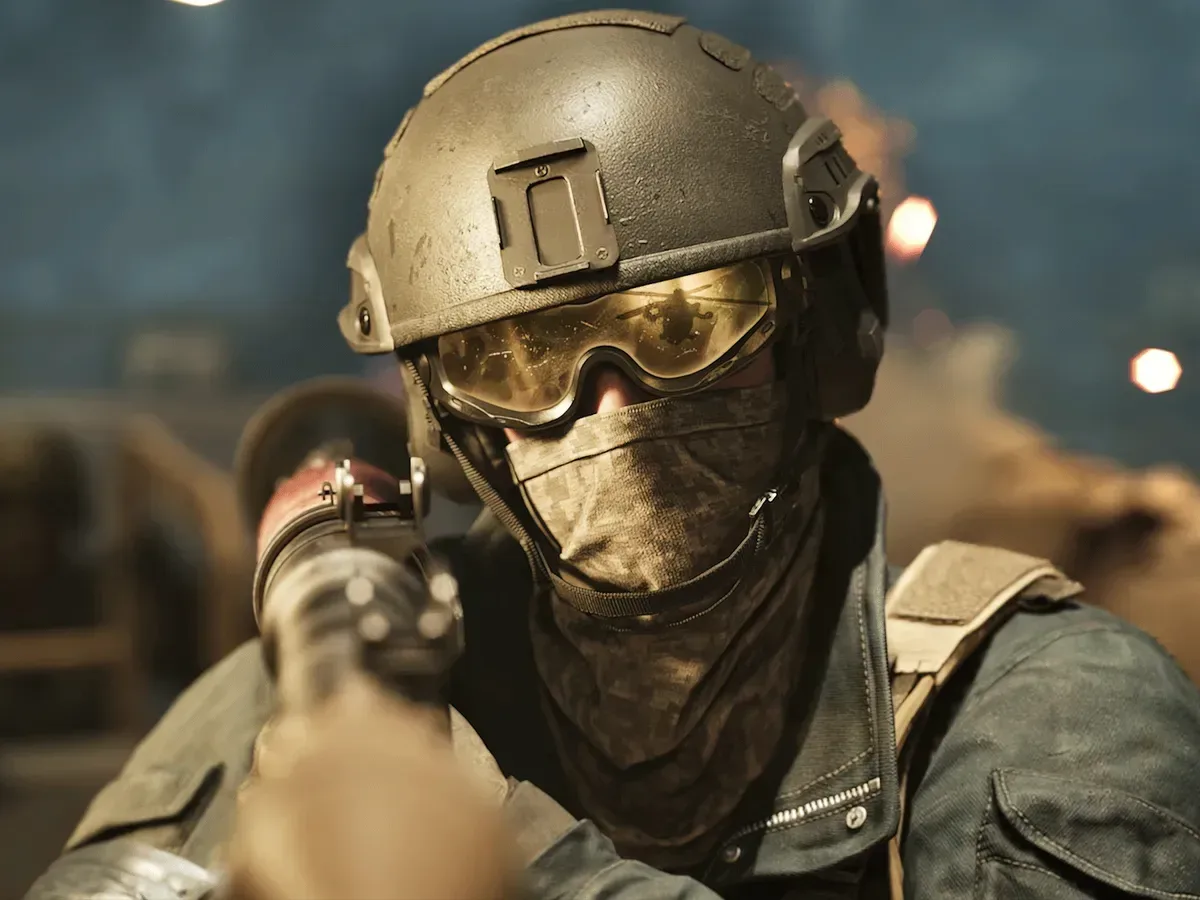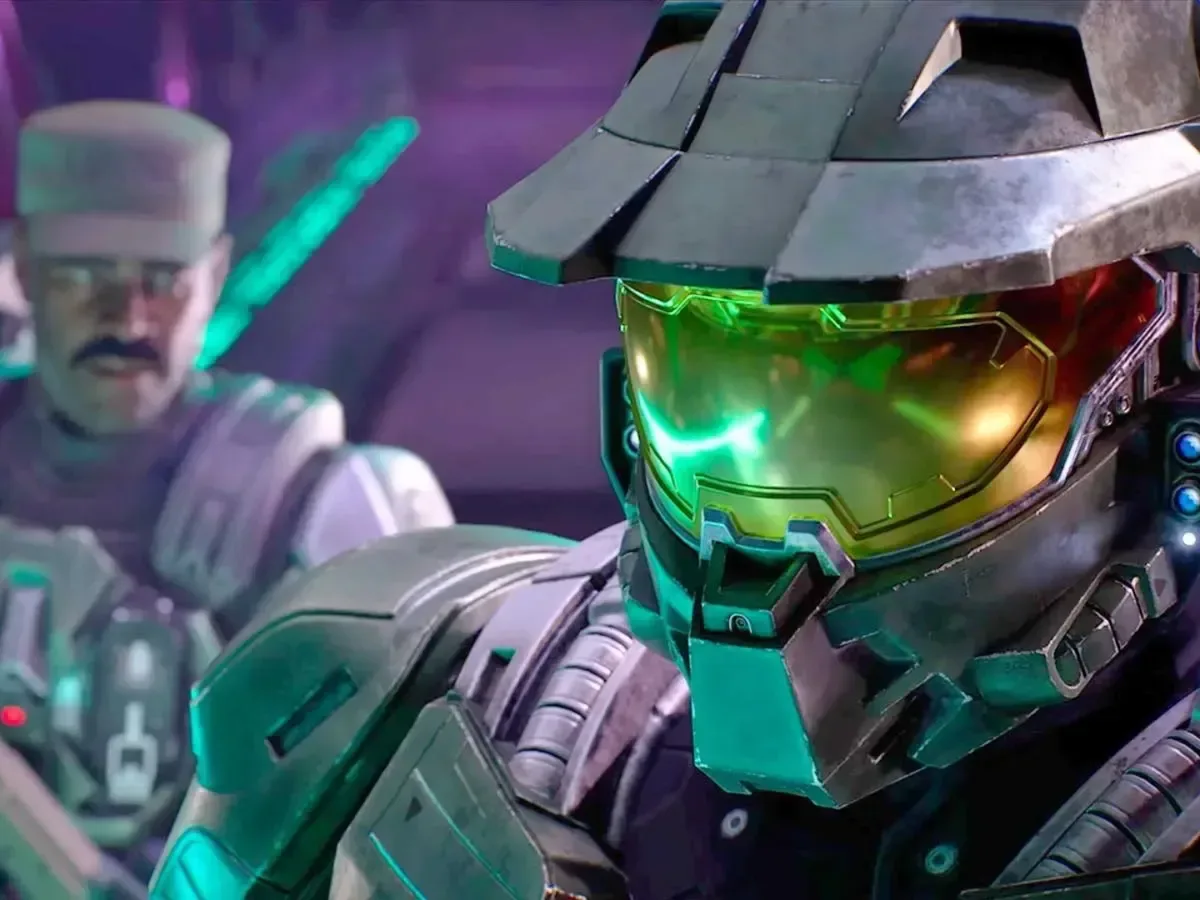
Halo’s future is suddenly the subject of a very different kind of firefight. Reports that Activision will take over development of the next Halo game, following major layoffs at Halo Studios, have prompted a familiar mix of grief, suspicion, memes and guarded hope across the community.
The immediate reaction is not a clean verdict on whether the move is good or bad. It is a debate over what Halo needs to become next—and, just as importantly, what longtime players do not want it to become. For some, handing the series to the developer associated with Call of Duty feels like an unthinkable collision of two shooter communities that once defined themselves partly in opposition to one another. For others, the change represents a chance to reset a franchise they believe has struggled for too long.
One point is much less abstract: layoffs have real consequences for the people who worked on Halo. That human cost is central to the unease around any claims of a fresh beginning. A new team, a new structure, or a new long-range plan may eventually be judged on the game it produces, but none of that erases the disruption that came first.
Why the handover feels so strange
Halo and Call of Duty have long occupied adjacent but distinct spaces in the console-shooter landscape. That is why some players are framing the reported handover less as a normal studio assignment and more as a cultural reversal. Fans who remember moving between Halo: Reach and Black Ops II describe the contrast as dramatic: different pacing, different identities and different communities.
That history does not prove Activision cannot make a successful Halo game. It explains why the prospect is emotionally charged. Halo is not simply a science-fiction setting with recognizable armor and weapons. To its fans, it carries expectations about its campaign tone, its multiplayer feel, its vehicles, and its particular balance of familiar elements such as the Banshee and Energy Sword.
Those expectations are already feeding jokes about a future in which every recognizable part of Halo is treated as a vehicle for a store bundle. The most widely shared fears are deliberately exaggerated: celebrity crossover skins, loud cosmetic costumes and a purple Energy Sword positioned as a $20 purchase. The image is absurd on purpose, but it expresses a sincere concern about monetization and aesthetic cohesion.
What “monetization” means in this conversation
Monetization is the catch-all term for ways a game earns money after, or alongside, its initial sale. In this case, the concern is not merely that cosmetic items might exist. It is that paid cosmetics, crossover characters, and recurring purchases could become so prominent that they distract from Halo’s visual world and competitive identity.
There is no supplied detail establishing the business model, cosmetic catalogue, or crossover plans for Activision’s Halo project. The memes should therefore be read as speculation and anxiety, not as evidence of announced features. Players are using a recognizable shorthand: if a game is built around highly visible purchasable cosmetics, they worry the game’s fiction and presentation may be subordinated to the marketplace.
Related coverage includes Halo Fans Split as Activision Takes Over the Next Game.
The other side: a desire for a decisive reset
Not every reaction is negative. A substantial contingent is approaching the shift with cautious optimism, often because they see the existing status quo as untenable. Comments point to disappointment with Halo’s direction over much of the past decade, while others single out the Master Chief Collection as the most successful recent Halo-related release in their view.
That sentiment is not exactly enthusiasm for corporate upheaval. It is closer to a willingness to wait for proof. Fans who are open to Activision taking charge generally still acknowledge the layoffs as painful and say they want to see what comes next before declaring the restructure a success.
Former Blizzard president Mike Ybarra has publicly backed the transition, arguing that Activision can take risks and create a Halo experience capable of establishing the series for the next decade or more. It is a bold expectation, but it is also only an expectation. No specific game design, release timing, platform plan, campaign structure or multiplayer format has been detailed here.
That absence matters. A studio assignment alone does not answer the questions most relevant to players: Who will be making the game? What will be preserved from Halo’s established formula? How will the campaign and multiplayer be prioritized? Will the project receive the time and support required to meet the expectations attached to its name?
Memes are filling the information vacuum
When details are scarce, communities create their own versions of the future. The result has been an outpouring of mockups showing Master Chief in increasingly ridiculous downloadable-content outfits. The humor works because it sets a deeply recognizable character against a hypothetical commercial strategy that fans fear would be incompatible with the series.
It also gives players a way to debate a complicated development change without pretending that every concern is a confirmed fact. A meme about a celebrity hijacking a Banshee does not forecast the next Halo. It does reveal what some fans consider non-negotiable: Halo should feel like Halo, even as it evolves.
There is a useful distinction to keep in mind between a publisher or development label’s reputation and a finished project. The reported move has triggered understandable assumptions based on Activision’s association with Call of Duty, but Halo’s next game has not been described in enough detail to support firm conclusions about gameplay, cosmetics or creative direction. The community’s skepticism is real; the predicted outcomes remain unproven.
What fans can reasonably watch for next
Until clearer information arrives, the most meaningful signals will be concrete rather than rhetorical. Players hoping for reassurance should look for details that establish the project’s identity instead of broad promises about a new era.
- Creative stewardship: Who is leading development and how the team describes its relationship to Halo’s core identity.
- Campaign priorities: Whether the next entry explains what kind of single-player experience it aims to deliver.
- Multiplayer philosophy: How the team talks about competitive play, social modes, progression and ongoing support.
- Cosmetic boundaries: Whether any future plans make clear how paid items, if present, will fit the game’s visual universe.
- Evidence over nostalgia: Footage, design specifics and a transparent plan will carry more weight than either doomposting or automatic faith in a new developer.
That framework is particularly important because Halo’s legacy can create two equally unhelpful reactions. One is to assume no new team could possibly meet the standard. The other is to treat a change in ownership or developer as an automatic cure. Both skip the work of evaluating the game on the details that eventually emerge.
The broader shooter space will continue moving while Halo’s next direction takes shape. Other projects are already making hard choices around season structures and progress resets, as seen with Wardogs Season 2’s planned progression wipe. For Halo, the central challenge is less about copying any trend than identifying which choices serve its own audience and world.
A franchise at a trust-building moment
The most revealing part of the reaction may be that optimism and pessimism are often coming from the same place: fans want Halo to matter again. Critics of recent years are not necessarily hoping for failure; many are saying that the series needs a more convincing direction. Meanwhile, those worried about Call of Duty-style influence are defending the qualities they believe made Halo distinctive.
There is no immediate answer to whether Activision’s reported takeover will help restore that confidence. There is not yet enough information to declare the series ruined, redeemed, transformed into a crossover parade, or safely returned to form. The current response is better understood as a demand for accountability. Fans have made it clear that a famous name, a long-term promise, or a restructuring headline will not be enough by itself.
For now, Halo’s future is caught between a serious industry shakeup and a barrage of purple Energy Sword jokes. The jokes may be loud, but the underlying message is straightforward: players are ready to be surprised, provided the next game gives them a reason to believe.