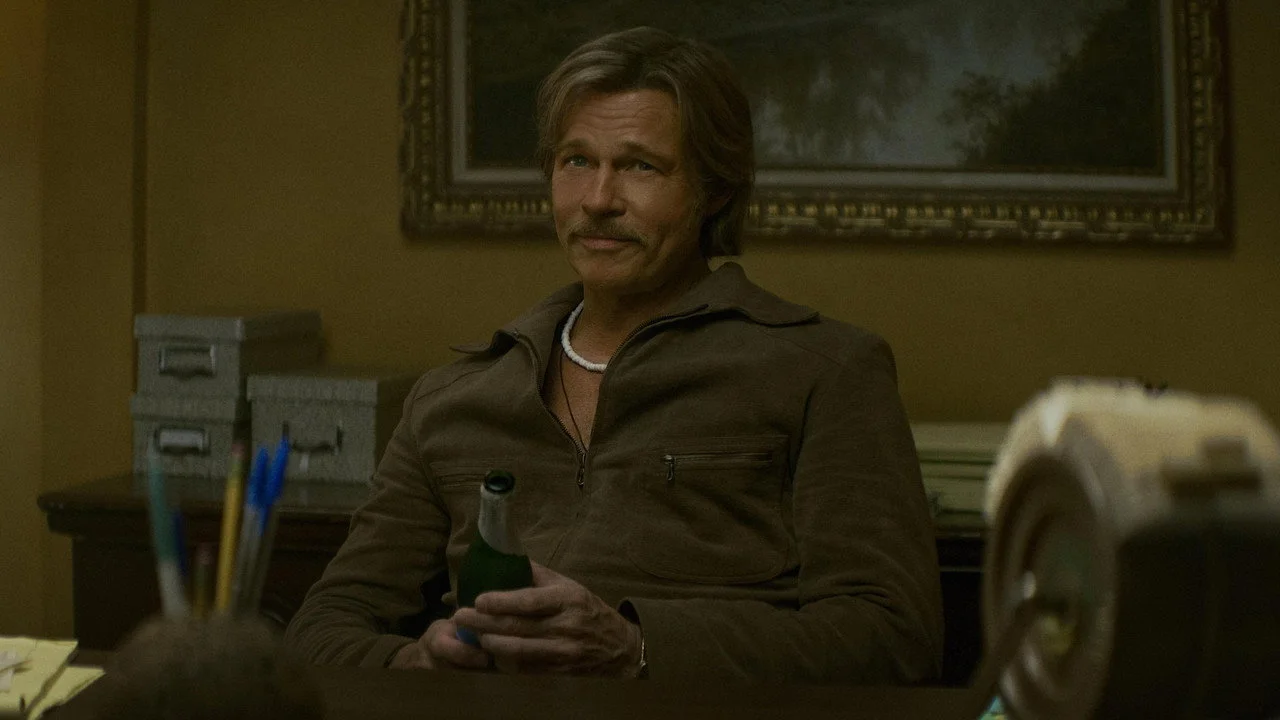

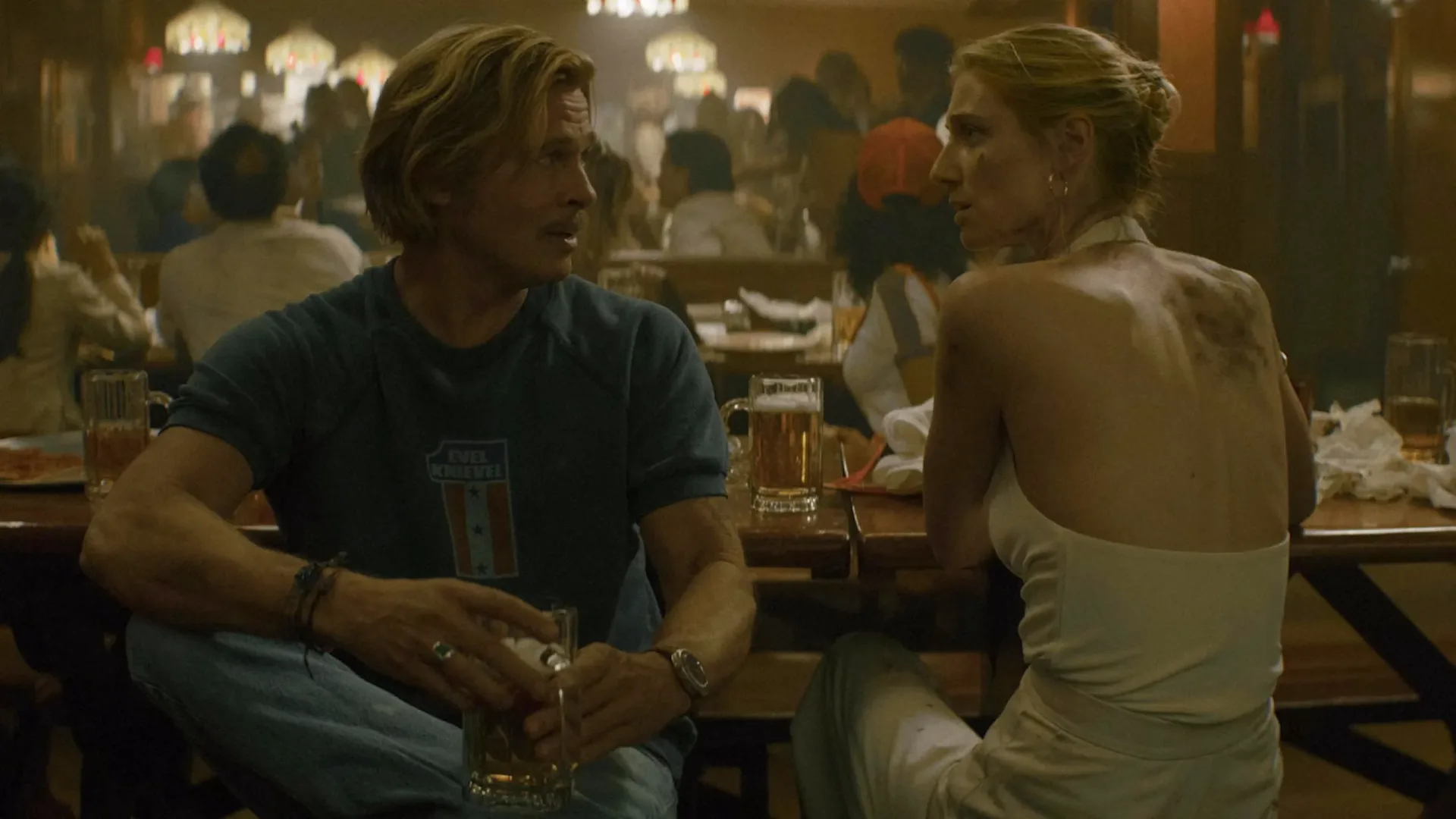
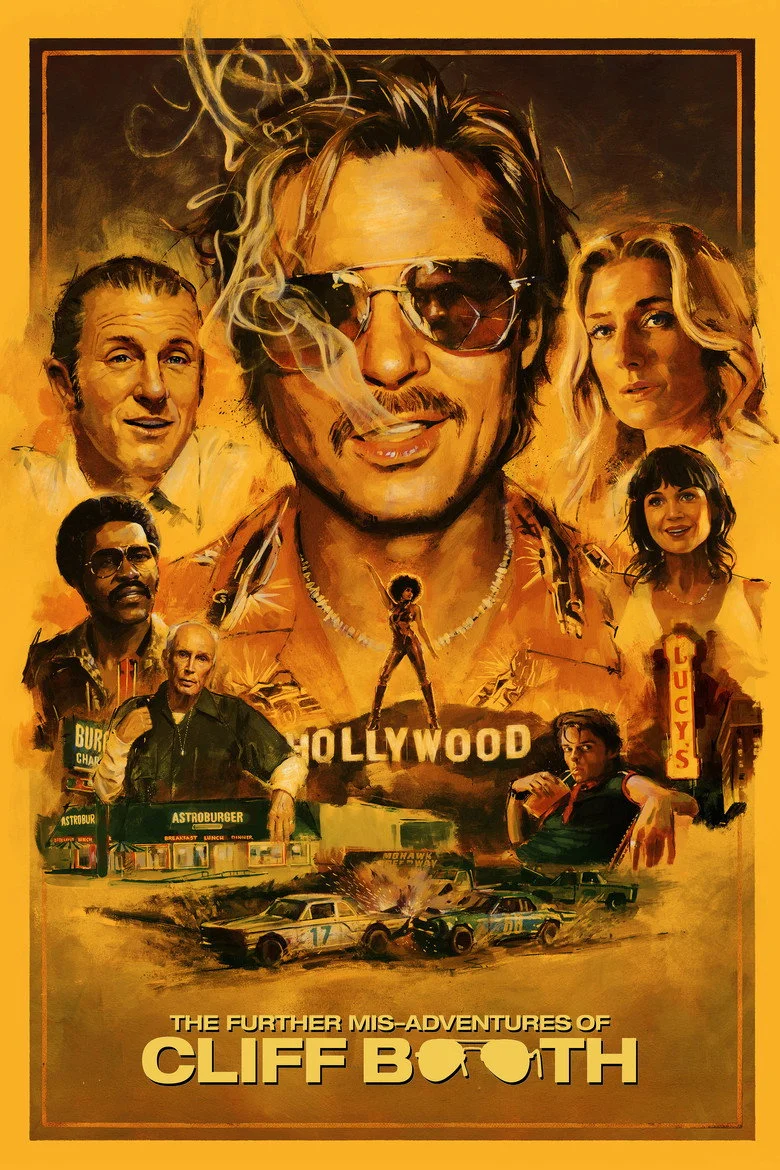
 Brad PittCliff Booth
 Elizabeth DebickiKaren Crosby
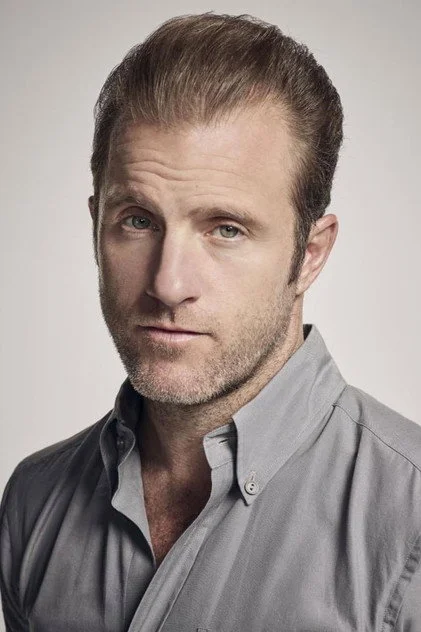 Scott CaanCharlie Peters
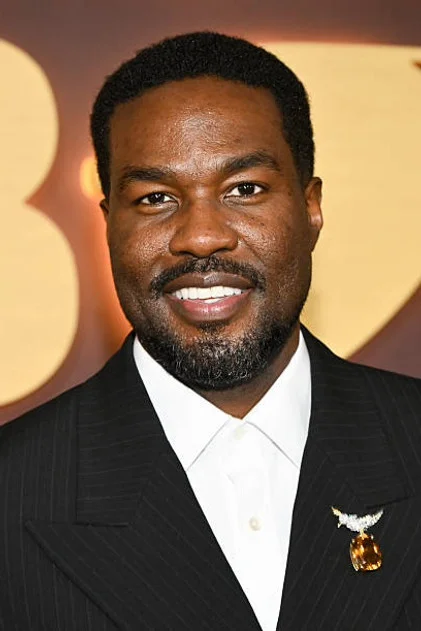 Yahya Abdul-Mateen IIRoderick 'Hot Rod' Harrison
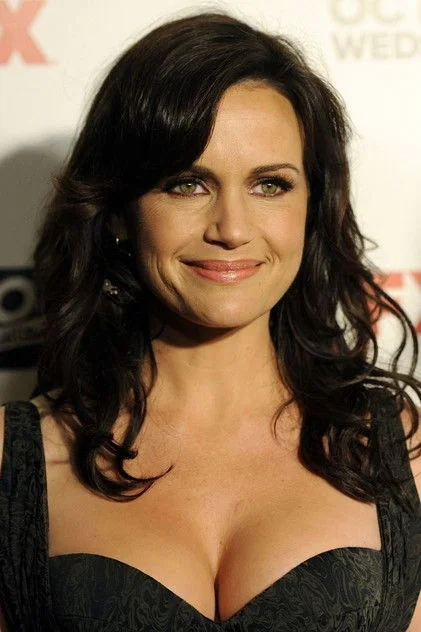 Carla GuginoToni Peters
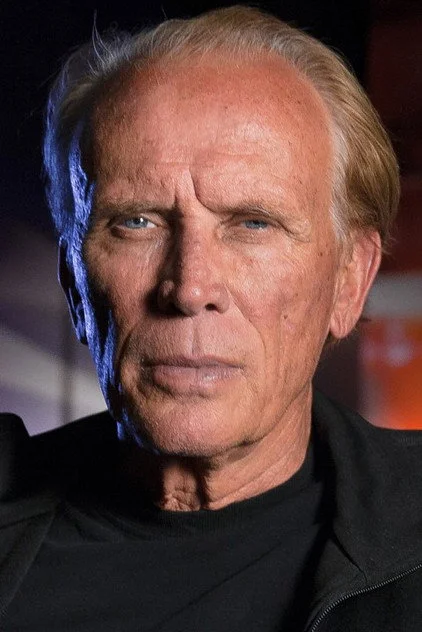 Peter WellerGus Booth
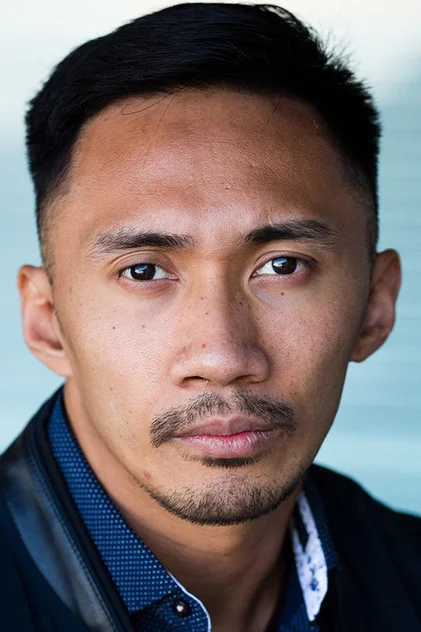 Matt GrooveMr. Verdusco
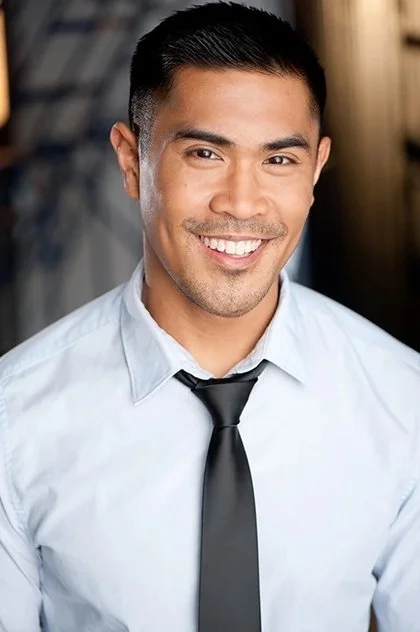 JB TadenaMr. Verdusco
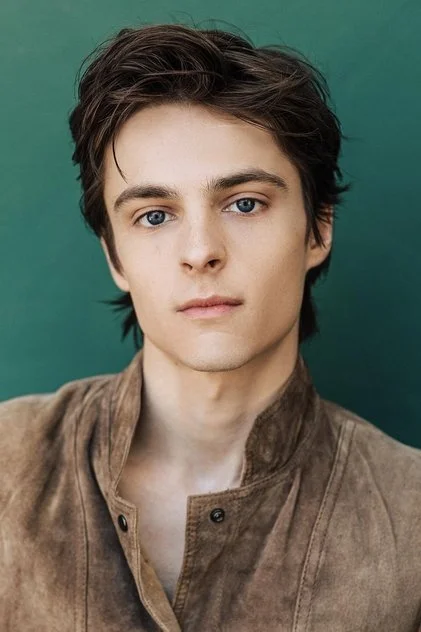 Corey Fogelmanis
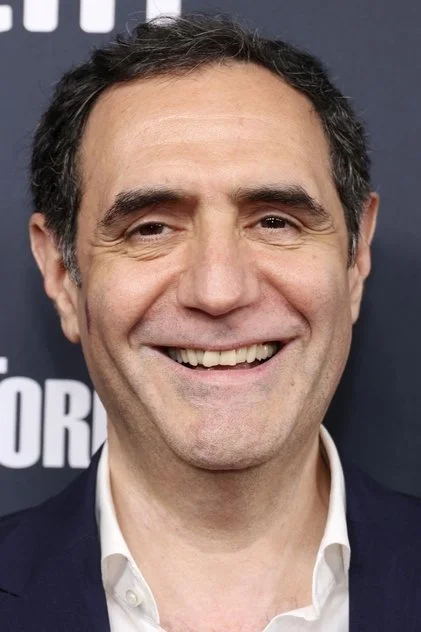 Karren Karagulian
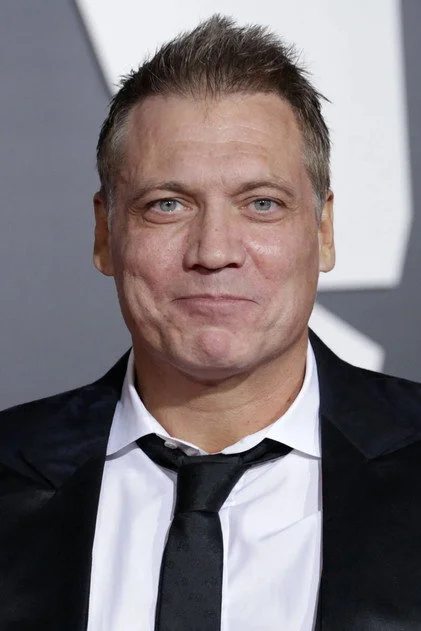 Holt McCallany
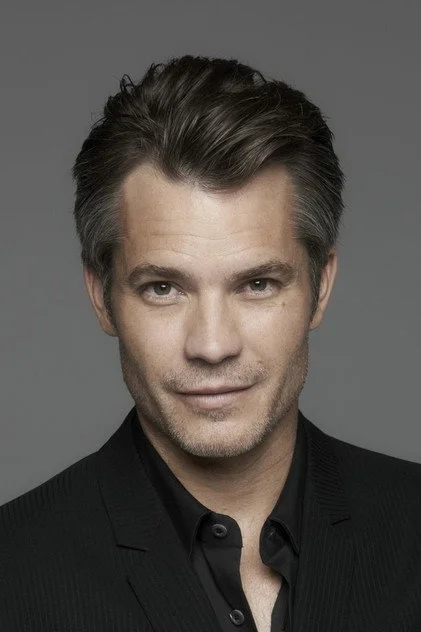 Timothy OlyphantJim Stacy
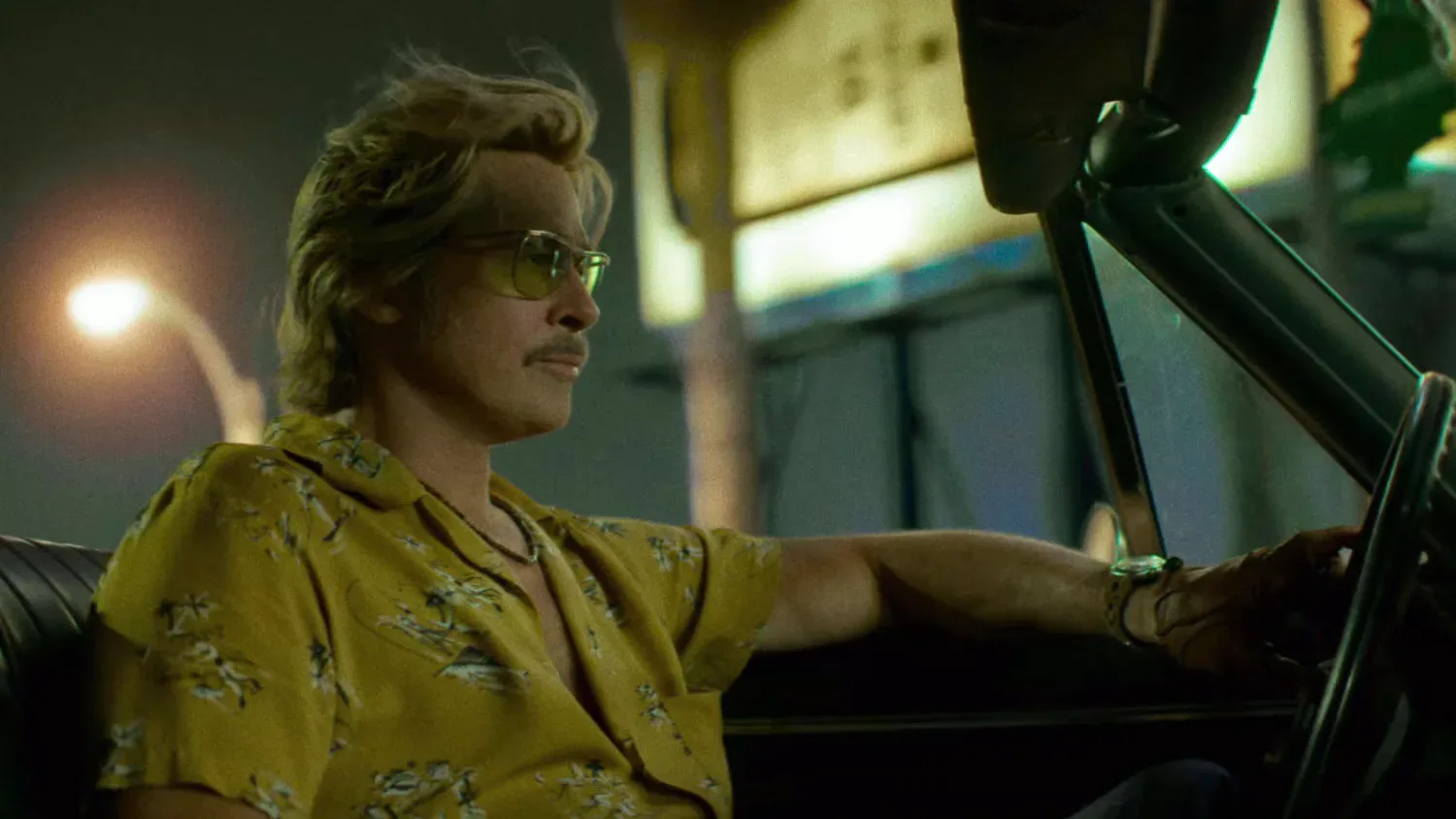
The Further Mis-Adventures Of Cliff Booth makes its intentions unusually plain: this is not presented as a grand statement or a bid to recreate the mythic force of Once Upon A Time In Hollywood. It is a sequel with a more casual, episodic pulse, happy to spend a great deal of time in Cliff Booth’s company before it asks its story to gather momentum. That choice will be the dividing line. Viewers seeking a tightly engineered plot or a successor that matches the emotional reach of the earlier film may find its looseness testing. Those willing to treat it as an extended, character-led Hollywood ramble have plenty to enjoy.
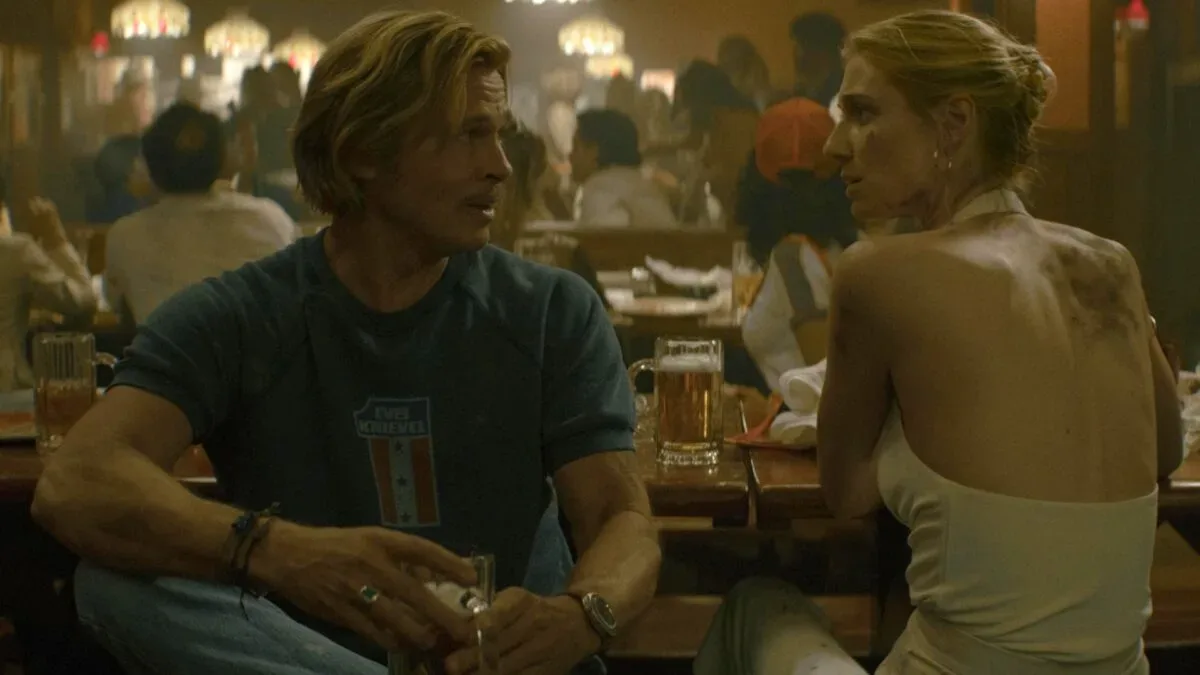
Set eight years after the preceding film, during the summer of Star Wars, it finds Cliff surviving on the outer edges of Los Angeles entertainment and its criminal underworld. His work is a patchwork: screening Blaxploitation films at the New Beverly Cinema, mixing drinks at a mud-wrestling bar, taking day-player pornography jobs and quietly helping entertainment-industry acquaintances with trouble involving local crooks. These details give the movie a deliberately lived-in sense of place. Rather than establishing one urgent objective and pursuing it immediately, the film lets Cliff drift between occupations, encounters and obligations.
That drift is not accidental. The movie reportedly withholds the shape of its central outline until around the 90-minute point, making its nearly two-and-a-half-hour running time a substantial commitment to atmosphere and company. In practical terms, the film’s pace rests less on suspense than on whether its scenes are pleasurable in isolation: a conversation, an odd job, a brush with a Hollywood personality, or an aside that enlarges the social world around Cliff. The approach can be read as an assertion that a movie need not always hurry to justify itself with plot. It can also feel underpowered for anyone waiting for a clearer dramatic through-line.
Brad Pitt makes the looseness feel purposeful
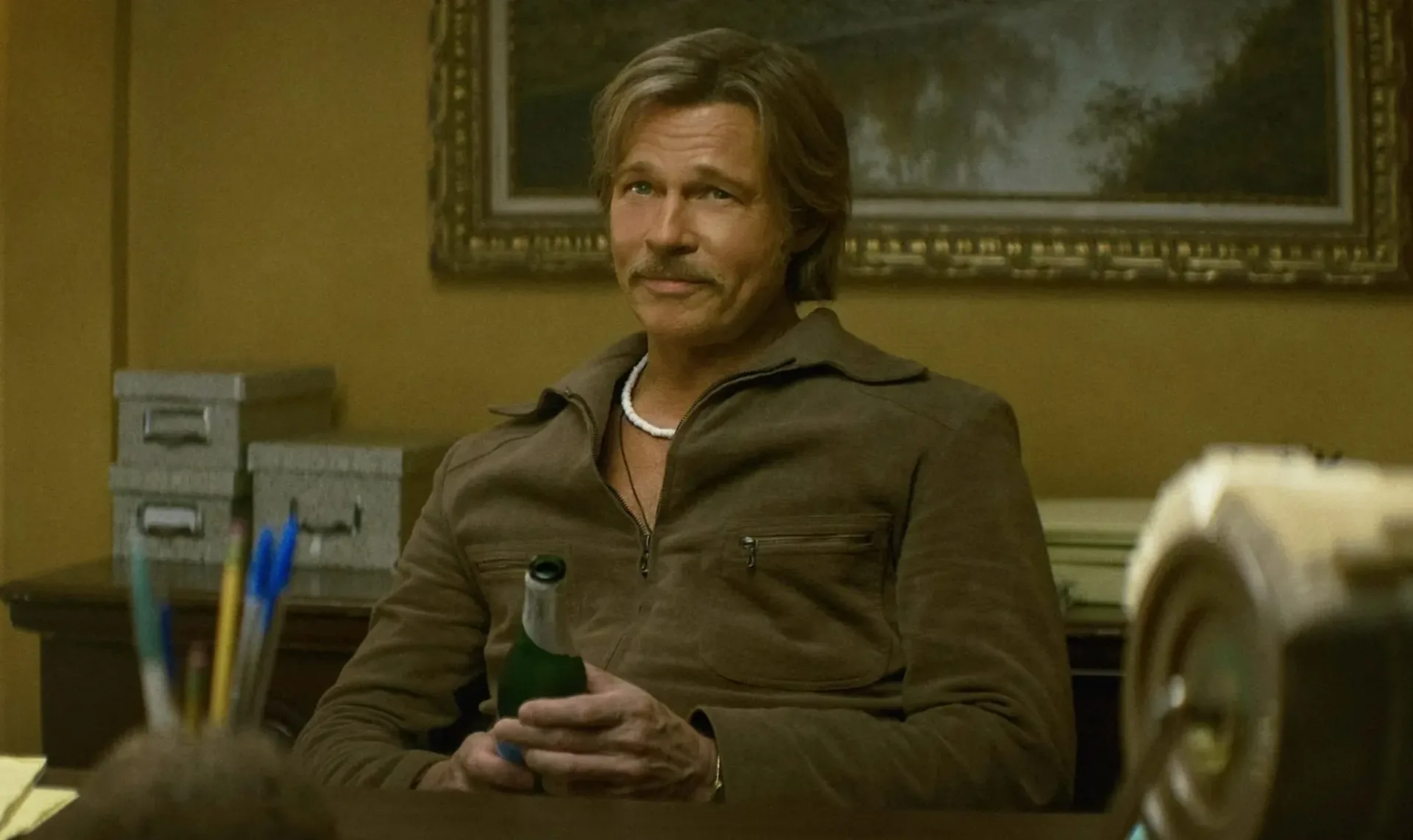
Brad Pitt is the essential reason the film’s unhurried design holds together. Cliff remains affable, capable and deceptively relaxed, qualities that make him a particularly useful guide through a setting full of performers, hustlers and threats. Without Leonardo DiCaprio’s Rick Dalton sharing the frame, Pitt has to shoulder the experience more directly. The evidence suggests he does so with ease: Cliff is engaging enough that simply watching him move from one corner of this world to another sustains the picture for long stretches.
That is a specific kind of movie-star performance. It is not dependent on Cliff being “deep,” and the film itself undercuts any temptation to turn him into a solemn emblem. Instead, Pitt’s appeal seems to come from timing, confidence and the ability to make an apparently laid-back man seem quietly alert. Cliff’s charm softens the film’s aimlessness without eliminating it. The character can make a detour feel welcoming, but charisma cannot wholly substitute for escalation. The recommendation therefore depends on accepting him as the point of the journey, not merely the vehicle that carries viewers toward a bigger plot.
The script’s interest in entertainment as mass pleasure also frames the film’s modest ambitions. A mid-film monologue by Elizabeth Debicki’s Karen Crosby argues for cinema as accessible entertainment rather than rarefied art, while Cliff disavows personal profundity. Taken together, those moments make the film’s apparent lack of grandiosity feel intentional rather than defensive. Its pleasures are conversational, performative and tonal. It wants to be satisfying in the immediate sense: a sharp scene, an amusing character, a well-observed bit of industry texture, then another.
A supporting cast built for the detours
Debicki leads the supporting players as Karen Crosby, a critic turned agent. Her scenes with Cliff develop a flirtation described as borderline creepy, although the film presents the two as consenting adults. That qualification matters: the dynamic appears designed to live in the uneasy space between attraction, comic aggression and the characters’ mutual willingness to push one another’s boundaries. Crosby’s forceful face-slaps become part of that rhythm. Debicki also gets to play against repeated jokes about the character’s height while retaining her Australian accent, an unusual mixture of glamour, comic abrasion and professional savvy.
Scott Caan supplies a more manic counterpoint as a short-statured star who insists on performing his own stunts. The character’s guileless energy offers a different comic flavour from Cliff’s cool, likely helping the episodic structure avoid becoming too even in texture. Yahya Abdul-Mateen II appears as Rodrick “Hot Rod” Harrison, also known as “The Black Bronson,” and brings a strong presence despite being underused. That limitation is worth flagging because it points to the trade-off built into the film’s sprawling hangout format: a rich bench of characters can make individual sections lively, while still leaving some promising figures without enough room to develop.
Peter Weller plays Cliff’s father, Gus, in one of the movie’s warmer relationships. The father-son bond is explicitly affectionate rather than another story of inherited grievance or paternal damage. That is a small but meaningful tonal choice. In a film populated by show-business oddballs and underworld danger, the connection offers a note of uncomplicated feeling. It also suggests that the movie’s laid-back spirit is not only a matter of jokes and cool surfaces; it has space for human attachment without turning that attachment into a major trauma engine.
Violence used as a jolt, not a constant
For most of its running time, the movie is described as an epic, episodic hangout. Violence is comparatively sparse, which makes the eventual eruptions more forceful. A home invasion involving the slaughter of a family provides a sharp turn from relaxed to chilling, while the final minutes become breathtakingly brutal. This is not a film that maintains a uniformly violent temperature. It lets the audience settle into the pleasures of its social world, then punctures that ease with material that is cold and severe.
That contrast appears central to its effect. The violence is said to be less flamboyantly excessive than the climax of the prior Cliff Booth film, and colder and more clinical in execution. As an interpretation, this sounds like a useful recalibration: rather than treating brutality chiefly as a fireworks display, the film uses it to make the danger around Cliff feel abruptly real. Still, prospective viewers should not mistake its leisurely early and middle passages for evidence that it is purely cozy or consequence-free. The tonal swing is part of the package.
David Fincher directs with restraint
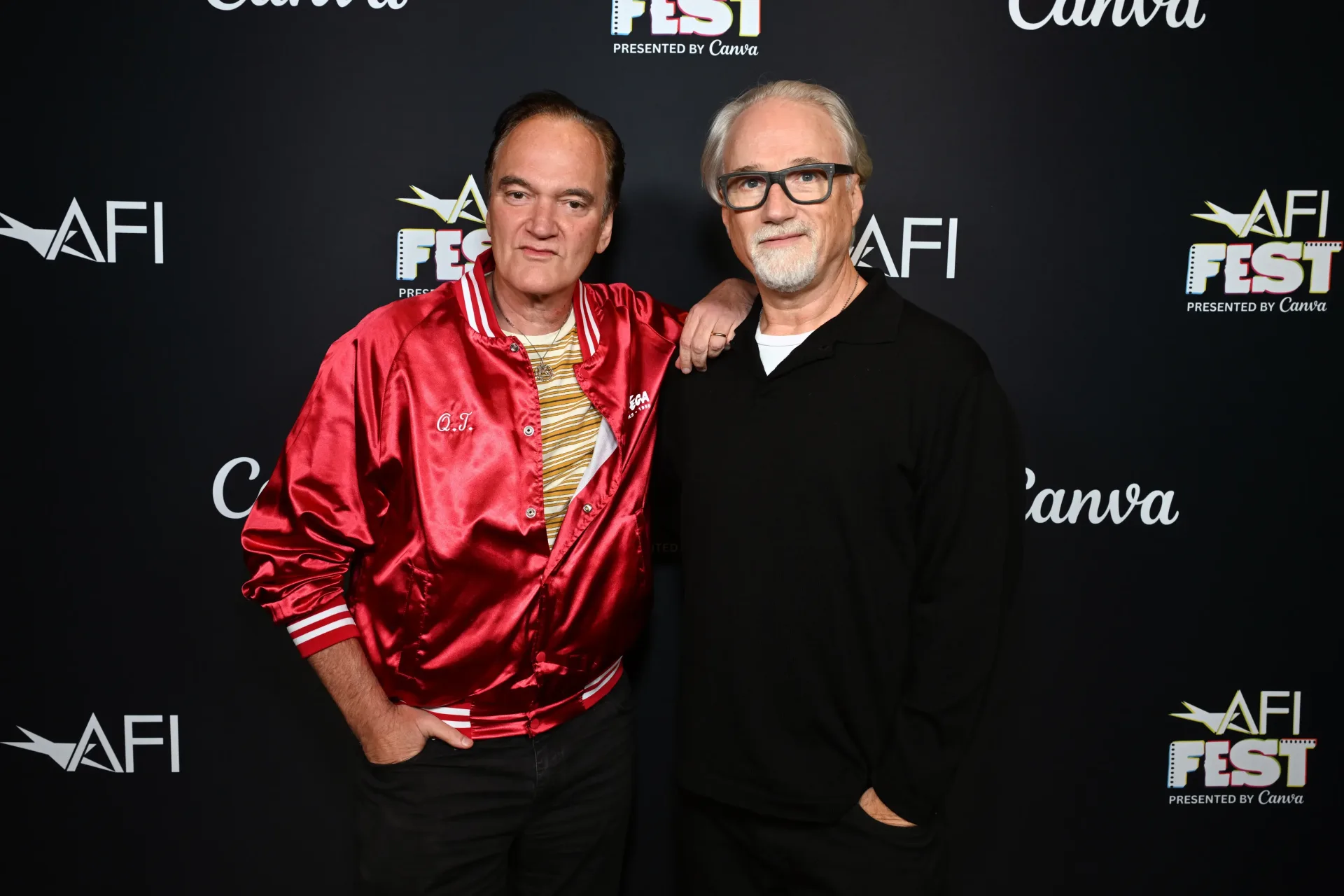
David Fincher takes the director’s chair for a script credited to Quentin Tarantino, and the film’s most notable directorial decision may be restraint. There are flashes of visual stylisation, including a slow-motion tennis-doubles sequence and a black-and-white contact-sheet photo montage. Yet the larger impression is of a filmmaker serving dialogue, characters and scene construction rather than trying to overwrite them with a competing signature. That is an especially sensible strategy for a sequel so invested in its protagonist’s established voice.
The result is not presented as a collision of incompatible sensibilities. Fincher’s influence is clearest in the clinical edge of the violence and isolated flourishes, while the movie otherwise gives its talkative characters room to operate. There is also some continuity-minded fan service, including Big Kahuna burgers and Red Apple cigarette advertising featuring a familiar face. These touches may reward viewers already attuned to the broader fictional universe, but they do not sound like the main attraction. The more important achievement is that the direction does not obstruct the conversational material on which the movie lives or dies.
For a broader take on the film’s period setting and hangout-movie qualities, read our coverage of The Further Mis-Adventures of Cliff Booth.
Verdict
The Further Mis-Adventures Of Cliff Booth is a knowingly lightweight but highly watchable sequel whose greatest asset is its willingness to spend time with its title character. Pitt’s relaxed command, Debicki’s sharp supporting work, a colourful ensemble and carefully rationed bursts of brutality give its extended detours real flavour. Its long, plot-light structure and the underuse of at least one compelling supporting player keep it from feeling as substantial as its predecessor. But as a character-first Hollywood hangout with a late violent sting, it delivers the good time it promises.