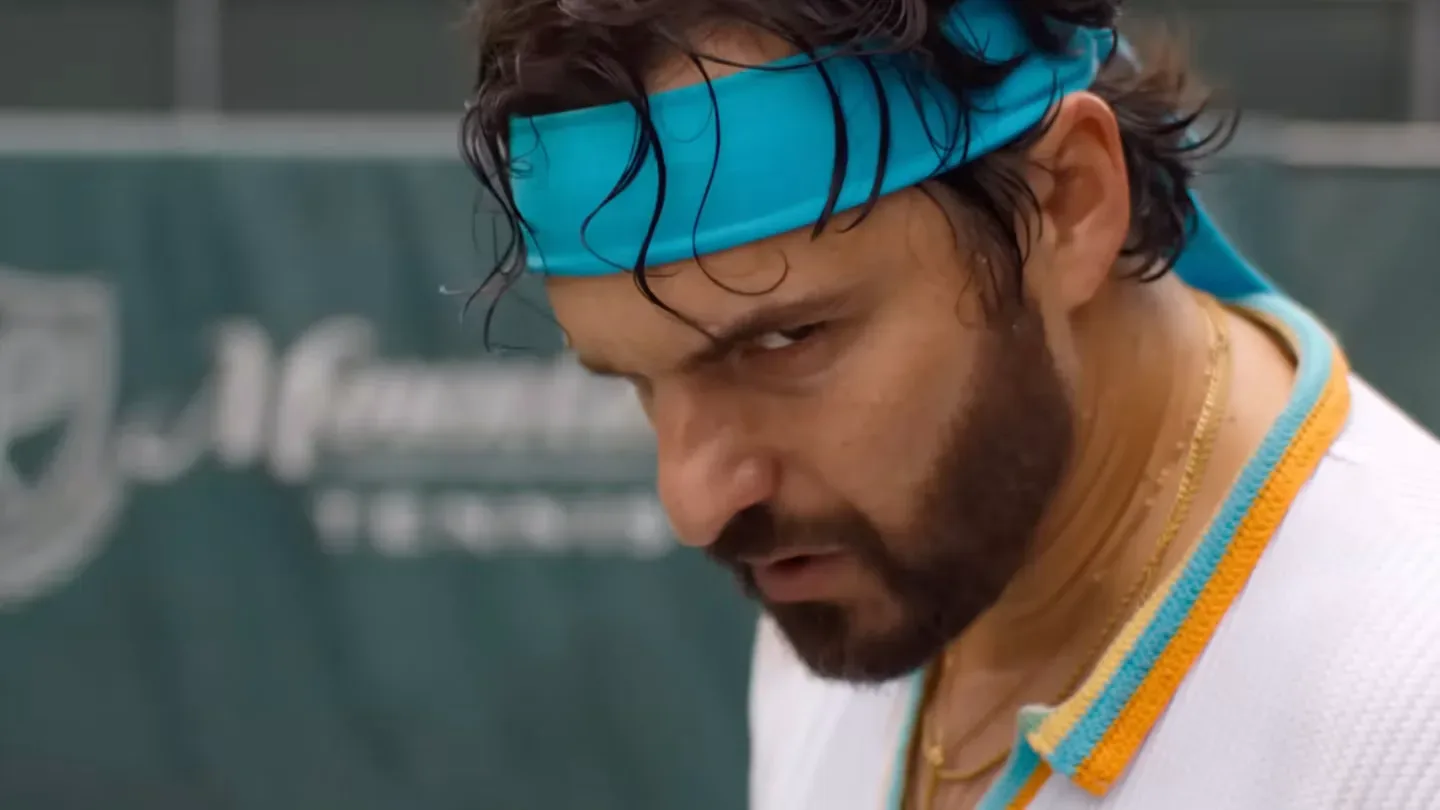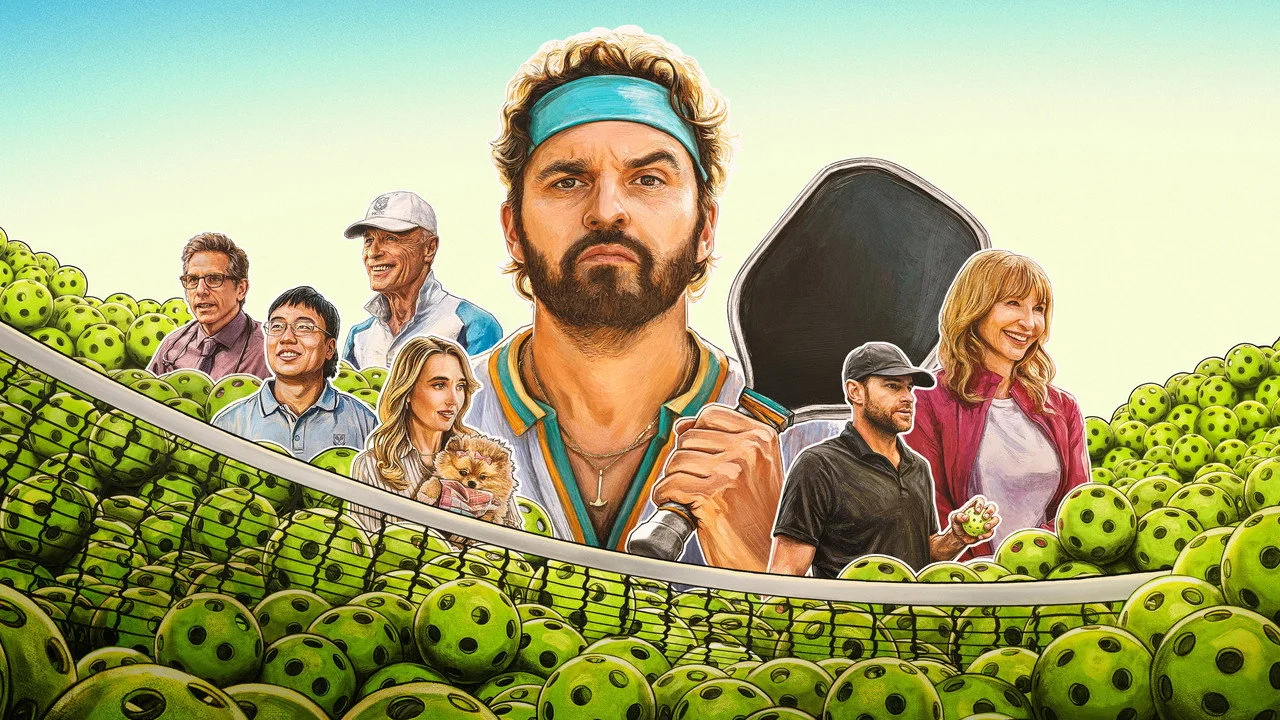

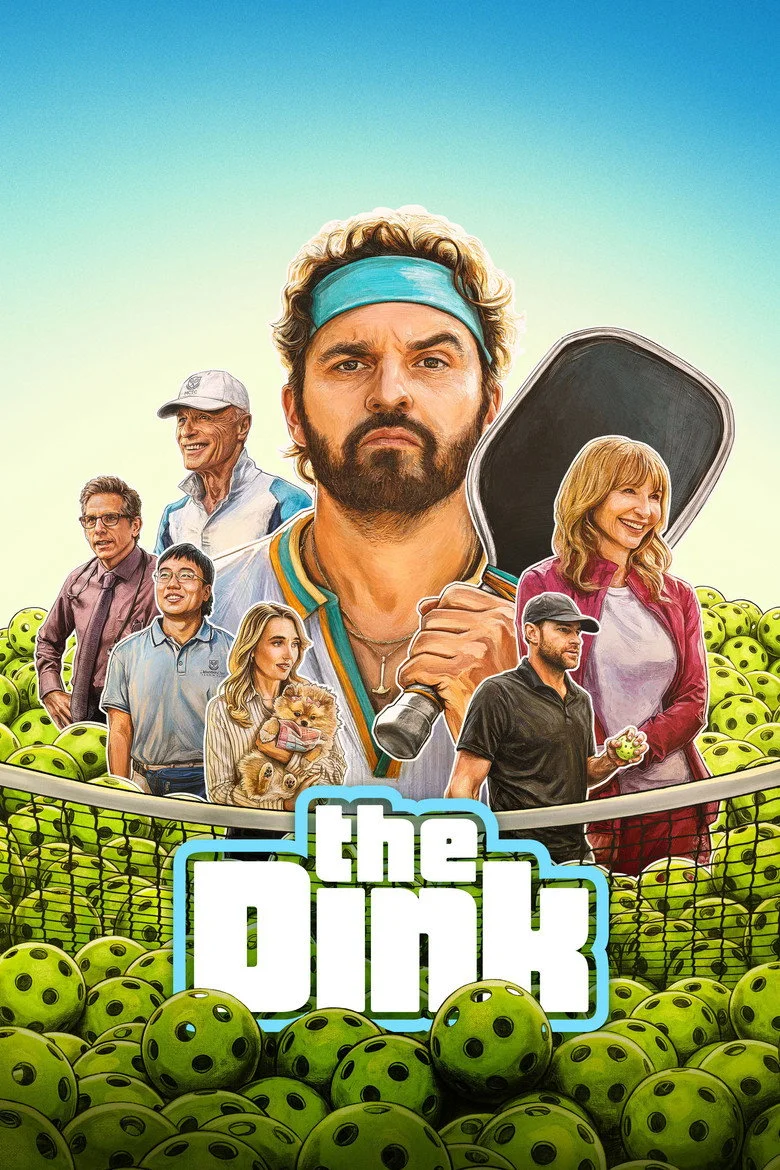
 Jake JohnsonDustin 'The Hammer' Boyd
 Mary SteenburgenCandace
 Chloe FinemanMarisa
 Aaron ChenPJ
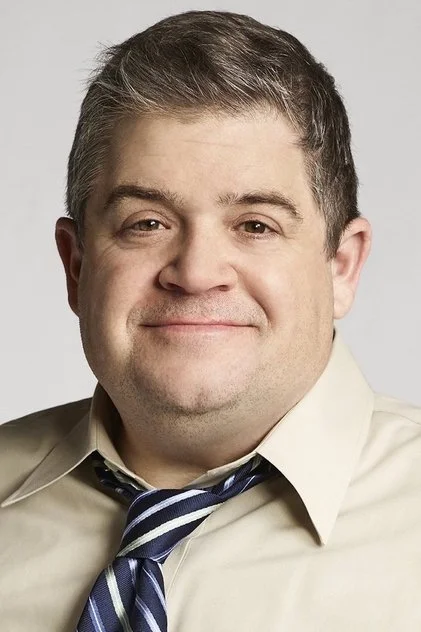 Patton OswaltSkip 'Piggy' Pigliani
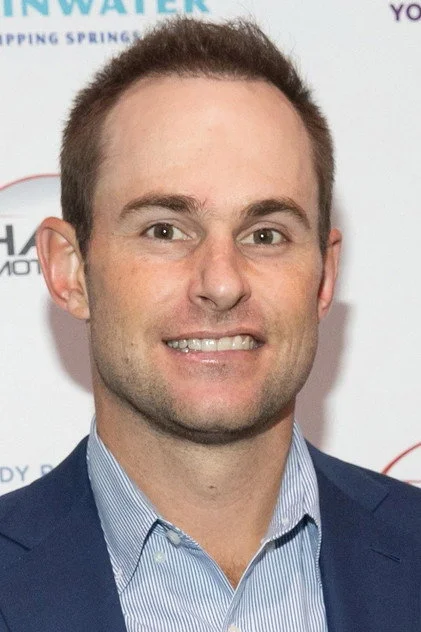 Andy RoddickAndy Roddick
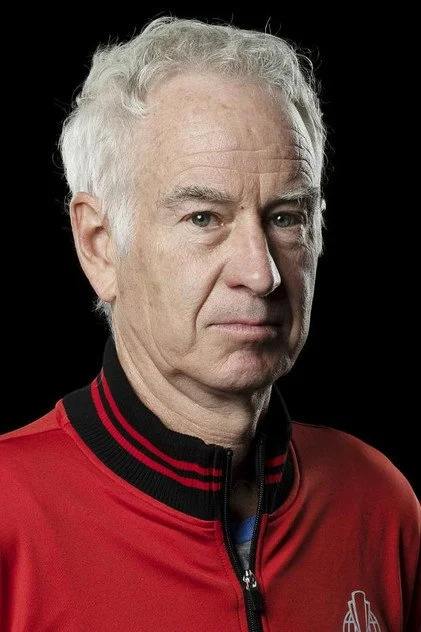 John McEnroeJohn McEnroe
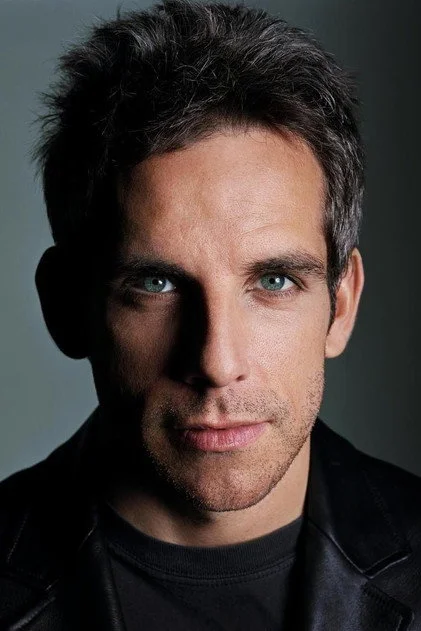 Ben StillerDr. Stone
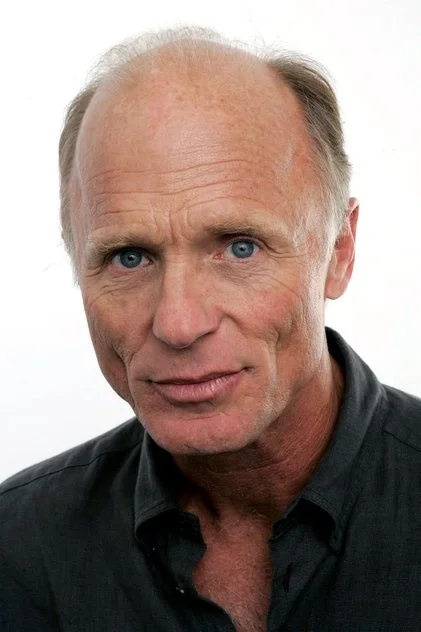 Ed HarrisChuck Boyd
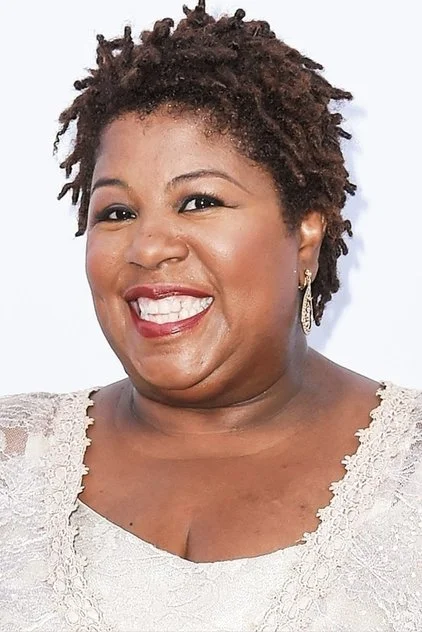 Cleo KingGail
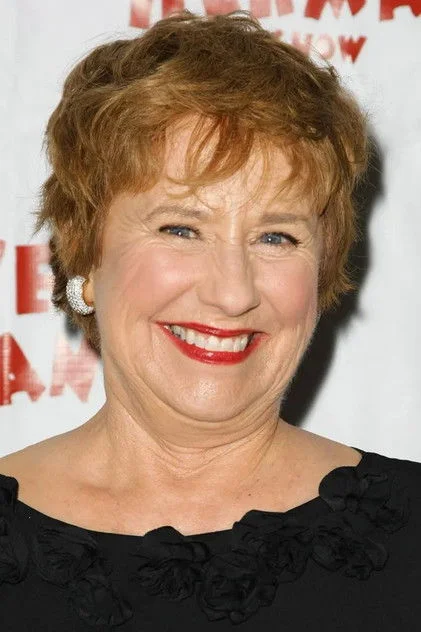 Lynne Marie StewartJudy
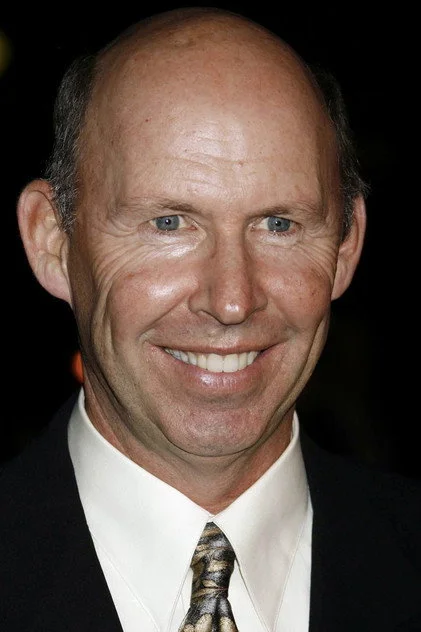 Don LakeGary
The Dink turns pickleball into the arena for a broad underdog comedy, and that choice gives the film an immediately approachable hook. The sport’s wide appeal is part of the joke: it is presented as a gentler alternative to tennis, and therefore a particularly uncomfortable destination for Dusty Boyd, a fallen tennis talent now working as a coach. An injury pushes him onto a different court, where his assumptions about the game—and, more importantly, about himself—are put under pressure.
There is an easy, deliberately old-fashioned setup here. Dusty, played by Jake Johnson, is an insecure showman with a loud front, a grouchy father who disapproves of pickleball, and a tournament he needs to win to protect a country club. That provides the movie with recognizable sports-comedy stakes, while Dusty’s reluctance gives it an engine. The trouble is that the central mission never becomes as engaging as the quieter relationship the film builds around it.
Its best rally is between Johnson and Steenburgen
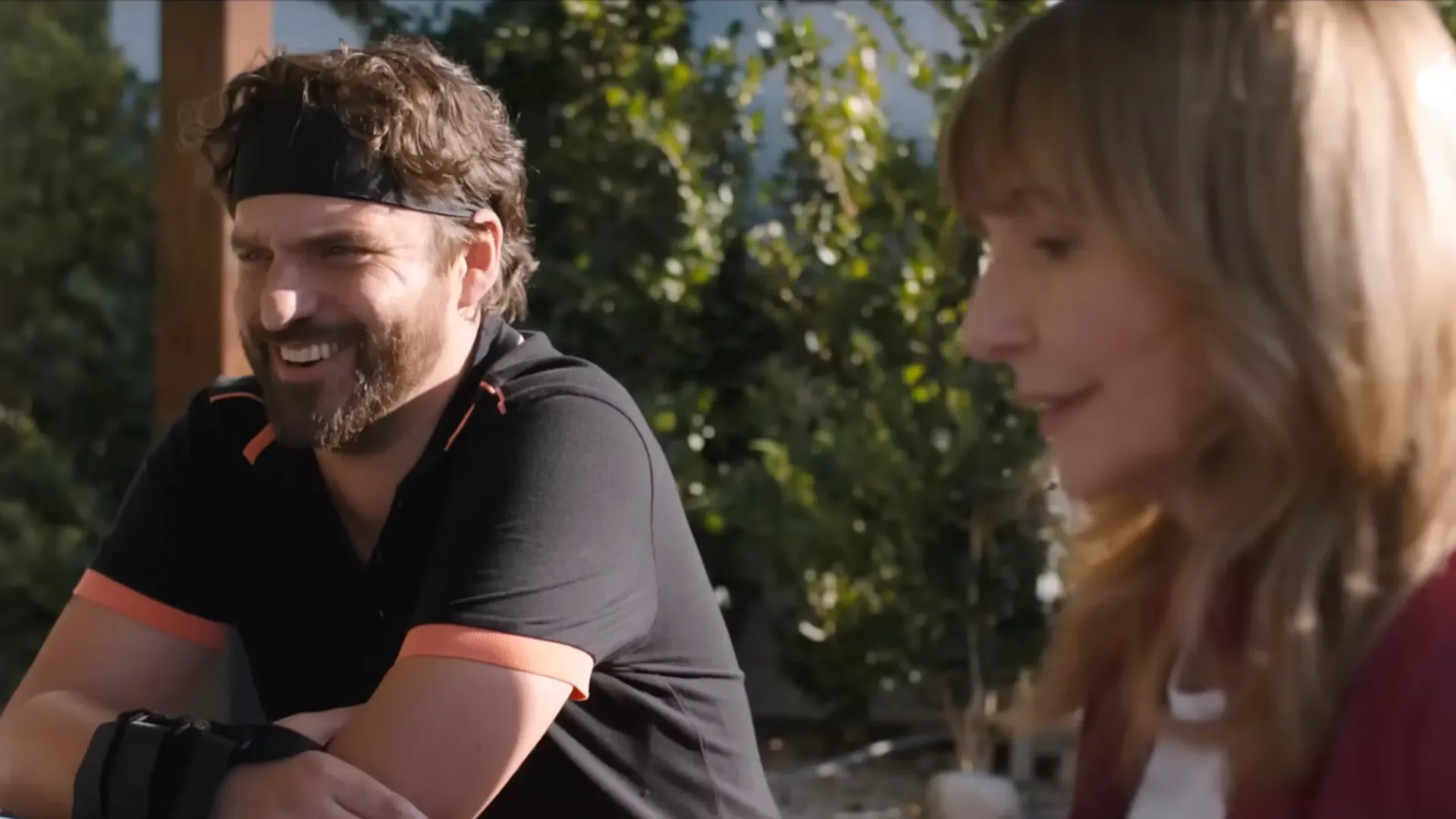
The Dink finds its strongest material in Dusty’s partnership with Candace, his initially reluctant teammate, played by Mary Steenburgen. Their connection is the element that gives the movie warmth rather than simply momentum. In scenes where the pair trade playlists, watch movies, and spend time together away from the competitive framework, Johnson’s most useful quality comes into focus: a jovial, relaxed ability to connect with another performer.
Steenburgen brings substantial charm to Candace, and the film benefits from giving her a larger supporting presence. The relationship does not need to be forced into a single familiar category to work. Its appeal lies in the easy companionship between two people who make each other more interesting. Whether viewers read the pairing as potentially romantic or simply affectionate, the movie’s most satisfying possibility is its double-act energy.
That also makes the structure’s eventual priorities feel slightly misplaced. As the story heads toward its required sporting showdown, Candace is increasingly placed at the side of the action. The film may technically be delivering on the promise of a tournament comedy, but it is moving away from the aspect that most distinguishes it. The result is a finale whose plot function is clear but whose emotional emphasis feels less rewarding than the hangout scenes that precede it.
A knowingly retro comic playbook
Josh Greenbaum directs a film with obvious affection for broad, turn-of-the-century-style studio comedy. Ben Stiller appears as Dusty’s doctor, while the humor leans into an era associated with Stiller and his contemporaries: an immature male underdog, insult-driven bravado, embarrassing behavior, and a wounded self-image beneath the noise. Dusty is built from that template. His corny performance style and verbal aggression are defenses for someone badly seeking validation, especially from his pickleball-disdaining father, played by Ed Harris.
That characterization offers a potentially useful emotional throughline. Dusty’s problem is not merely whether he can compete in an unfamiliar sport; he has tied his sense of worth to paternal approval and to an idea of athletic legitimacy. Pickleball’s reputation as accessible and less punishing than tennis becomes a comic irritation for him, but it also suggests a challenge to his pride. The film’s setting therefore has thematic potential: a supposedly lesser game asks Dusty to reconsider the narrow standards by which he measures himself and others.
Still, the movie does not consistently convert that potential into fresh comedy. Its gags often feel recycled, and the familiar joke construction can distract from the more appealing, less manufactured work Johnson does with his co-stars. Broad humor is not automatically a limitation in a popcorn movie; in principle, it can give a sports comedy bounce and speed. Here, however, the repeated reliance on a dated comic sensibility leaves too little room for the characters’ better chemistry to drive the laughs.
Conventional stakes, pleasant company
The plot makes Dusty’s tournament victory a solution to several problems at once: it might satisfy his father and save the country club. Those are efficient stakes, but they remain more functional than compelling. A former tennis star, Andy Roddick, also plays himself, adding a recognizable sports-world presence without becoming the most obvious opponent for Dusty. The film includes foul-mouthed older players, cameos, and as much physical business as its hole-filled ball permits, all of which supports its light, undemanding tone.
The limitation is not that The Dink wants to be a simple sports comedy. Simplicity can be an advantage when a film understands where its real pleasures lie. Rather, the conventional competition arc has less force than the personal interplay surrounding it. The movie seems most alive when it lets Dusty and Candace coexist without urgently advancing a bracket, an argument, or a father-appeasement objective. When it returns to the mechanics of the big game, it becomes more predictable and less specific.
Johnson remains an appealing center even when Dusty’s behavior is designed to be immature. He can make insecurity readable without abandoning the character’s performative swagger, which helps keep Dusty from becoming just a collection of insults and bluster. Harris supplies the parental disapproval embedded in the story’s stakes, while Stiller’s appearance fits the film’s throwback comic atmosphere. Yet Steenburgen is the crucial counterweight. Candace gives the movie a glint of generosity, and her rapport with Johnson helps make the case for The Dink as a worthwhile casual watch.
A soft serve rather than a knockout
The Dink is best approached as an easygoing, nostalgia-tinged comedy rather than a reinvention of the sports-movie formula. It has jokes, recognizable faces, a niche athletic contest, and a clear path to a deciding match. More persuasively, it has Johnson and Steenburgen making the spaces between the familiar beats feel companionable. That is enough to make the movie pleasing in the moment.
But the film leaves a sense of an alternate, stronger version sitting just off court: one less committed to recycled frat-pack humor and obligatory tournament business, and more willing to follow the gentle, funny rapport of its central pair. For viewers after uncomplicated entertainment, its charm and supporting turns can carry it through. Those hoping that the pickleball premise will generate a sharply distinctive sports comedy may find that the film’s most memorable rally is not the competitive one.