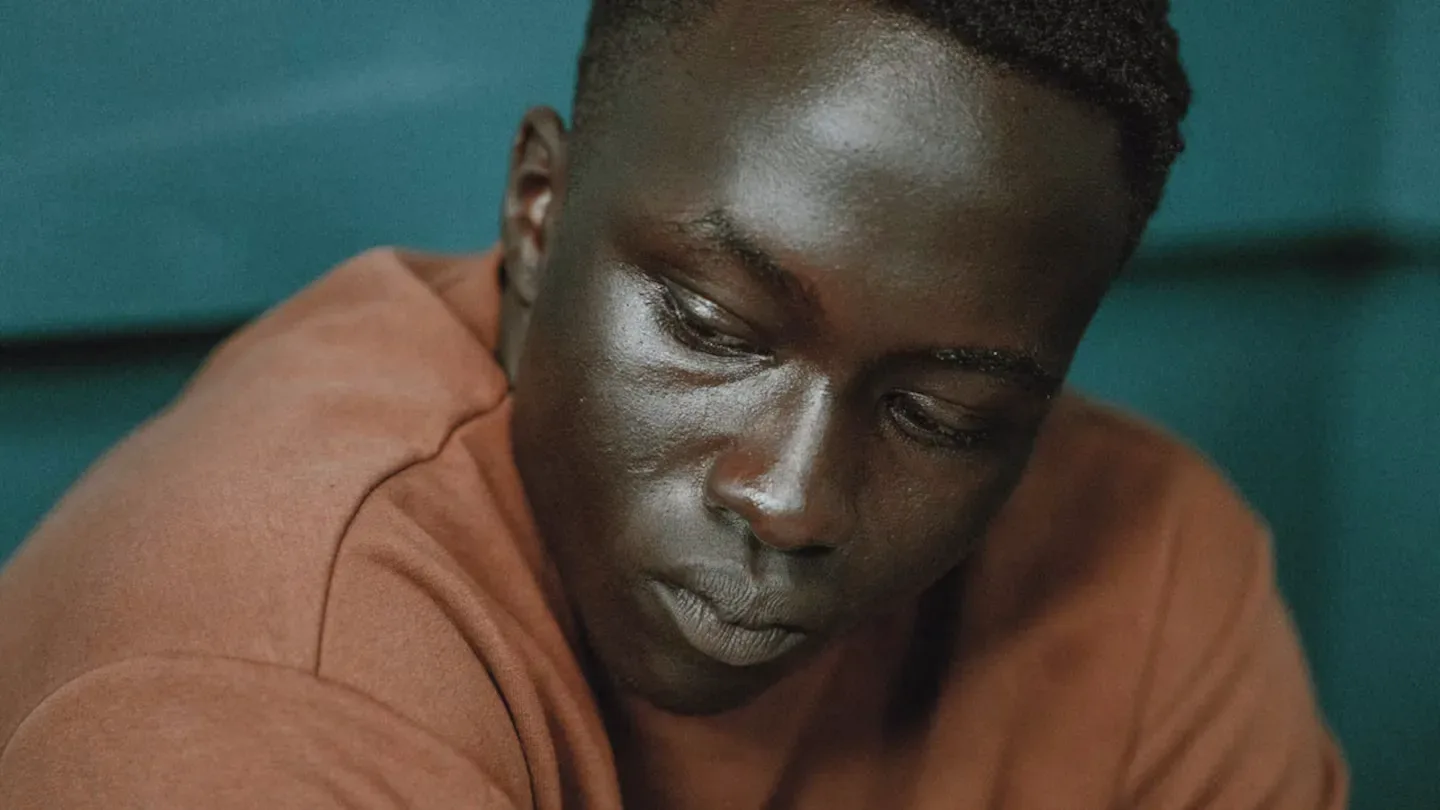


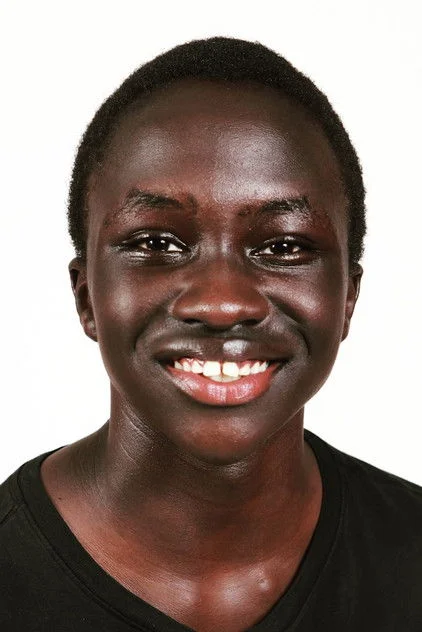
 Tut NyuotTroy
 Vladyslav BaliukKrystian
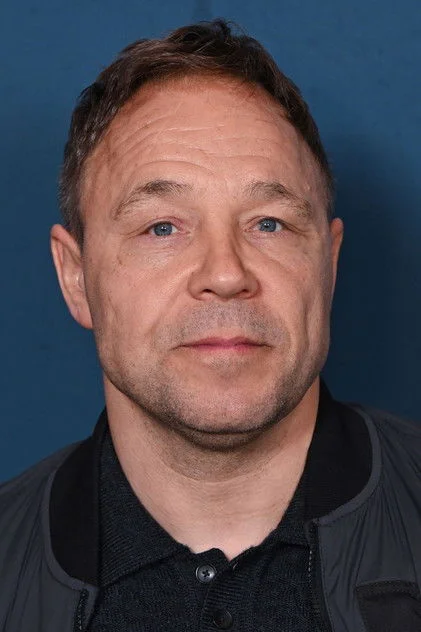 Stephen GrahamClaypole
 Sharon Duncan-BrewsterJoy
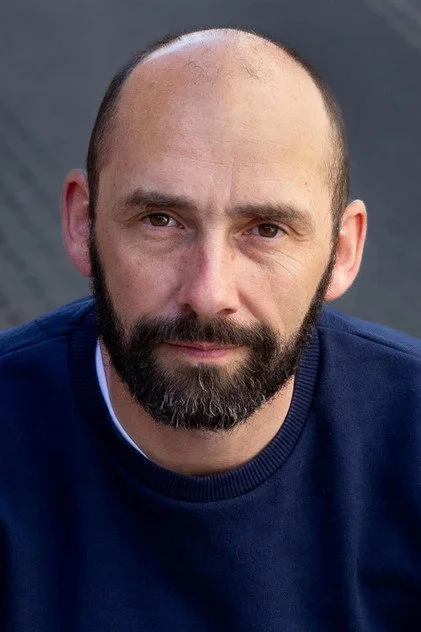 Andrew PorterRobard
 Ryan DeanMason
 Tareq Al-JeddalOmar
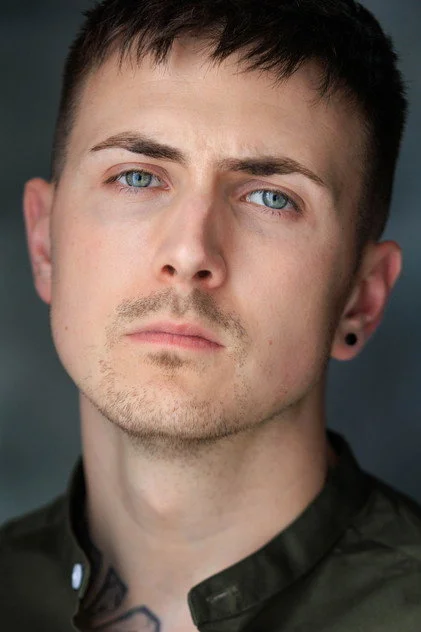 Richie BratbyDavies
 Sekou DiabyDion
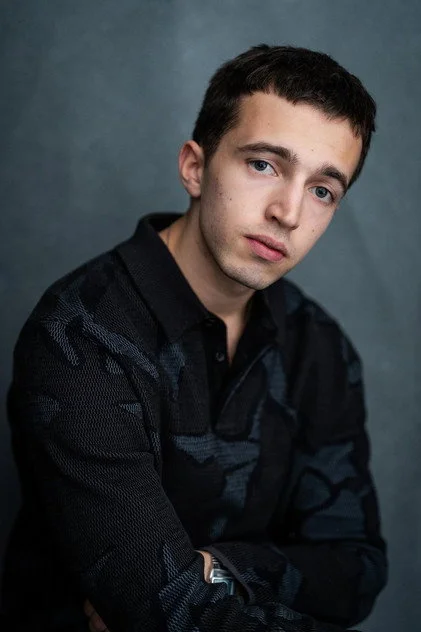 George HarrisonJason Cummings
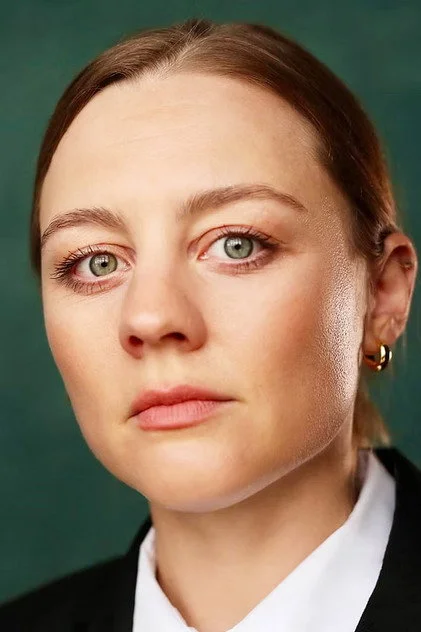 Imogen WildeFemale Officer
 Claire AshtonVisitor (uncredited)
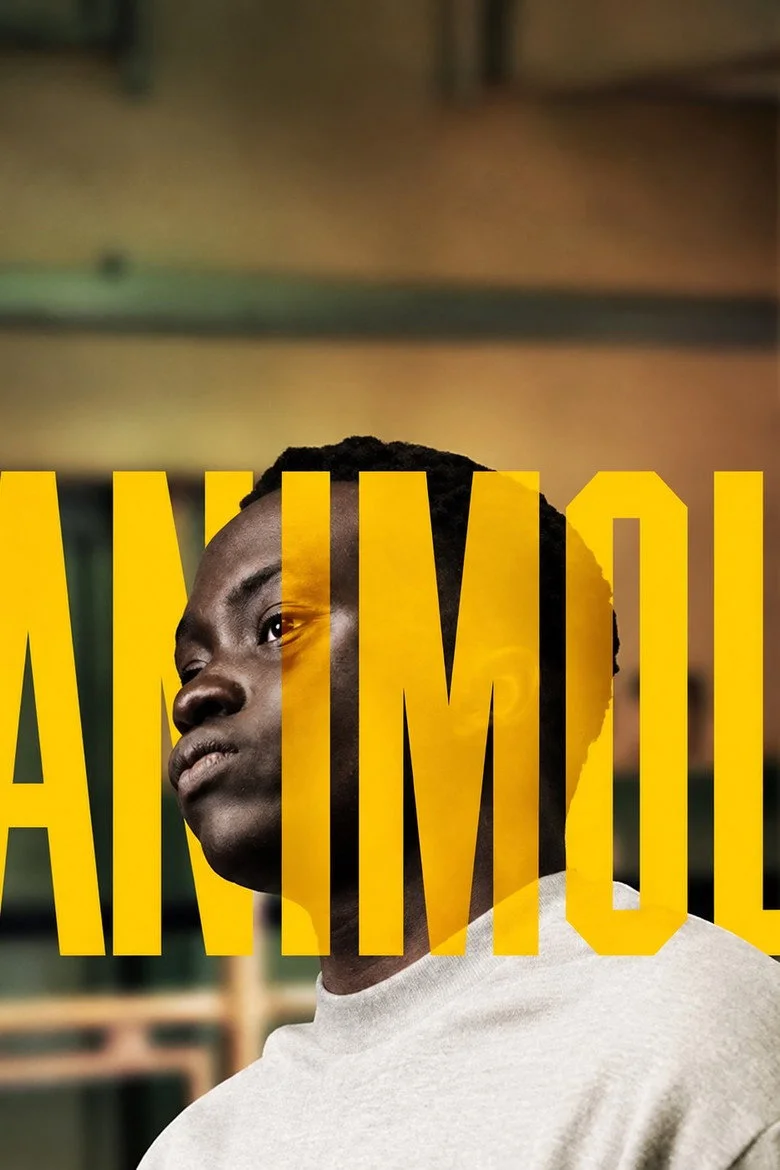
Animol arrives in territory that can initially seem familiar: a young man enters a young offender institution, discovers its brutal informal hierarchy, and has to decide what survival will cost him. Yet the film’s force lies in how firmly it treats that premise as a moral pressure cooker rather than mere genre scenery. Ashley Walters’ directorial debut is a serious, tense drama built around the narrowing choices available to Troy, a foster kid sent inside after an apparent robbery goes wrong.
Troy is played by Tut Nyuot, whose performance gives the film its essential fragility. Troy is neither presented as spotless nor reduced to the mistake that brought him into custody. He is a frightened young person attempting to stay quiet, complete his time and avoid further trouble. That modest ambition becomes increasingly impossible once the institution’s power structures close around him. The result is not simply suspense over whether he will escape punishment, but dread over what he may have to become to endure it.
A survival story where every route carries a cost
The central dilemma is sharply drawn. Dion, a dominant inmate played by Sekou Diaby, identifies Troy and Krystian as useful newcomers and pressures Troy into smuggling contraband. From there, the film frames violence and criminality less as sudden personal choices than as conditions imposed by a system in which vulnerability invites exploitation. Troy can remain exposed to potentially lethal bullying, or he can harden himself into someone more capable of retaliation. Neither option promises freedom.
That catch-22 gives Animol its tension. The threat is not confined to one confrontation or one antagonist; it is embedded in the sense that Troy’s attempts to avoid danger can themselves create new risks. The film makes room for the possibility that institutional survival can demand exactly the behaviours that make eventual rehabilitation harder. Its prison setting therefore matters as more than a backdrop. It becomes the mechanism by which the drama tests, and threatens to reshape, its protagonist.
Nyuot carries that burden with an affecting quietness. The character’s restraint makes the mounting peril feel especially acute: Troy does not arrive as a swaggering genre antihero equipped to control the room. He is a boy relying on limited instincts and limited support. The film’s anxiety follows naturally from that imbalance, asking viewers to watch someone try to remain himself while the environment rewards him for becoming more dangerous.
Young performances give the film its pulse
The supporting cast helps make Troy’s position legible from several sides. Vladyslav Baliuk’s Krystian is both a friend and a practical, moral lifeline. Their developing connection offers Troy a form of solidarity, but it is also something others can weaponise. That makes friendship in Animol precarious rather than purely comforting: an attachment can keep someone human while simultaneously giving hostile figures another point of leverage.
Diaby’s Dion supplies the immediate coercive force behind Troy’s predicament. Meanwhile, Ryan Dean’s Mason adds to the sense that danger is distributed among the institution’s more threatening inmates rather than concentrated in a single obstacle. This ensemble dynamic is one of the film’s strongest assets. Walters appears attentive to what the younger performers can bring to the material, and the drama gains credibility from the way their relationships register as vulnerable, strategic and unstable.
Outside the inmate hierarchy, Stephen Graham plays Claypole, an educational welfare officer who recognises the danger Troy faces. Claypole can counsel him against the path being laid out before him, but the story’s point is that advice is not the same as a viable alternative. His limited ability to change Troy’s circumstances reinforces the film’s critique: good intentions inside an institution cannot, on their own, undo the pressures that institution sustains.
Sharon Duncan-Brewster’s Joy, Troy’s estranged mother, introduces another fragile route toward connection. Now clean and sober, she attempts to reach her son, but the reconciliation is shadowed by the question of what version of Troy will be left when they can meet again. The film uses that uncertainty to extend its concern beyond the prison walls. Incarceration is not only about time served; it may alter a young person’s relationships, self-conception and prospects of returning to a life that can hold them.
Clear-eyed about incarceration, less certain at the finish
The film’s thematic clarity is a major virtue. It argues for rehabilitation rather than simple incarceration, and it does so through Troy’s lived predicament rather than abstract debate. The portrait of institutionalisation has weight because it shows the contradiction at its centre: a place ostensibly concerned with correction can encourage the very conduct that makes correction more remote. The question is not whether Troy should face consequences, but whether a punitive setting offers him meaningful means to change.
That seriousness does not make the film feel like a lecture. The tension comes from character stakes: Troy’s safety, his friendship with Krystian, his relationship with Joy, and the fear that the institution will convert vulnerability into further harm. The message is clear, but it is grounded in the escalating human consequences of Dion’s pressure and the lack of credible escape routes.
The reservation comes in the final act, where some developments are a little too neat for the stark scenario the earlier film establishes. The closing stretch softens a no-win situation that has been persuasively, and painfully, constructed. That does not erase the preceding drama’s impact, but it slightly blunts the severity of its most compelling idea. A story so alert to constrained choices is at its strongest when it resists the urge to make those constraints feel easier to resolve.
Verdict
Animol is an impressive directorial debut: a focused prison drama powered by Tut Nyuot’s striking lead work and a young ensemble that makes every alliance feel exposed. Its last act may smooth over some of the harshness its premise earns, but the film retains real force as an account of institutional danger and the urgent need for rehabilitation that offers more than punishment.