

 Robert PattinsonChris Hansen
 Merritt WeverAndie Bender
 Skyler GisondoDan Plum
 Matthew MaherXavier Von Erck
 Phoebe BridgersDel
 Victor BrunetteFrag
 Bokeem WoodbineCortland Gunn
 Michael ChachereMichael Chachere
 Alex WinterBill Conradt
 Tony RevoloriMarriedAndLookingForFun31313
 Bob AriRedBd
 Jonathan LipnickiCrazyfrog73
Primetime takes a format already built on spectacle and turns the camera back on the people manufacturing it. Lance Oppenheim’s narrative debut is set in 2006 and follows Chris Hansen, a television host pursuing a coveted primetime slot through predator stings. The film is based on real events, but its sharpest interest lies less in procedural detail than in the acts people perform to survive, persuade and conceal themselves.
That makes it a particularly unsettling media satire. Its central television operation presents itself as a moral crusade, staging confrontations that are meant to expose terrible wrongdoing. Yet the film frames that crusade as inseparable from its appetite for an audience. Chris’s righteous language, immaculate presentation and relentless drive for bigger stakes do not simply establish him as a committed host; they expose how easily certainty can become a useful costume. The result is a story about exploitation that never lets its showman forget he is also selling a show.
Robert Pattinson makes certainty look terrifying
Robert Pattinson is the film’s essential force. His Chris Hansen is introduced rehearsing explicit chat-log material from a recent sting, an opening that immediately collapses the divide between professional preparation and private fixation. The words function as both rehearsal and ritual. Chris is not merely presenting a role to viewers; he seems to be sustaining his own belief in it.
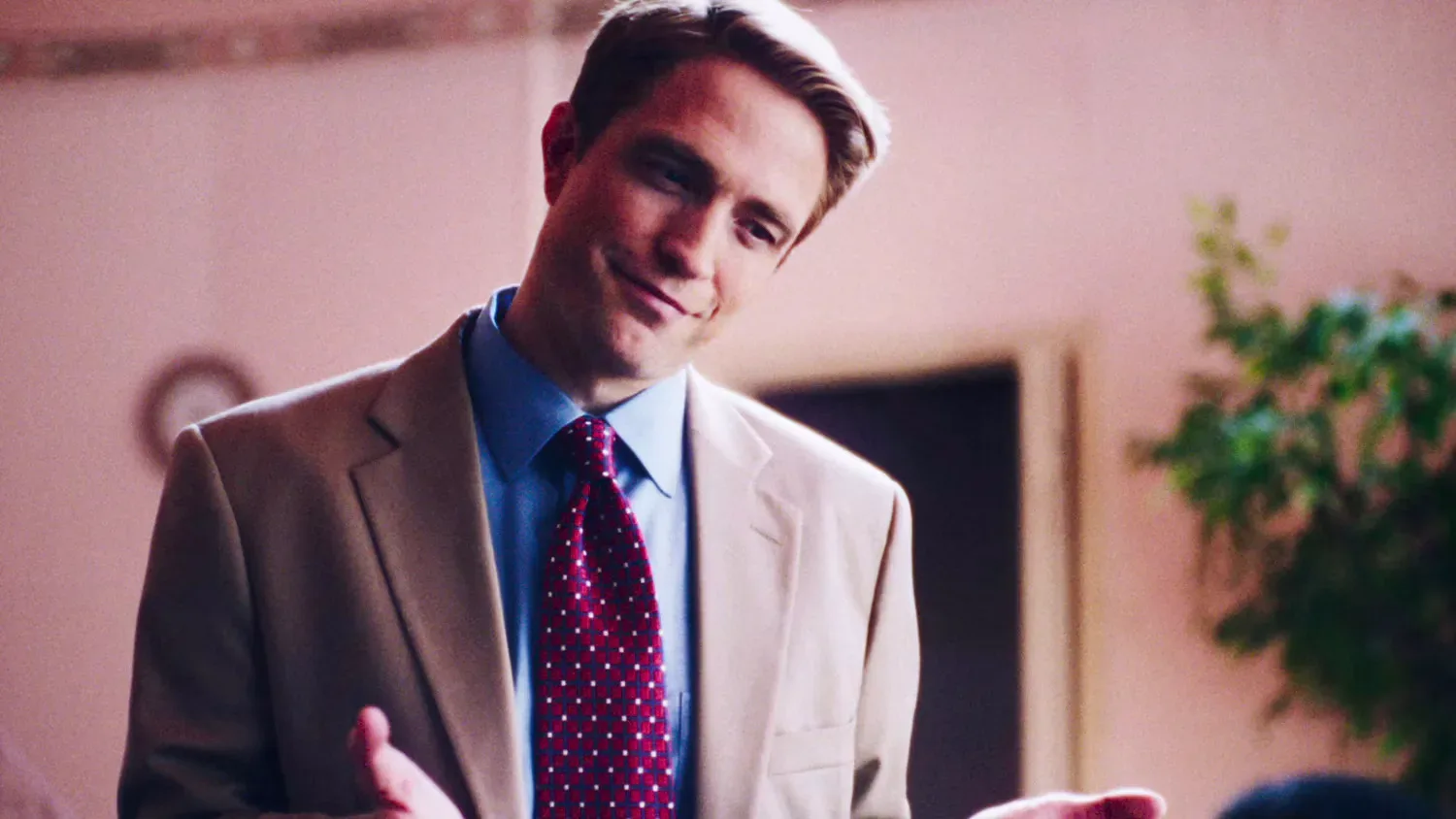
Pattinson gives that self-belief a hard, unnerving physicality. Suited, blond hair precisely arranged, Chris arrives in one sting with grand movie-star flair, emerging through a curtain and coming down a spiral staircase. The entrance is funny because of its naked theatricality, but it is also revealing. This man’s authority depends on staging. His image is that of an unshakeable moral professional, and the film finds menace in how thoroughly he appears to need that image.
The performance is not built on broad cartoon villainy. Chris’s pomposity is repeatedly open to ridicule, including his habit of deploying his full name and professional credentials even at home, but the character is never reduced to an easy joke. Pattinson instead lets the comedy sit beside something colder: an increasingly alarming devotion to the identity Chris has made for himself. His unusual, almost period-inflected accent and predatory stillness give the performance an abrasive precision. A shark-like gaze can register calculation, conviction or panic without requiring the character to say much.
That ambiguity is crucial. The film’s critique is not simply that Chris is hypocritical. It is more disturbing than that: he appears capable of believing his own rhetoric while using it to advance a television project. When he insists that the work is a cleansing mission, the language is deliberately inflated, but its effect on others is real. Pattinson makes the character’s persuasive power credible enough that the audience can see why it would draw people in.
A story about acting as armour
Primetime’s most incisive idea is that performance is both the mechanism of the television show and a defence against what the show demands. Chris performs public righteousness. The series’ stings depend on performers playing roles. And Dan, a new decoy actor played by Skyler Gisondo, is asked to inhabit a 13-year-old on camera in encounters with predators. The film treats that assignment not as a clever production detail but as a serious emotional cost.
Gisondo’s work provides the film with its exposed nerve. Where Chris’s performance is polished and aggressively controlled, Dan’s is defined by quiet desperation. He is naïve enough to be moved by Chris’s grand promises about doing meaningful work, yet the film shows the pressure behind that recruitment. A montage depicting Dan suppressing the trauma of his first on-camera encounter in order to return seamlessly to his role is among the clearest expressions of the film’s central concern. Acting becomes a means of erasure: pain must be pushed down so the production can continue.
This contrast gives the film more than one register of harm. Chris may be chasing ratings under the banner of public good, while Dan absorbs the immediate psychological toll of making the show. The film’s critique therefore lands not only on the person at the top but on a machinery that turns vulnerability into content. Oppenheim’s focus on the gap between what is said publicly and what must be endured privately makes the material feel especially grim.
Merritt Wever’s producer, Andie, adds another important counterweight. Described as ice-cold and resistant to Chris’s religious fervour, she prevents the drama from becoming a two-person study in manipulation and damage. Her lack of enchantment with Chris’s language suggests that someone within the operation can recognize its inflated nature. That tension helps define the workplace as a place where moral vocabulary, commercial ambition and emotional fallout are all competing for control.
Satire gives way to horror
The film’s tonal movement sounds like one of its major achievements. It begins in the realm of cynical media satire, where Chris’s vanity and overblown self-presentation invite uncomfortable laughter. Rather than settling into mockery, though, it darkens into a nightmare as Chris unravels and his pursuit of television success produces horrific consequences.
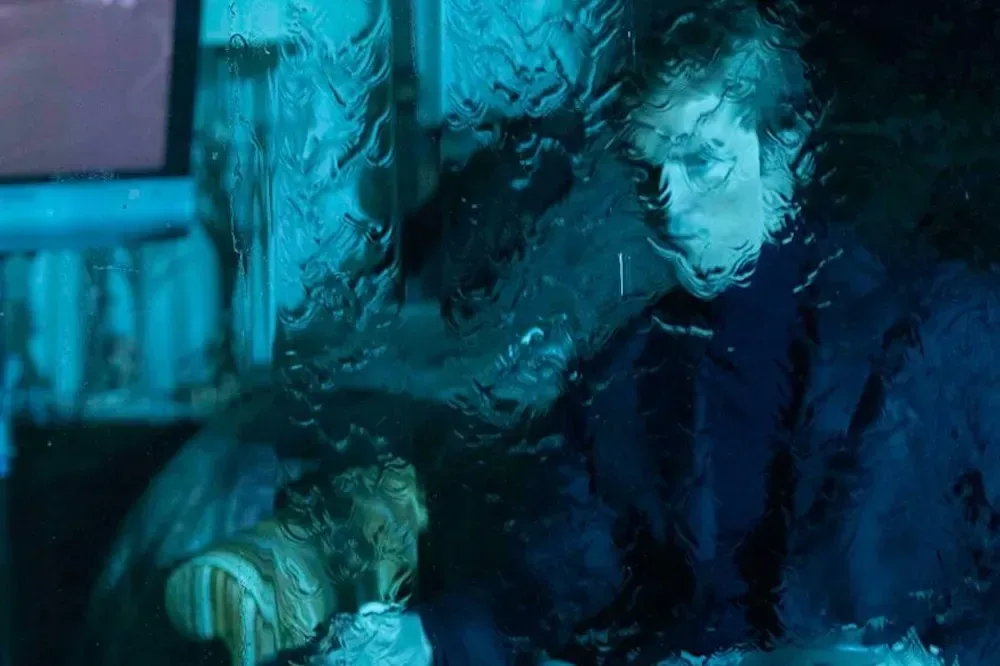
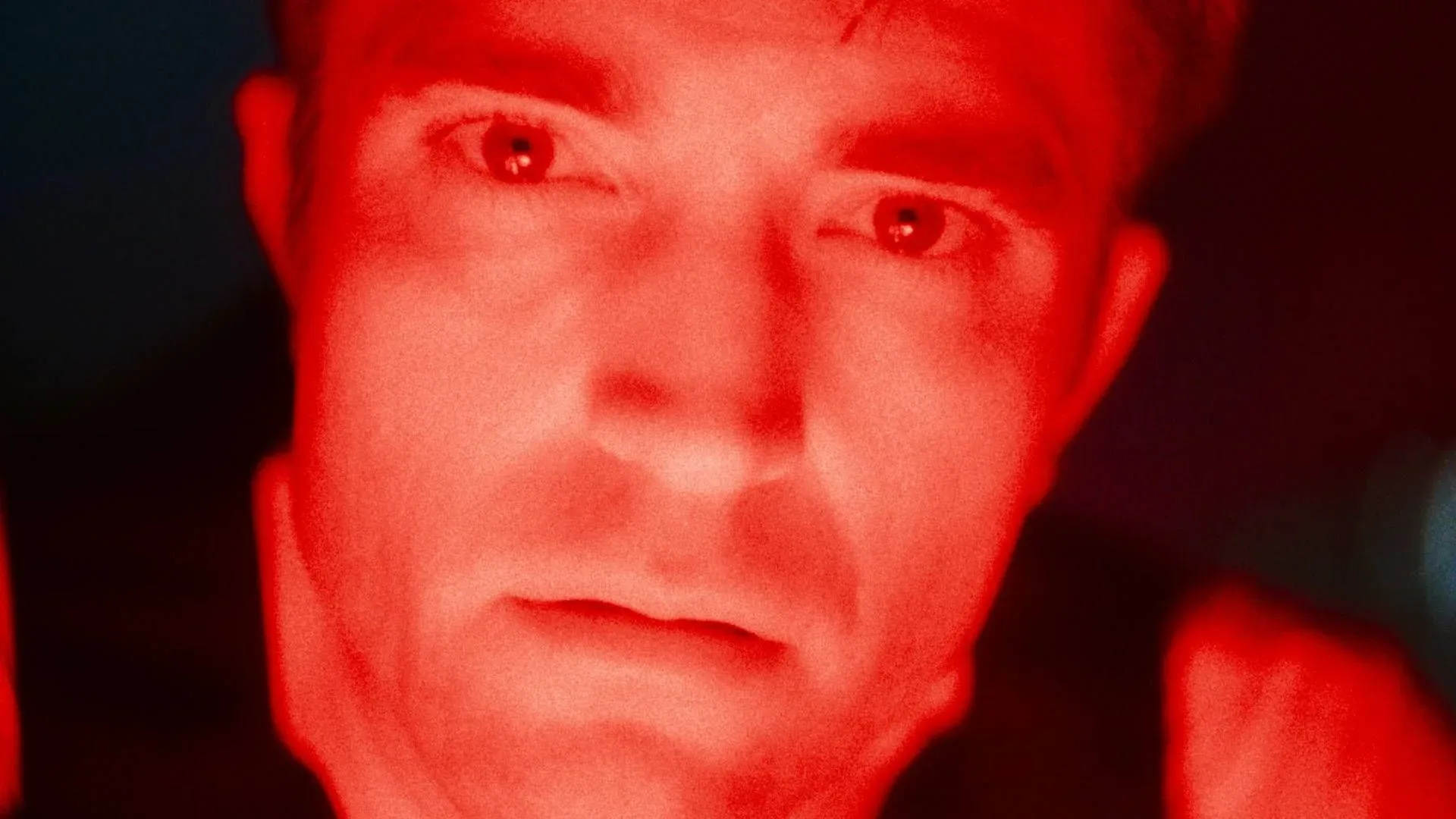
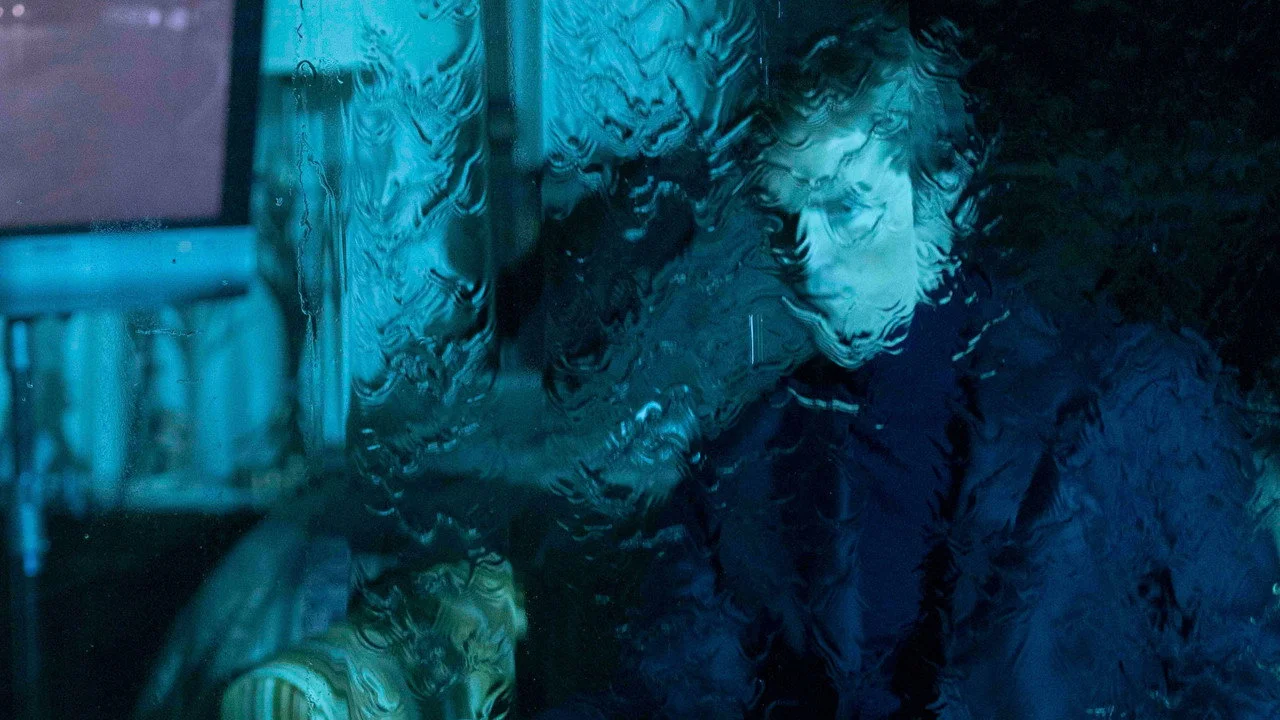
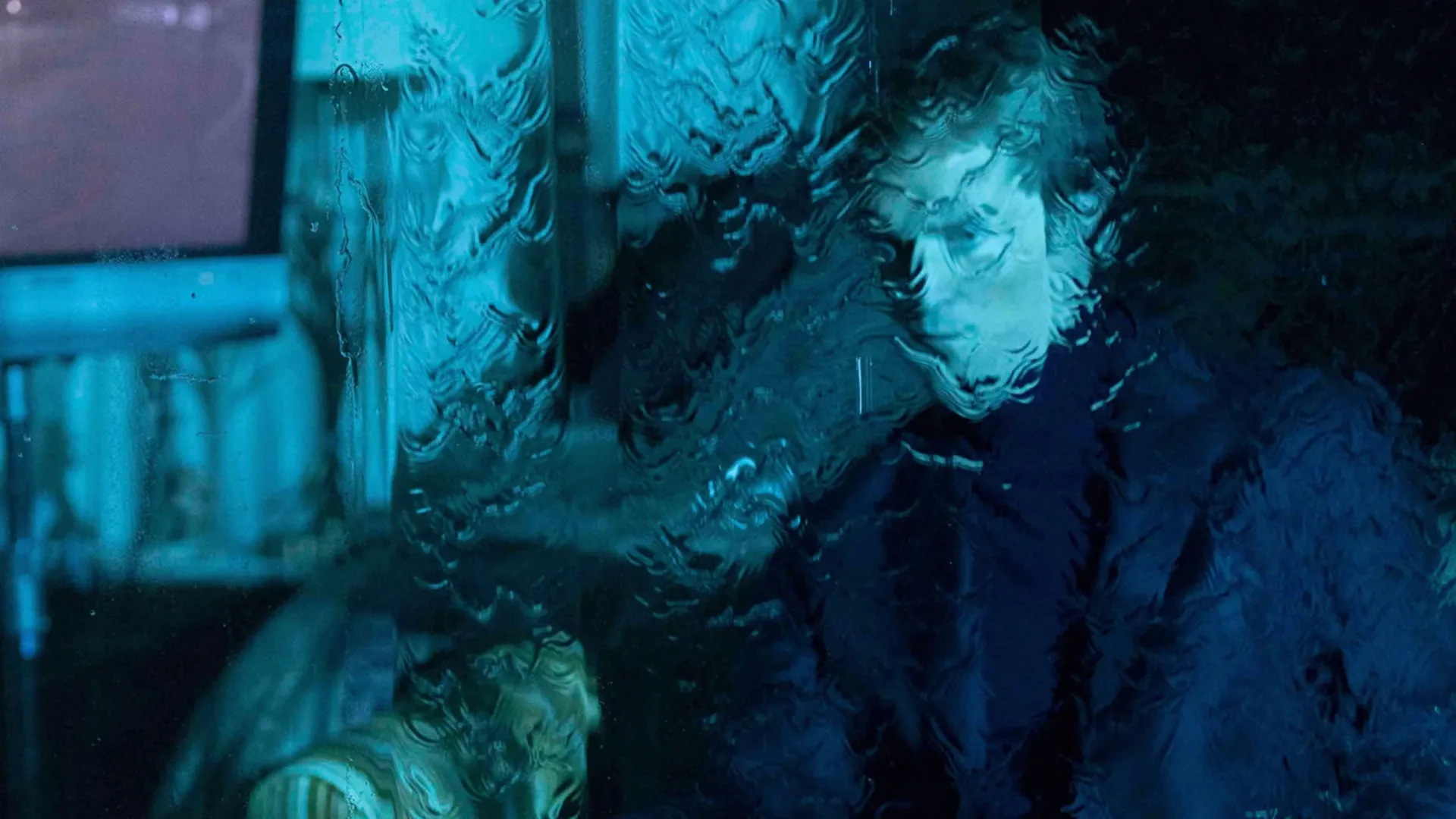
That descent is supported by a bold visual approach. Lurid pinks and greens flood the screen, pushing the story beyond naturalistic television drama toward something heightened and diseased. The colour is not merely decorative in this context. It appears to externalize the artificiality and corruption at the heart of the production: a world of bright, broadcast-ready surfaces masking material that should resist being made entertaining. A climactic storm at night intensifies the horror charge, bringing the film’s escalating dread into a more overtly genre-shaped space.
Importantly, the humour does not vanish when the film turns darker. The comedy in Chris’s self-seriousness makes his eventual instability more unnerving, because the film does not ask viewers to approach him with solemn reverence. It encourages recognition of the absurdity of a man who cannot stop performing himself, then shows how that absurdity can become dangerous. That tonal braid—satire, discomfort and horror—sounds deliberately risky, but it is well matched to a story in which entertainment is used to package moral outrage.
A pointed critique with one notable blind spot
Primetime is strongest when it examines Chris and the people subjected to his orbit. Its attention to performance, self-deception and the human cost of content creation gives the film a clear dramatic centre. Pattinson’s intensity and Gisondo’s restraint make that centre difficult to look away from.
There is, however, a meaningful limitation in where the film directs its blame. By making Chris its villain, the story may let the audience demanding this kind of spectacle escape scrutiny too easily. The television program’s commercial logic depends on viewers as well as its host, producers and participants. If the film concentrates its interrogation on the person selling the spectacle, then the public appetite that rewards him can remain comparatively abstract.
That does not erase the force of the film’s critique; it defines its boundary. Primetime appears more focused on the psychology of a man consumed by his own televised authority than on a broader accounting of the audience that makes such authority valuable. Viewers seeking a comprehensive examination of the entire cultural ecosystem may find that narrowing frustrating. Those interested in a feverish character study of media ambition and moral performance, however, have much to grip onto.
Verdict
Primetime turns a grim piece of television history into an absorbing story about the difference between saving the world and performing the part of someone who saves it. Oppenheim’s debut is bolstered by a commanding Pattinson, excellent work from Gisondo and a visual progression from acidic satire to full-blown dread. Its critique may not extend far enough toward the spectators who consume the spectacle, but its portrait of a host devoured by his own crusading image is potent, strange and hard to shake.