Robert Pattinson’s 2026 workload is the sort of schedule that can make even a seasoned actor stare at the calendar as though it has developed a hostile personality. The actor has appeared in The Drama with Zendaya, returned to screens in Christopher Nolan’s The Odyssey, taken the lead in the true-crime psychological thriller Primetime, and is set to head to Arrakis alongside Timothée Chalamet in Dune 3. He is also working on The Batman 2.
Pattinson’s own assessment is more delight than triumphalism. He said getting the films in the first place was exciting, but seeing them come together has left him asking, “How is this happening?” He summed up the run with a simple verdict: “It’s a miracle.”
That reaction makes sense when the projects are considered less as a collection of big titles and more as a collection of radically different performance demands. Primetime asks Pattinson to portray a real television figure associated with a very specific program and a deeply uncomfortable subject. The Odyssey placed him in a fantasy epic, while Dune 3 moves him into a major science-fiction world as Scytale. Meanwhile, The Batman 2 remains another enormous assignment sitting in the background. The common denominator is Pattinson; the acting problems are not remotely the same.
Primetime’s narrower target: the presenter on the show
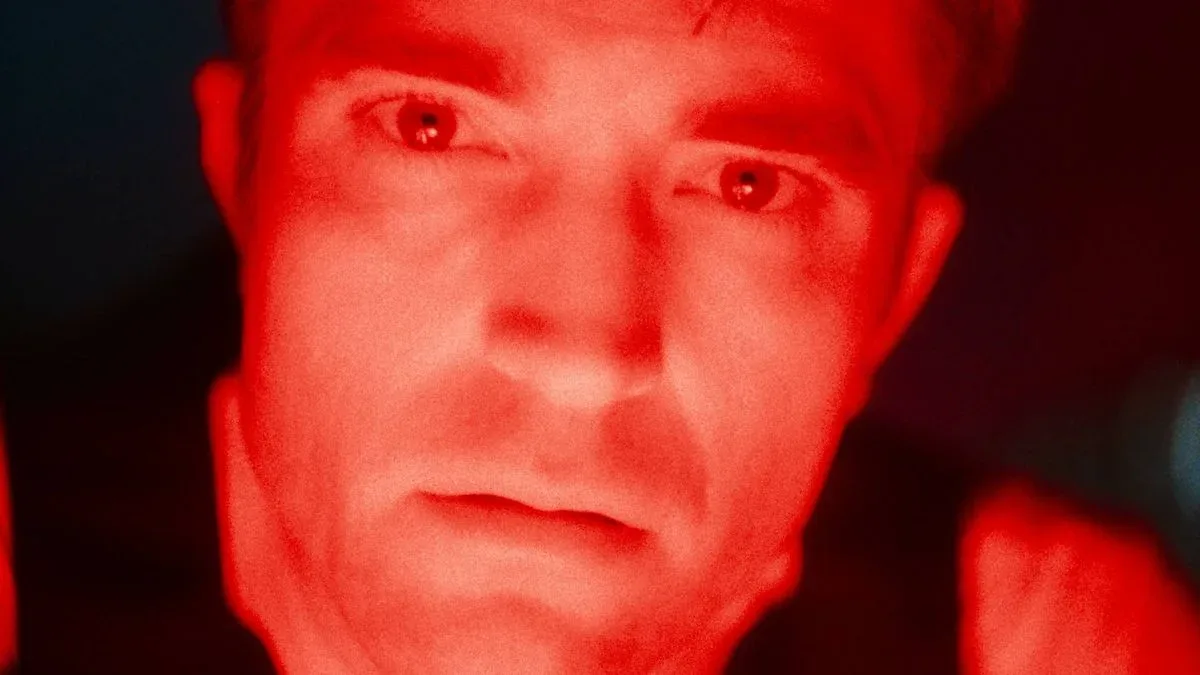
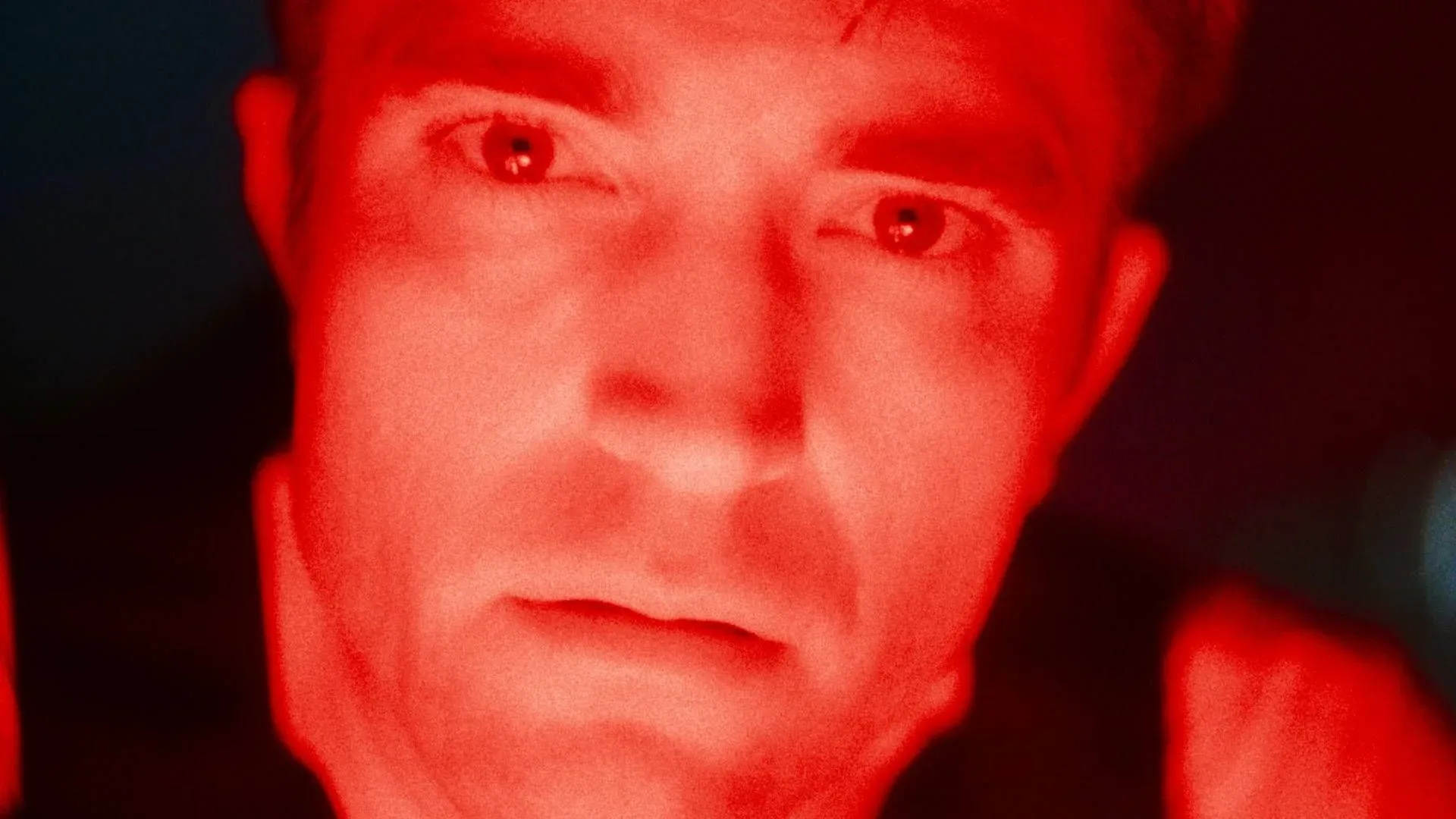
In Primetime, Pattinson plays Chris Hansen, the presenter associated with To Catch A Predator. The biographical drama is set in the early 2000s and centers on a version of Hansen tied to that program, rather than offering a claim to encompass every part of the real person’s life.
That distinction is crucial. Pattinson described his approach as playing “the Chris Hansen purely from the show,” not seeking a complete, all-purpose embodiment. It is a useful way to understand a performance based on a living, widely recognizable media personality: research can be extensive without turning the film into a documentary or pretending that an actor possesses the whole private reality of their subject.
There was no shortage of material for the actor to study. He pointed to the large amount of available footage, a major advantage when a role requires attention to vocal patterns, rhythms, posture and physical mannerisms. In practice, footage gives an actor repeatable details to interrogate: how a sentence begins, where emphasis falls, the shape of a pause, an habitual movement, or the degree to which a seemingly ordinary tone becomes unsettling in a particular context.
The result, by Pattinson’s description, is not mere duplication. He said he tried to use as much information as possible and then “turn it up to 11.” That phrase signals an interpretive choice. A screen performance has to read within the framing, editing and emotional pressure of a narrative film. It may draw from observable behavior while heightening selected traits to make the character’s presence legible and dramatically potent.
Why the original program has such a long internet afterlife
To Catch A Predator aired as part of Dateline NBC from 2004 to 2008. Its hidden-camera segments followed undercover sting operations intended to catch adult men seeking sex with minors. The premise, confrontational setup and immediately identifiable hosting style have continued circulating long after the original run through social media, YouTube clips and online forums.
Pattinson described that persistence as an unusual “half-life” for a news program. The term is apt as a metaphor: rather than vanishing after its initial broadcast window, material continues to be rediscovered, excerpted and discussed by viewers years later. In this case, active fan forums still examine stings from roughly two decades ago.
That endurance gives Primetime an unusually complicated audience relationship with its subject. Some viewers may recognize details instantly from clips; others may know the program chiefly through online references and fragments. A performance therefore faces two overlapping standards. It needs to function for people encountering the character within the film alone, but it may also be judged by people with highly specific memories of the source material.
It also helps explain why Pattinson concentrated on the on-air figure. The character is already mediated by television, archived video and internet culture. The film is engaging with a public persona that audiences have repeatedly replayed, not beginning with a blank slate.
An accent that refused to leave the set
The practical challenge Pattinson emphasizes is the voice. He generally does not find moving between his natural accent and a role’s accent particularly difficult, but his interpretation of Hansen’s accent proved unusually stubborn. He said he was practicing it constantly.
That is more revealing than a generic “actors use accents” anecdote. An accent is not simply a collection of vowel swaps. It can involve rhythm, pitch, emphasis, consonant treatment, pacing and what performers often describe as placement: the sense of where a voice sits or resonates. When those elements become habitual through sustained rehearsal and filming, they can linger after the day’s work ends.
For Pattinson, the proximity of productions made the effect noticeable. He went directly from wrapping Primetime to The Odyssey. His work in Nolan’s film used a standard American accent, yet he noticed some crossover in early scenes shot in Italy. He said he had nearly forgotten what his standard American voice sounded like and needed a dialect coach to refresh the Mid-Atlantic accent.
The story is funny because it is so specific: an actor with a substantial career in screen work having to reorient himself to an accent he knows, after living in another version of American speech for long enough. But it also illustrates why “standard American” should not be treated as an absence of technique. It remains a deliberate vocal setting, especially for a British actor moving between distinct characters and productions at speed.
There is, then, a small but real risk of creative residue when projects overlap. Pattinson said he does not expect Hansen to turn up in Scytale for Dune 3, which is reassuring news for anyone worried that Arrakis might suddenly acquire the cadence of a televised confrontation. Still, the early Odyssey overlap shows that characters can leave traces in the mechanics of performance even when an actor is fully aware of the boundary between them.
A crowded year without flattening the roles together
The headline number is four major movie releases in 2026, but the more interesting point is the variation inside that number. The Drama, The Odyssey, Primetime and Dune 3 do not suggest a performer repeating one safe register. The supplied details point instead to work spread across hard-hitting drama, epic fantasy, true-crime psychological drama and large-scale science fiction.
That variety carries a practical benefit for audiences as well as a workload cost for the actor. A recognizable star can offer continuity between projects, but the specific research behind Primetime and the accent work described by Pattinson suggest an effort to prevent recognition from becoming repetition. The aim is not to erase the familiar actor entirely; it is to build a role with its own logic, voice and physical behavior.
Primetime is currently playing in US theaters and is scheduled to arrive digitally on November 3. In the UK, it opens in cinemas on October 30, with select preview screenings from October 28. Its release arrives amid an exceptionally packed stretch for Pattinson, rather than as an isolated prestige detour.
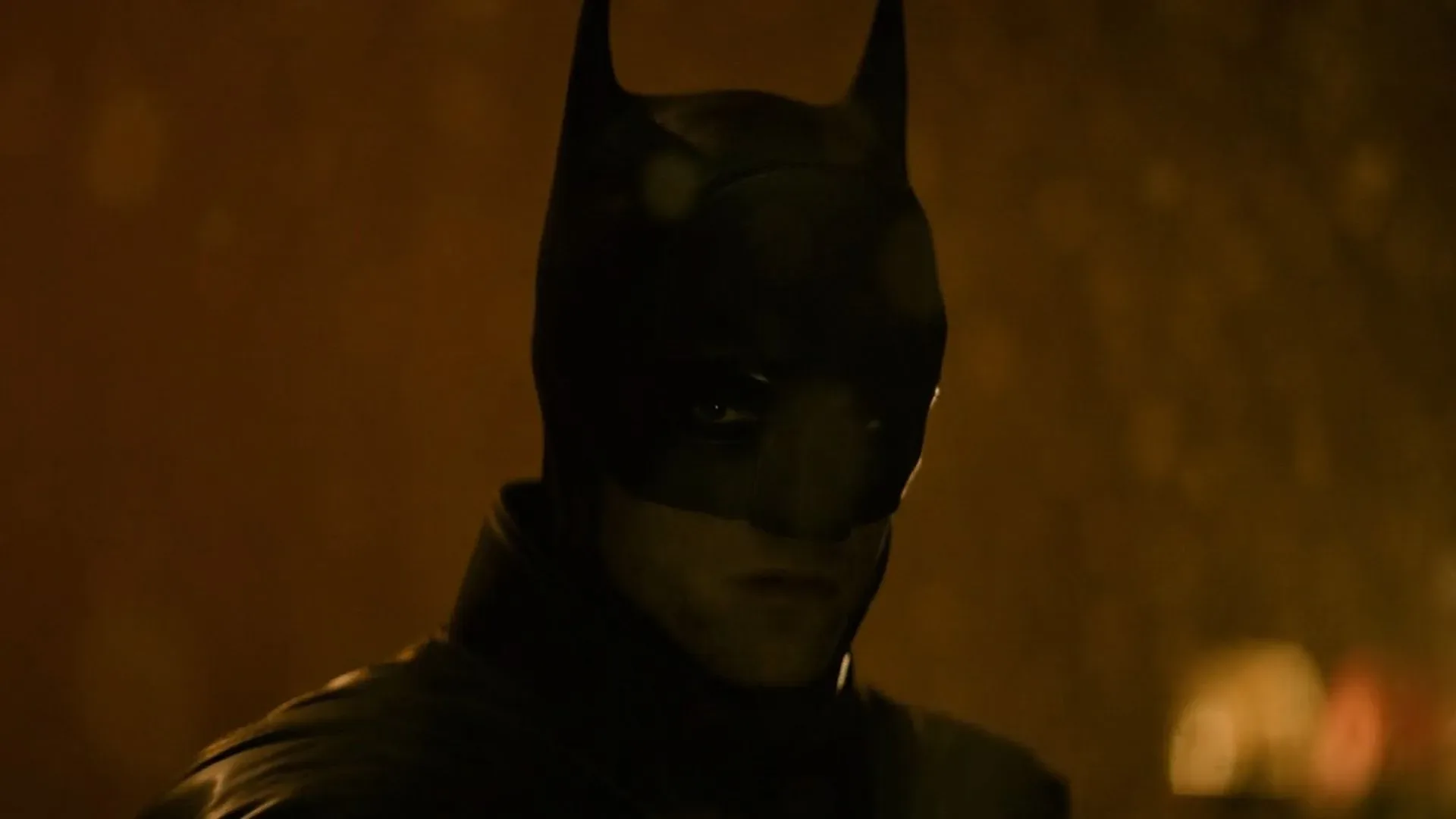
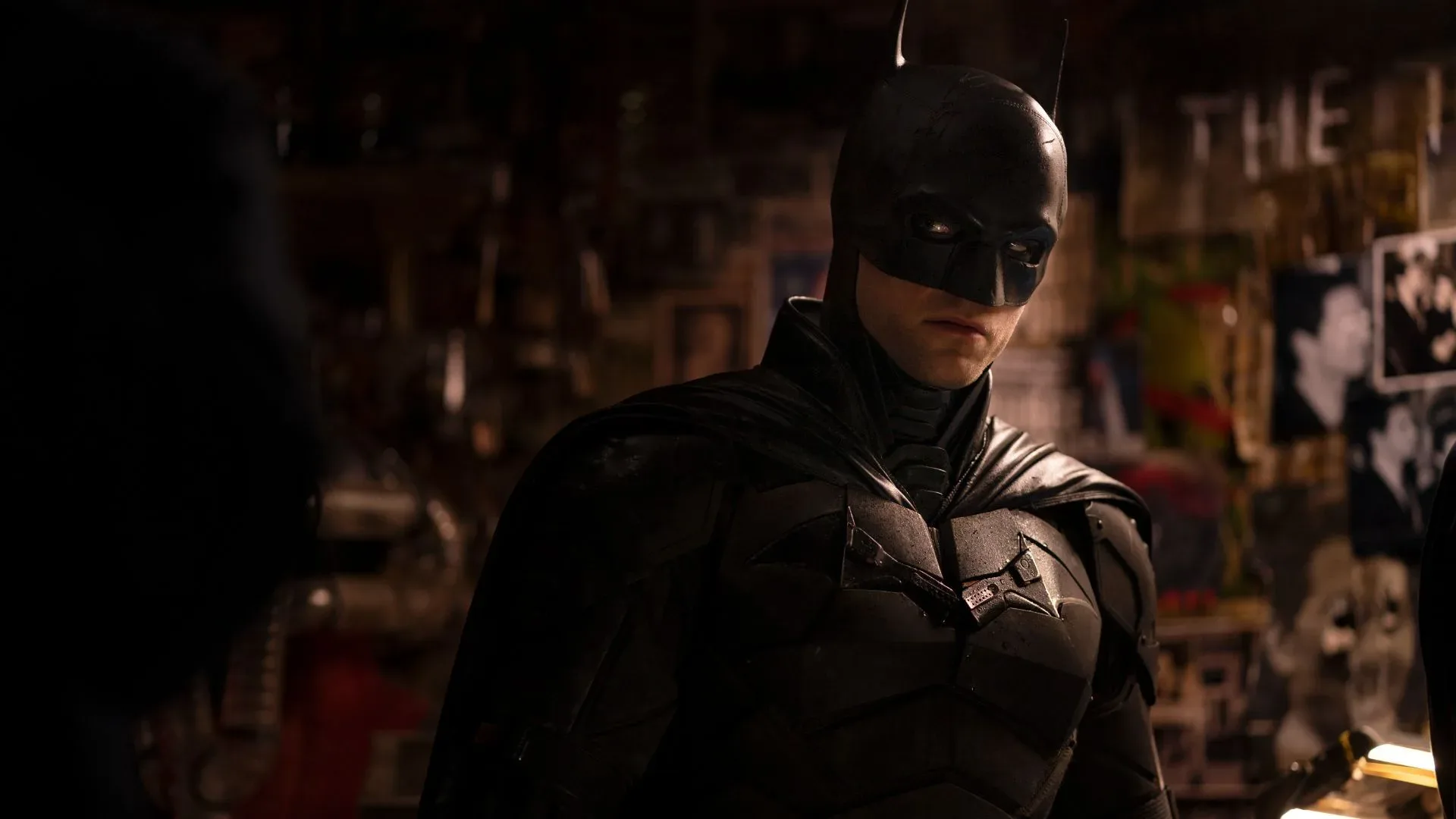
And there is more Batman business ahead. Pattinson’s work on the superhero follow-up has already been an ongoing part of this period; the latest discussion around The Batman Part II underscores that the cape-and-cowl assignment remains one component of a much broader slate.
For now, Primetime may be the clearest demonstration of the range of that slate. It puts Pattinson in the demanding position of portraying a familiar real broadcaster whose on-screen identity remains heavily available online, then asks him to shape those recognizable details into a heightened dramatic performance. If the actor’s description of the process is any indication, the difficult part was not locating material. It was making the voice, tics and public image cohere without allowing them to take over every role that came afterward.