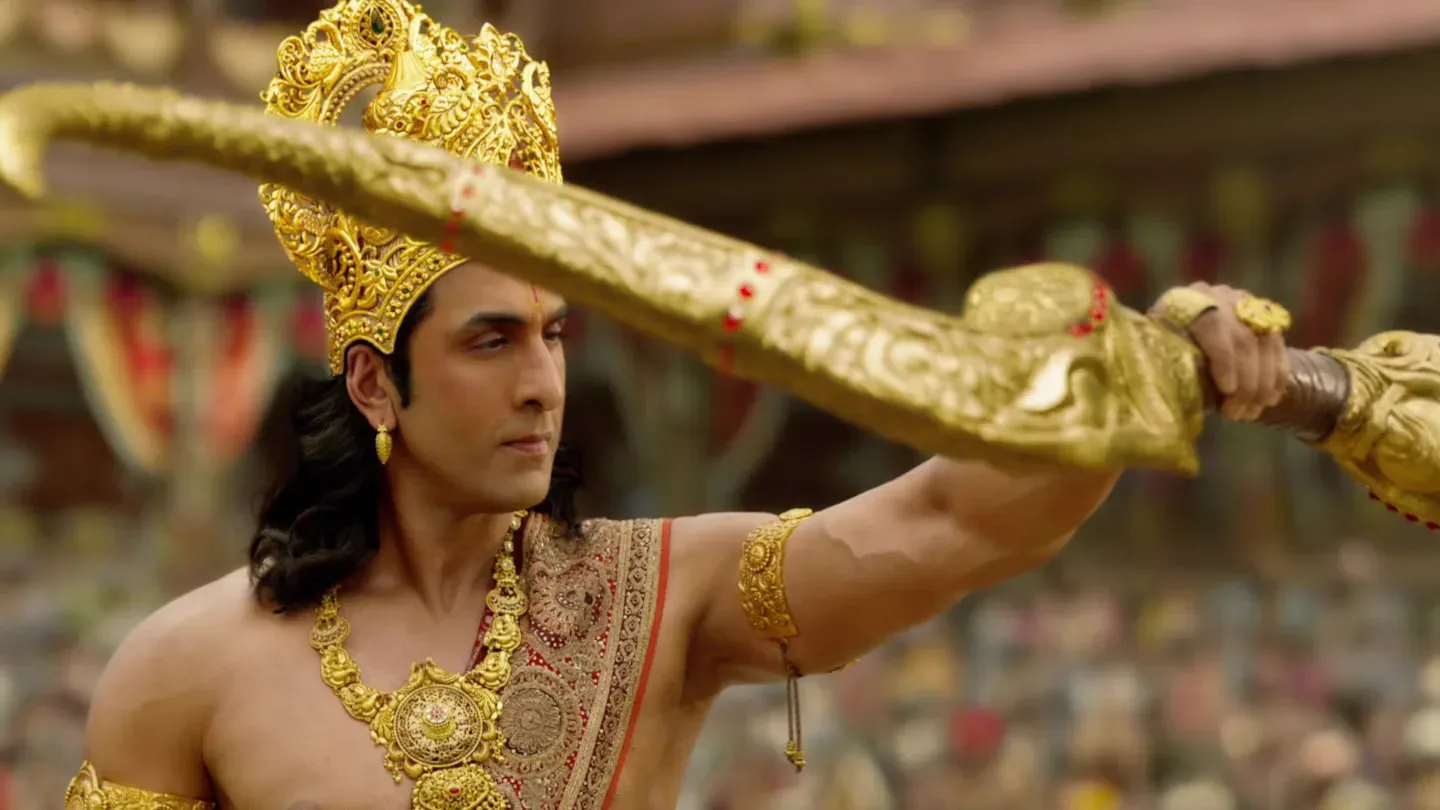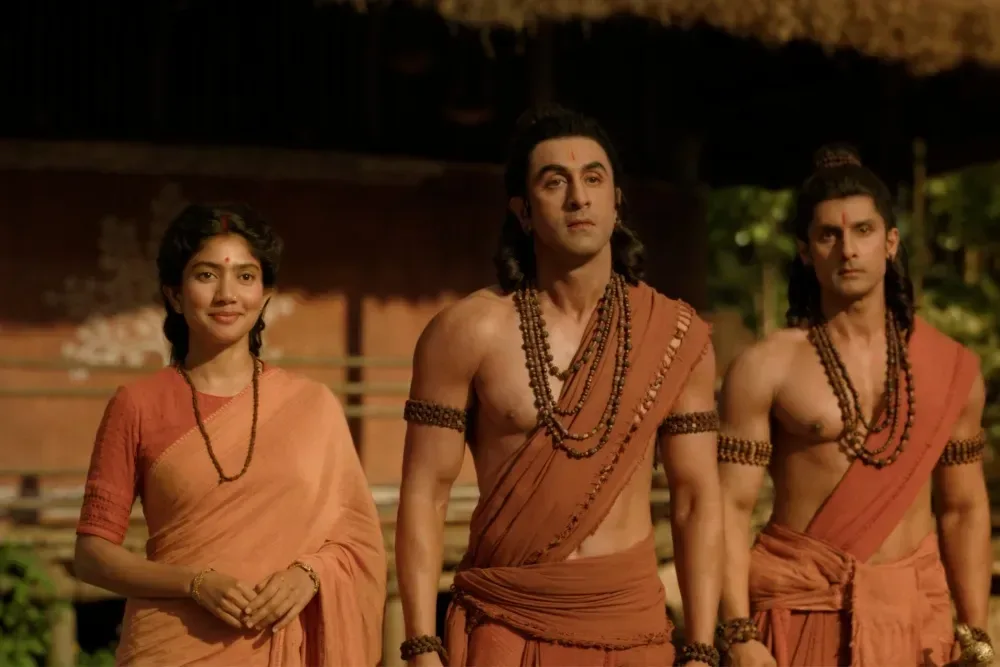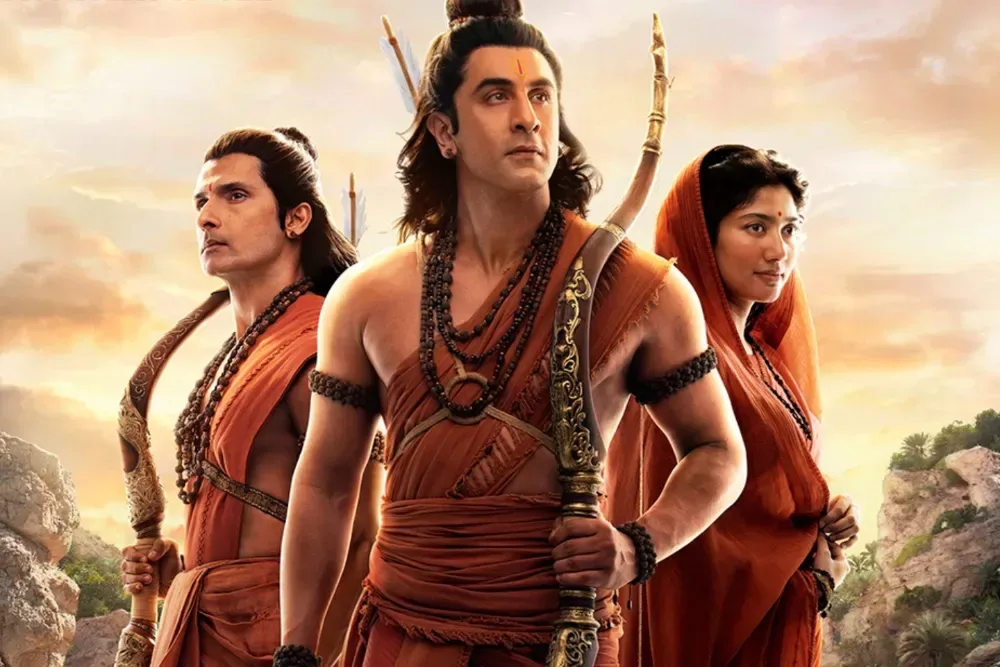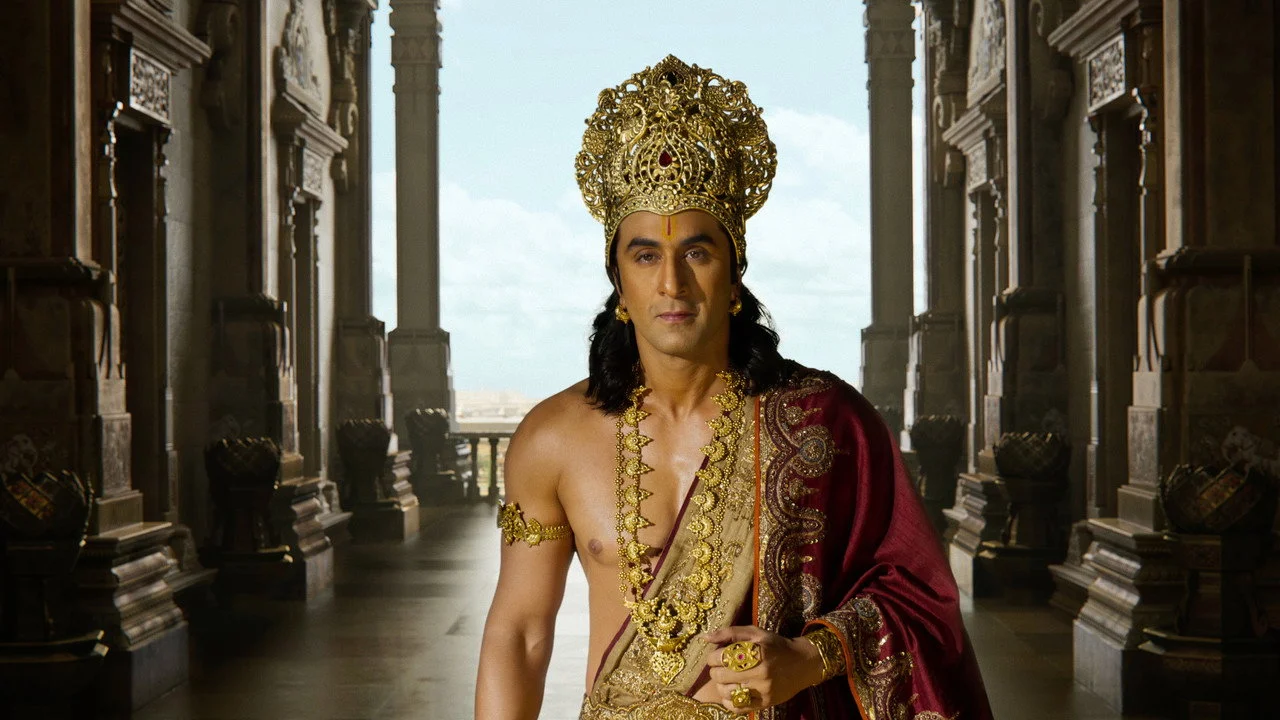

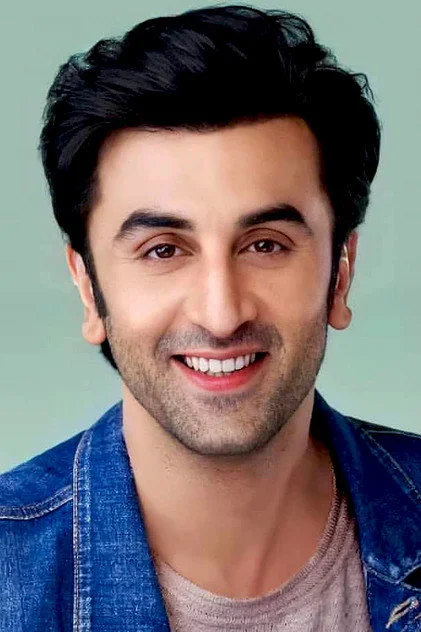
 Ranbir KapoorPrince Ram / Parshuram / Lord Vishnu
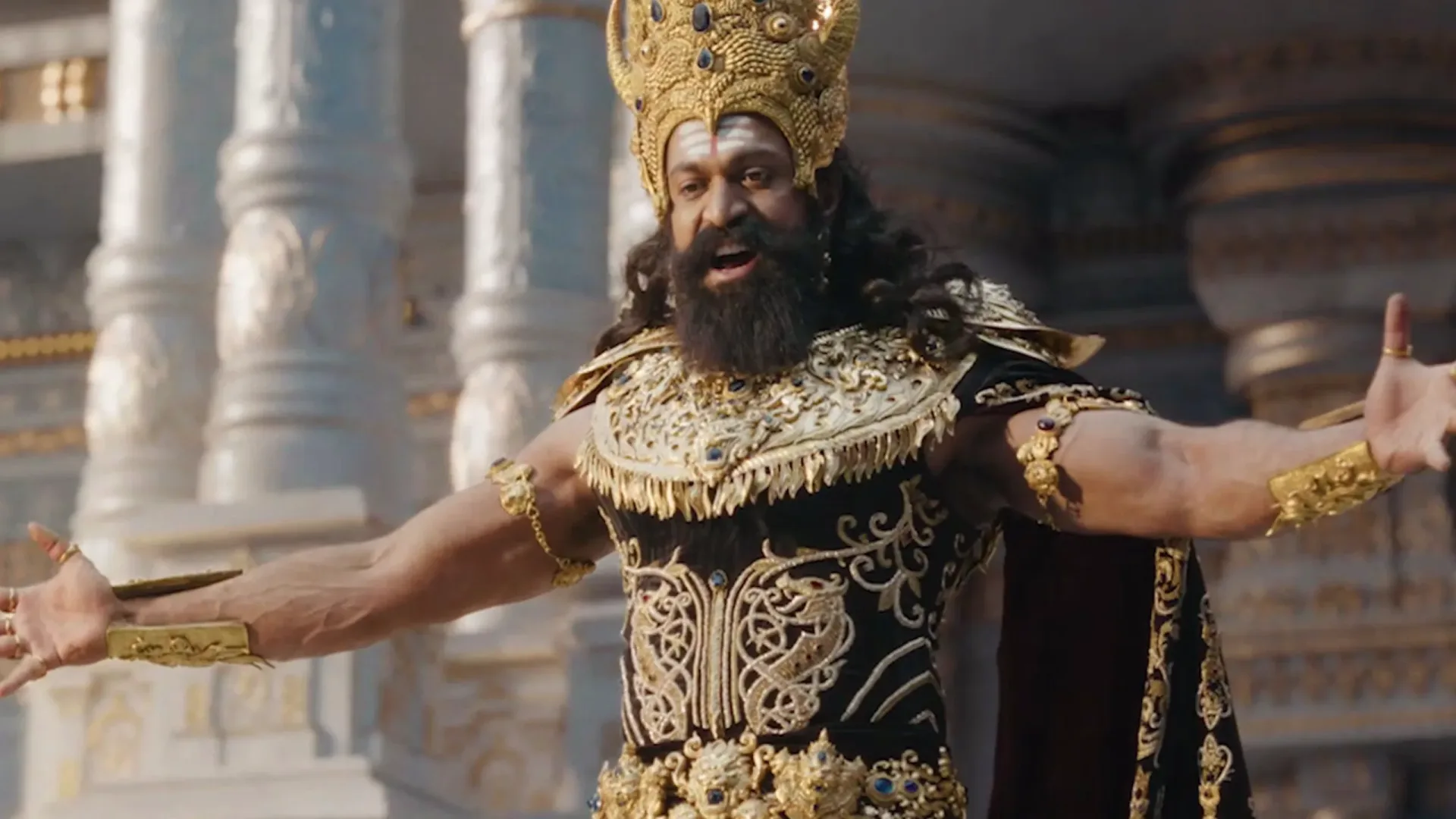
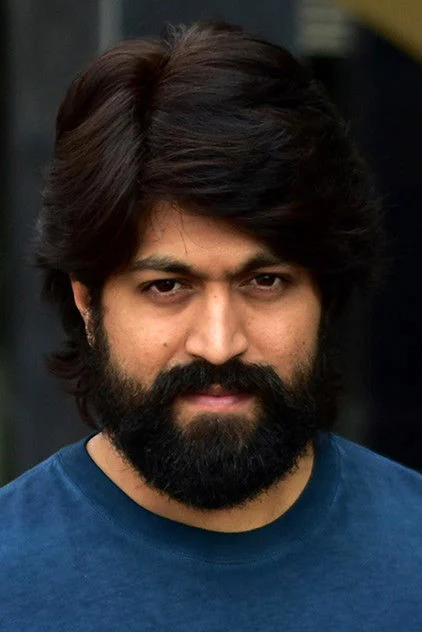 YashRavana
 Sai PallaviSita
 Ravi DubeyLakshman
 Arun GovilKing Dashrath
 Lara DuttaKaikeyi
 Rakul Preet SinghSurpanakha
 Indira KrishnanKaushalya
 Sonal JhaSumitra
 Adinath KothareBharata
 Kajal AggarwalMandodari
 Nitish SharmaShatrughna
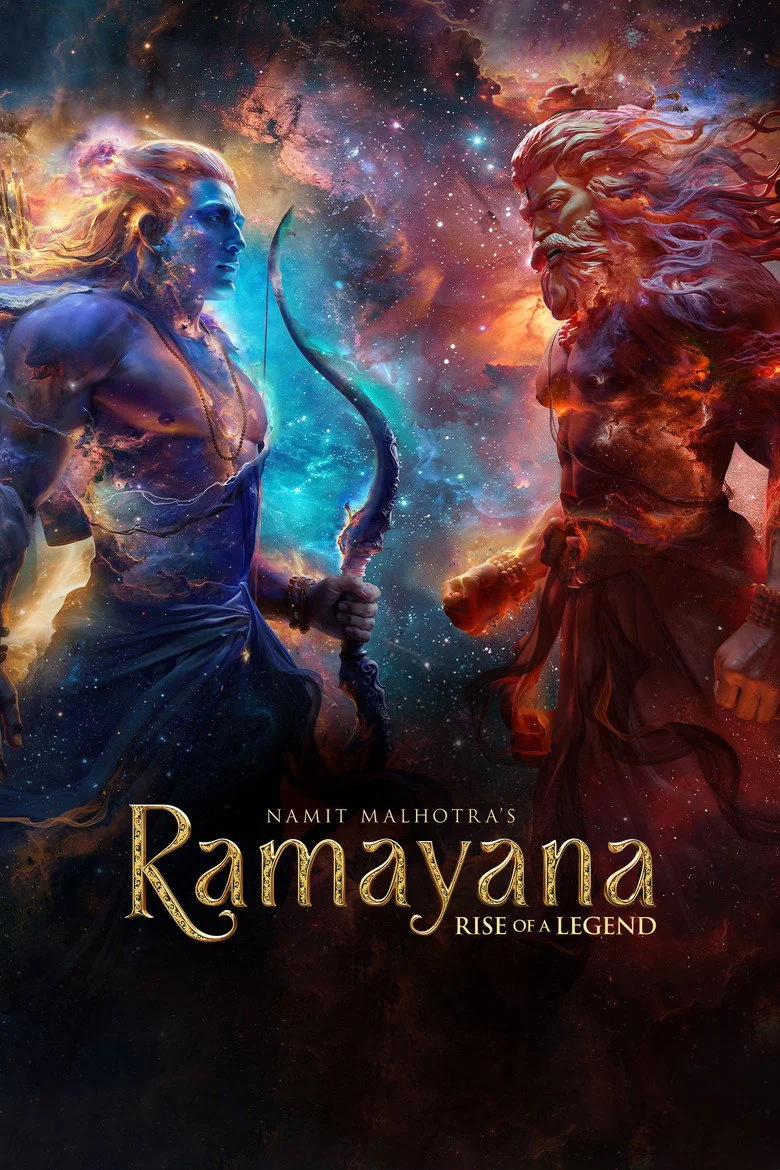
Ramayana: Rise Of A Legend approaches ancient mythology at blockbuster volume. Nitesh Tiwari’s film uses a vast canvas for the story of Rama, an incarnation of the Hindu deity Vishnu, and Ravana, the powerful adversary whose rise and eventual collision with Rama forms the film’s central trajectory. It is an extravagantly scaled production: frozen-wasteland warfare, giant-filled forests, aerial machinery, ceremonial spectacle and duels all arrive with an eagerness to make the myth feel physically enormous.
That ambition is both the film’s identity and its complication. The images can be thrillingly unrestrained, particularly when the film stops explaining its cosmology and lets design, movement and music do the storytelling. Yet its first installment is also burdened by setup. It repeatedly pauses to establish divine power, lineage, fate and sacred duty, creating a structure that can feel as though it is clearing its throat for the showdown still to come. The result is a film that earns attention through spectacle more consistently than it earns emotion through character.
A myth built on a gigantic scale
The opening conflict gives Ravana a dramatic foundation: defeated in battle and reduced to slavery, he prays for the means to liberate his people. Brahma grants him superhuman strength, immunity to pain and protection from attack. That escalating power produces the need for Vishnu to return to the mortal world as Rama. The premise has the clean force of a fated confrontation, and the film treats that inevitability as a feature rather than a twist. It is less interested in mystery than in the mounting pageantry of two mythic figures moving toward one another.
There is a rough-edged vitality to this approach. The film combines contemporary effects-driven fantasy with the direct, populist energy of a large-scale Indian entertainment. It can move from courtly plotting to a cursed landscape, then to a gladiatorial contest, without much concern for tonal modesty. A flying elephant being punched in the eye is the kind of unapologetically outsized image that clarifies the movie’s sensibility: this is not restrained prestige mythology. It wants awe, excess and visual surprise.
Its production design gives that desire tangible shape. A flying machine is singled out as especially imaginative, while sweeping camerawork helps turn processions and confrontations into events rather than static displays of expensive scenery. Even when the narrative is overburdened, the world-building suggests a team determined to find distinct visual hooks within the scale. The film is most persuasive when it trusts these details to communicate the grandeur of its setting.
When movement says more than dialogue
The film’s best material is visual rather than verbal. Large action passages, colourful rituals and montages give the mythology room to feel strange and alive. Ravana’s worshipful dance around a firepit stands out as a particularly effective fusion of character, religious fervour and music. Rather than merely explaining his conviction, the sequence externalizes it through flame, movement and rhythm.
Hans Zimmer and A.R. Rahman provide a forceful, nearly continuous musical presence. The score is bombastic by design, but it also appears to do essential structural work, carrying montages and action scenes through transitions that dialogue might otherwise have laboured to bridge. In a film filled with declarations of destiny, a score this assertive can make the material feel ceremonially charged. It helps sustain momentum, though its constant presence also reinforces the sense that nearly every moment is being asked to register as monumental.
This visual-musical confidence makes the film’s strongest stretches easy to understand. Tiwari appears most at home orchestrating bodies, machines, landscapes and movement across the frame. The action and spectacle offer a kind of clear storytelling: Ravana’s destructive momentum, the weight of divine intervention, and the growing scale of the impending conflict are legible without another speech about what they mean. The closer the film gets to its final act, the more sharply those stakes come into focus, and the more involving it becomes.
Too much foundation, too little character
The trouble is that Rise Of A Legend spends a great deal of time laying foundations. It stacks prologue upon prologue, detailing Ravana’s transformation, Rama’s role as the chosen protector and Rama’s relationship with Sita. Because the decisive Rama–Ravana encounter is reserved for a second part scheduled for 2028, this chapter has the difficult task of functioning as both a story and an extended approach to a story. It does eventually find greater urgency, but much of its running time is devoted to preparing an impact it does not yet deliver.
That pacing issue would be easier to absorb if the characters were more textured. Instead, they are presented largely as embodiments of fate, Dharma and duty. These ideas are central to the film’s world, but the repeated speechifying makes the themes feel announced rather than explored. Dharma—the concept of sacred duty—has obvious dramatic potential when it asks characters to reconcile personal desire, responsibility and moral obligation. Here, the recurrence of grand declarations can flatten that potential, making people sound like vehicles for the film’s thesis.
Ranbir Kapoor’s Rama consequently has limited room to become a distinctive protagonist. He is framed as virtuous and chosen, but the available material gives him little personality beyond that role. Sai Pallavi’s Sita is described as sweet-natured, a quality that establishes the romance’s gentleness but does not in itself make her dramatically expansive. Naveen “Yash” Kumar has a more flamboyant assignment as Ravana, whose rage and destructive power give him a more immediate screen presence. Yet the performance is pitched so broadly that menace sometimes becomes caricature. Ravana’s backstory contains a potentially compelling tension between oppression, liberation and power; the characterization does not seem to develop that tension with much nuance.
This leaves a gap at the centre of the film. Its mythology is grand, its imagery can be delightfully wild, and its stakes eventually sharpen, but the people carrying those stakes often remain symbolic figures. The effect is not simply that the dialogue feels stilted. It is that the film’s most potentially resonant conflicts—love and duty, righteous protection and violent retribution, personal suffering and divine destiny—do not always achieve the emotional complexity their scale promises.
A spectacle-first recommendation
There is still pleasure in the movie’s lack of hesitation. It embraces sunsets, clifftops, armies, divine interventions and fiery ritual with complete seriousness. For viewers drawn to ambitious fantasy images and monumental sound, that commitment is a meaningful virtue. The film’s directness can be more effective than polish would be; even its excess has a vivid, sometimes mischievous imagination.
But patience is required for the prolonged setup, the political and familial exposition, and characters who have limited life outside their prescribed mythic functions. This is a first chapter whose late momentum makes a case for continuing, while also underscoring how much of the dramatic payoff has been deferred. Its closing cliffhanger is fitting: the film ends with the promise of a larger confrontation, after spending much of its runtime demonstrating that it has the visual muscle to stage one.
For a different recent approach to an enduring legend, The Death Of Robin Hood offers a useful contrast in mythic storytelling priorities. Ramayana: Rise Of A Legend, by comparison, is emphatically a spectacle machine. When it is soaring, fighting, dancing or inventing something impossible, it has genuine blockbuster force. When it stops to explain itself, it too often turns its epic scale into narrative weight.