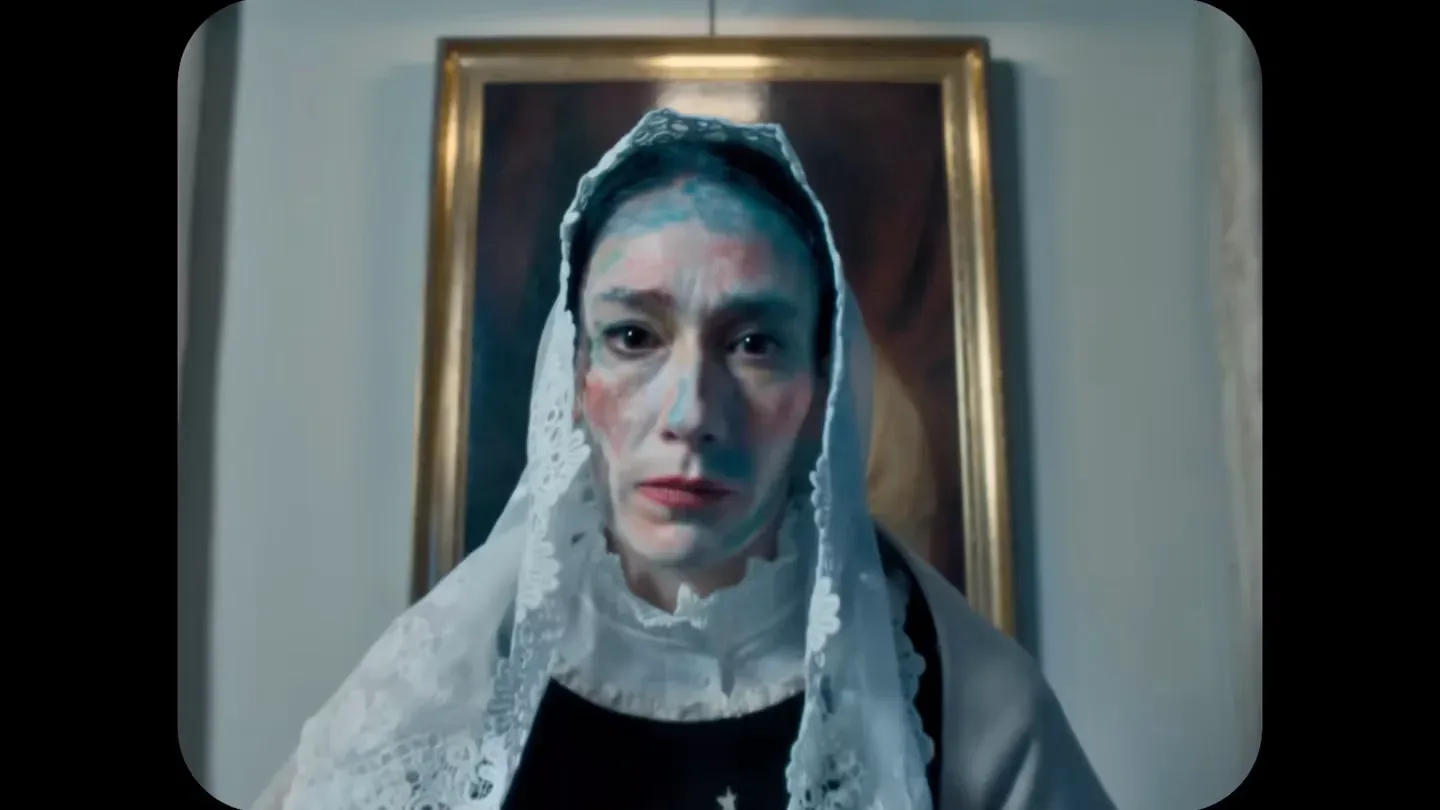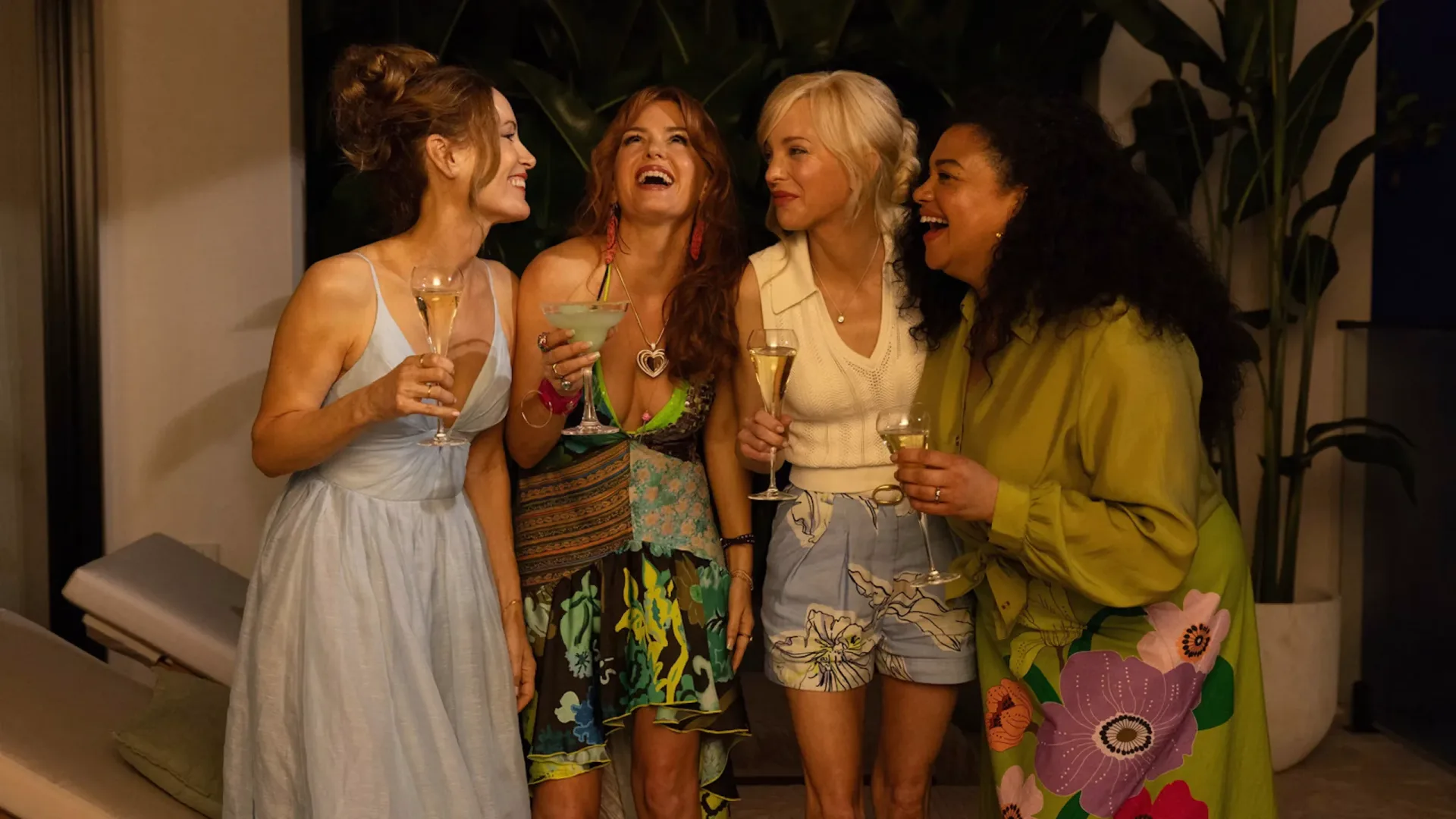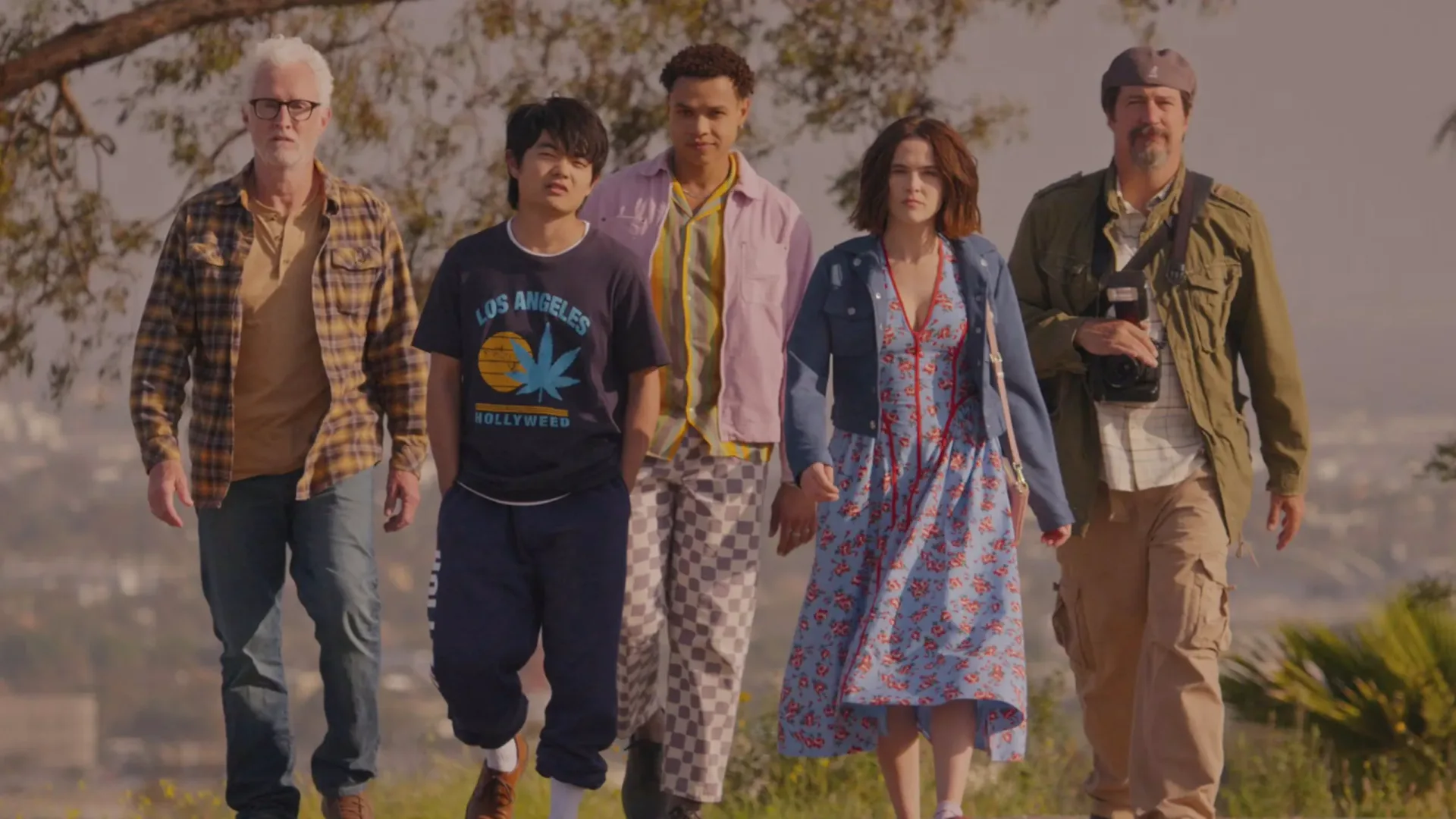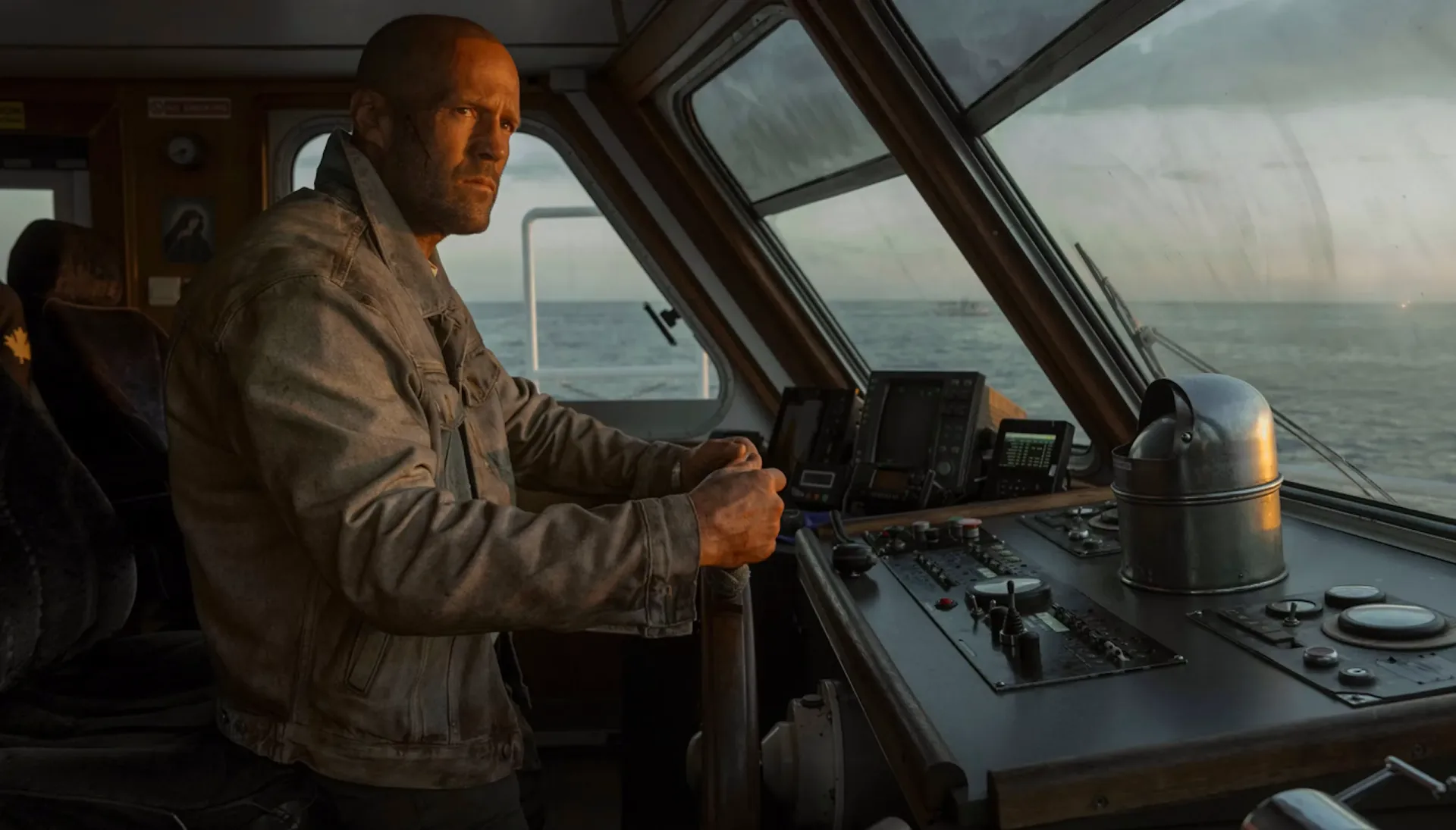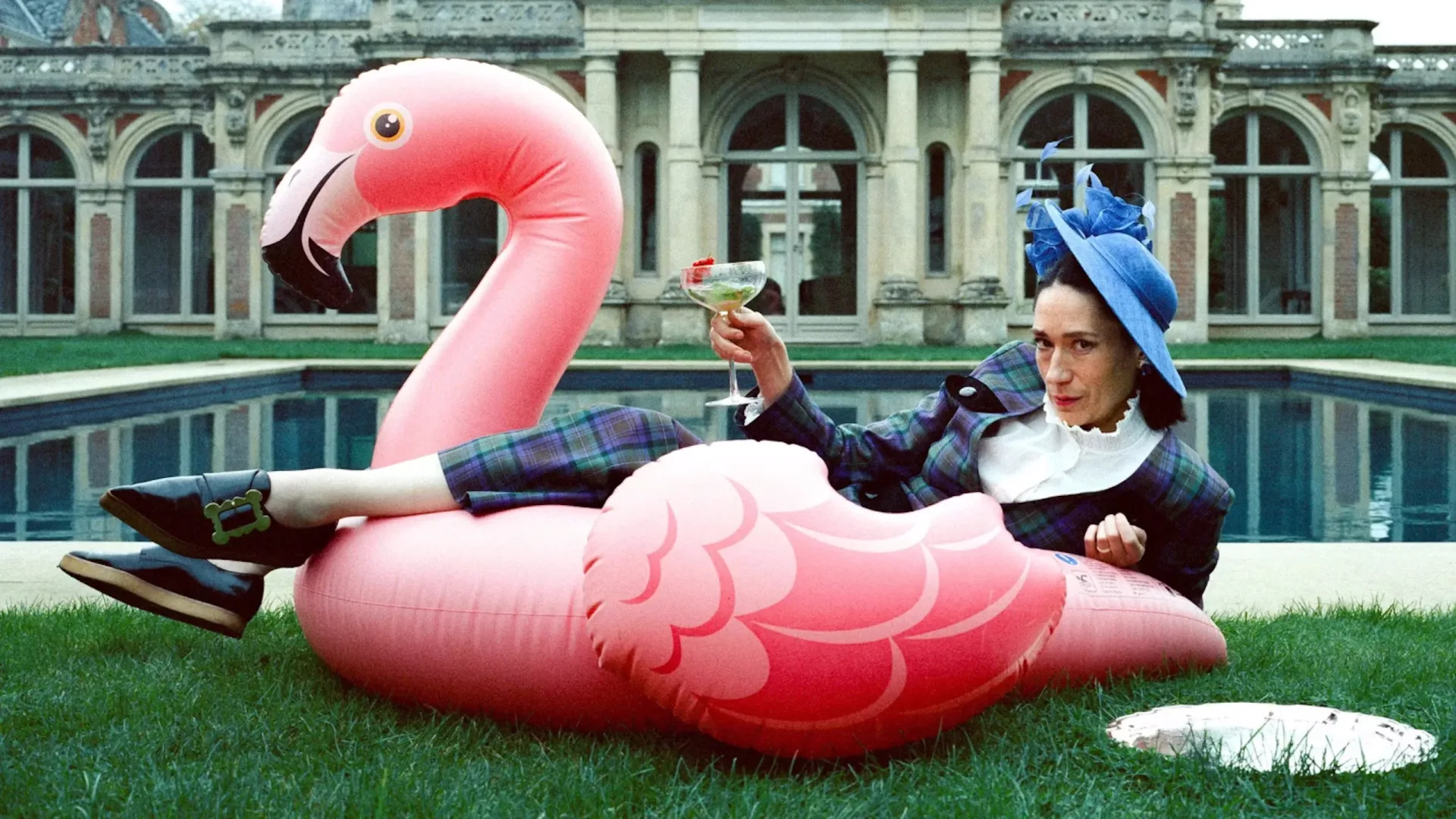
Lady turns a grand estate into a highly unstable stage. Samuel Abrahams’ debut feature follows Lady Isabella, an eccentric aristocrat in her forties who lives alone at Ravenhyde Hall and persuades young filmmaker Sam to document her supposed celebrity potential. Her self-appointed pitch is lofty; the resulting film is far more interested in the gap between the persona she performs and the life she cannot entirely choreograph.
Sian Clifford gives Isabella the forceful, volatile presence the premise needs. She plays the character as haughty, theatrical and ravenous for control, making her elaborate displays feel both ridiculous and revealing. Isabella’s involvement in a local children’s talent show, Stately Stars, gives that need for an audience a particularly sharp outlet. Yet the comedy does not remain merely a parade of eccentricity. As the story exposes Isabella’s grief and her experience of menopause, the performance finds a more vulnerable register beneath the bravado.
A battle for the camera
The mockumentary form makes the relationship between Isabella and Sam central. He seeks candour; she wants authorship of every image. Laurie Kynaston’s director-character is therefore more than a convenient person holding the camera: his clashes with Isabella give the film its uneasy comic rhythm and feed its questions about artists, subjects and who gets to define a story.
Abrahams and co-writer Miranda Campbell Bowling pair that tension with surreal, psychedelic flourishes. Jonny Woodley’s haunting operatic vocal score and Terri Higgins’ emphatic costumes push the estate setting beyond straightforward social satire. An azure tartan pantsuit and leopard print under a trench coat fit a film whose heroine treats daily existence as an event that requires costuming.
Funny, then unexpectedly raw
The film’s strongest move is allowing its silliness to coexist with a sense of confinement. Ravenhyde Hall may look gilded, but Isabella’s isolation gradually carries more weight, and the story’s attention to the invisibility of middle-aged women gives the comedy an affecting undercurrent. The image of a woman disappearing inside the carefully maintained identity she has built is a potent one.
There are caveats. The fly-on-the-wall approach occasionally raises distracting questions about where the camera could plausibly be, interrupting the illusion. Clifford’s intentionally raucous work can also tip into a frenzied mode before the film reins it back. Still, its emotional pivots keep the more outlandish passages from becoming empty spectacle.
Lady is best suited to viewers open to an off-kilter character comedy with melancholy underneath its absurdity. It is a showcase for Clifford’s ability to make imperious performance, private pain and comic chaos occupy the same frame.