
 Keegan-Michael KeyBuddy / Dark Buddy (voice)
 Delaney QuinnFreddy
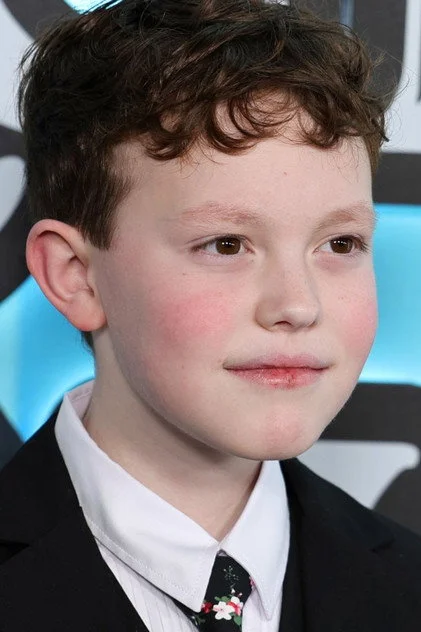 Tristan BordersOliver
 Madison Skyy PolanHannah
 Caleb WilliamsWade
 Cristin MiliotiGrace
 Topher GraceBen
 Patton OswaltStrappy (voice)
 Michael ShannonWillie (voice)
 Clint HowardGeorge
 Bennie TaylorMailman Miles
 Phuong KubackiNurse Nancy
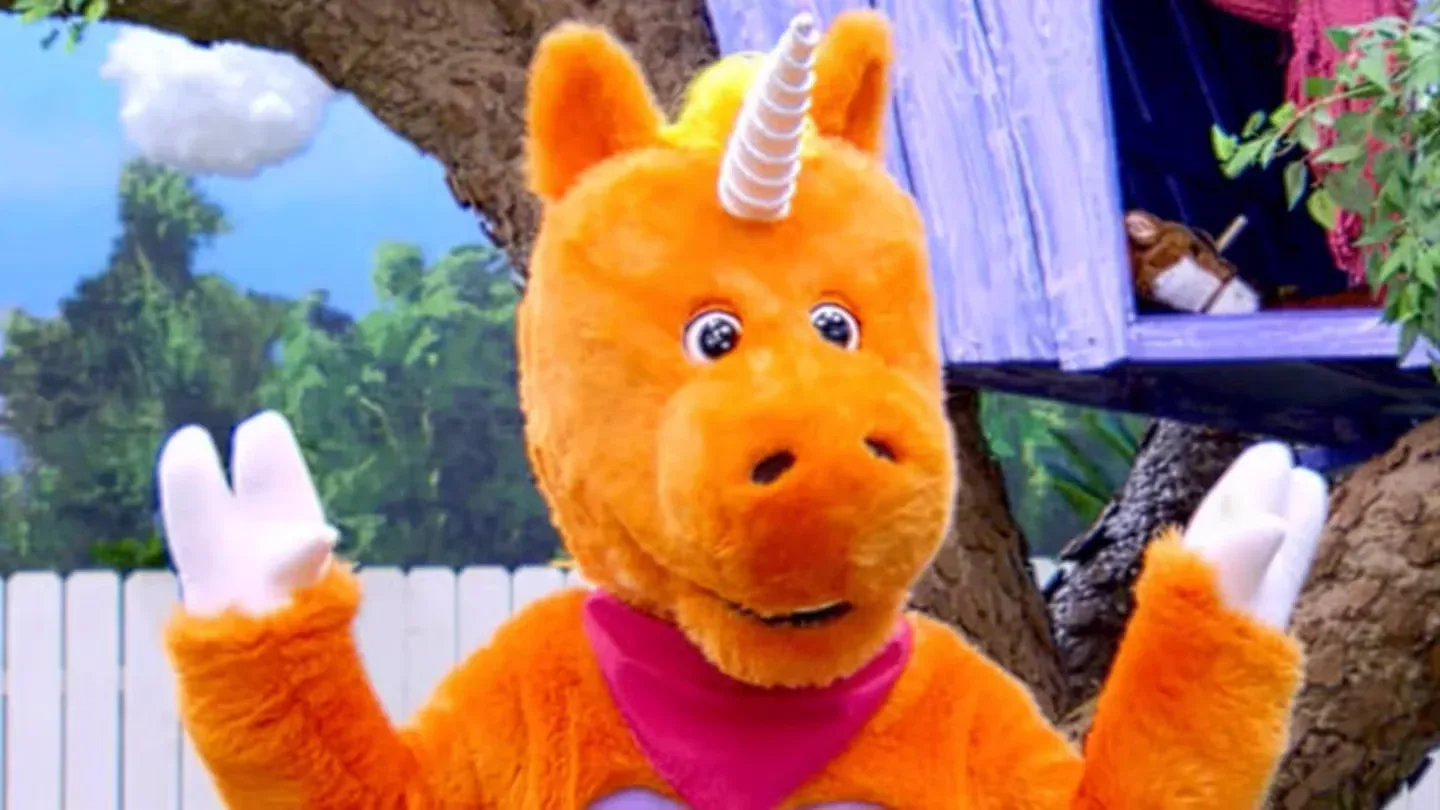
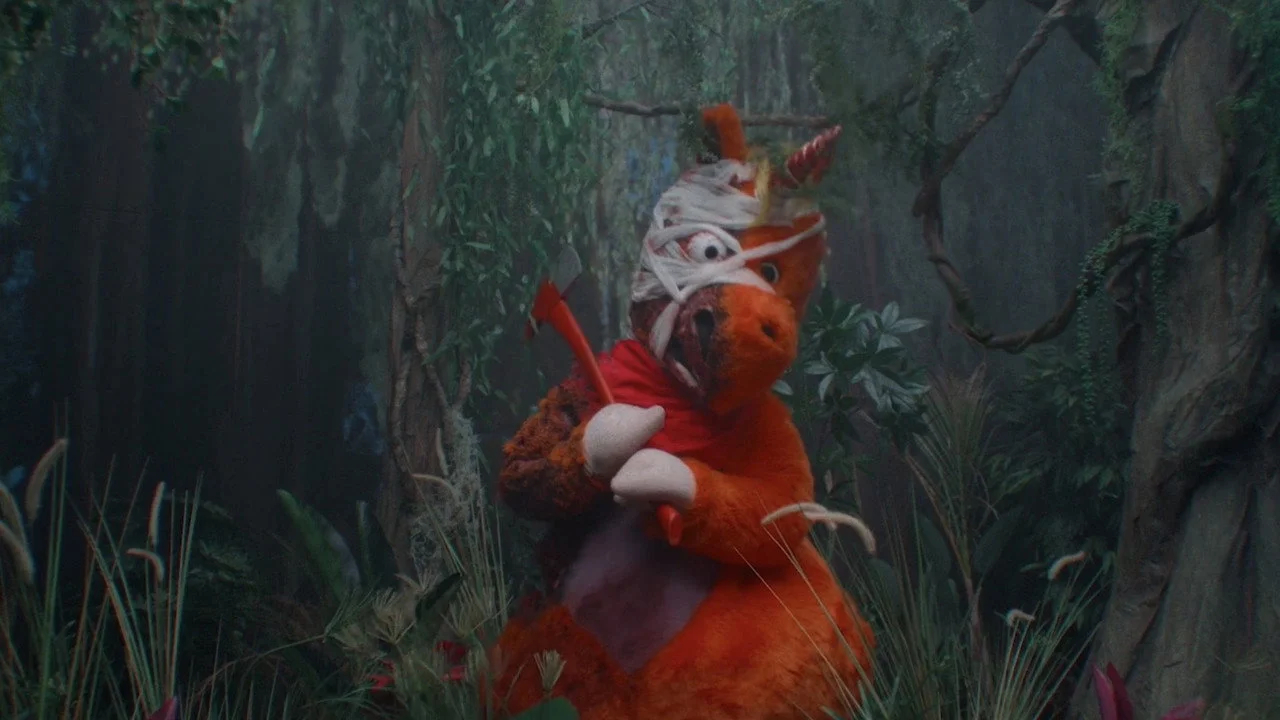
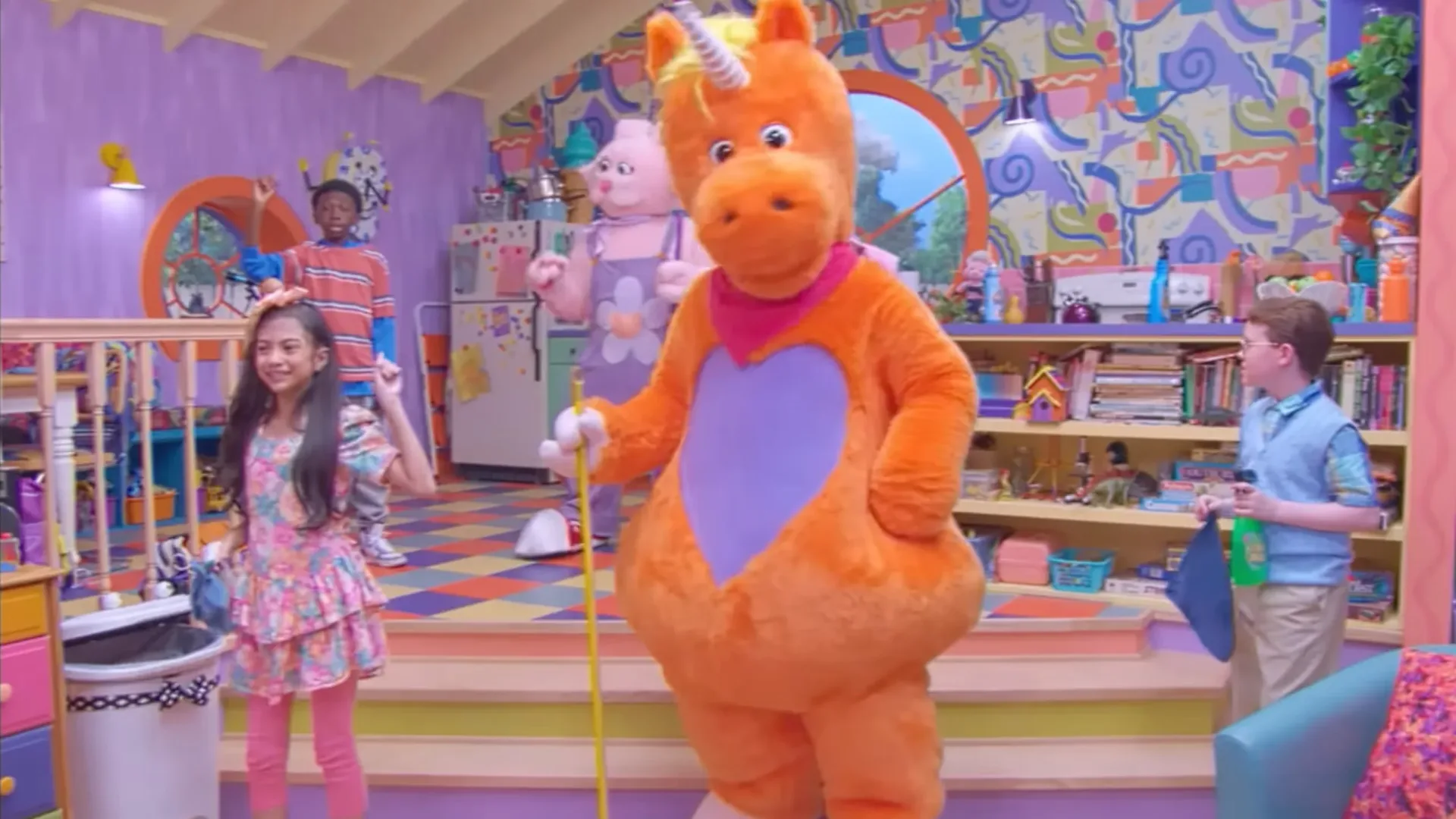
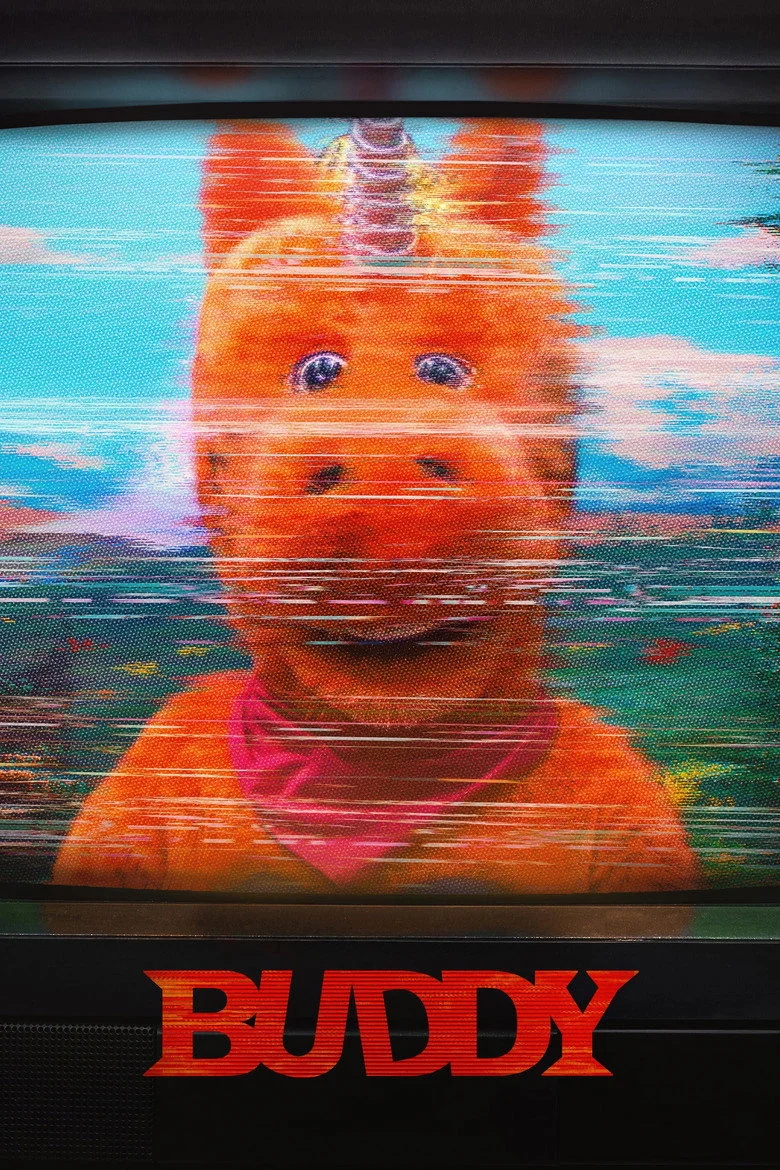
Buddy takes the reassuring grammar of children’s television—bright colours, repetitive games, friendly mascots and compulsory smiles—and makes it feel suffocating. Its central figure is Buddy, a big orange unicorn who fronts the fictional 1999 series It’s Buddy. He appears built for warm hugs and uncomplicated fun. The film’s horror comes from recognising that this friendliness is conditional: Buddy expects attention, affection and obedience, and his charm curdles into violence when he is denied any of them.
That is a more unsettling premise than a simple killer-mascot joke. The danger is not merely that Buddy looks absurd while doing terrible things. It is that he treats other people as cast members in a world arranged around his emotional demands. Children who do not want to play along become problems to be removed; the programme’s supposedly sunny universe becomes a closed system in which replacements can be brought in and everyone else is expected to perform happiness on cue.
A kids’ show built as a trap
The film establishes It’s Buddy as a fuzzy-felt playtime space, with Buddy leading young friends through songs, games and an aggressively wholesome routine. But its episodes function as resets. Death and disappearance are folded into the machinery of the programme: corpses go into the Worry Well, new people are pulled through television screens, and the show starts over with a fresh arrangement of smiling participants. Repetition, usually a comforting part of preschool programming, becomes a threat. Nothing is resolved because the world is designed to return to Buddy’s preferred version of itself.
That structure gives the concept more force than a one-note parody. The film is interested in the rules of its nightmare, not just its visual gag. Buddy’s setting is described as a limbo, and the Groundhog Day-like reset makes that description meaningful: its inhabitants are trapped in a performance that can be restarted whenever its host’s fantasy is disrupted. The cheery format is therefore not only an aesthetic target; it is the prison architecture.
Director Casper Kelly’s feature debut is presented as a particularly accomplished pastiche of excessively upbeat children’s programming. The key effect is the contrast between surface and intent. A garden built for play and a unicorn designed for cuddles are familiar signals of safety, yet the film turns those signals into warnings. Its brightness does not soften the horror; it makes the underlying coercion harder to ignore.
Grace provides the way in
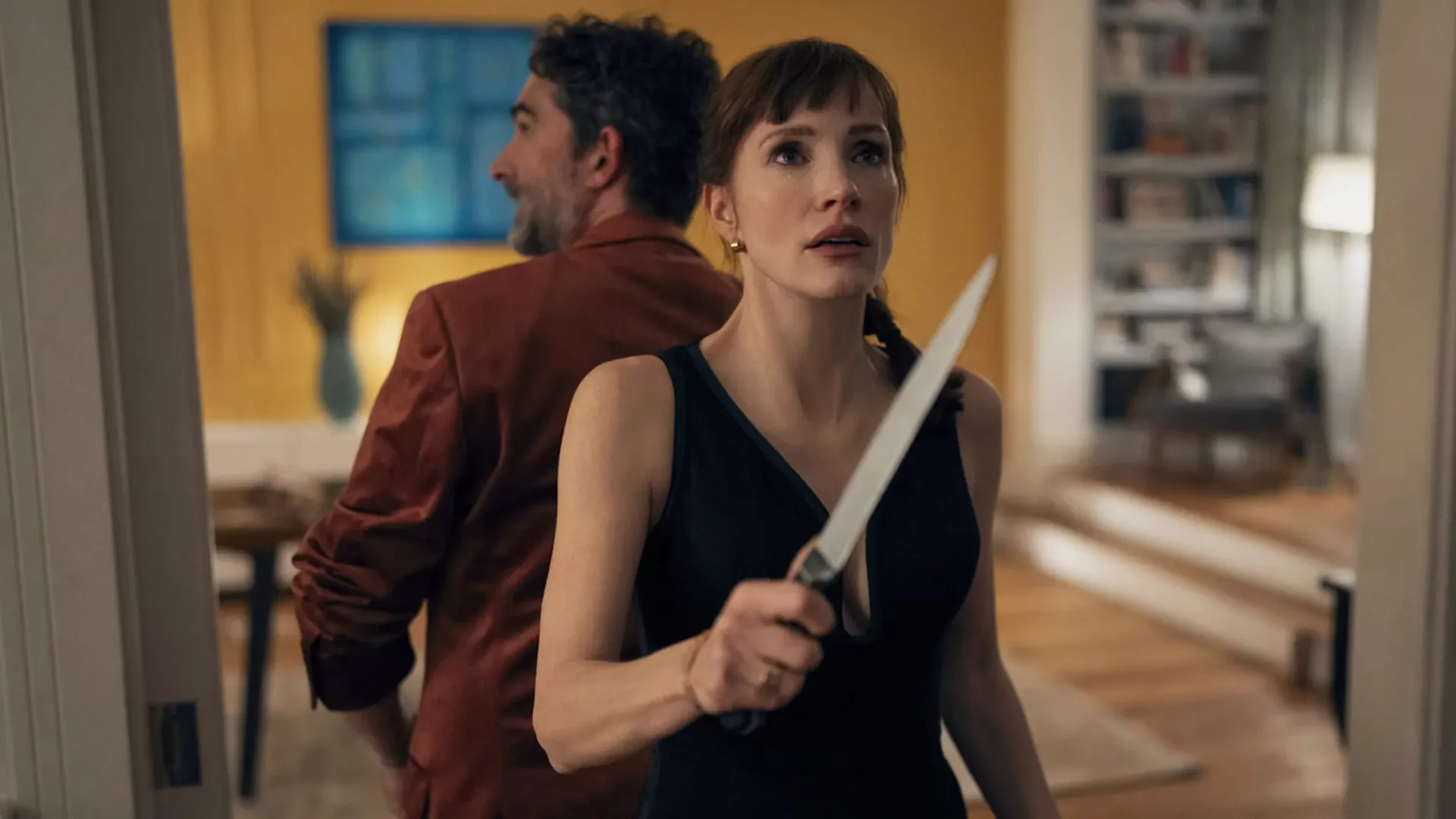
The story also has a present-day thread centred on Grace, a suburban mother played by Cristin Milioti. Her unease begins with small absences and dislocations: an empty chair, a glimpse of It’s Buddy on television despite no online trace of the programme, and the persistent feeling that somebody should be at the breakfast table but is not. These details make the early mystery personal rather than abstract. Before the film fully explains the danger, it lets absence itself become frightening.
Grace is eventually drawn through a flatscreen and transformed into one of the show’s resident adults. This is an effective escalation because it collapses the apparent boundary between the ordinary suburban present and Buddy’s artificial television world. The film does not treat the screen simply as a portal to a weird alternate place. It makes television a means of recruitment, suggesting a world that expands by absorbing people into its pre-written roles.
Grace’s reaction to Buddy matters as well. His welcoming embrace immediately triggers her suspicion of a particular kind of intrusive male behaviour. That response anchors the monster’s menace in more than supernatural threat. Buddy’s demand to be liked, his disregard for boundaries and his fury at resistance give the character an ugly recognisability. The film’s horror is heightened by the interpretation that his neediness is not innocent vulnerability but a claim of ownership over everyone around him.
A performance designed around false warmth
Keegan-Michael Key voices Buddy, while Sergey Zhuravsky performs the character in the suit. That division suits a villain whose menace depends on a clash of registers: a mascot’s physical softness and a personality that becomes increasingly tyrannical. Buddy is not framed as a distant, unknowable creature. He is short-fused, vain and emotionally ravenous, which makes his outbursts feel like the logical extension of the attention he believes he deserves.
The film gains thematic traction when other people begin to stand up to him. Resistance is crucial because it reveals what Buddy’s happy world has always demanded. He is not content to receive affection freely; he requires submission. As more characters refuse that arrangement, the unicorn becomes more overtly monstrous. The escalation is therefore tied to character and theme, not just to a need for bigger shocks.
Milioti’s Grace carries a complementary kind of tension. Her story begins in uncertainty, with gaps in memory and domestic life that imply a reality already damaged by Buddy’s system. Once she is inside the programme, the conflict sharpens from investigation into survival and opposition. The supplied details support a film that uses her suspicion as a useful counterweight to Buddy’s relentless forced cheer.
More than mascot-horror novelty
Horror versions of children’s entertainment can easily depend on recognition alone: take a familiar emblem of comfort, add bloodshed, and let the contrast do all the work. Buddy appears more ambitious because it builds its scares around control, repetition and emotional coercion. Its multiverse-horror element broadens the scope without abandoning the central idea. However strange the worlds become, the dramatic engine remains Buddy’s insistence that everyone validate him.
The film’s strongest thematic idea is also its most timely-feeling one: the frightening thing about Buddy is his hunger for attention, love and obedience. That combination turns a childish demand to “play with me” into something much darker. The interpretation here is that the movie finds horror in entitlement disguised as affection. Buddy wants intimacy, but only on terms that erase the other person’s ability to say no.
There is comedy in the premise’s outrageousness, but the material is described as both funny and affecting as well as scary. That blend matters. The absurdity of an orange unicorn presiding over a nightmare may invite laughter, while the disappearances, missing people and coerced smiles keep the joke from becoming weightless. The result sounds designed to make viewers laugh at the artificial sweetness and then recoil from what that sweetness conceals.
Verdict
Buddy turns a knowingly ridiculous slasher setup into a richer piece of horror by taking its children’s-TV imitation seriously. Its brightly packaged world is disturbing because it is governed by repetition, disappearance and the demand to please an unstable host. With Grace’s mystery providing a human route into that world and Buddy’s need for obedience driving the threat, the film has more on its mind than mascot mayhem. For viewers open to surreal, sinister horror that weaponises forced cheer, this is a clever and unsettling recommendation.