
 Sophie ThatcherElle
 Charles MeltonPrivate K
 Havana Rose LiuDominique
 Kristine FrosethHunter
 Shioli KutsunaMs. T
 Aoi YamadaMs. S
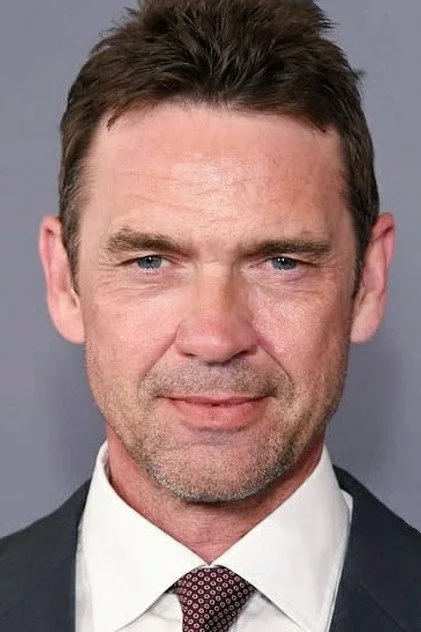 Dougray ScottJohnny Thunders
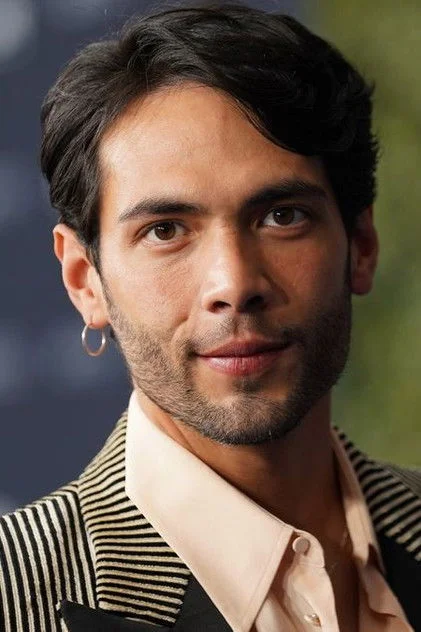 Diego CalvaNico
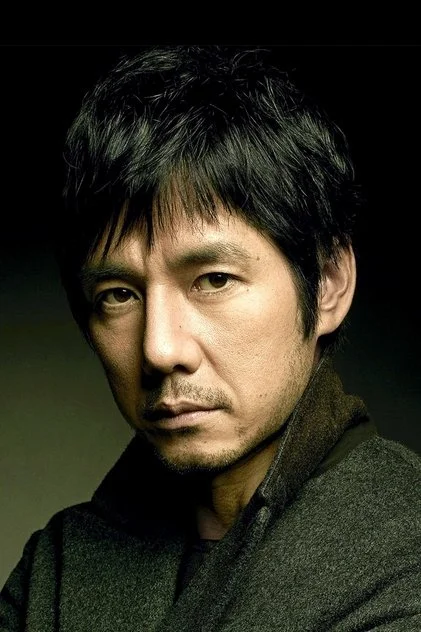 Hidetoshi NishijimaHayashi
 Lola CorfixenCandyfloss Girl
 Boy EwaldCandyfloss Girl
Her Private Hell arrives with an abundance of visual conviction and remarkably little dramatic traction. Nicolas Winding Refn’s film presents itself as a surreal, psychosexual fairy tale: a world of evil mist, towering hotel spaces, immaculate clothes, lurid colour and intimations of violence. There is a discernible narrative architecture beneath the haze—a love triangle, revenge, a feared killer, and a metafictional thread about filmmaking—but the film reportedly leaves its pieces too indistinct to form a satisfying whole. The result is not simply cryptic. It is a film whose impressive surfaces repeatedly ask the viewer to supply urgency, coherence and emotional meaning that the storytelling does not sufficiently provide.
That distinction matters. Ambiguity can make a horror film linger, and a fractured story can suit a nightmare. Here, however, the uncertainty seems to work against the material’s tension rather than intensify it. The film poses possible themes around abuse, vengeance, monstrosity and filmmaking, but it does not establish a clear enough relationship among them for its images to accumulate force. Instead of an unsettling mystery that pulls the audience deeper, the opacity becomes a barrier. The experience sounds designed to be confronting, but often lands as static.
A fairy tale with a blurred map
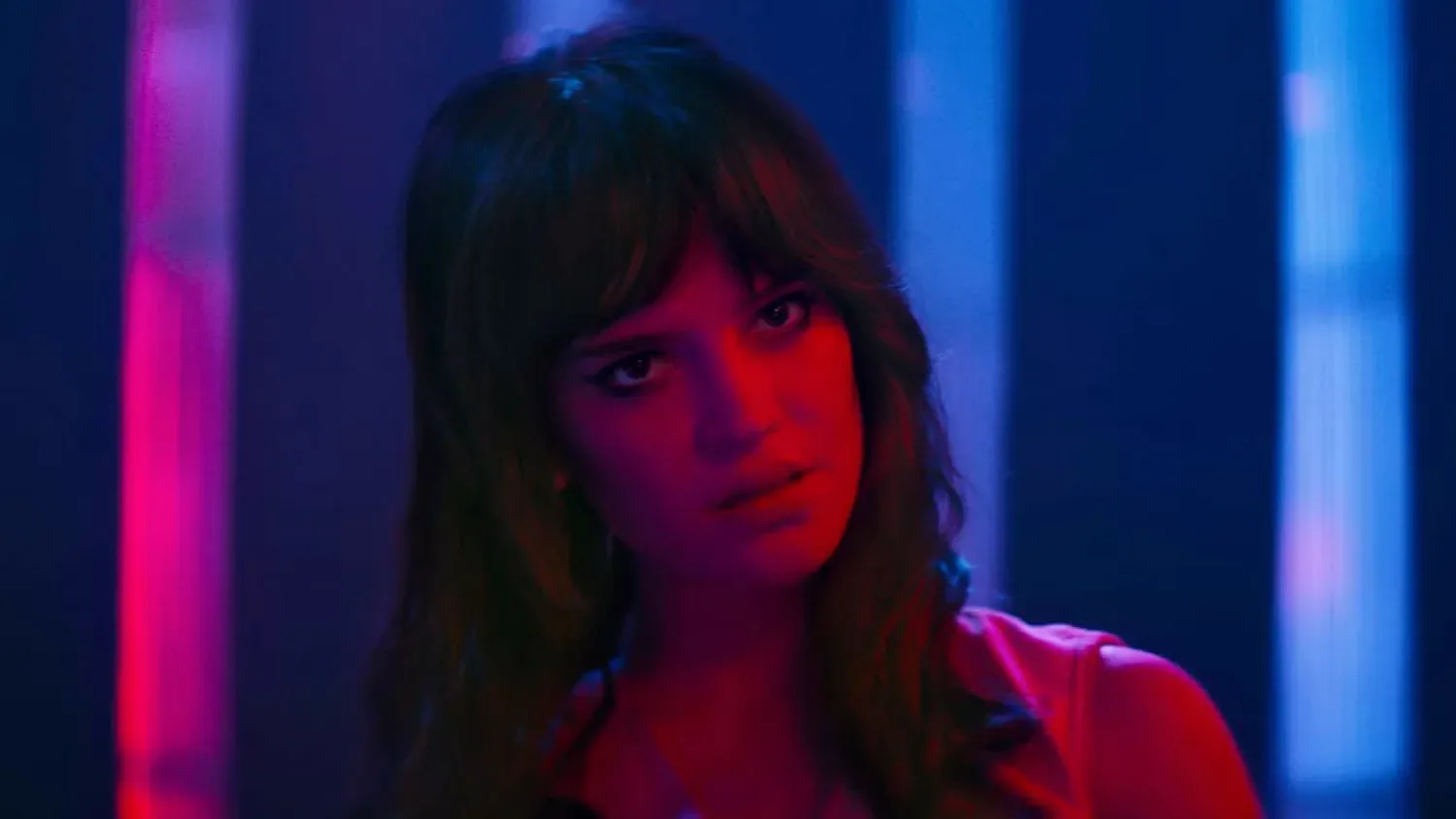
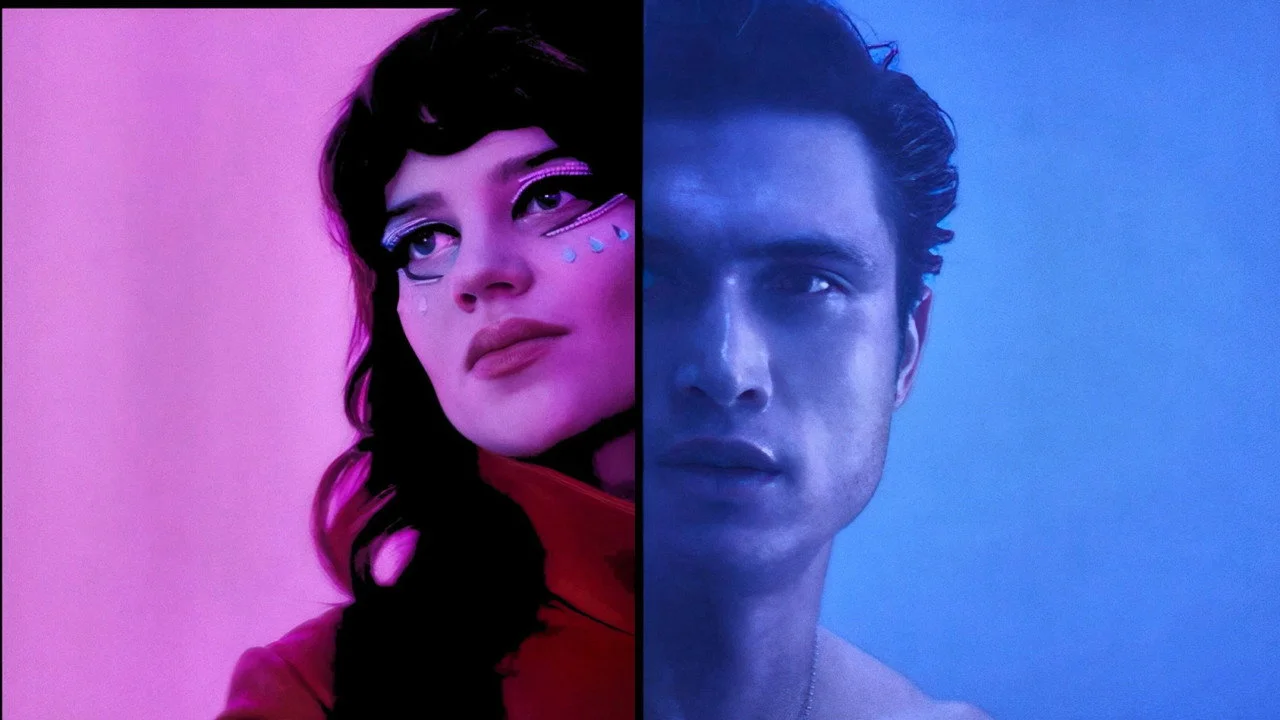
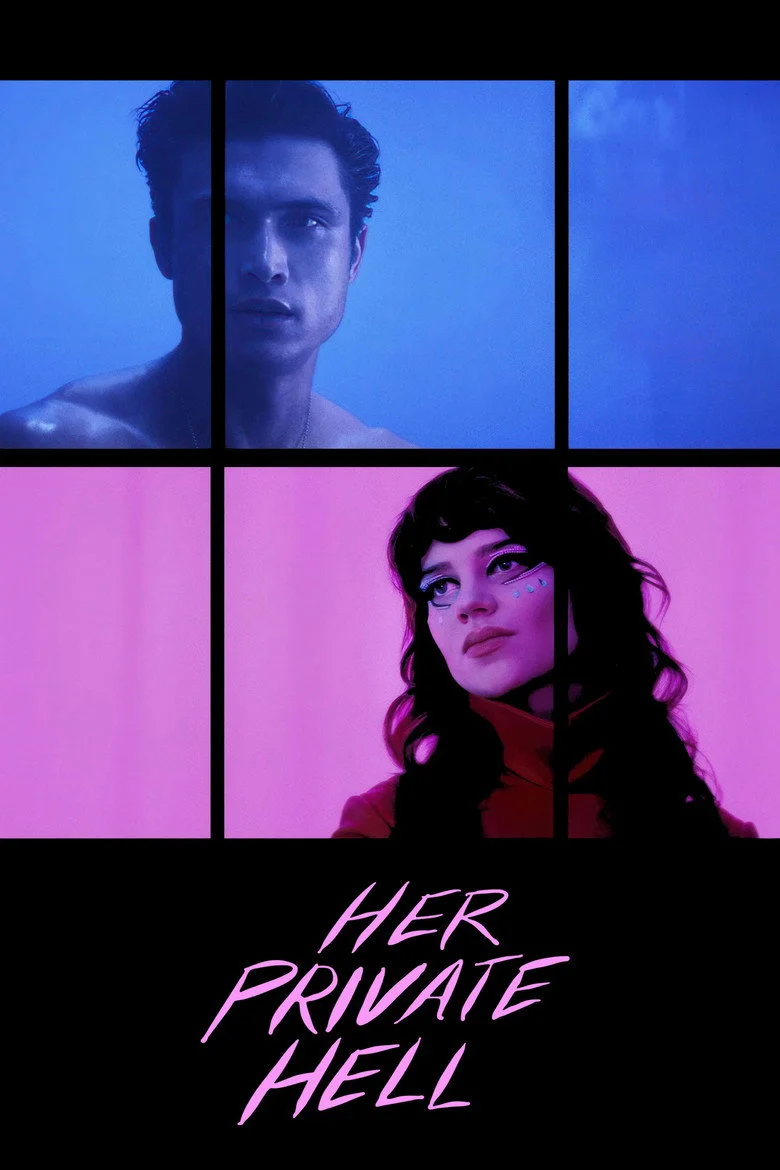
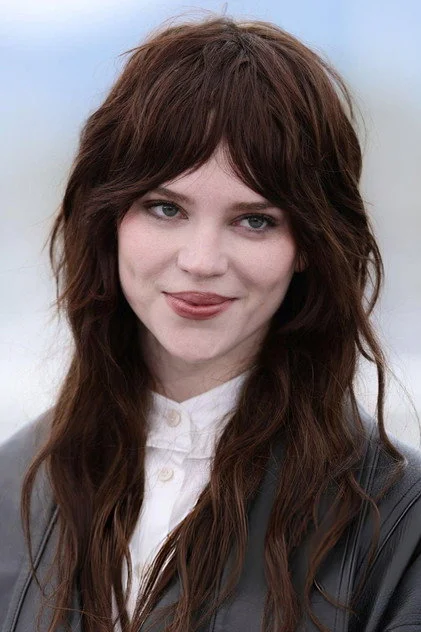
Sophie Thatcher plays Elle, a film star introduced in an eerie pink cityscape before meeting a fan, Hunter, played by Kristine Froseth. Elle brings Hunter to the penthouse of her stepmother Dominique, played by Havana Rose Liu. Around this encounter, the film introduces ominous talk of an evil mist and the Leatherman, an otherworldly serial killer whose face is described as an infinite abyss. Charles Melton’s Private K, an American GI driven to avenge violence against women, adds another strand to the film’s already crowded symbolic landscape.
These are evocative ingredients. A fan invited into an intimidatingly privileged space, an ambiguous stepmother, an elusive bogeyman and an avenger all suggest shifting power dynamics and fairy-tale threat. The trouble is that suggestion alone does not make a drama. The plot may contain a love triangle and a revenge throughline, but the reporting indicates that crucial details remain fuzzy rather than productively withheld. Characters and ideas are announced in portentous terms without always receiving the development needed to make their presence consequential.
Dougray Scott’s Johnny Thunders exemplifies that frustration. The character is built up in whispers, only to disappear almost at once. This is not inherently a flaw; a sudden absence can be unnerving, funny or structurally revealing. In this case, it appears to contribute to the larger sense that the film continually gestures toward revelations it does not earn. The issue is less that every question needs a literal answer than that the film does not make the questions feel dramatically alive.
The Hans Christian Andersen story The Darning Needle is invoked as a dark-fable reference point, while a movie-within-the-movie called Candy Floss offers a hyper-stylised sci-fi comic-book dimension. One character’s claim that filmmaking resembles warfare suggests an auteur turning the production process into metaphor. That is a potentially rich avenue: movies about moviemaking can explore exploitation, performance, image-making and the violence of being watched. But the film’s meta-narrative appears too vague to clarify the surrounding material. It adds another layer of stylisation when the film most needs a line of emotional or narrative connection.
Craft at full volume
On a technical level, Her Private Hell has much to admire. Gitte Malling’s production design is described as ambitious and imposing, with modern-day miniature work giving the film’s world a tangible constructed scale. That craft is significant. Miniatures can create an uncanny quality that digital environments often struggle to replicate, especially in a story already positioned between nightmare, fable and artifice. The looming hotel setting and stylised cityscape sound less like neutral backdrops than physical extensions of the film’s controlled, artificial atmosphere.
Magnus Nordenhof Jønck’s cinematography is another unambiguous strength. Its lurid palette draws from giallo-inflected horror imagery, favouring garish colours and heightened visual unreality over naturalism. The imagery is reportedly jaw-dropping, and the film’s visual control seems undeniable. Refn and his collaborators know how to turn colour, architecture, costume and framing into mood. Individual compositions may have the gravity and polish of fashion photography or gallery installation work.
Kristian Eidnes Andersen’s sound design intensifies this sensorial approach by foregrounding tactile details: leather squeaks, impacts and the crunch of violence. Pino Donaggio’s sweeping score supplies operatic grandeur. Together, these elements make clear that the film is not casually assembled. Its audiovisual language is precise, aggressive and elaborate; it aims to make every space feel charged and every violent gesture resonate beyond the screen.
Yet this is also where the central problem sharpens. Technical mastery cannot substitute for dramatic movement. The very features that make the film striking in isolated moments—carefully posed figures, immaculate styling, deliberate vignettes and overwhelming atmosphere—can make it feel inert when they are not attached to evolving character or story. The film seems to repeatedly stop for its own imagery, admiring the pose instead of advancing the scene. Beauty becomes an obstacle when it is treated as the destination.
Style, gaze and character
The film’s treatment of its women is its most troubling limitation. Thatcher, Froseth and Liu are placed at the centre of a story filled with menace and charged relationships, yet the presentation reportedly often reduces female characters to dressed and made-up figures posed directly toward the camera. A film can absolutely use artifice, glamour and performance to critique objectification. But that critique depends on perspective: the viewer needs reason to believe the camera understands the difference between showing an image and merely consuming it.
Here, the stated concern is that the film does not create that distance. Its veneer of female queerness does not, by itself, alter the sense of a persistent male gaze. The characters may be surrounded by symbols of trauma, violence and desire, but they do not consistently emerge as fully realised people with an interiority equal to the attention lavished on their appearance. This weakens the film’s potential themes. A story interested in cycles of abuse or violence against women needs to give those women agency, specificity and room to exist beyond aesthetic display. Otherwise, the film risks reproducing the dynamics it appears to be invoking.
There is also criticism of an Asian-fetishising visual sensibility. Within the available description, that concern should not be flattened into a claim about every image or motivation in the film. It does, however, indicate that the film’s borrowings and visual references can feel less like thoughtful engagement than decorative appropriation. For an artwork that puts so much weight on its images, the implications of those images cannot be waved away as incidental.
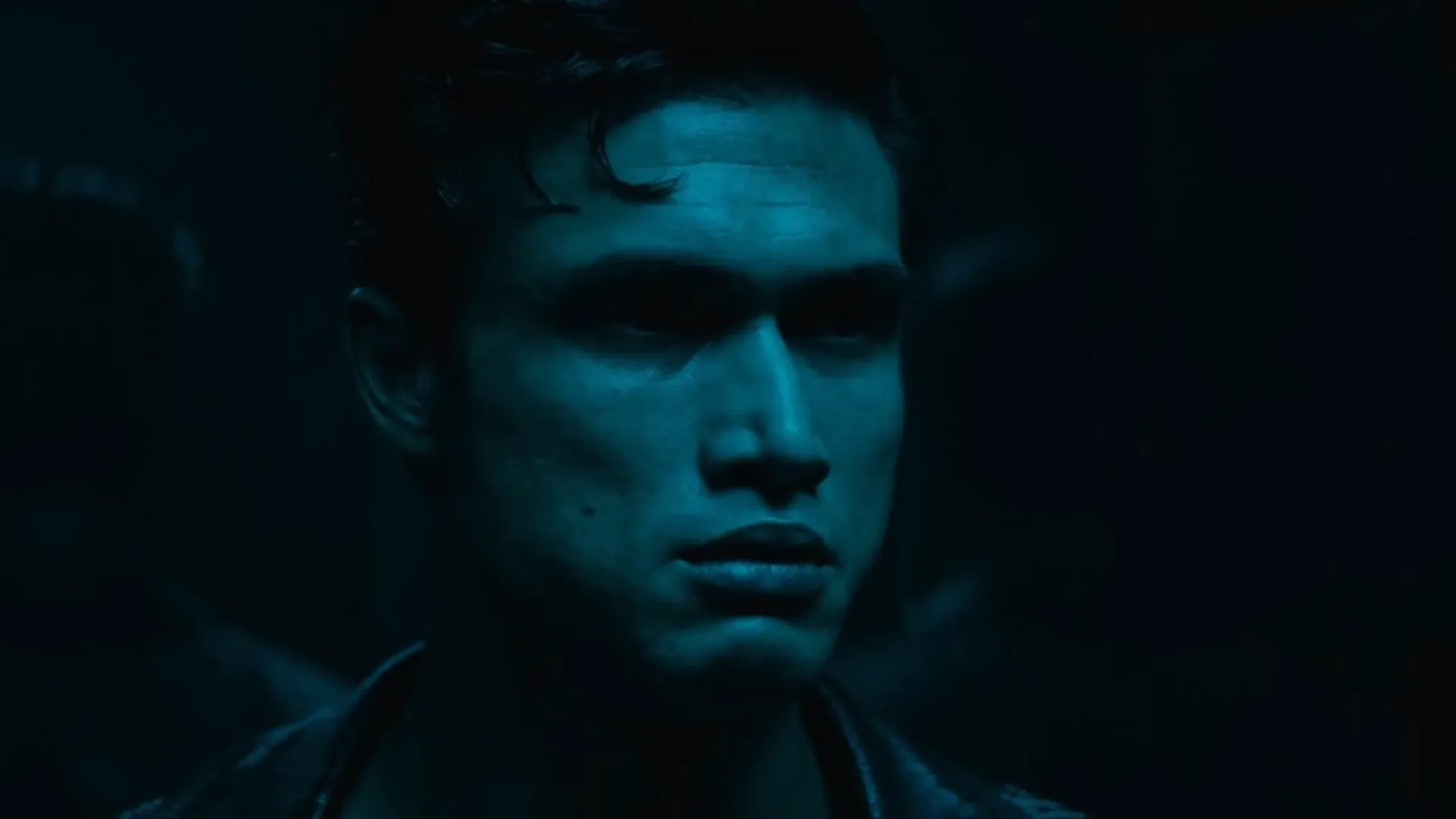
Melton’s Private K seems deliberately built as an icon: taciturn, impeccably groomed and capable of violent vengeance. The archetype could have provided a counterweight to the film’s more abstract spaces, particularly given his stated mission to punish men who harm women. But he too appears to function chiefly as an emblem. The film is full of recognisable archetypes—star, fan, stepmother, killer, avenger—without making a persuasive case for what it discovers by rearranging them.
Two hours without momentum
At roughly two hours, Her Private Hell is said to feel far longer. That is ultimately the most damaging judgment the film faces. Slow cinema, dream logic and deliberately distanced performance can all work when rhythm builds anticipation or when repetition reveals change. This film’s pacing instead appears to expose the thinness beneath its elaborate design. Its shifts between captivating and insufferable are not a daring tonal tension; they are evidence of a film that cannot consistently turn atmosphere into momentum.
The recommendation, then, is narrow. Viewers who are especially invested in Refn’s most austere visual work, tactile sound design or heavily stylised horror imagery may find individual sequences and craft choices worth studying. Everyone else should be wary of mistaking impressive production values for a compelling experience. Her Private Hell has the look and sound of a fever dream, but its narrative and character shortcomings leave that dream frustratingly difficult to care about.