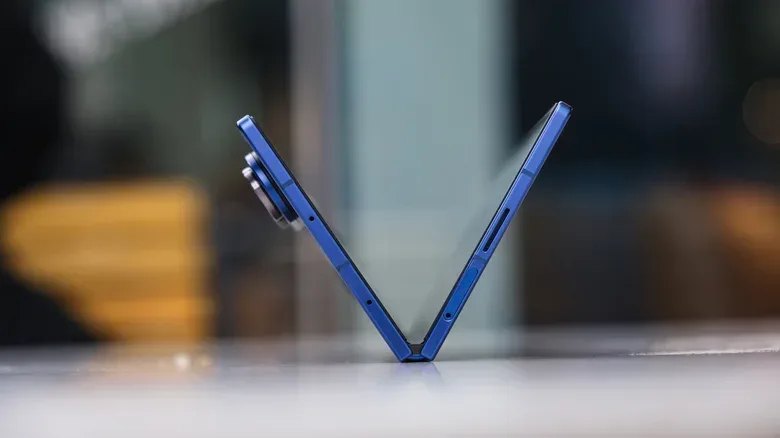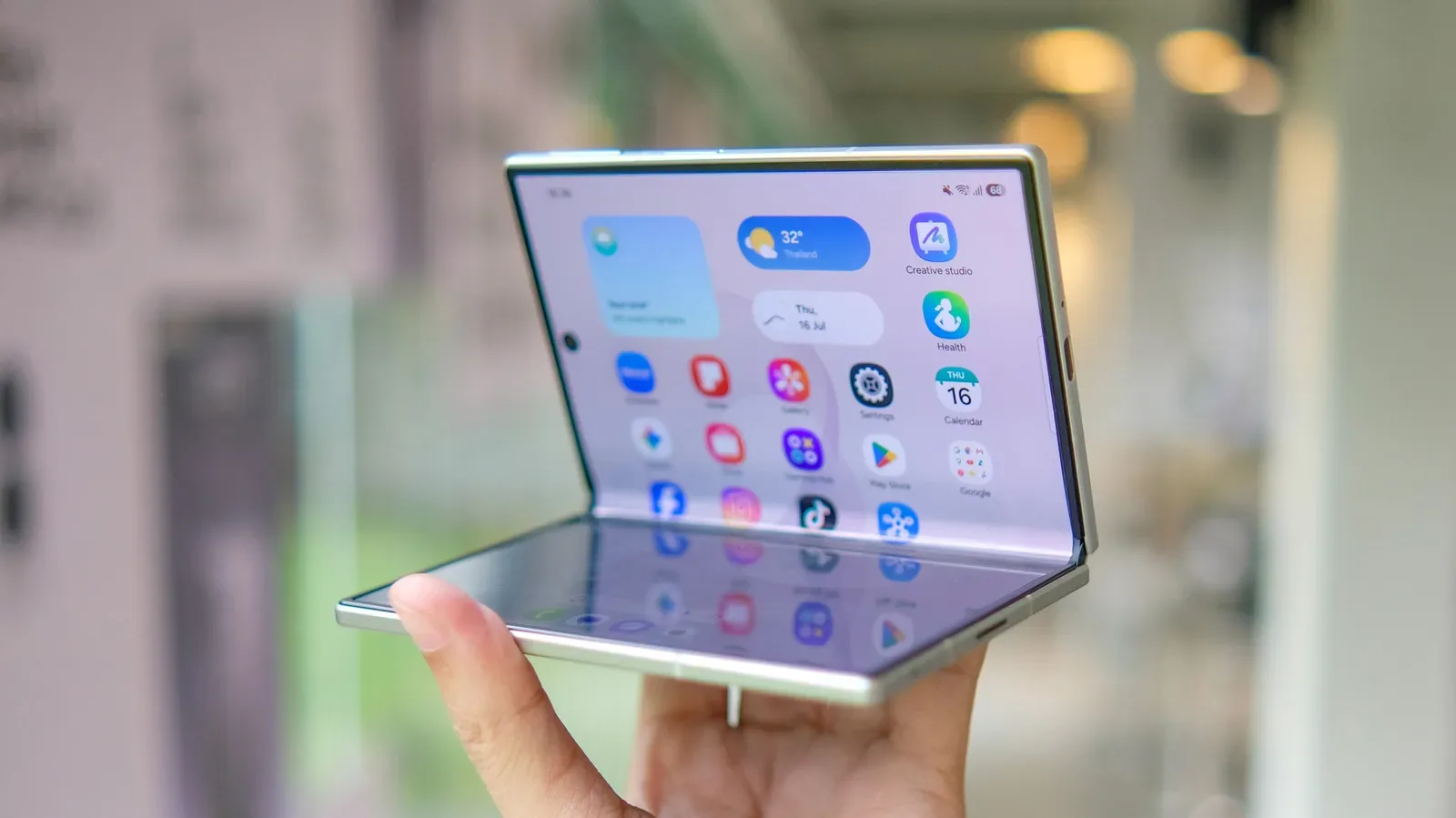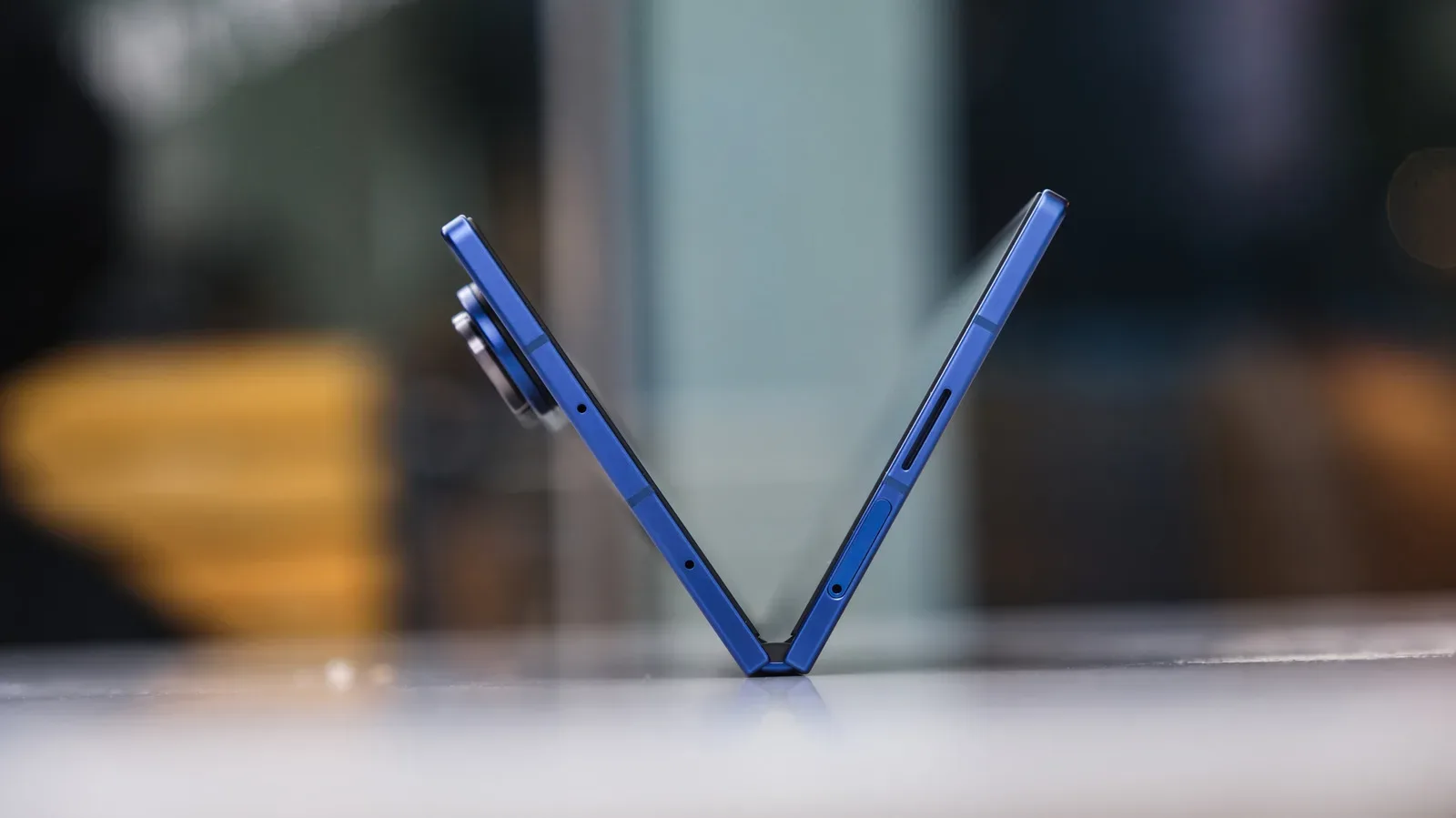
A foldable phone hinge is not a tiny dragon that must be appeased with a ceremonial cloth after every unfold. Modern devices are designed for normal, repeated use. The useful approach is far less dramatic: do not trap objects in the phone, do not grind dirt into moving parts and do not force a mechanism that suddenly feels wrong.
That sounds obvious, but a foldable’s headline feature creates a point of mechanical complexity that a conventional slab phone simply does not have. The hinge, flexible display, internal connections and closing surfaces all have to work together. A big fold-count claim can be reassuring, yet it should not be mistaken for an invincibility promise or a timer that predicts when a phone will fail.
The main rule is simple: use the phone normally, but pay attention to its condition. A phone that closes with a bit of grit in the wrong place or is repeatedly pushed through a new grinding sensation is being asked to do more work than it should. That is where mundane habits become considerably more valuable than trying to ration every opening and closing cycle.
Think of the hinge as a mechanism, not a mileage counter
Manufacturers often describe foldable durability in enormous numbers of folds. Those figures are useful evidence that current hardware is meant to survive everyday use over years. Google, for example, says the Pixel 10 Pro Fold’s gearless hinge can endure more than 10 years of folding.
But a durability estimate is not a use-by date. It does not mean a device is destined to stop working the moment it reaches a calculated number, and it does not mean every component in the phone has been verified for exactly the same number of movements.
Samsung Display said the OLED panel used in the Galaxy Z Fold7 continued working after 500,000 folds in a 13-day Bureau Veritas test conducted at 77 degrees Fahrenheit. Framed as daily use, that works out to more than a decade at roughly 100 folds per day, or more than six years at more than 200 folds per day. That is an impressive display result, but the important qualifier is in what was tested: the foldable OLED panel.
A complete phone includes more than its panel. Its hinge components, flexible cables and other internal parts were not all covered by that single panel claim. And laboratory equipment does not replicate every part of an ordinary phone’s life: pocket debris, drops, water contact and shifts in temperature all add variables that a repeated folding test cannot fully capture.
In practical terms, do not turn opening the phone into a guilty act. Fold it when you need to fold it. A book-style device can often handle many quick tasks while closed, while a flip-style phone naturally invites more frequent opening. Newer external displays can lessen that need without requiring users to keep score. The Razr+ 2026, for instance, can run full apps on its 4-inch outside screen.
Related coverage includes Foldable Phone Hinge Care: Habits That Can Help Avoid Costly Damage.
The healthier mindset is not “save folds at all costs.” It is “avoid bad folds.” A normal open and close is what the hardware is made to do. Closing over an object, or muscling through resistance, is not normal operation.
The small thing to check before closing: is anything in the way?
The most directly useful habit is also the least glamorous: make sure there is no foreign object between the displays before closing the handset. Samsung advises clearing objects away before folding its devices, and Motorola likewise recommends checking for debris.
This is not merely a concern about smudges. A bit of grit, a crumb or another hard particle can become a pressure point when the device shuts. Flexible inner displays are designed to bend along their intended crease, not to be squeezed against random material. Samsung also advises against applying excessive pressure to the inner display.
A quick visual check makes the most sense after environments where particles are likely to follow the phone home: a dusty bag, a dirty pocket or a day around sand. The point is not to conduct a pre-flight inspection every time you answer a message. It is to avoid casually snapping the device shut when you can see or feel something where the screens meet.
What IP48 does—and does not—say
Protection ratings can create false confidence if they are read as a blanket promise. The Galaxy Z Fold8 and Z Flip8 carry an IP48 rating. In the supplied rating explanation, the “4” indicates protection against solid foreign objects that are 1mm or larger. That is meaningful protection, but it is not the same as a declaration that the phone is dustproof.
That distinction matters because very fine grit is exactly the kind of material that can be troublesome around a moving assembly. A beach is therefore not a sensible place to discover the limits of a foldable hinge. The device may be engineered to cope with ordinary life, but “ordinary life” should not mean deliberately exposing a precision mechanism to sand and then closing it without checking.
Motorola explicitly warns that dust can reduce hinge life and may damage the internal display. The practical takeaway is not panic; it is prevention. Keep obvious dirt away from the hinge area and remove visible debris before folding.
Do not turn cleaning into another hazard
A reasonable desire to remove debris can lead to an unhelpful overcorrection. Motorola advises against using pressurized air dusters on the display. That means the dramatic blast-it-clean approach is not a recommended answer to dust near the phone’s folding area.
If material is visible before closing, the priority is to avoid shutting the phone on it. The evidence here supports a conservative approach: inspect, clear foreign objects and do not use pressurized air on the display. It does not support improvising with forceful tools or treating the hinge like a gap that needs to be aggressively excavated.
There is a useful broader principle at work: a foldable does not need to be babied, but neither should it be treated like a stubborn jar lid. Its parts are designed to move in a particular path and at their normal resistance. External force, trapped material and attempts to overpower that movement are the avoidable risks.
Listen for changes, not every ordinary sound
Not every sound from a foldable hinge signals disaster. Motorola says some hinge noise is normal. That matters because a moving phone part will not necessarily be silent, and treating every tiny sound as a crisis can encourage needless anxiety.
What deserves attention is a change in behavior. Three signs are especially worth taking seriously:
- The hinge becomes harder to move than it was before.
- The phone no longer opens normally.
- A new grinding sound appears.
These are not cues to try one more forceful open or close in the hope that the mechanism “works itself out.” They are reasons to stop making the assembly fight harder. A grinding sensation or new resistance can be more informative than an abstract fold total because it reflects what the phone is doing in the real world right now.
That is also why durability claims should be read with the correct amount of optimism. A 500,000-fold panel test says repeated folding itself is not automatically reckless. It does not erase the importance of noticing when a particular device begins behaving differently. The relevant question becomes less “How many times have I folded it?” and more “Has this fold stopped feeling normal?”
The cost of ignoring a problem can be substantial
Foldables combine a large internal display with a mechanism that enables it, so problems in that area can become expensive. Samsung currently lists an inner-screen module replacement for the Galaxy Z Fold8 at $579. That figure does not prove a hinge issue will always require that repair, or that every internal-display failure comes from debris. It does illustrate why it is worthwhile to respond to warning signs before repeated forcing makes a bad situation worse.
It is equally important not to assume that every failure has one neat cause. Real-world devices can be dropped, exposed to temperature changes, carried through dirty environments or brought into contact with water. A phone can develop a fault before any advertised fold number is reached, even when the hinge itself is not the failed component. Conversely, a phone may endure years of ordinary use without trouble.
That uncertainty is precisely why preventive habits should focus on what a user can control. You cannot transform a fold-count test into a guarantee. You can avoid closing the handset over debris, respect resistance from the mechanism and avoid treating a limited solids-protection rating as dust immunity.
A low-effort routine for normal foldable use
The best maintenance routine is brief enough that people will actually follow it. It does not require counting folds, avoiding every outdoor outing or opening the phone with the solemnity of a museum display case.
- Use it normally. Modern foldables are meant to open and close in daily use. Do not ration routine folds purely because of a laboratory-cycle number.
- Look before you close after messy conditions. If the device has been in a dusty pocket, bag or sandy setting, check that no obvious foreign object is sitting between the displays or around the hinge area.
- Respect the intended motion. Do not force the hinge in a direction it resists, and do not apply too much pressure to the inner display.
- Avoid pressurized air on the display. That is specifically discouraged in Motorola’s guidance.
- Track changes, not myths. Ordinary hinge noise can be normal. New grinding, increased stiffness or abnormal opening behavior is the meaningful change to notice.
The same logic applies to the wider care of the device: understand what a setting or protection label actually promises rather than assuming it means more than it does. That is also the central idea behind our guide to changing a home address in Google Maps without creating a navigation detour: small technical details often matter most when they affect everyday habits.
A foldable hinge is a sophisticated moving part, but caring for it does not need to become a lifestyle. Keep grit and objects out of the closing path. Do not force resistance. Treat changes in feel as useful information. Those few boring decisions are much more meaningful than obsessing over a fold counter that was never meant to predict an individual phone’s fate.