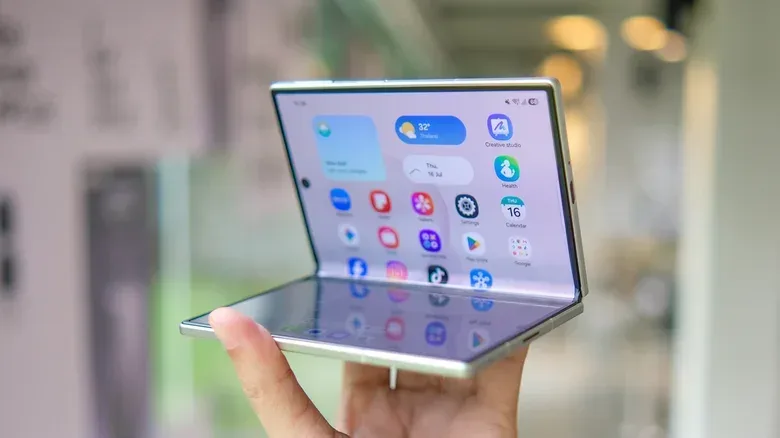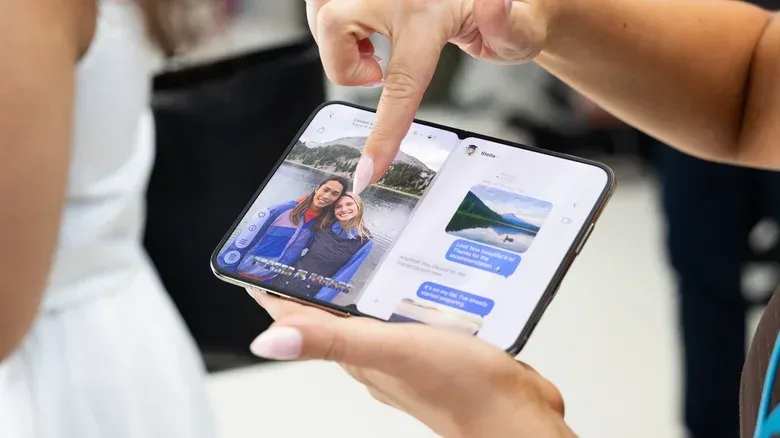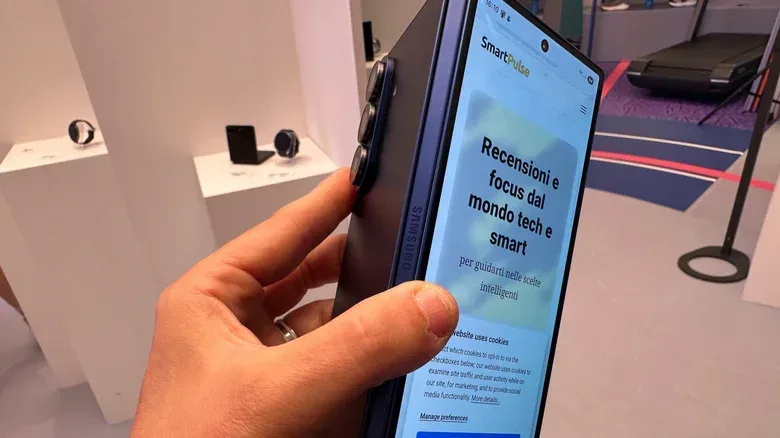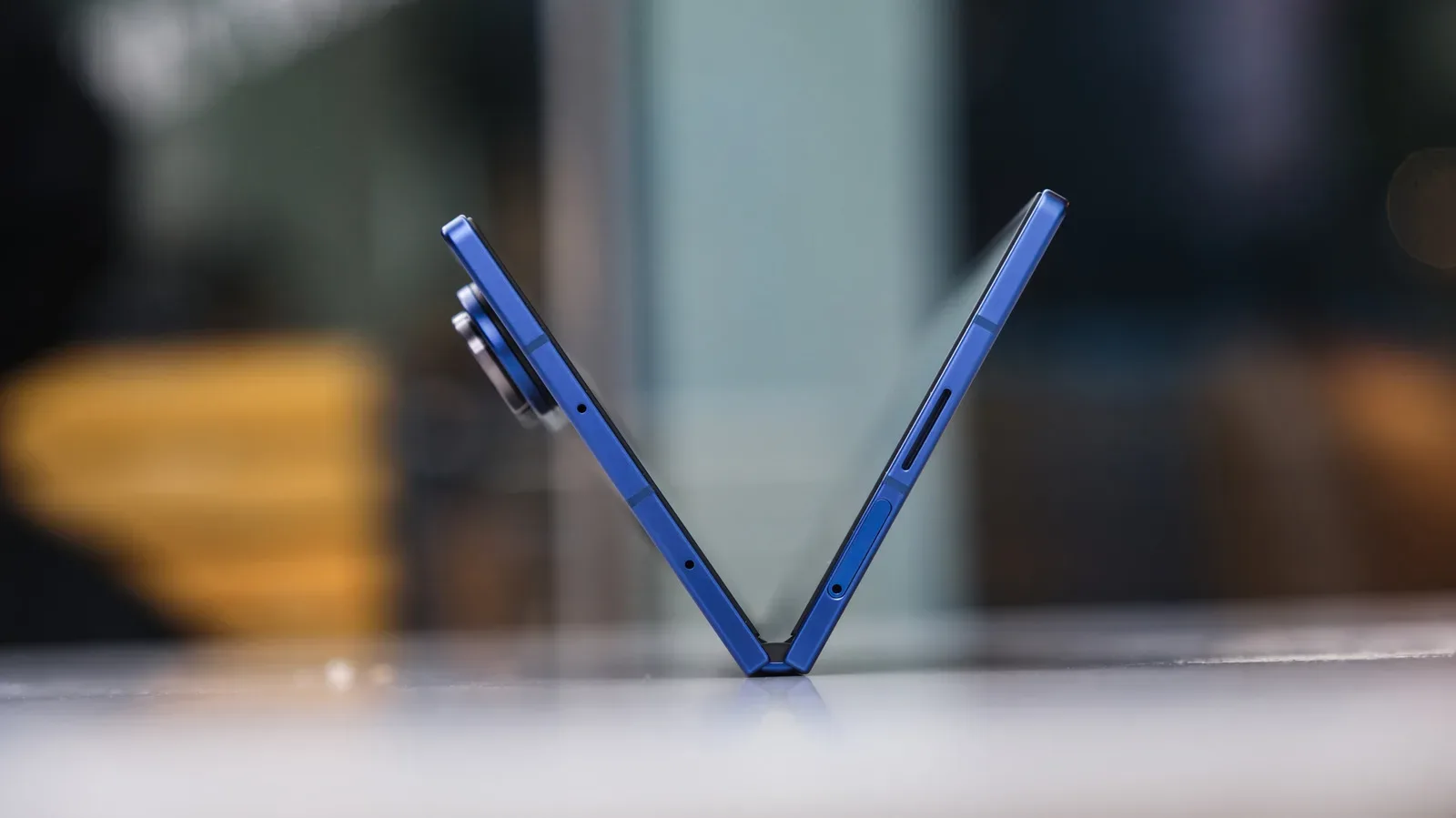
Buying a foldable phone can make ordinary accessory instincts feel suddenly dangerous. On a conventional slab phone, fitting a screen protector is generally an uncomplicated bit of insurance: clean the glass, line up the cutouts, banish the air bubbles, and carry on. A foldable has an outer screen that works much the same way—but it also has a flexible inner display and a hinge that introduce a far less forgiving set of rules.
The useful short version is this: a screen protector is fine for the outer display of a foldable phone, while an extra or replacement protector should not be applied to the inner display at home. The distinction matters more than the accessory aisle makes it seem. The inner panel is a layered, flexible assembly designed to bend repeatedly. It normally already has a factory-fitted protective film, and manufacturers warn that unofficial work on that surface can damage the display itself.
That does not mean foldable owners have to accept every scratch as destiny. It means protection should be matched to the part of the device that is actually at risk. A conventional protector on the cover screen, careful cleaning, and a case that shields the hinge are more sensible tools than trying to turn the inner display into a DIY project.
The foldable rule: treat the two screens differently
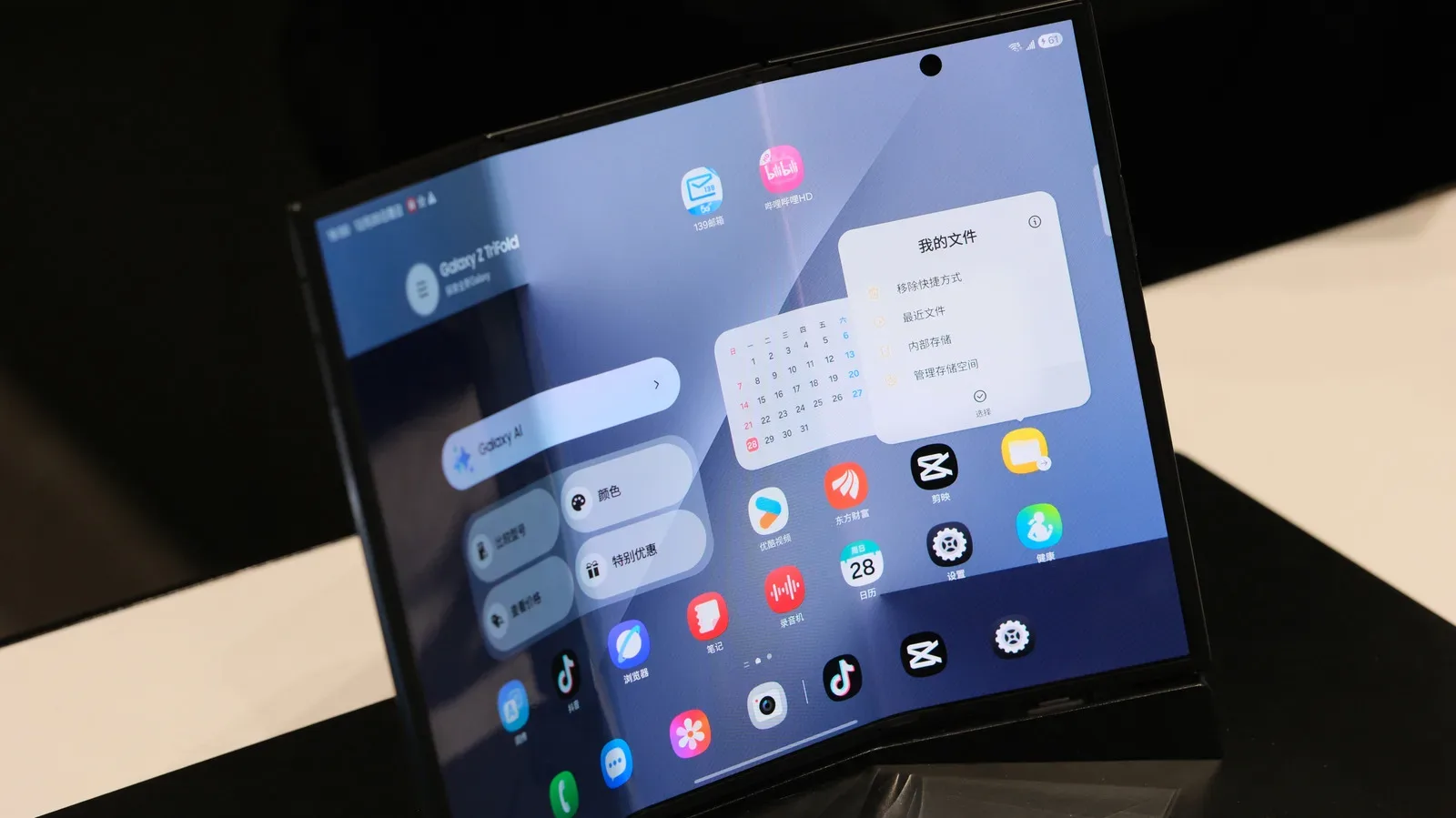
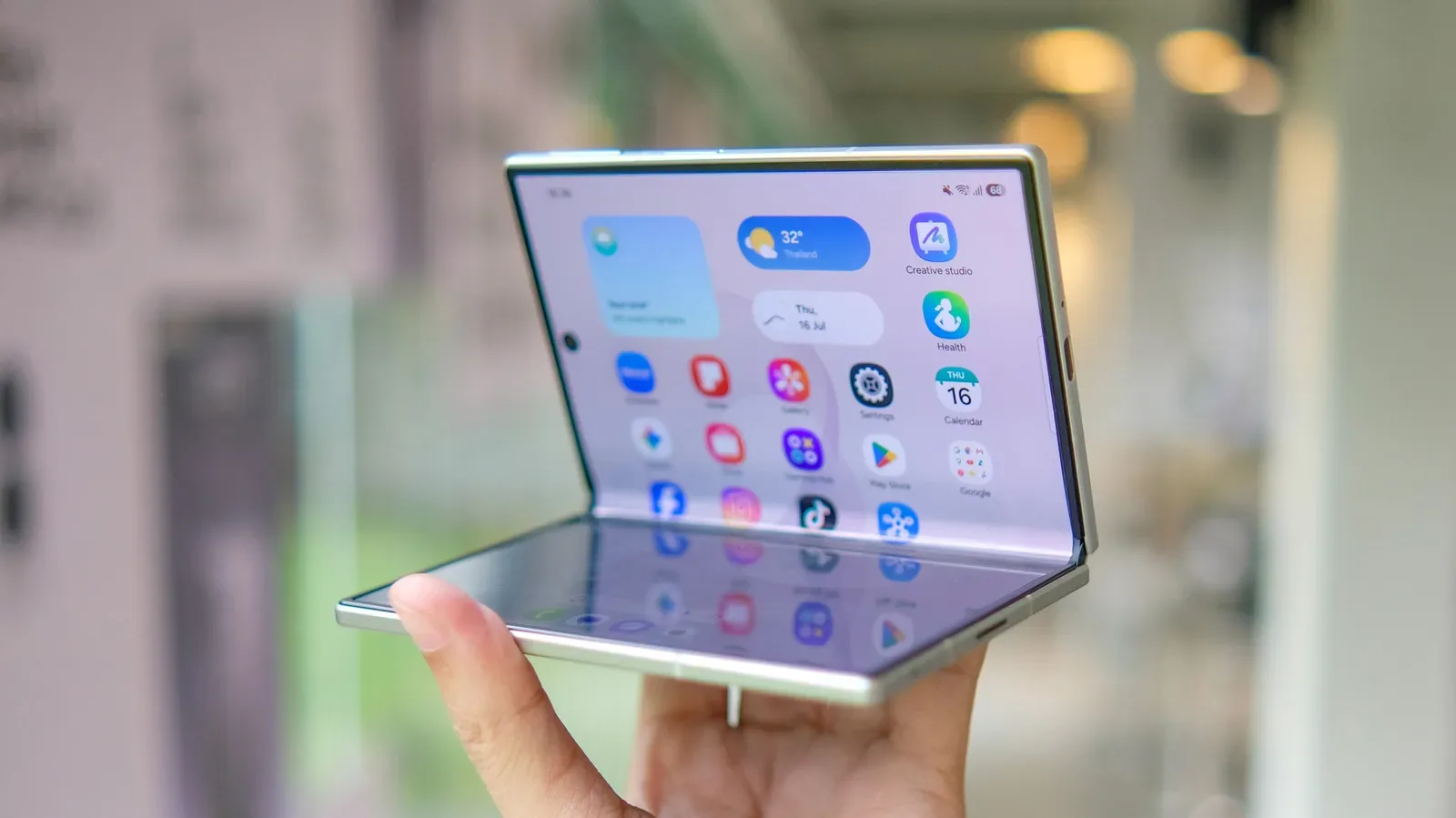
Most foldables effectively contain two very different kinds of screen. The outer—or cover—screen is exposed when the handset is closed and is essentially a standard smartphone display covered with hard glass. The inner display is the large panel revealed when the phone opens. Its defining job is to flex along the fold, so it cannot simply use the same rigid construction as an ordinary phone screen.
That is why a one-size-fits-all answer to “Can I install a screen protector?” is misleading. For the outer screen, an owner can use a normal protector for added scratch protection without taking on a special foldable-specific risk. Modern phones commonly use chemically strengthened glass, including materials marketed as Gorilla Glass or Ceramic Shield. Those materials improve resistance to scratches and cracks, but adding a protector remains a reasonable choice for someone who wants another sacrificial surface between their screen and daily wear.
The inner screen has a different engineering problem. It must survive repeated bending, so it relies on multiple flexible layers rather than regular rigid glass. The protective layer supplied on top is part of that carefully managed arrangement. Adding a third-party film—or removing the installed one—can interfere with the display in ways that are not comparable to swapping a protector on a flat phone.
Outer screen: a conventional protector is generally acceptable. Inner screen: preserve the factory protector and have an authorized repair center handle a worn or damaged layer.
Why the factory protector on the inner display is not an invitation to peel
It is easy to mistake a factory-fitted inner screen protector for removable packaging, particularly if an edge begins to look worn. That assumption caused problems with the earliest Galaxy Fold: some users removed the layer, and displays began malfunctioning afterward. Samsung subsequently made clear that the inner screen protector should not be removed.
Related coverage includes Can You Put a Screen Protector on a Foldable Phone?.
There is a simple practical lesson here. A layer that looks like an accessory may be serving a role in the display’s flexible stack. The foldable screen is not merely a hard panel with a film placed on it for shipping. Pulling at that surface can have consequences well beyond cosmetic marks.
Samsung uses TPU on foldable models including the Galaxy Z Fold8. TPU, short for thermoplastic polyurethane, is a flexible material suited to screens that need to bend. Apple’s recently announced first foldable, the iPhone Duo, is also described as having a protector over the display layers. In that case, the layer includes a nano-texture coating that creates a matte appearance and makes the crease less visible.
Those specifics show why “just replace the film” is not a safe universal instruction. Factory layers may be selected for flexibility, surface finish, crease appearance, and compatibility with the screen underneath. Even an ultra-thin aftermarket product can be the wrong component in the wrong place. Some brands sell inner-display protectors measuring under 0.1mm, but thinness alone does not erase the risk. Manufacturers have made clear that an unofficial inner protector can damage the entire display.
What to do when the inner layer looks worn
Do not pick at lifting material, attempt to peel it off, or apply another protector over it as an improvised patch. If the installed inner layer seems worn, the appropriate route is an authorized repair center. Samsung and Apple both offer replacement of the internal screen protector, but that work is intended to be done with the correct tools.
This is less exciting than a five-minute accessory installation, but it is the cautious choice for a device whose key display is both flexible and expensive. The goal is not to prove that a determined owner can alter the inner surface; it is to avoid converting a surface issue into a display issue.
Dust is the enemy that a screen protector cannot solve
A film on the outer screen can help with scratches, but it cannot protect the hinge from the debris that makes foldables vulnerable. Small particles of dust or sand can damage a hinge mechanism. This is the protection priority that is easiest to overlook because screen protectors are so visible and familiar.
Ingress Protection ratings provide useful context, provided they are read precisely. An IP rating describes resistance to the entry of particles and water under defined conditions; it does not mean every part of a phone is permanently invulnerable to every environment. The latest Galaxy Z Fold devices are IP48-certified. That indicates resistance to brief water immersion and to particles larger than 1mm, but not a fully sealed design. Small debris remains a concern around the hinge.
The iPhone Duo is described as IP68-certified, meaning it is dust-tight and resistant to water immersion. That is stronger dust language than the Galaxy Z Fold rating, yet it should not be understood as a permanent force field. Resistance does not last forever, and particles can still cause trouble if they are present where surfaces move or rub. A speck that gets between surfaces can scratch a screen through friction even if it never enters the device’s internals.
For a more hinge-focused breakdown of the same practical concern, see why a foldable phone’s hinge should not be fed sand. The gamer metaphor is silly; the maintenance point is not. Keeping grit away from the moving hardware has more direct value than gambling on an unapproved inner-screen film.
A sensible protection setup for a foldable
Owners do not need a complicated kit. The best setup follows the physical split between the foldable’s conventional exterior and its specialized interior.
- Protect the outer screen if desired. Since it is covered by hard glass like a typical smartphone display, a standard compatible protector is a reasonable extra layer against scratches.
- Leave the inner factory layer in place. Do not remove it merely because it resembles a protector that would be disposable on another phone.
- Do not fit an unofficial protector to the inner display. Ultra-thin options exist, but manufacturers warn that such additions can damage the screen.
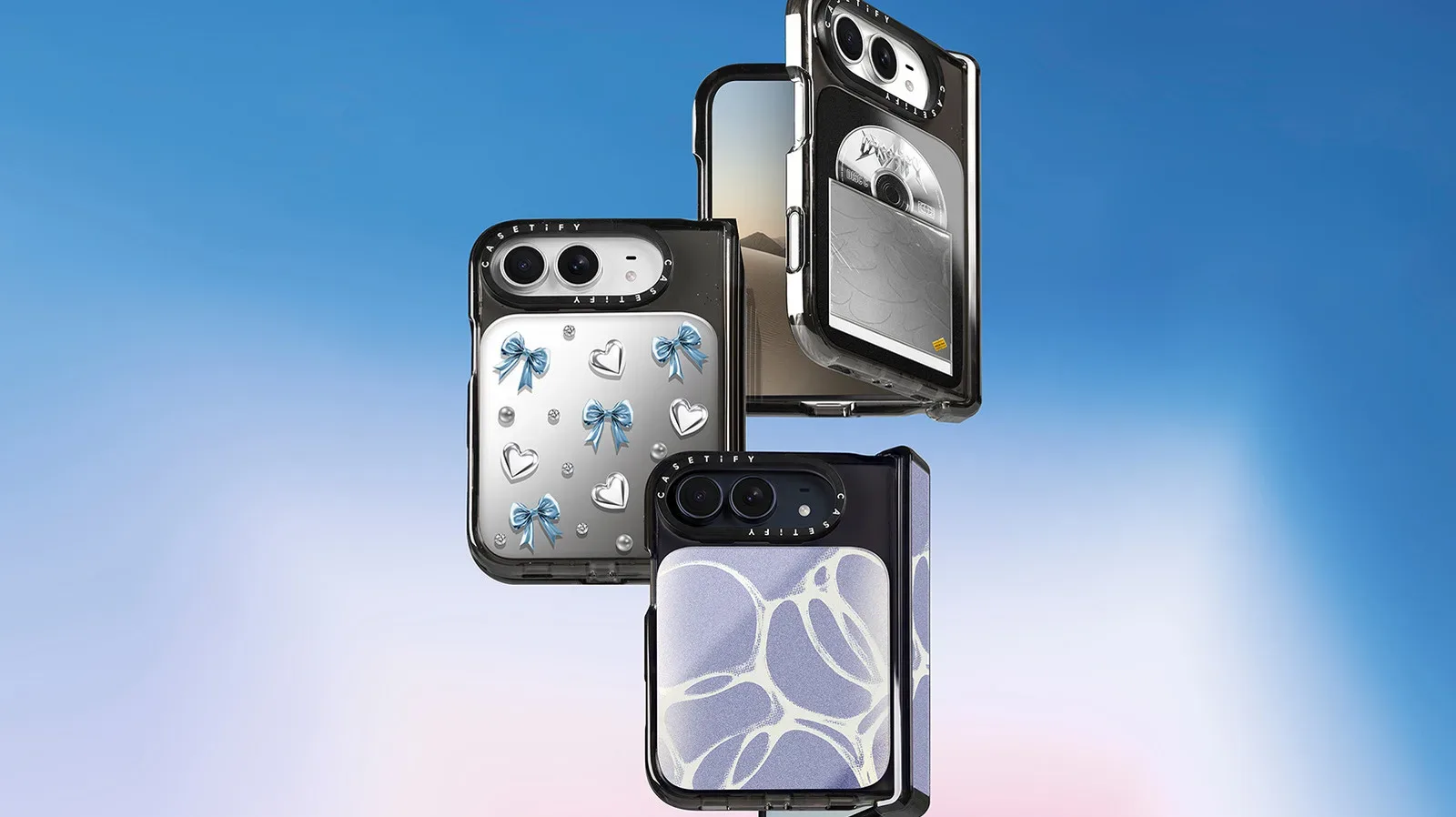
- Prioritize hinge coverage. A case that covers the hinge addresses a meaningful physical vulnerability that an inner display film does not.
- Keep particles away from the device. Dust and sand are not merely cosmetic hazards when a phone has a moving hinge and a folding display.
- Use authorized service for inner-layer replacement. If the factory film appears worn, trained service with the correct tools is the safer answer.
What a protector can—and cannot—promise
It is worth being realistic about the purpose of an outer screen protector. It may take the hit from everyday scuffs and can preserve the glass below it, but it does not change the basic nature of a folding handset. It will not seal an IP48 device against fine dust, cannot stop sand from reaching an exposed hinge, and does not make an inner display safe to modify.
Likewise, a high water- and dust-resistance rating is useful information, not a reason to abandon care. The iPhone Duo’s IP68 rating means it is dust-tight and rated for water immersion, whereas the latest Galaxy Z Fold models’ IP48 rating permits larger-than-1mm particle resistance and brief immersion. These distinctions help buyers understand their devices, but neither turns abrasive material into something harmless if it lands between moving or contacting surfaces.
For foldable owners, the strongest takeaway is pleasantly straightforward: use familiar phone-accessory habits on the familiar hard-glass cover display, and use restraint on the flexible display inside. Put the protection budget toward an outer protector if wanted and a hinge-covering case. Keep dust and sand out of the equation. If the factory inner film needs attention, let an authorized repair center take that particular boss fight.