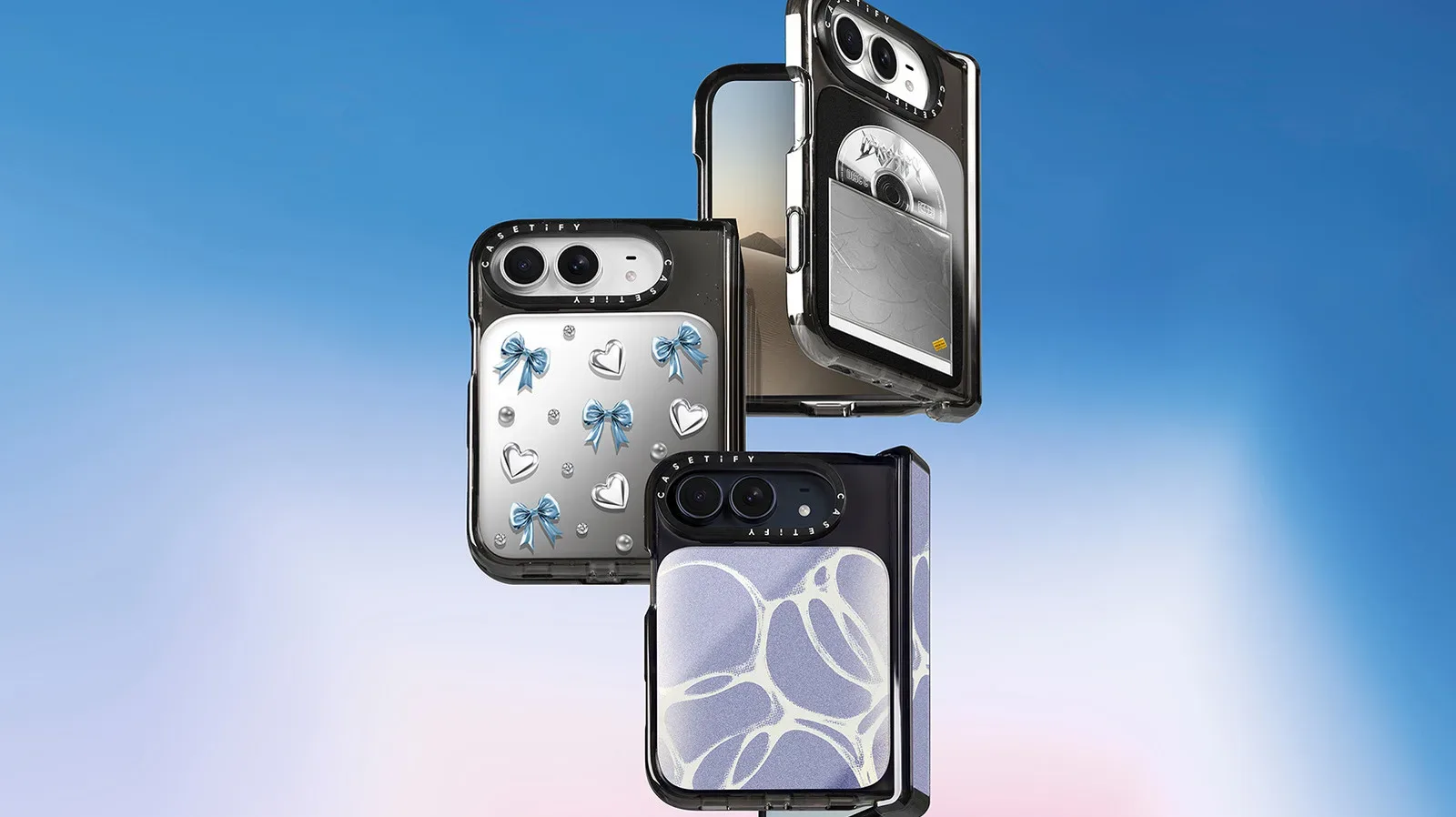
Foldable phones create an awkward challenge for a protective case: the accessory has to guard a device made of two moving halves without preventing either half from moving. That makes a foldable case less like the single shell used on a conventional phone and more like a carefully spaced pair of covers—or, in more rugged designs, a connected protective system.
The basic value proposition is still clear. A case can reduce exposure to scuffs, scratches, shocks and impact around the phone’s exterior. It can also keep the camera lenses and outer display from being the first things to meet a table or floor. But a case should not be mistaken for a sealed enclosure. Its biggest limitation is also one of the defining care concerns for folding hardware: it cannot reliably prevent fine dust from getting between the screen halves or into the hinge area.
For anyone weighing a slim case against a larger rugged option, the useful question is not simply whether it is “protective.” It is which parts it protects, what compromises it brings, and what habits still matter after it is installed.
Why foldable cases are built differently
A standard bar-style phone can generally be wrapped in one continuous case. A foldable device needs room to open, close and pivot. As a result, many foldable cases are made in two pieces: one fitted to the rear section and another around the front section and cover display.
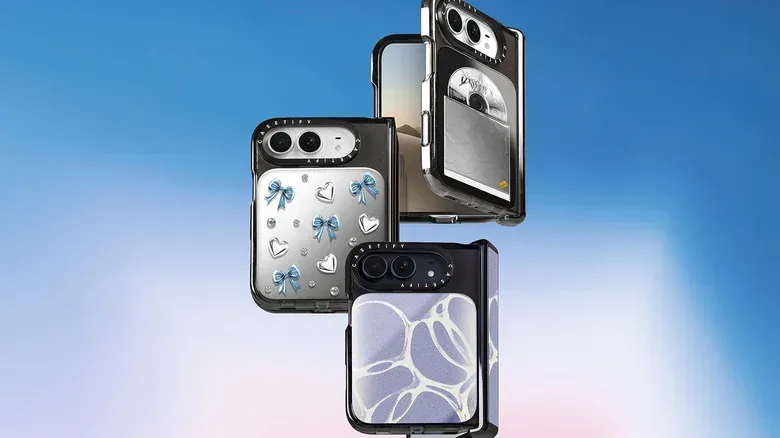
The rear portion typically covers the back and sides, working around openings such as the charging port and the camera island. A raised border near the camera area can help prevent the lenses from directly contacting a flat surface. The front portion commonly creates a raised lip around the outer display. That lip is important in a face-down drop or when the closed handset is laid screen-down, because it creates a small buffer between glass and the surface beneath it.
These are meaningful protections, but they are primarily perimeter protections. The case absorbs or redirects some force at the edges and corners while reducing everyday cosmetic wear. It does not turn the phone into a fully enclosed, 360-degree object, and it has to leave moving areas free enough to function.
What a typical case can realistically do
For most owners, a standard foldable case is useful protection for the surfaces that see constant contact. The back panel, side rails, camera region and outer-screen perimeter are exposed whenever the device is being handled, set down, placed in a bag or removed from a pocket.
- Back and side protection: Case material covers common scuff and scratch zones and may lessen damage from an impact to the handset’s exterior.
- Camera spacing: A raised edge around the camera island can keep lenses from taking direct contact when the phone is placed rear-down.
- Outer-screen buffering: A lip around the cover display can lift its glass slightly above a tabletop or similar flat surface.
- Extra grip and utility: Some designs add practical features such as a kickstand or a place to carry an S Pen.
That list also explains why a case is still sensible even when it does not solve every foldable-specific risk. Phones are handled constantly, and the exterior is where ordinary knocks, desk contact and short falls tend to happen. A case addresses those routine hazards first.
Related coverage includes What a Foldable Phone Case Protects—and What It Can’t.
Samsung’s Carbon Standing Case for the Galaxy Z Fold 8 illustrates how protection may share space with convenience. Its stated additions include anti-reflective film and an integrated kickstand, features that emphasize use of the device as much as impact defense. Buyers should therefore read individual case descriptions closely instead of assuming that every branded case has the same emphasis.
The hinge is the dividing line between slim and rugged cases
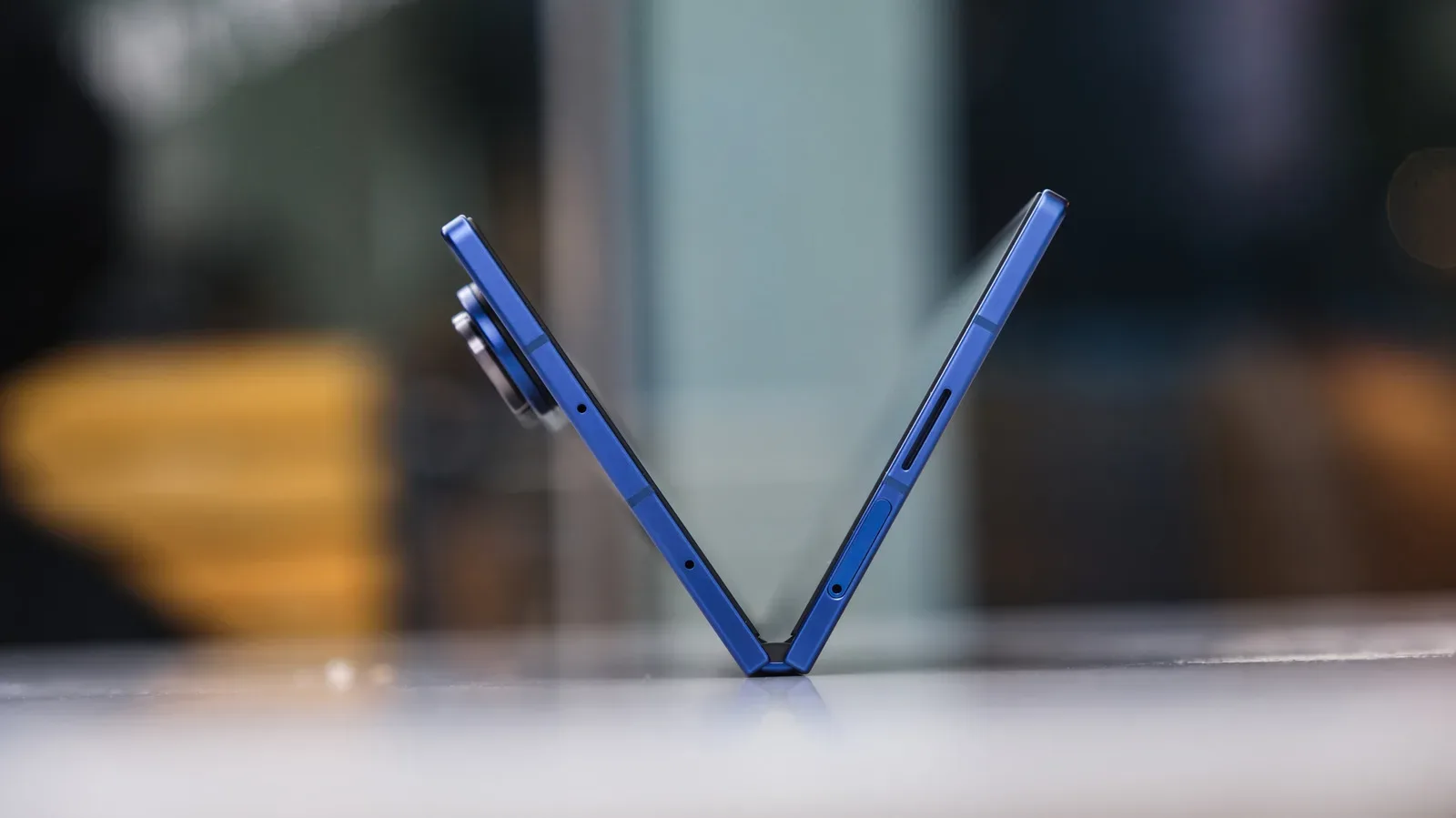
The hinge is the mechanical feature that makes a foldable phone possible, but it is also the hardest area to cover without changing the device’s feel. Many slimmer cases leave it exposed. That approach keeps the phone closer to its intended profile and avoids adding a large component around the pivot, but it leaves the hinge without direct impact coverage.
Some makers instead offer hinge-protection designs. Casetify’s Galaxy Z Fold 8 range is described as using hinge protection, while its forthcoming iPhone Duo case is claimed to use drop-energy dispersal technology and a specialized Duo-Lock hinge guard. Those claims describe the intended design approach rather than an assurance that damage is impossible. The practical trade-off remains straightforward: more material around a moving joint usually means more bulk.
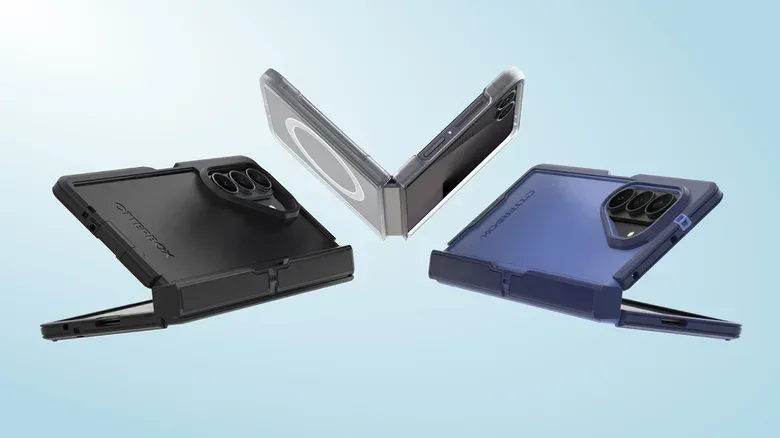
Rugged models from CaseBorne, Supcase and Otterbox take that approach further. These cases may connect the front and rear sections and add coverage around the hinge, sometimes alongside a screen protector. The Supcase Unicorn Beetle Pro for the Galaxy Z Fold 6, for example, includes a tempered-glass screen protector and a hinge guard that also functions as an S Pen holder.
That kind of all-around coverage can be attractive for a phone likely to be carried in tougher conditions or handled frequently away from a desk. The cost is not merely visual. A bulkier case changes pocketability, weight and the feel of opening the device. There is no universally correct choice: slim cases prioritize the foldable’s design, while rugged cases prioritize coverage.
Do not assume the cover display is protected
A case surrounding the outer display is not necessarily the same thing as a screen protector. Some basic options leave the cover screen itself uncovered; the raised rim helps during contact with flat surfaces, but it does not place a protective layer over the glass.
A screen protector can be included in a case bundle, built into a rugged case, or purchased separately. This distinction matters because the two parts have different jobs. The case lip aims to prevent direct surface contact in certain situations. A screen protector adds a sacrificial layer intended to take scratches and marks that the rim cannot prevent.
Anyone comparing products should check three details rather than relying on product photographs: whether a protector is actually included, whether it covers the outer screen, and whether hinge coverage is part of the design. These are separate features, and a case can provide any combination of them.
Dust is the protection gap no case fully closes
The most important limit on foldable cases is dust. When a foldable closes, debris on the display can be brought toward the hinge in a way that does not occur on a traditional one-piece phone. Even very small particles can be consequential if they become trapped in the folding mechanism or between the screen sections. The risk described here is more serious than a cosmetic mark: fine debris can damage the screen and may even contribute to cracking.
That concern is reflected in ingress-protection ratings, generally shortened to IP ratings. In the examples at hand, the first numeral identifies protection against solid foreign objects measuring 1 mm or larger. A higher first number represents stronger stated resistance in that category.
The Apple iPhone Duo and Google Pixel 11 Pro Fold are listed with IP68 ratings, a notable step above older foldables in dust resistance. By comparison, the Samsung Galaxy Z Fold 8 has an IP48 rating, while the Motorola razr fold has an IP49 rating. In the latter two cases, fine dust remains capable of harming the screen or hinge.
It is crucial not to read an IP rating as a promise of invulnerability, or a hinge guard as a substitute for cleaning. The core issue is that a phone case cannot seal the folded display surfaces or fully block the path through which dust may reach a moving hinge. A case can protect the outside of that mechanism from knocks; it cannot guarantee that particles are absent when the device closes.
A practical foldable-care routine
That limitation makes upkeep part of the ownership experience. Before closing the phone, give the display a quick wipe to remove visible debris. Periodically use a soft brush on the outside of the hinge to clear dust that has collected there. These small actions are especially relevant because the most problematic particles may be hard to notice before the two halves come together.
The routine is less effortless than caring for a conventional smartphone, but it complements rather than replaces a case. Think of it as a two-part defense: the case manages impacts and surface contact, while careful cleaning reduces the chance of debris entering the vulnerable folding area.
That same specificity is useful for any accessory purchase. A product can be worthwhile without solving every problem, provided its limits are understood. The broader approach is similar to the practical decision-making discussed in this guide to evaluating whether a 3D printer is worth buying: focus on the actual use case, trade-offs and ongoing demands rather than a headline claim.
How to choose the right level of protection
A slim two-piece case is a reasonable fit for someone focused on scratch prevention, edge cushioning and preserving the thin feel of a foldable. Add a compatible outer-screen protector if the case does not include one. This combination recognizes that the front rim and the screen surface are different layers of protection.
A hinge-protection or rugged case makes more sense for buyers who place maximum priority on coverage and accept a thicker device in return. Options that integrate a screen protector and hinge guard consolidate the accessory setup, though prospective owners should expect a less minimal profile.
In either case, no accessory eliminates the need to inspect the display before folding or to remove dust from the hinge exterior. The strongest setup is therefore not defined by the most aggressive-looking shell. It is the combination of a case suited to the owner’s tolerance for bulk, appropriate outer-screen protection, and a simple cleaning habit that acknowledges what cases cannot reach.