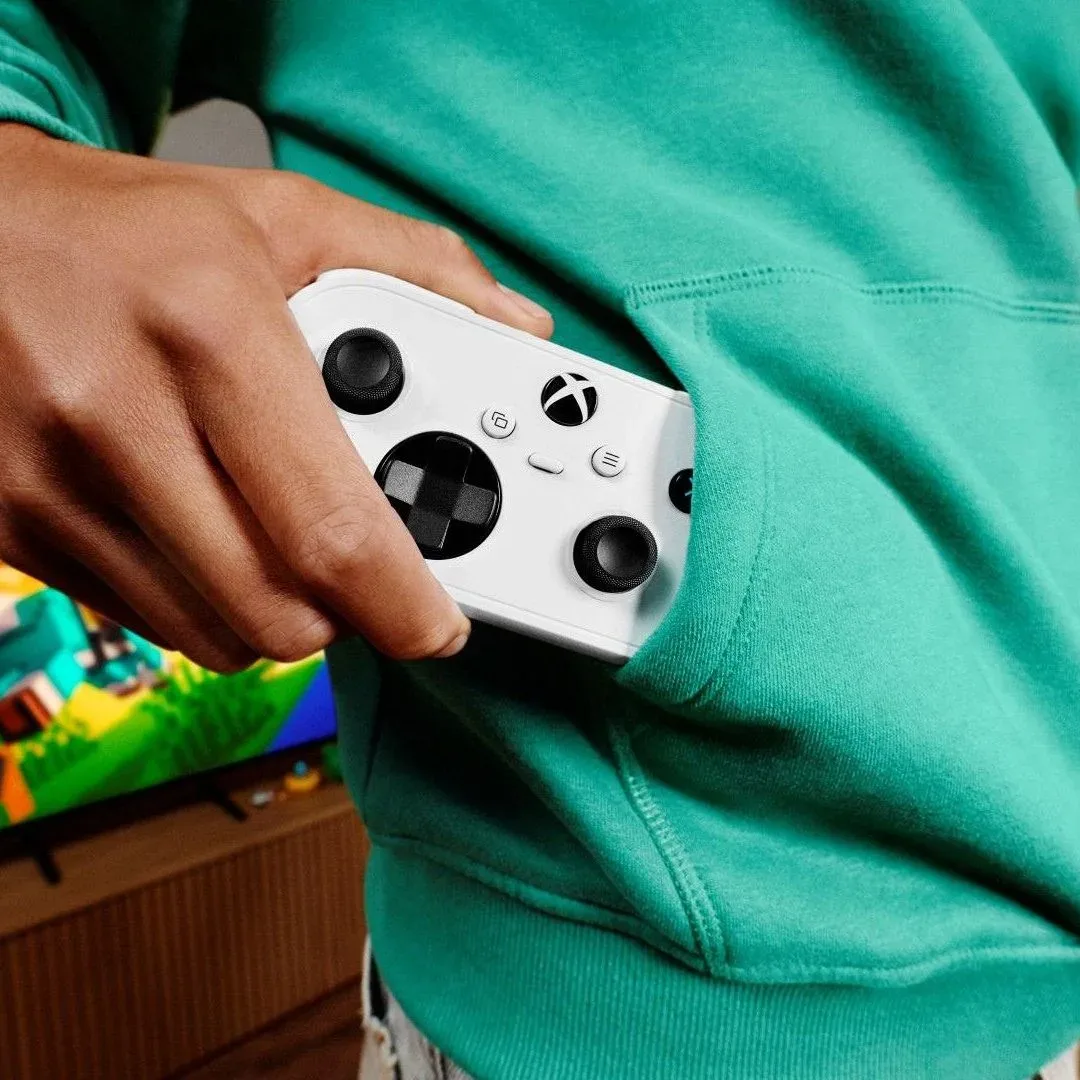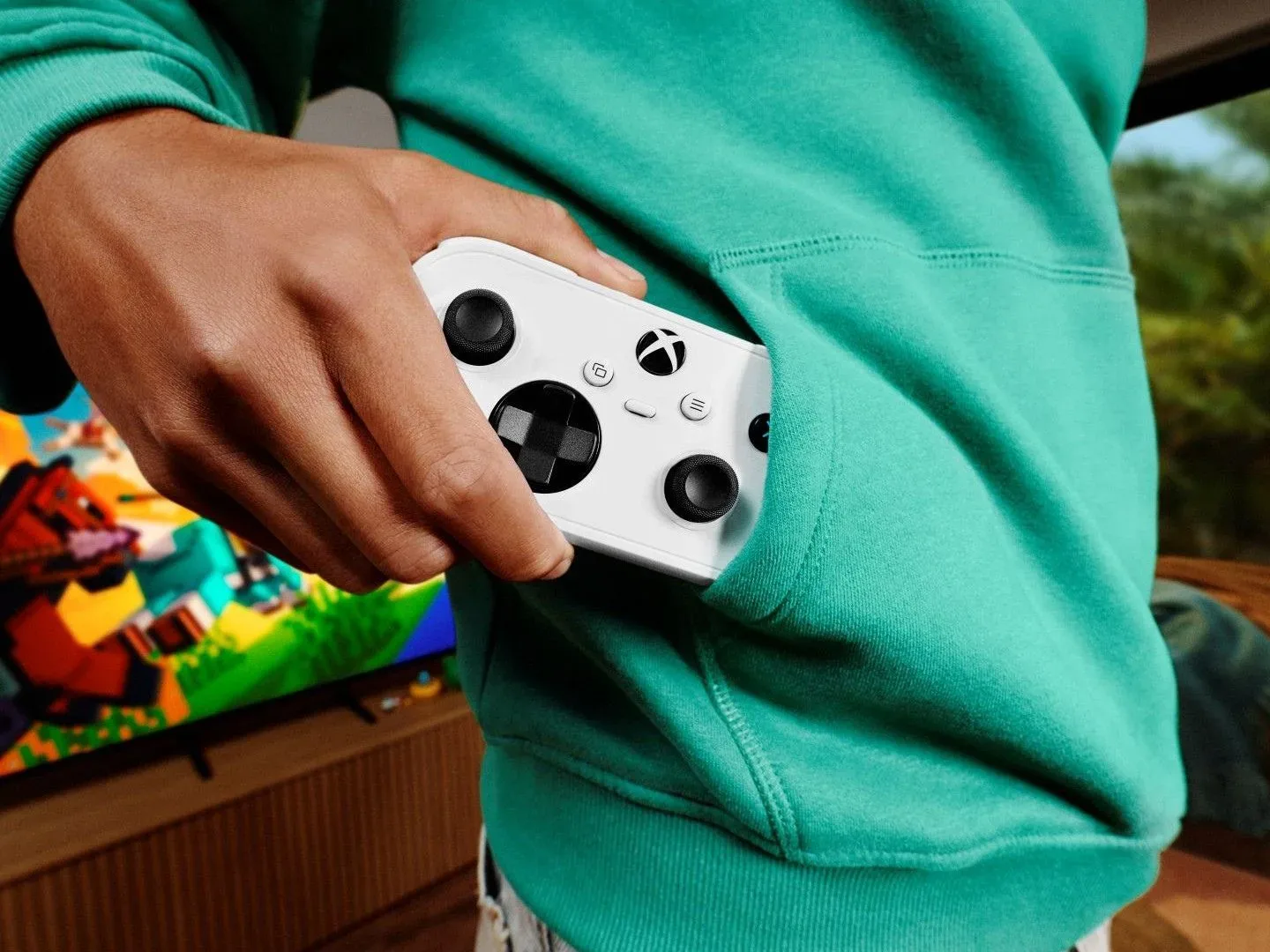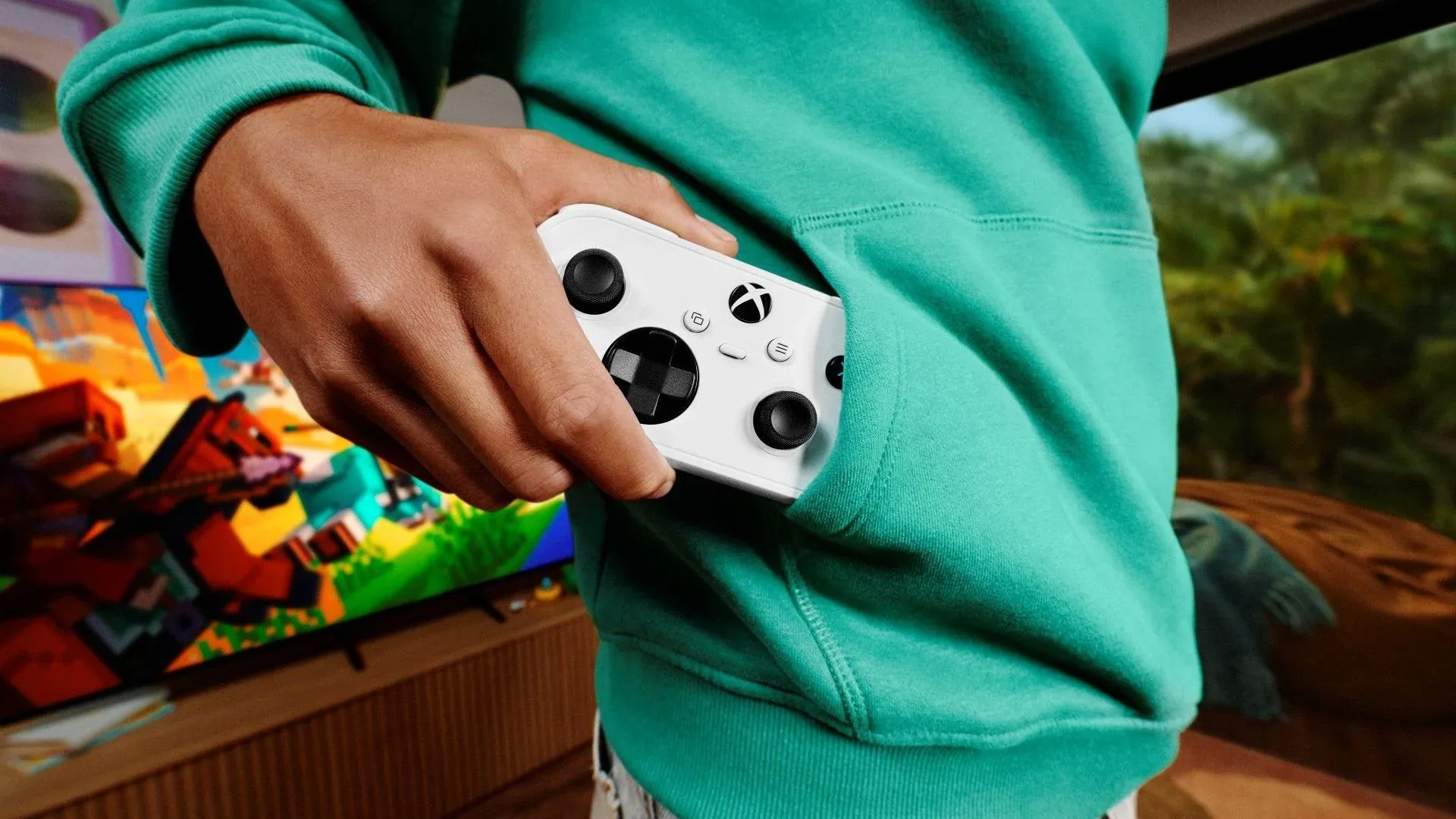
A tiny Xbox controller is an easy thing to want. It promises a lower price, less space in a bag or living-room drawer, and the undeniable charm of a gamepad that looks like it has been through the dryer on maximum heat. Microsoft’s newly discussed Xbox Nano controller is reported at $49.99 / £44.99, placing it well below the cost people may associate with a full-sized premium pad.
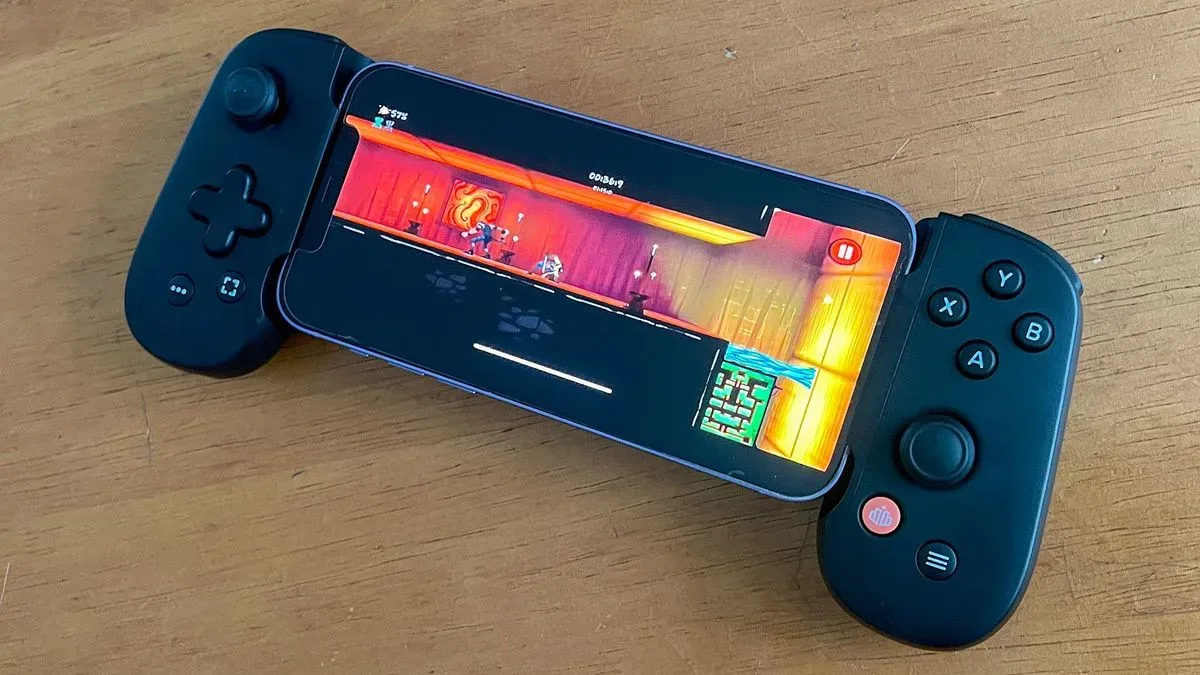
But small controllers ask buyers to make a trade that is too easy to overlook in product photos: portability versus ergonomics. The Nano may prove a smart purchase for its intended players. It may also be exactly the kind of delightful-looking accessory that adults buy on a wave of nostalgia, use for one session, and quietly exile to the drawer of expensive good intentions.
The important distinction is that compact is not automatically bad, and full-sized is not automatically better. Hand size, grip preferences, age, experience with controllers and the length of a typical play session all matter. The source material does not provide the Nano controller’s dimensions, control layout, connectivity details, battery information or platform-support specifics. Those unanswered questions make a final verdict premature. What can be assessed now is the basic design tension behind any miniature controller.
Portability is a feature, not a free bonus
A conventional Xbox controller has physical room for grips, triggers, thumbsticks and face buttons to sit apart from one another. That space is not merely cosmetic. It lets the player hold the controller without sharply folding their fingers or compressing their hands toward the center. Reducing the controller’s footprint can make it easier to carry, but the hands do not shrink to match.
Ergonomics is the term for how a product fits the human body and supports comfortable use. In a controller, that includes the grip angle, the distance between controls, the reach required for shoulder buttons and triggers, and whether the hand can rest in a natural position. It is not a single objective score. A player with small hands may find a compact controller welcoming; another person may feel as if they are attempting a precision platformer while holding a biscuit.
That variability is central to the Nano discussion. Reports frame the design as significantly more portable than a typical Xbox Series X controller, which is plainly the point. Yet a compact shell gives designers less room to preserve the separation and hand support that make longer sessions manageable. For some adults—especially players with larger hands—the concern is not that the Nano cannot input commands. It is that using it may call attention to the controller with every reach, squeeze and button press.
A good controller can become almost invisible during play. A poor fit does the opposite: it competes with the game for attention. That does not make a miniature controller defective. It means a miniature controller is a more specialized tool than its cute appearance might suggest.
Who could the Nano suit?
The most compelling case for the Xbox Nano is not necessarily the adult enthusiast who already owns a comfortable full-sized pad. It is a household that needs an additional, less intimidating controller for younger players, visitors or short multiplayer sessions.
Related coverage includes Xbox Nano Controller Looks Built for Kids and Casual Play, Not Every Adult Gamer.
Children are the clearest potential audience. A heavy, large controller designed around adult hands can be cumbersome for a younger player to hold and operate. A smaller, less expensive option can make more practical sense for family play, particularly if it is meant to be carried around or used as an extra controller rather than becoming the household’s main device.
Newer players may also benefit from a less imposing input device. A standard gamepad asks someone to coordinate two thumbsticks, face buttons, shoulder buttons and triggers, sometimes while managing cameras, menus and movement at once. That learning curve can feel daunting before a game even begins. The source material suggests the Nano has fewer buttons, although its full specifications are not included here. If so, a simplified layout could make it feel less forbidding for someone learning controller basics.
That point should not become a blanket claim that one group of people needs a smaller controller. Adults come with wildly different hands and preferences, and beginners are not a single market segment. The useful principle is choice: a controller that feels manageable in one person’s hands may be actively unpleasant in another’s. A broader size range is healthier than pretending that one default gamepad works equally well for everyone.
Why adults should resist the impulse buy
Compact gaming hardware has a particular pull on adults. Small devices can evoke handheld gaming, travel, childhood bedrooms and the appeal of owning something clever enough to fit in a pocket. The visual appeal is real. So is the danger of confusing a product’s personality with its suitability.
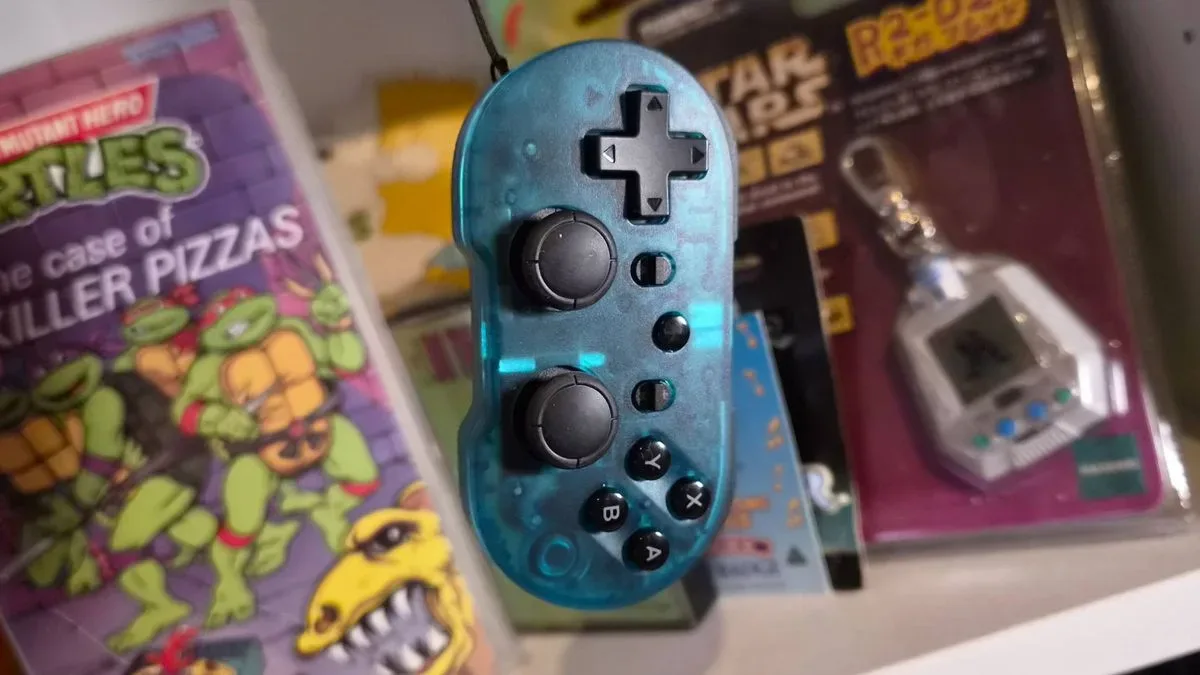
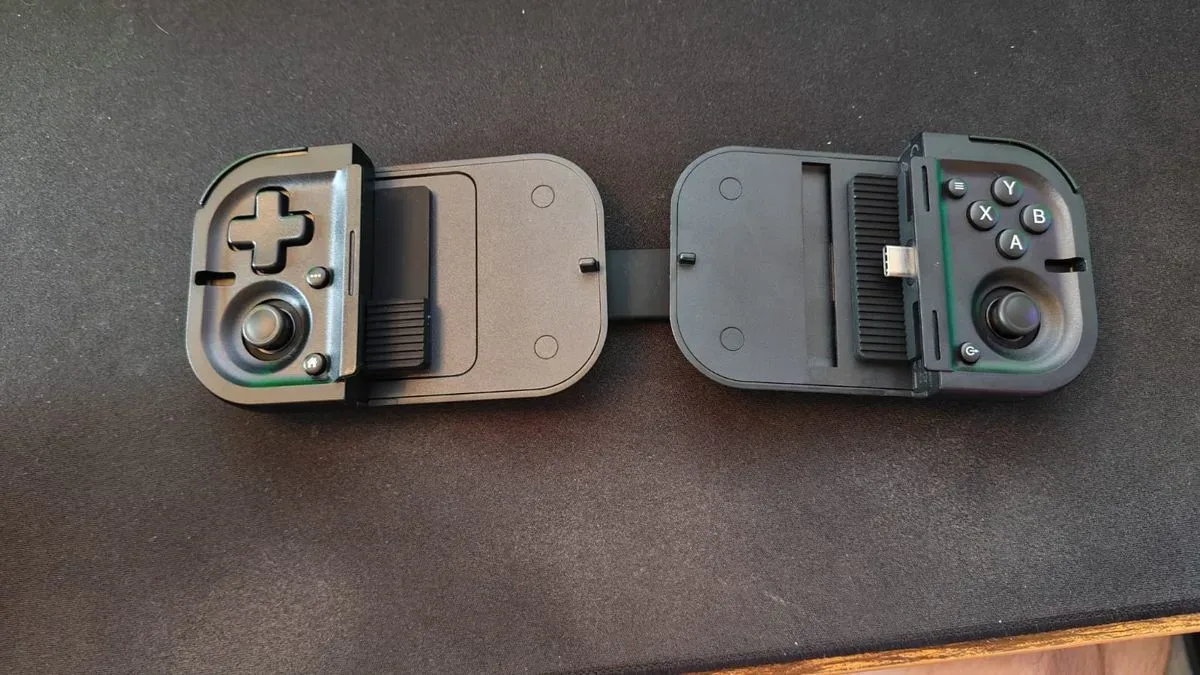
The source material compares the likely problem to the discomfort some large-handed players experience with Joy-Con-style controls, compact handhelds and small mobile controllers. That is subjective evidence rather than a measurement of the Nano itself, but it identifies a sensible buying precaution: do not assume that a product designed to travel well will be comfortable for hours of play.
Before buying, prospective owners should define the job they expect this controller to do.
- For a child or occasional guest: a compact, lower-cost controller may be a sensible fit.
- For couch multiplayer: it could work as an extra option, especially if the primary players already have full-sized controllers.
- For travel: reduced size is a genuine advantage, provided the final compatibility and connection details suit the setup.
- For an adult’s main controller: buyers should be cautious until they can confirm dimensions, layout and comfort through detailed specifications or hands-on feedback.
- For long sessions or demanding games: comfort deserves more weight than novelty. A controller that causes fatigue is not a bargain just because it costs less at checkout.
This is also where terminology helps. Hand fatigue is the tiredness or discomfort that can build when muscles maintain an awkward or cramped posture. It is not guaranteed by a small controller, and no claim should be made that the Nano will cause it for every adult. But smaller grips and tightly clustered controls can be risk factors for people whose hands require more room.
A “Baby Bear” option could be a useful addition
There is a constructive version of this story. Instead of treating controller size as a binary choice between a standard pad and a professional, feature-heavy model, manufacturers can offer a range. The full-sized controller remains the familiar all-purpose option. Larger premium pads can cater to people who value additional controls or a more substantial feel. A compact controller can serve younger hands, newcomers and portability-first households.
That three-size idea matters more than positioning the Nano as a universal revolution. It is fine—better, even—for a controller not to be for everyone. A small Xbox pad could be a welcome acknowledgment that a family’s gaming setup may need different physical tools for different people.
Microsoft’s broader Xbox context adds an uncomfortable wrinkle. The source material places this whimsical hardware release close to reported workforce layoffs, a contrast that will not disappear because a controller is charming. A lower-cost, family-oriented accessory can be attractive on its own merits, but it cannot be separated entirely from the company decisions surrounding it. For a separate example of why platform conversations benefit from sticking closely to what evidence can actually establish, see our look at what the GTA VI launch-trailer evidence proves—and what it does not.
What buyers still need to know
The reported price makes the Nano controller interesting, but price alone cannot determine value. The missing practical details are precisely the ones that will decide whether it is a novelty, a strong family accessory or an unexpectedly capable everyday pad.
- Its physical dimensions and weight.
- The complete control layout and whether any inputs have been omitted.
- Supported Xbox hardware and other compatible platforms.
- Whether it is wired or wireless, plus any battery details if applicable.
- Accessibility considerations and remapping support.
- How it feels across more than a few minutes of use for different hand sizes.
Until those points are clear, the most reasonable position is neither “it will definitely be awful” nor “small automatically means accessible.” The Xbox Nano controller appears to have a credible role as a compact, affordable option aimed at children, families and people who prefer a less intimidating pad. Adults with larger hands, meanwhile, should treat the design as a question mark rather than a must-buy.
In other words: admire the tiny controller. Consider who will actually hold it. Then buy the controller that fits the player, not the one that merely looks happiest in a product shot.