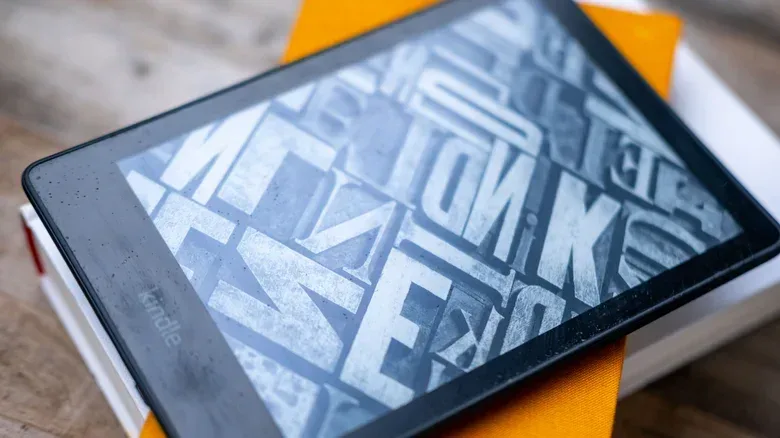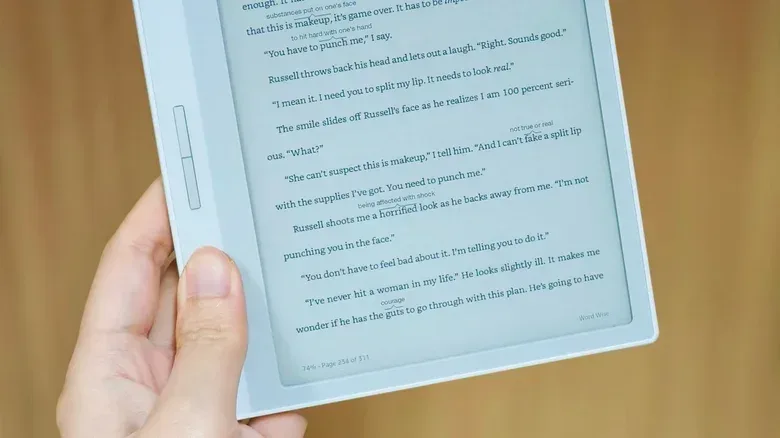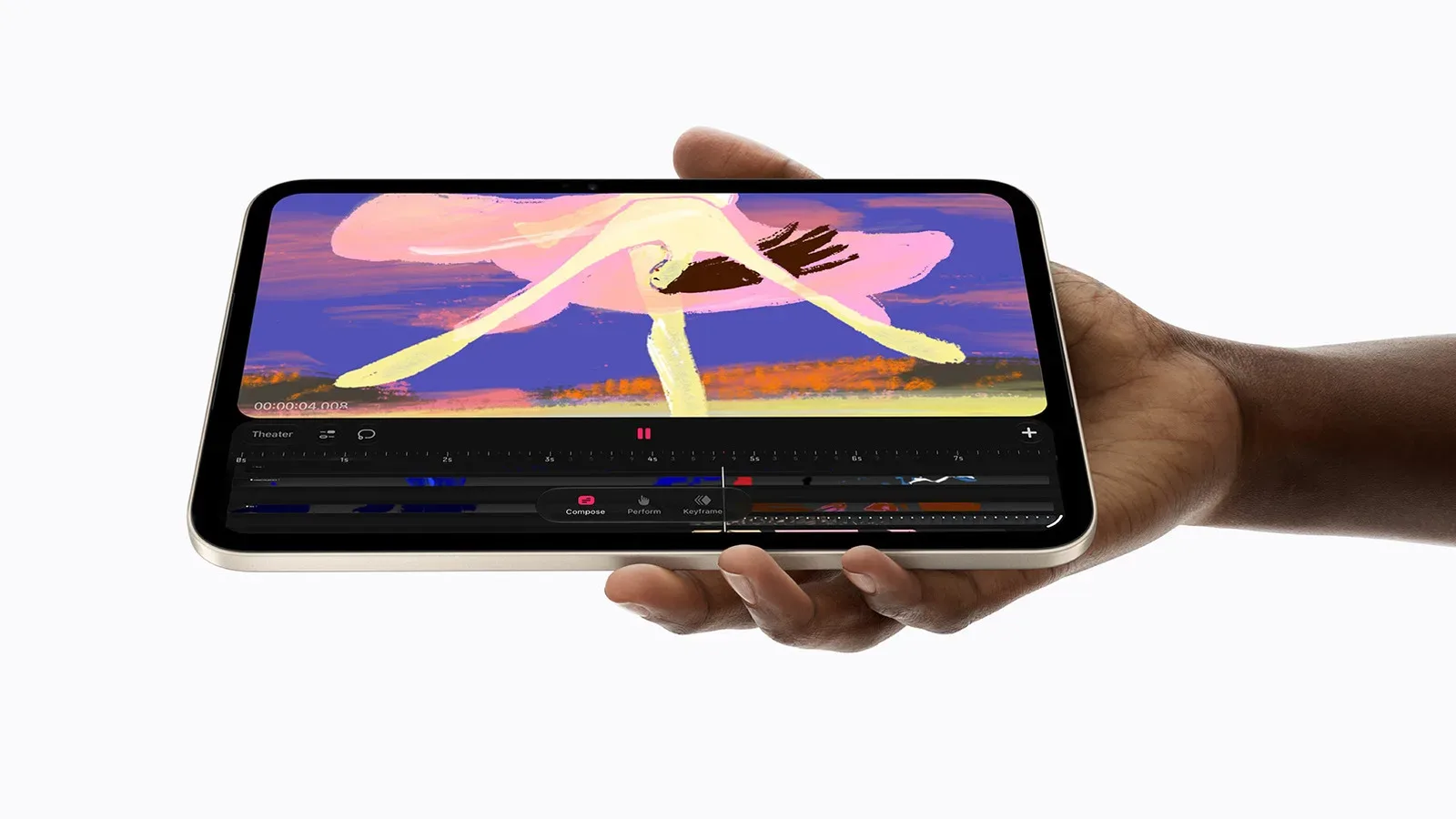
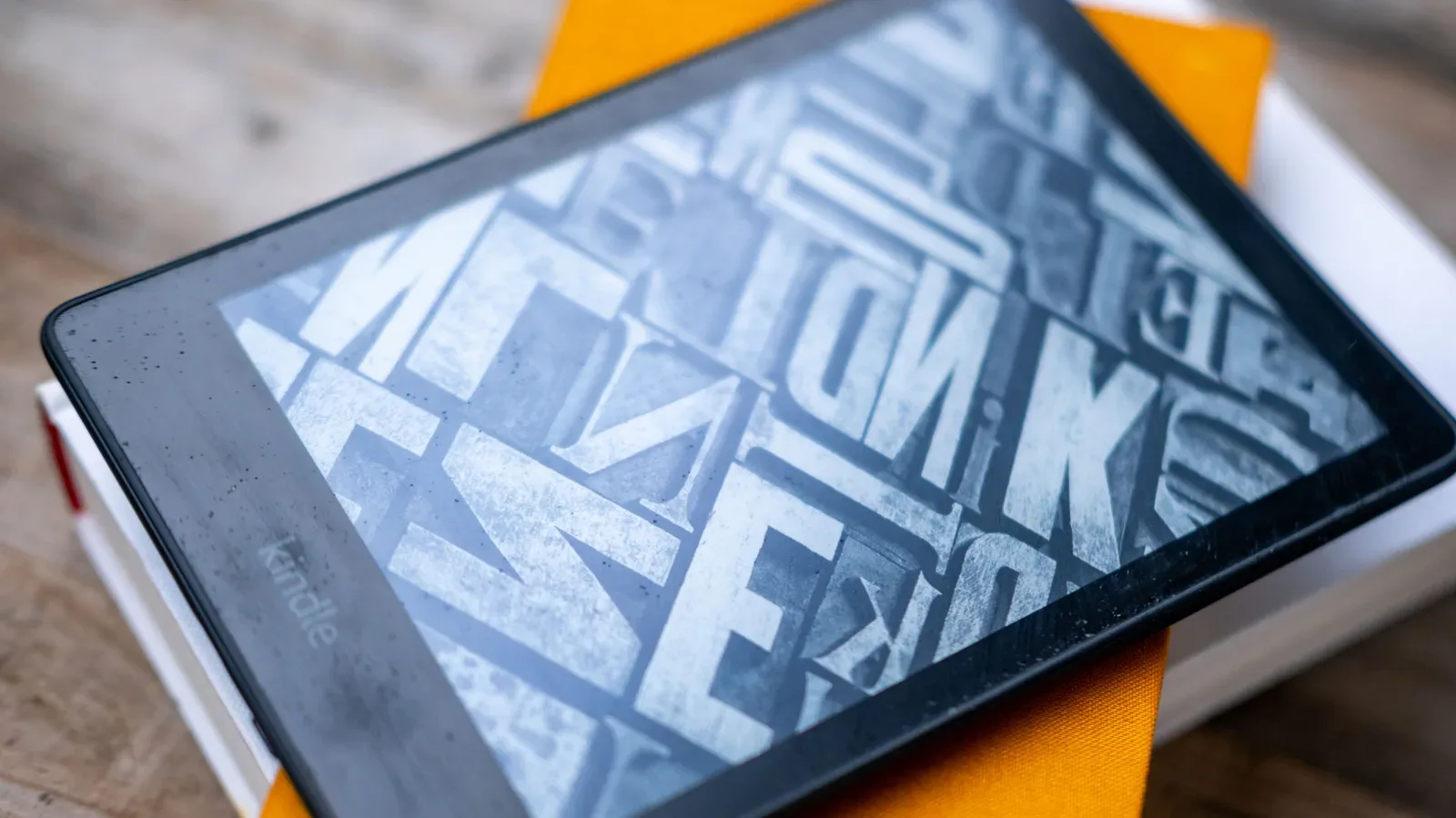
An ereader’s screen can seem like a tiny technological magic trick: select a book, turn to a page, set the device down, and the words remain there without the panel apparently doing anything at all. The explanation is less mystical than it looks, but no less clever. E-ink displays do not work like the LCD and OLED screens used in phones, tablets, televisions, and most gaming hardware. Instead of continuously emitting or modulating light to maintain an image, they physically arrange minute particles with a short electrical push.
That distinction is the reason an ereader can last for weeks or months between charges in light reading use. It is also the reason even a color e-ink device remains a highly specialized kind of screen rather than a replacement for a conventional tablet, portable gaming machine, or monitor. E-ink excels when the image is mostly still and readability matters. It struggles when the image must change rapidly, smoothly, and in rich color.
The screen is built to keep a still image
E-ink represents pixels using extremely small microcapsules. A microcapsule is a microscopic enclosure containing particles. In basic black-and-white implementations, those particles can be moved so that a particular set rises toward the display surface while another settles away from it. The visible combination becomes the shade a reader sees at that point on the page.
These capsules are exceptionally small: basic black-and-white versions can be roughly the diameter of a human hair. A related approach, Microcups, can also be used in some panels. The precise materials and electronics are complicated, but the central behavior is the same: the device uses electricity to reposition material within the display, rather than simply asking a light-emitting panel to draw the next frame.
When an ereader needs to change a page, it sends a brief positive or negative electrical current. That electrical field causes the appropriate particles to move up or down. Once they have reached their positions, they stay there. The page remains visible until the device is told to change it again.
The key feature of e-ink is not merely that it consumes little power. It is that a static image does not need a continuing supply of power to remain visible.
This is why the familiar experience of an ereader differs so much from a conventional tablet. LCD and OLED screens consume power as they operate and refresh the display. An ereader chiefly spends energy when it changes what is on screen. Reading a novel, where the display may only update when a person turns a page, plays directly to that advantage.
What “bistable” behavior means in practice
A useful way to understand e-ink is to think of the display as retaining its last arranged state. The particles do not need to be constantly held in their visible positions by fresh screen power. This persistence is what makes an image capable of appearing indefinitely after the update is complete.
That does not mean an ereader needs no battery power. The device still has to run its processor, storage, software, controls, and any lighting. It also needs power each time it changes the page. But it explains why the display itself is so well suited to an activity with long periods of static text. A device used chiefly for reading can stay away from a charger far longer than a general-purpose tablet that is maintaining an active display for apps, browsing, video, or games.
Why the display resembles paper more than a glowing panel
Traditional e-ink reading relies on ambient light, much like paper. Light from the surrounding environment reaches the display and reflects toward the reader. The panel is not inherently projecting light toward the user in the way a typical LCD or OLED screen does.
Modern ereaders may include built-in lamps, but their role is still different from the backlight or emissive light of a typical tablet screen. The light is directed at the e-ink surface, making it possible to read when there is not enough ambient illumination. In a well-lit setting, that lamp can be switched off without making the text illegible.
That behavior helps explain the common description of e-ink as paper-like and easier on the eyes than LCD or OLED for extended reading. The comparison is about the way the image is viewed as well as the content being displayed. An ereader is designed around calm, stable text. It does not need the brightness, motion handling, and saturated visual punch expected from a device built for moving pictures.
For people who divide their entertainment between a book and an app-heavy device, this creates a practical split. An ereader is optimized for the library; a tablet is optimized for versatility. Neither role is automatically better. They are responses to different display physics.
Color e-ink adds particles, not tablet-class color
Color e-ink follows the same basic principle, but it uses multiple particle types rather than only the two involved in a monochrome panel. By selectively moving different particles into view, the display can create colors. That makes color e-ink potentially useful for material where color contributes context without needing perfect realism, including comics and graphic novels.
However, “color” should not be mistaken for equivalence with the color delivered by mainstream LCD or OLED hardware. The best products from E Ink reach 4,096 colors. Even an inexpensive LCD can display 16.7 million colors, while HDR-capable panels can reach into the billions.
A color gamut is the range and quantity of colors a display can reproduce. A wider gamut gives a screen more room to represent subtle gradations and richly saturated imagery. With a much smaller palette, color e-ink can communicate illustrated pages and colored interface elements, but it is not a fit for photorealistic images or for reproducing the full range that modern high-end screens aim to show.
That gap matters beyond photographs. Modern games use color for lighting, material detail, gradients, effects, and visual feedback. A health bar, a map icon, or a comic panel may remain understandable with limited color. The full visual identity of a contemporary game, especially one designed around HDR-style contrast and dense effects, is another matter entirely.
Refresh rate is the hard wall for motion
The more decisive limitation is speed. A refresh rate is the number of times a display can update in one second, measured in hertz (Hz). Frame rate describes how many distinct images video or software supplies per second, measured in frames per second (fps). To show 24 fps film properly, a display needs at least a 24Hz update cycle. Many television shows and online videos run at 30 fps, while application graphics can target 60 fps or more.
For LCD and OLED displays, those rates are familiar territory. Their image-making approach is based on controlling light rapidly. E-ink has a tougher job: it must move material particles to form the next image. Moving particles quickly and repeatedly is a fundamentally more demanding task than holding an ebook page in place.
Some e-ink tablets can technically run YouTube, and 60Hz e-ink displays have only recently become possible. But capability is not the same thing as an ideal viewing experience. Video on most e-ink hardware is not especially smooth. A display may be able to present changing images without delivering the fluid motion people now expect from video, animated interfaces, or games.
For game players, this is the key trade-off. Video games are not only collections of still images. They depend on immediate feedback: a character moving in response to an input, a camera sweeping through an environment, an animation signaling an attack, or a menu reacting instantly. In action games especially, the visual stream is the experience. A screen architecture built around occasional page changes starts at a serious disadvantage.
Even outside fast action, interface responsiveness matters. Scrolling a store page, navigating settings, switching apps, or browsing a digital collection all involve frequent screen updates. E-ink can make sense where the reward for static readability outweighs the cost of slower motion. It makes much less sense when smooth updates are the baseline expectation.
What e-ink is good at — and what it is not trying to be
The technology’s limits should not be treated as a failure to catch up with tablets. They are closely linked to its chief strength. The same particle-based system that makes fast movement difficult lets an ebook page remain on screen without ongoing display power. The same reflective approach that favors reading in ambient light is unlike the bright, fast, wide-color presentation used by LCD and OLED panels.
- E-ink is a natural match for: long-form reading, mostly static pages, and situations where lengthy battery life and ambient-light readability are priorities.
- Color e-ink can add value for: comics and graphic novels, where color is useful but photorealism and high-speed animation are not the central requirement.
- LCD and OLED remain better suited to: video, fast interfaces, rich color imagery, and games that rely on responsive motion.
That is also a helpful lens for assessing claims that an e-ink device can run a video service or a broad selection of apps. The important question is not simply whether software launches. It is whether the display characteristics fit the thing being asked of it. A video app that opens is not necessarily a video experience that looks smooth; a game that starts is not necessarily one whose motion and color are shown as intended.
For readers interested in how other portable hardware choices shape an experience, our look at the R36S handheld’s appeal and software limits explores a very different set of compromises. Hardware is rarely a list of isolated specifications; the screen, software, controls, performance, and intended use all determine whether a device makes sense.
Could e-ink replace a normal tablet?
It is possible that e-ink will continue improving, and it would be premature to say it can never become a stronger all-purpose tablet alternative. Yet the available comparison makes the challenge clear. It must overcome the speed involved in physically rearranging particles while also narrowing a vast color gap with established LCD and OLED technology.
Meanwhile, if conventional tablet displays become dramatically more power-efficient, one of e-ink’s largest advantages would be less decisive. The value proposition of an ereader rests on a specific combination: exceptional endurance, static-page efficiency, and reflective readability. If other display types significantly reduce their power demands without surrendering their speed and color, the case for e-ink as a general screen becomes harder to make.
For now, e-ink is best understood as purpose-built technology, not an incomplete version of a tablet display. It turns a tiny electrical event into a stable physical page, then largely steps aside until the reader wants the next one. That is an extraordinary solution for books. It is simply not the solution designed for a 60 fps game, a vividly graded film, or a constantly shifting app screen.