The gadget aisle has a branding problem: a product can look like a fresh invention from a familiar company when it may actually be an existing device from an Original Device Manufacturer, or ODM, carrying a new logo, a new box and a different listing. That is not automatically a scandal. White-label manufacturing is a normal part of the electronics business. But it can make shopping much more confusing when the same hardware appears under several brand names, each with different claims, prices and levels of customer support.
For buyers, the useful question is not simply, “Is this white label?” It is: what exactly am I paying for beyond the device itself? A lower price may be perfectly sensible if two products truly share the same hardware and software. A higher price may also be reasonable if a seller offers meaningful support, clearer documentation, better quality checks or a genuine improvement. Trouble begins when packaging and a borrowed brand reputation are used to conceal how little has changed.
What “white label” actually means
A white-label product is made by one company and sold by another under that other company’s branding. The manufacturer may sell an essentially identical product to several customers, allowing each seller to add its own logo, packaging and marketing. An ODM, or Original Device Manufacturer, is the business that develops and produces the base product for brands to sell.
This arrangement should not be confused with proof that a product is poor. Hardware production is concentrated among a relatively small number of factories, and many businesses outsource manufacturing. Even major companies may use components or products made by others. The fact that a device comes from an external factory is not itself a verdict on quality, safety, value or support.
The consumer issue is transparency. A company that has designed a product, refined its software and built a support system around it is offering something different from a company that has applied its identity to a ready-made device. Both approaches can exist legitimately. Buyers just deserve enough information to understand which deal they are getting.
Why identical gadgets keep appearing under new names
White-label hardware lowers the barrier to entering a gadget category. A company can sell a smart ring, camera, tracker or watch without having to create the underlying device from scratch. The manufacturer may even offer custom packaging and logo placement as part of its service. That makes the process fast and comparatively low-risk for the seller.
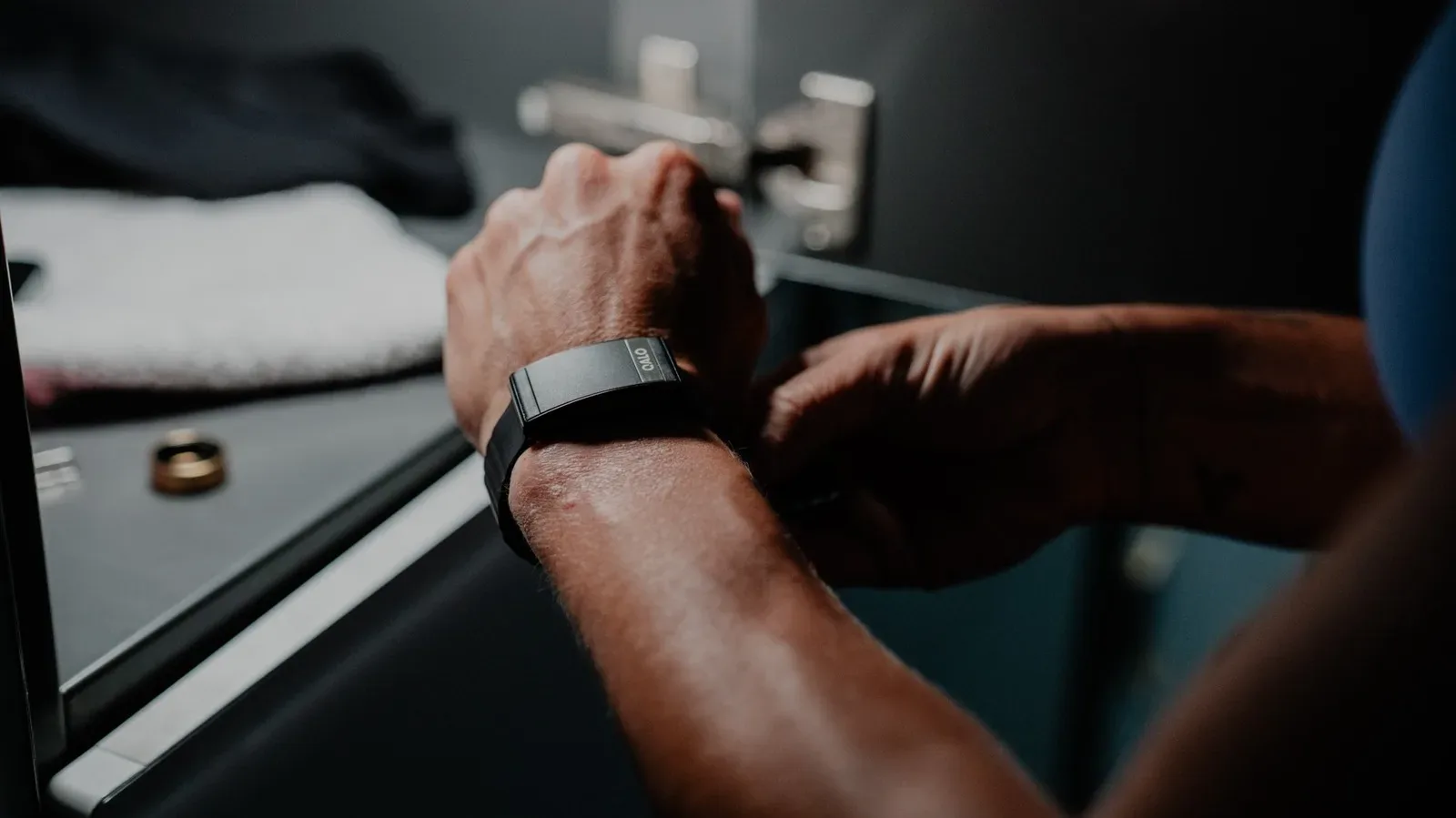
It also means a shopper may encounter several listings that are functionally the same item. Camera examples include the Ordro UHD-M5, AgfaPhoto Realimove MC3X and Minolta Showtime MN5KG100, which have appeared with identical listing images. In the smart-ring market, Fittr, Qalo and Insix rings appear traceable to J-Style’s X1 design. The Reebok/F50 smart ring sold by The Original Fit Factory also resembles J-Style’s X6.
None of those similarities alone lets a buyer declare every product a bad purchase. What they do establish is that a product name may tell you far less about the hardware than its marketing suggests. If the same device is on sale under multiple badges, comparisons should extend beyond the badge: check price, return terms, warranty details, app requirements and whether the seller actually provides product information that goes beyond a repackaged specification sheet.
A practical checklist for spotting possible white-label hardware
The quickest way to make a better decision is to investigate a listing rather than taking its headline claims as a complete story. These signals work best as a group. One clue is not a conviction; five matching clues are a reason to slow down before checkout.
1. Search for the product, not just the brand
Look up the exact model name, then try a broader search using visible details: screen size, sensor claims, number of sport modes, app name, shape and included accessories. Check independent reviews as well as discussions from actual owners. Be wary when the only praise available is on the seller’s own product page.
Independent scrutiny matters because a polished product page is marketing, not evaluation. A lack of outside coverage does not prove a gadget is defective. It does mean that buyers have less evidence about accuracy, durability, usability and support when something goes wrong.
2. Inspect listing images like they are a spot-the-difference game
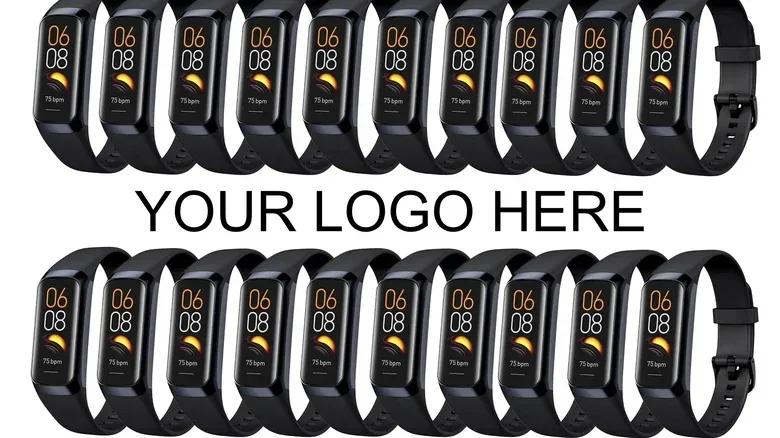
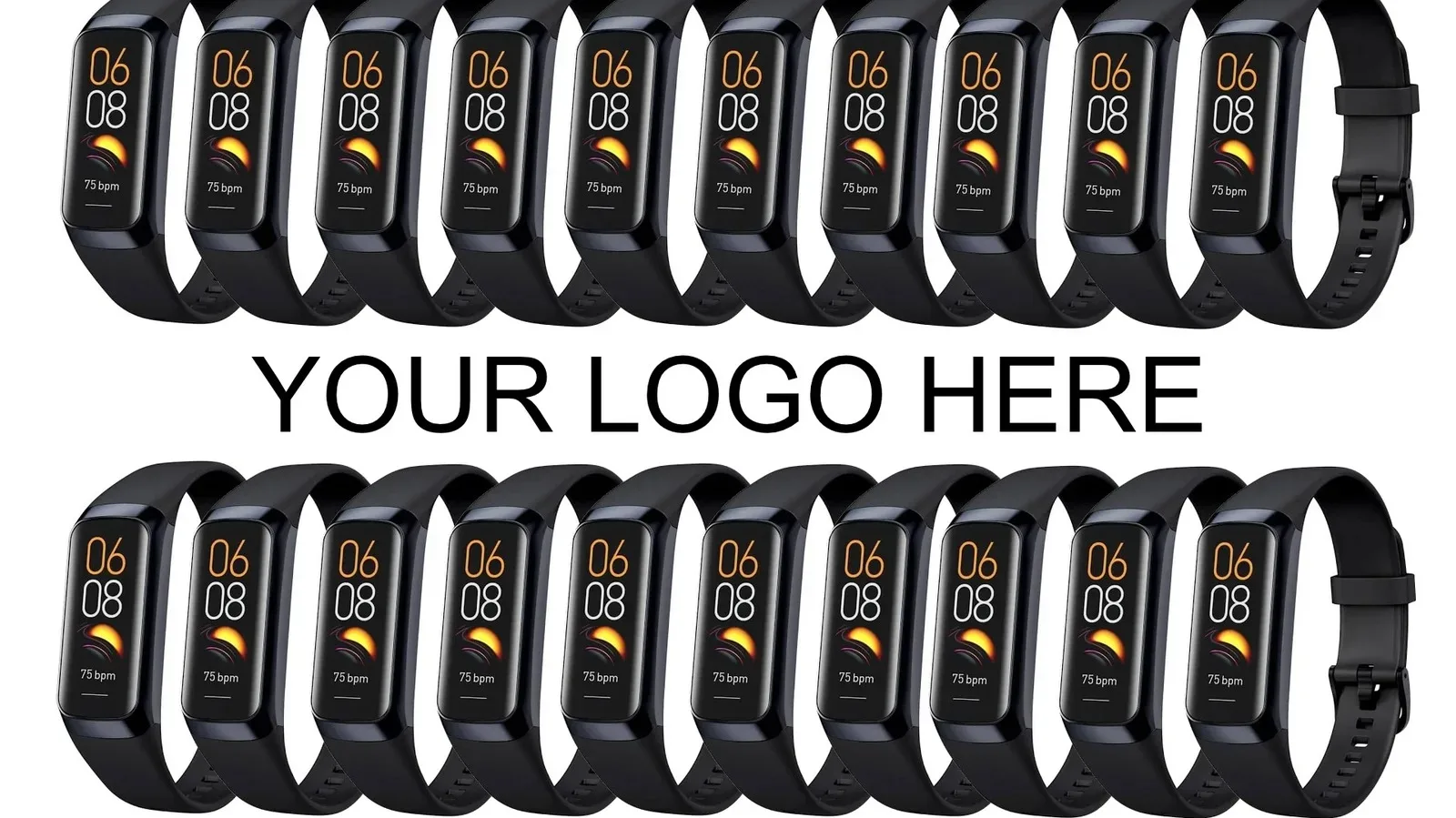
Repeated imagery is one of the clearest signals. ODMs often provide a standard bundle of promotional renders and photos to the brands that buy their products. When several sellers use the same hand pose, same background, same feature graphic or same product render—with only a logo, watch face or color detail changed—the listings may originate from the same base hardware.
That is particularly common in marketplace searches. Several low-cost fitness trackers sold under YJYK, Nhemeylp, Spurkey, Moremore and Flywin branding use the same promotional image, with minor watch-face variations. A shared image does not necessarily tell us who made every component, but it is a strong prompt to compare the products more closely.
3. Compare the specification lists word for word
Similar categories often have similar specifications. That alone is normal. But identical screen size, identical feature count, identical sensor language and identically ordered bullet points across supposedly unrelated brands are more revealing.
The fitness trackers above are described with a 1.1-inch AMOLED touchscreen, 25 sport modes and the same sensor functions. Technical terms can sound impressively specific, but specifications need context. AMOLED describes a type of display in which individual pixels emit their own light. It tells a buyer something about the screen technology, but it does not by itself establish that the tracking, battery performance, app or construction is good. Likewise, a long sports-mode count does not explain how useful or accurate those modes are.
In other words: specs are ingredients, not a finished review.
4. Check the companion app before buying
Shared software is often an even more useful clue than shared hardware. In the tracker examples, the various products use the Keep Health companion app. If several brands lead to the same app, that suggests that their experience after purchase may be much closer than their packaging makes it appear.
For wearables, the app is not a trivial extra. It can be central to setup, settings, health or activity data and day-to-day use. If two devices use the same app and list the same functions, the buyer should ask what meaningful difference remains. It could be price. It could be return policy. It could be support. Or it could simply be the logo.
5. Consider whether the brand belongs in this category
A company entering a new product field is not automatically suspicious. Businesses can expand, collaborate and license their names. Still, an abrupt jump from a company’s usual line of work into smart glasses, rings or watches deserves a few extra questions. Does the company explain the product’s development? Does it name the team, technology or partner behind it? Is there detailed information beyond broad feature claims?
Reebok illustrates why a well-known logo cannot answer those questions by itself. Its name appears on exercise equipment through RFE International, eyewear through Mondottica, a smart ring through The Original Fit Factory, smart glasses through Lucyd and a smartwatch through CE Brands/Vitalist. The Reebok label may communicate a recognizable identity, but it does not mean every product comes from the same designer, manufacturer or support operation.
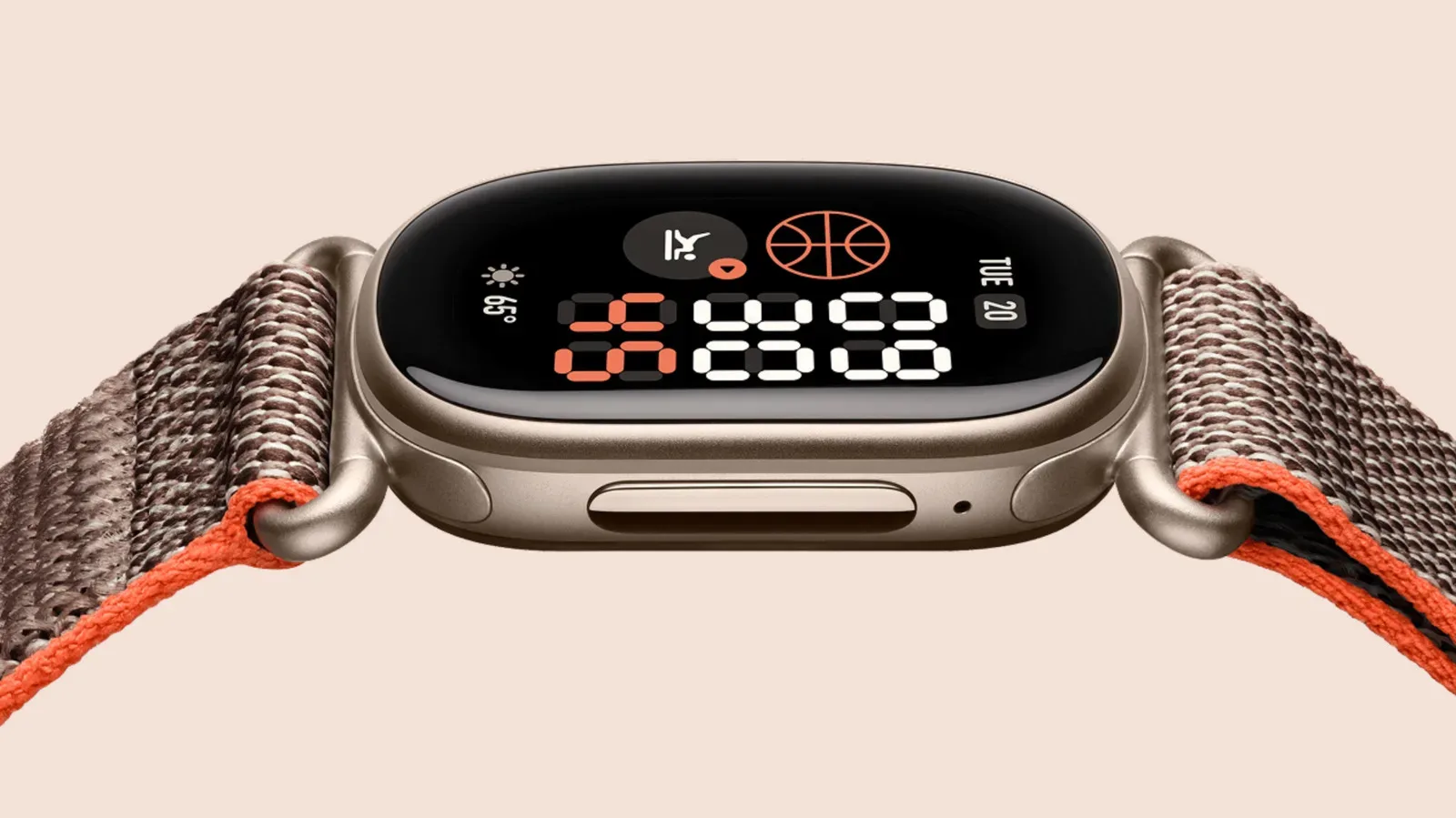
Motorola is another reminder that brand history and current product responsibility can diverge. Now Lenovo’s mobile brand, Motorola stopped making its own wearables nearly a decade ago; its subsequent watches have been made by licensees. The name can be familiar while the organization behind a particular product is someone else.
Watch for the “zombie brand” effect
Some names carry recognition long after the original business or product operation has changed. These are sometimes called zombie brands: older trademarks acquired cheaply, including through bankruptcy sales, then licensed or used on new products. The label can trigger nostalgia or imply a legacy of expertise that does not necessarily transfer to the company currently selling the item.
Kodak is a prominent example of a name that has been distributed across many companies and product categories. That does not mean every Kodak-branded product should be dismissed. It means the buyer should identify who is actually responsible for the particular product in front of them. Brand familiarity should start research, not end it.
What to do when you find the same gadget everywhere
Finding apparent duplicates can be useful rather than discouraging. If listings share their images, specifications and app, compare the practical terms of the offer. Which seller has the clearest return process? Which gives the most detailed information? Which price reflects what appears to be the same device? A buyer might reasonably choose the cheapest option if the evidence suggests the hardware and software are identical.
However, do not assume that a lookalike is guaranteed to be identical internally. Product listings can be incomplete, and minor revisions can exist. Treat the evidence as a reason to investigate and to calibrate expectations, not as a license to make unsupported claims about every device in the group.
- Search outside the retailer page: seek independent reviews and owner discussions.
- Compare images and model details: identical promotional material is a valuable clue.
- Check the app: shared companion software can reveal a shared platform.
- Identify the responsible company: especially when a familiar brand is on an unusual product.
- Read the return and support terms: they may be the real difference between two near-identical listings.
- Set expectations from evidence: a low price can be a deal, but it is not a substitute for useful information.
The broader lesson: buy the product, not the costume
White-label products are not inherently trickery, and a recognizable brand is not inherently a guarantee. The sensible middle ground is to judge the complete purchase: hardware, software, stated support, independent feedback and price. That approach is especially important for gadgets that gather personal data or rely on a companion app, such as smart rings and fitness trackers.
It is also a useful consumer habit beyond wearables. Familiarity can make any branded piece of technology feel safer than it has earned the right to feel. The same kind of careful hardware scrutiny helps in adjacent enthusiast debates, including the value placed on physical console access in Sony’s committed PS5 disc audience.
Ultimately, the best defense is pleasantly unglamorous: search, compare, read beyond the sales copy and look for the business responsible for the item after the logo has done its job. A white-label gadget may still be worth buying. But it should be worth buying because you understand the deal—not because a box has successfully put on a convincing costume.