
Wireless earbuds have become a catch-all category, but the designs sold under that label do not aim for the same result. A pair built to keep a runner fully aware of the street makes a different compromise from a pair intended to shut out a plane cabin. Comfort, stability, hygiene and environmental awareness all matter. But for listeners whose first priority is audio fidelity—the ability to hear music, dialogue and small details with as little outside interference as possible—the most promising starting point is clear: a properly fitted in-ear design, ideally with active noise cancellation.
That recommendation is not really about a badge, a brand or a single specification. It is about the physical relationship between the earbud and the ear. The strongest wireless-earbud sound starts with a seal. If an earbud sits in the ear canal and its tip fits closely, it can reduce the amount of environmental sound reaching the listener while also supporting bass response and perceived loudness. Those advantages give the audio itself a better chance to come through.
There is an important caveat, especially for gaming, commuting and exercise: the best-sounding format is not automatically the best format for every situation. An earbud that deliberately leaves the ear open can be a sensible safety decision outdoors. The question is not whether open-ear and bone-conduction products are “bad.” It is whether the listener wants maximum fidelity or needs to remain directly connected to what is happening around them.
Why in-ear earbuds have the clearest route to fuller sound
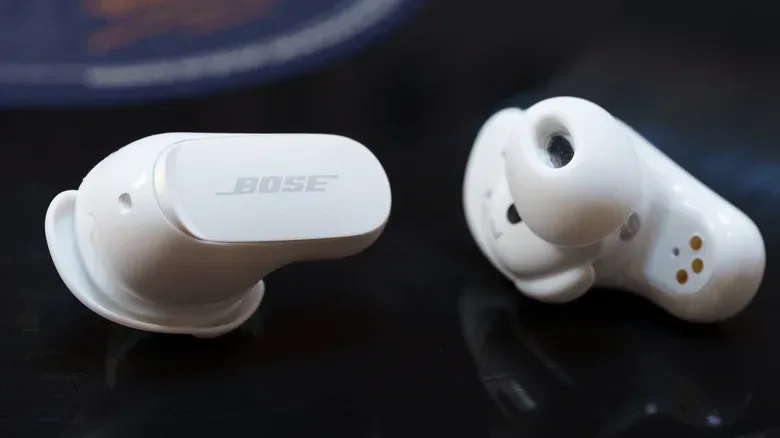
In-ear earbuds are also called in-canal earbuds. Their tips sit in the ear canal rather than resting outside it. That placement gives them a major acoustic advantage over open-ear designs: passive noise cancellation, more accurately described as passive noise isolation.
Passive isolation does not use electronics. It comes from the earbud and its tip physically obstructing some sound from the outside world. It will not make a listener completely oblivious to their surroundings, because some sound can still enter, but reducing ambient sound is valuable for playback. When traffic, ventilation, conversations or engine noise are competing with a song, film or game, subtle parts of the mix are easier to miss. Better isolation reduces that competition.
The in-ear position can also make each earbud’s output seem more immediate. The driver—the component in an earbud that produces sound—is delivering audio close to the ear canal. That can improve perceived volume and help quieter musical or cinematic elements remain audible without outside noise doing as much of the masking.
Bass is the other obvious beneficiary. Low-frequency sound is particularly vulnerable when the fit is loose. A sealed in-ear space better retains those frequencies, whereas a more open design gives up much of that reinforcement. The result is not merely more thump for music: bass also supplies weight to effects, impact to game action and presence to voices and soundtracks. A wireless earbud can have impressive hardware on paper, but a poor fit can undercut the effect before any equalizer setting gets a chance to help.
This is why form factor should be considered before chasing feature lists. A design that cannot establish a stable seal begins with a limitation that software cannot completely reverse. Listeners can raise the volume, but that does not restore the isolation or low-end response lost through an ill-fitting earbud. It may simply raise both the wanted audio and the unwanted background noise.
Eartips are part of the audio system, not an afterthought
For a sound-first purchase, foam and silicone eartips deserve as much attention as the earbuds themselves. Both can improve passive isolation and bass response when they fit tightly. By helping to trap frequencies in the enclosed space created by the earbud and ear canal, a good tip helps preserve the pressure conditions that support fuller bass.
The operative word is fit. A tip must create a close seal without becoming painful. If it is too small, it may leak sound. If it is too large or uncomfortable, the listener may stop wearing the earbuds before enjoying their technical strengths. Fit is personal; there is no universal tip size or material that will work perfectly for everyone.
Foam tips are the sound-quality-favored option in this comparison. They can offer especially strong isolation, which in turn benefits bass and reduces interference from the environment. Yet that advantage comes with a practical concern for active users: foam is harder to clean, making it a less hygienic choice for workouts. That does not make foam unsuitable across the board; it means a buyer should account for how and where the earbuds will be used instead of treating audio quality as the only criterion.
Silicone tips remain a relevant option for listeners who want an in-ear seal while considering everyday cleaning and repeated exercise use. The bigger lesson is that the bundled tips are not necessarily the end of the conversation. If the supplied options do not seal effectively, third-party tips may be available. An upgrade in tip fit can matter more than a buyer expecting a simple accessory swap might assume.
A simple fit checklist
- Look for a stable seal: The sound should not noticeably lose body or bass when the earbuds settle slightly during normal movement.
- Prioritize comfort alongside isolation: A painful seal is not a practical long-session solution.
- Match material to use: Foam may better serve a sound-focused listening session, while its cleaning difficulty is a consideration for sweaty workouts.
- Do not assume bundled tips are final: If none create a close fit, compatible third-party tips can be worth considering.
For players who use earbuds for lengthy sessions, comfort is more than a lifestyle extra. An unstable or irritating fit can break immersion just as surely as a noisy room can. The most detailed game audio mix cannot land as intended if one earbud keeps shifting and opening a gap in the seal.
Secure retention protects the seal
Earbuds do not have to use an external clip to sound good. But they do need to stay in place. A loose bud can break the acoustic seal even when it has excellent foam or silicone tips. Once that happens, passive isolation is weakened and bass response can suffer. In other words, retention is part of the sound equation.
The right level of security depends on activity. For seated listening, work or a relaxed game session, a conventional in-ear fit may be enough. For sprinting or exercises involving frequent motion, an earbud design that locks in more securely can make the difference between consistent audio and constantly readjusting a bud. External clips may help in these cases, provided they do not create discomfort.
It is useful to distinguish “secure” from “tight at all costs.” Earbuds should remain in position without hurting the listener. Excess pressure is not a quality feature. The desired result is a fit that is dependable enough to preserve the seal but comfortable enough to be worn for the intended session.
ANC adds an electronic layer of isolation
Passive isolation is only one part of the sound-first formula. Active noise cancellation, commonly shortened to ANC, adds an electronic approach. ANC creates “anti-noise” intended to partly or completely neutralize outside sound. In practical terms, it can help reduce distractions such as aircraft engine noise or nearby conversations.
This matters because fidelity is not just a matter of an earbud’s raw output. It is also about what the listener is able to perceive. If the outside world is loud enough, delicate background instruments, soft dialogue and environmental game effects can vanish beneath it. ANC can make those details easier to hear without relying solely on increasing volume.
In-ear earbuds with both a strong physical seal and ANC therefore combine two different tools. The seal passively limits some external noise; ANC works electronically against ambient sound. Neither component should be viewed as a substitute for the other. A poor fit compromises the foundation, while relying on passive isolation alone can leave the listener less protected from persistent environmental distractions.
For this reason, the default recommendation for listeners choosing primarily on sound quality is an in-ear model with effective eartips, stable retention and ANC. It is the configuration most directly aligned with bass response, isolation and the perception of detail.
That does not mean every listener must shut off the world at all times. Many in-ear ANC products offer a transparency mode, which lets outside sound through so users can better hear their surroundings. It is a useful compromise when awareness is needed temporarily. Still, it is not identical to having an open ear. Direct exposure to the environment remains the more straightforward answer where maximum situational awareness is necessary.
When open-ear designs are the better choice despite weaker fidelity
Open-ear and bone-conduction earbuds intentionally surrender major audio advantages. They offer less bass and less noise cancellation than sealed in-ear alternatives. That trade-off may be exactly what a person needs when exercising outside, particularly while running or cycling. A vehicle engine, horn, siren or someone shouting a warning can matter more than the lowest note in a soundtrack.
Situational awareness is the ability to notice relevant activity in one’s environment. In this context, it means that an earbud is not simply an entertainment device: its design can affect how much of the surrounding world a wearer hears. Someone who needs that awareness should not buy a sealed, noise-cancelling format solely because it wins on audio fidelity.
Open-ear designs make the trade explicit. They keep the ear open, allowing ambience to mix naturally with playback. For outdoor activity, that direct exposure can be preferable to any simulated alternative. Transparency modes on sealed earbuds can be helpful, but they are still a mode designed to compensate for an earbud that otherwise blocks the canal.
The gaming parallel is simple. At home, in a relatively quiet space, the in-ear ANC route has the strongest case for cinematic single-player audio, nuanced music and clear dialogue. On a walk, run or ride where safety depends on noticing real-world cues, a less isolated design can be the more responsible tool. The “best” option changes because the task has changed.
What bone conduction changes—and what it does not
Bone-conduction earbuds take a different path from conventional air-based earbud drivers. They can deliver many frequencies directly to the inner ear, allowing those frequencies to remain clear even as environmental sound is present. This is a useful characteristic for listeners who want playback without closing themselves off from ambient noise.
They can also work in some conditions where other designs are not suitable, including underwater. But their central compromise remains significant for sound-first buyers: bone-conduction designs give up substantial bass output and noise cancellation compared with in-ear options.
Some products attempt to improve bass by combining bone conduction with air-based drivers. That move changes the proposition. The ability to operate in environments such as underwater does not carry over in the same way when air-based drivers enter the design. Buyers should therefore avoid treating every product marketed around bone conduction as identical. The addition of an air driver may pursue fuller bass, but it can also alter the conditions in which the device is usable.
The useful framing is not to rank bone conduction as universally inferior. It solves a different problem: maintaining environmental connection while still delivering audio. When that is the job, its compromises can be worth making. When the job is hearing the fullest bass and minimizing distractions, it is not the leading choice.
A buying decision based on where the earbuds will be used
For a sound-led purchase, begin with the physical basics rather than marketing language. Choose in-ear earbuds. Look for silicone or foam eartips that make a close, comfortable seal. Make sure the buds remain secure during the movement you expect to do. Then seek active noise cancellation to add another layer of protection from outside sound.
- Mostly indoor listening, commuting or immersive games: Favor sealed in-ear earbuds with ANC.
- Need stronger bass and clearer fine detail: Treat a reliable ear-tip seal as essential, not optional.
- Frequent running, cycling or outdoor activity where awareness matters: Consider open-ear or bone-conduction designs, accepting the loss in bass and isolation.
- Want one in-ear pair for mixed situations: Transparency mode can help, while recognizing that it does not fully replace an open-ear design.
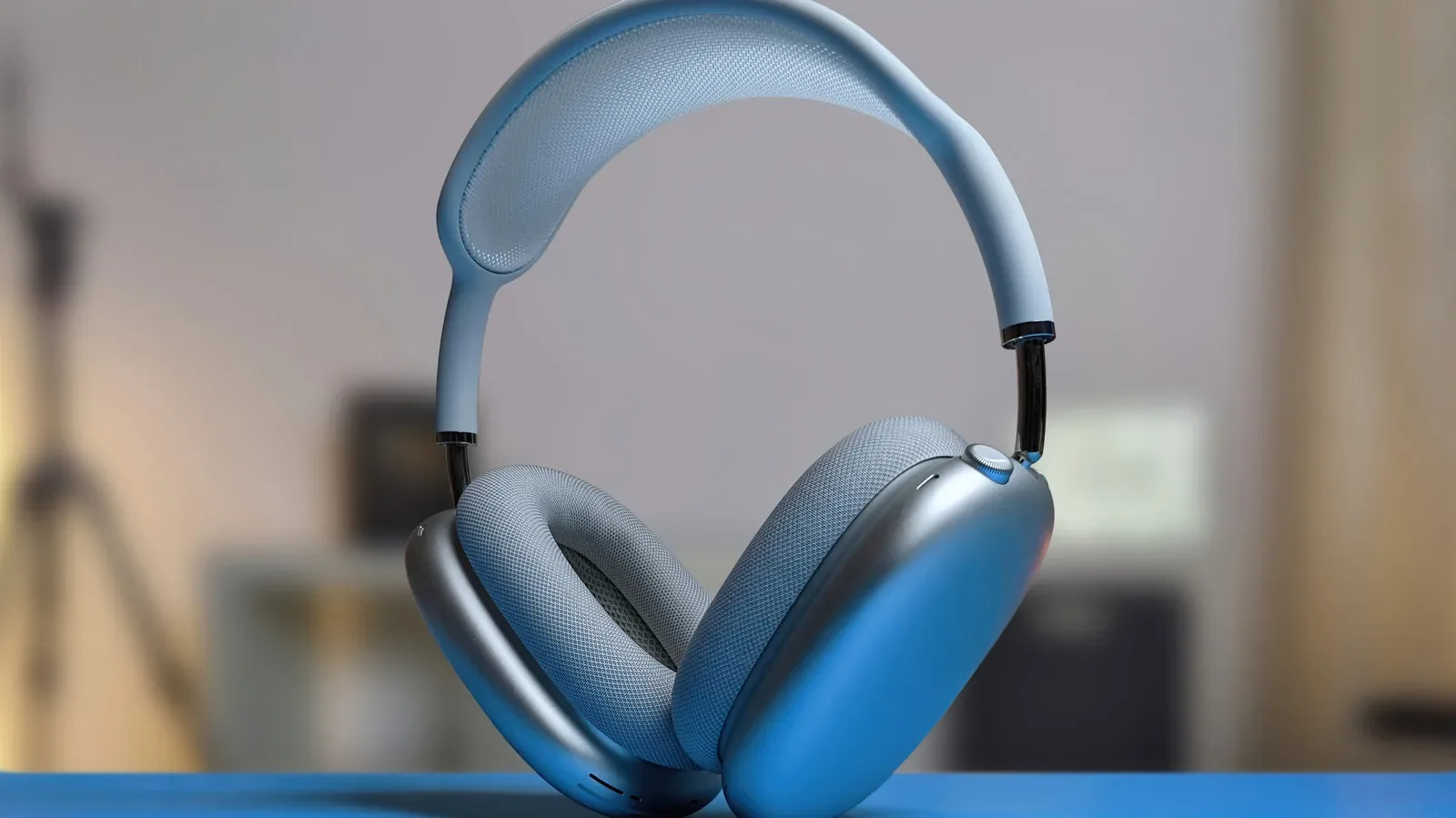
There is no way to fully recover the fidelity sacrificed by selecting an open format over a sealed in-ear one. That is why listeners uncertain of their priorities should generally start with in-ear ANC earbuds. For more perspective on audio hardware trade-offs beyond earbuds, see this look at premium sound and practical compromises in AirPods Max.
The final answer is reassuringly uncomplicated. The wireless-earbud design most geared toward sound quality is a secure, comfortable in-ear model with well-fitted foam or silicone tips and ANC. Open-ear and bone-conduction alternatives are not failures of audio design; they are purpose-built compromises for awareness and particular environments. Pick the former when the recording, game mix or movie is the priority. Pick the latter when hearing the world around you matters more.