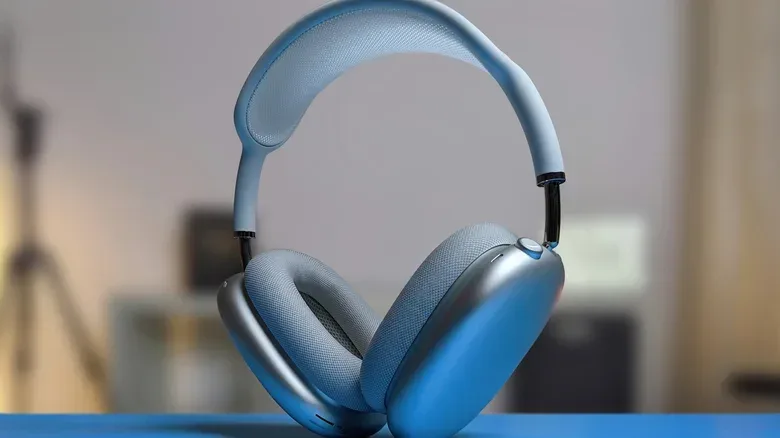
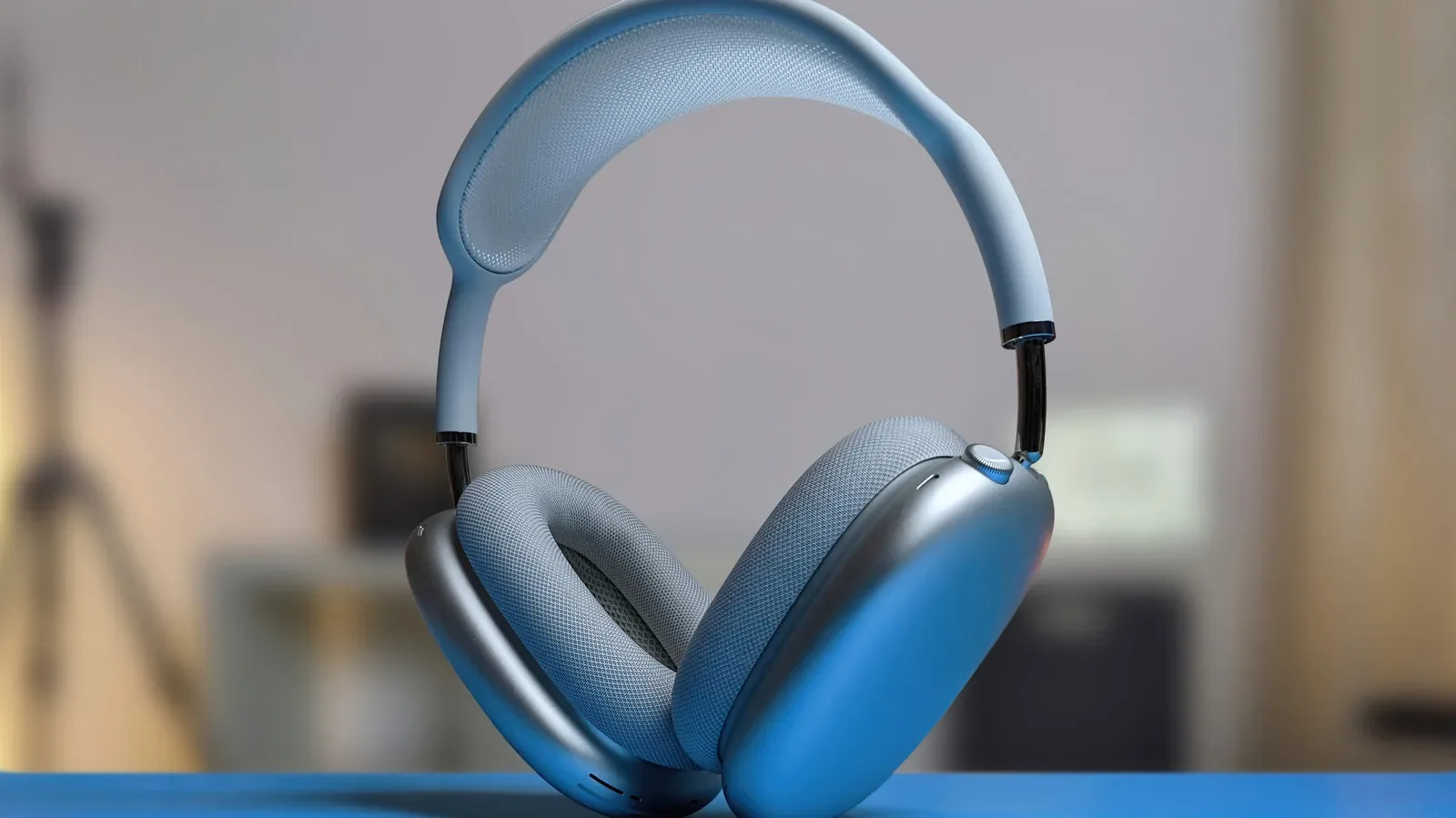
Apple’s AirPods Max make an unusually clear case for separating “premium” from “uncompromising.” They are built from aluminum and steel, deliver very good audio quality, and their recent update adds improved active noise cancellation alongside the H2 chip. For an iPhone owner who values Apple-centric conveniences, the package includes Adaptive Audio, Conversation Awareness and Live Translation.
Those are meaningful benefits, not decorative bullet points. Yet the AirPods Max also ask buyers to accept a list of limitations that feels particularly conspicuous at $549. The headphones are heavy, their supplied Smart Case offers limited protection, they do not fold into a smaller travel shape, and repair choices are narrow and potentially expensive. There are also longer-running concerns around headband wear and condensation in the ear cups. None of these points means the headphones sound bad; the evidence points in the opposite direction. The question is whether the overall ownership experience matches the price.
For players who use headphones as much for long gaming sessions, travel, chat, films and music as for a quick commute, those trade-offs matter more than a spec-sheet glance suggests. This is a product whose strengths are real, but whose friction points can show up repeatedly.
Great sound and Apple features are the central appeal
AirPods Max are not difficult to understand from an ecosystem perspective. Features such as Adaptive Audio, Conversation Awareness and Live Translation make the most sense for people already using an iPhone and who want their headphones to participate in that wider device experience.
In plain terms, Adaptive Audio is intended to adjust the listening experience to surrounding conditions. Conversation Awareness is designed around recognizing when the wearer starts speaking. Live Translation is the most overtly practical of the group for supported real-time language use. These capabilities do not automatically make a headphone better for every listener, but they can reduce small interruptions in everyday use. For someone already invested in Apple hardware, that convenience can be a decisive part of the value calculation.
The recent update’s improved ANC, or active noise cancellation, is also important. ANC uses microphones and processing to counter external noise. It is distinct from the passive isolation created by the physical seal of ear pads around the ears. Better ANC can be useful on flights, in shared spaces or during noisy gaming setups, because it can make lower-level details easier to hear without simply forcing the listener to raise the volume.
There is no claim here that AirPods Max lack audio quality. Quite the reverse: they are described as sounding great. That is why the criticism around the product is more pointed than it would be for an inexpensive pair with obvious cut corners. The concerns are not about Apple failing to make a capable premium headphone. They are about whether a capable premium headphone should still demand so many accommodations from its owner.
The 386g design is a practical issue, not a trivia stat
AirPods Max weigh 386 grams, or 13.6 ounces. The aluminum-and-steel construction contributes to the upscale feel, but it also contributes to that figure. For comparison, the mostly plastic Beats 360 are listed at 294 grams, or 10.4 ounces. The difference is 92 grams.
Related coverage includes AirPods Max Offer Premium Sound but Costly Compromises.
Weight alone does not predict comfort for every person. Fit, head shape, clamping force and padding all affect how a headset feels. Still, the difference is substantial enough to deserve attention, especially when use lasts longer than an hour. A headphone that initially feels solid and luxurious can become more noticeable over a long flight or an extended play session simply because it is resting on the head for so long.
This is the first major decision a prospective buyer should make honestly: is the appeal of metal construction worth the likelihood of greater physical presence? Some people will answer yes. Others may prefer lighter materials when the device is meant to disappear during use. Plastic is not automatically inferior if it helps make a headset easier to wear for long stretches.
For gaming, comfort has an extra layer. Sessions are often longer than a music listen, and players may combine game audio with voice communication, streaming or video viewing. The source material does not establish platform-specific gaming performance for AirPods Max, so it would be wrong to promise that here. But it does establish the broader comfort concern: extended wear is exactly where the 386g build can become hard to ignore.
The Smart Case solves sleep mode, not safe transport
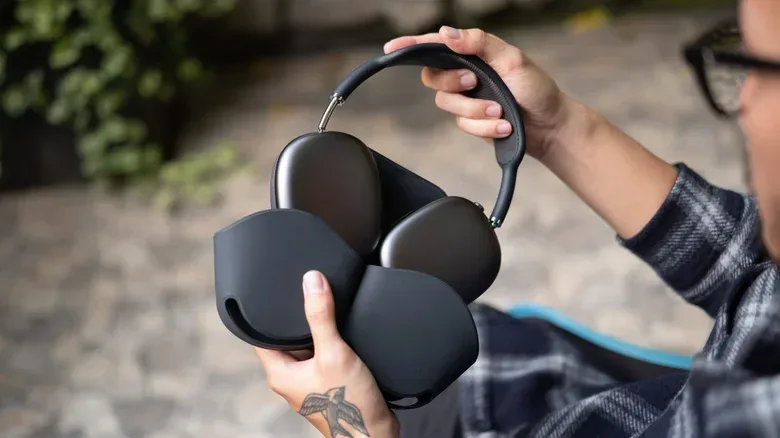
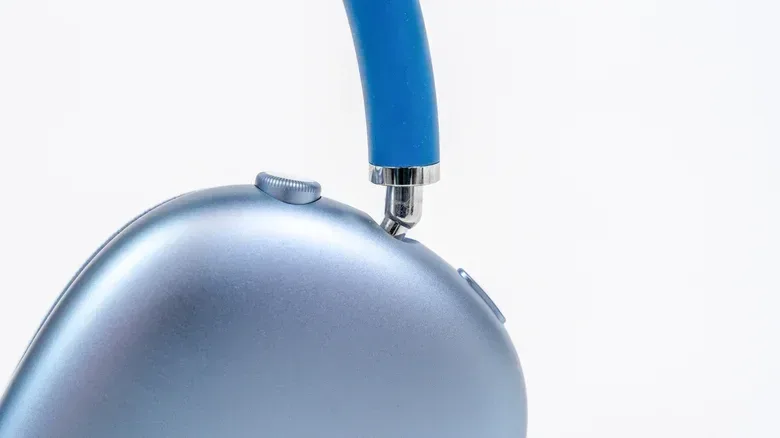
The AirPods Max approach to storage is one of their most unusual design choices. There is no power button. Instead, the headphones use the included Smart Case and its magnets to recognize when they have been stored and should enter sleep mode.
That is a specific functional role, but it is not the same as a conventional protective case. The headband remains exposed, the ear cups are not completely covered, and the headphones do not fold. Their ear cups rotate flat, which helps somewhat, but the overall shape still takes up substantial bag space. Put them in a backpack beside sharp objects or loose accessories and the exposed portions have less protection than buyers commonly expect from a travel case.
The distinction is worth emphasizing because “case included” can suggest security that the Smart Case does not fully provide. A case should ideally address two separate needs: safely turning a device off or putting it to sleep, and shielding it from bumps, abrasion and pressure during transport. Here, sleep behavior is handled through magnets, while robust physical protection is not.
Third-party cases can include the magnets needed to trigger sleep mode, offering an alternative that may better suit travel. But that remedy means spending beyond the $549 asking price to address a basic ownership concern. It also complicates the premium proposition. A buyer should not have to choose between using the supplied sleep method and carrying a case that feels more protective.
Reported headband peeling adds another reason to treat transport and handling seriously. The newer AirPods Max retain the same overall design as the original model, so there is little basis for assuming that design-related wear concerns have been fundamentally removed. That is not proof that every headband will peel, but it is a sensible risk to weigh before spending at this level.
Condensation deserves caution, even without a legal verdict
Another concern involves condensation inside the ear cups. A 2025 lawsuit alleged that moisture could reduce sound quality and eventually interfere with ear-detection behavior. The case was later dismissed by a judge. A dismissal should not be presented as confirmation of the allegation, and the allegation itself is not proof that every owner will encounter a failure.
At the same time, the concern cannot simply be treated as nonexistent. It has persisted in discussion around the product, and there were reportedly no visible changes to the internal seals in the newer AirPods Max design. Apple’s position is that moisture is easy to spot and clean because the ear cups can be removed.
That last detail is useful. Removable ear cups give an owner a straightforward way to inspect the area and make cleaning easier than it would be on a fully sealed design. But ease of inspection is not the same as a guarantee that moisture will never become a problem. Buyers who regularly use over-ear headphones for long sessions, travel, or warm environments may reasonably view the issue as a factor in durability planning.
The careful reading is therefore neither alarm nor dismissal: the lawsuit did not stand, but the underlying condensation concern remains relevant enough to consider, particularly because these are expensive headphones intended to be kept for years.
Repairability turns a premium purchase into a replacement question
Perhaps the most consequential downside is repair. AirPods Max are not described as impossible to repair in the way smaller AirPods can be, but they are difficult to disassemble. Specialized tools and the removal of numerous adhesive strips are required.
Apple offers battery replacement for $79. For other hardware failures, the reported route is replacement with a new pair at a typical cost of around $300, rather than a component-level repair. That distinction has real financial consequences. A battery is a predictable consumable in wireless headphones, while a fault involving another part can push the owner toward a much larger outlay.
The ear pads are a welcome exception. They snap on and off, allowing users to replace them without a teardown. Apple’s pair costs $69, while third-party alternatives may cost less. Replaceable pads matter for cleanliness, comfort and restoring the seal that helps with passive noise isolation. Still, user-replaceable pads do not solve the broader repairability limitation inside the headphone.
This is also where the price comparison becomes sharpest. Around $300 is enough to buy another good pair of headphones, including the Beats 360 referenced as a comparable option in several respects. That does not establish that the Beats model is a universal replacement for AirPods Max; listeners may value sound tuning, construction and ecosystem behavior differently. It does show why buyers should think beyond the initial purchase. The cost of recovering from a non-battery hardware problem is a meaningful part of the product’s long-term value.
Lossless audio requires a USB-C cable
AirPods Max also have a limitation for listeners focused on maximum wireless audio quality. They do not support high-resolution Bluetooth codecs. A codec is the system used to encode and decode audio for transmission; codec support can affect the amount of audio data that can be carried over a wireless connection.
For lossless audio with AirPods Max, a USB-C cable is required. “Lossless” generally means the audio data is not discarded through lossy compression in the same way as conventional Bluetooth transmission. The important practical point is simple: listeners wanting that capability cannot get it wirelessly through these headphones.
Other premium headphones support codecs including LDAC and aptX HD for higher-quality Bluetooth audio. That does not erase the fact that AirPods Max sound very good, nor does every listener prioritize high-resolution wireless playback. But at $549, the absence is a legitimate feature gap for buyers who do. Anyone shopping specifically for wireless high-resolution audio should confirm their phone and preferred service support the relevant codec as well, rather than assuming the headphone feature alone guarantees the desired result.
For iPhone-first buyers, the decision remains less about a single audio specification and more about priorities. Apple’s conveniences, good sound and improved ANC may outweigh the codec limitation. For an audiophile who wants high-quality playback without attaching a cable, the compromise is much harder to justify.
Who should pause before buying
- Frequent travelers should account for the non-folding design, considerable weight and minimal protection of the supplied Smart Case.
- Long-session users should give the 386g build serious weight in the decision, particularly if comfort is more important than metal-and-steel materials.
- Durability-minded buyers should consider the reported headband wear, condensation discussion and limited repair path—not as guarantees of failure, but as ownership risks.
- Wireless-audio purists should note that lossless playback needs a USB-C cable and that high-resolution Bluetooth codecs are absent.
- iPhone ecosystem buyers should decide how much they value Adaptive Audio, Conversation Awareness, Live Translation and the newer ANC improvements, because those are the most persuasive reasons to accept the compromises.
AirPods Max remain a good product with genuine strengths. But the asking price leaves little room for avoidable inconveniences. The strongest buying case is for someone who specifically wants Apple’s software features and likes the sound enough to accept the heft, the case design and the uncertain long-term repair equation. Everyone else should treat the premium finish as one factor rather than the whole verdict—and should not mistake excellent sound for an automatically exceptional value.
For another look at how Apple accessories can place key conveniences behind device requirements, see Apple TV 4K’s New Siri Remote Adds Precision Finding, but Your iPhone Determines the Best Feature.