Choosing earbuds for gaming, calls, music or a commute is not simply a matter of picking the model with the biggest bass claim. The basic physical design matters: in-ear earbuds seal the ear canal, while open-ear models sit around or against the outer ear without plugging it. That difference affects comfort, awareness, cleaning needs, sound isolation and the character of the audio itself.
Neither category is automatically “bad” for ears. In-ear earbuds can be a sensible choice for shorter, focused listening when they are kept clean and used at safe volume. Open-ear products avoid several issues associated with having an ear tip inside the canal, making them particularly appealing for long casual listening and active outdoor use. But the trade-off is substantial: open designs generally cannot match the immersion, bass response and noise cancellation offered by a well-fitting in-ear pair.
For players, the decision is often practical rather than ideological. An in-ear set may make dialogue, game effects and voice chat easier to hear in a noisy room. An open-ear set may be the more comfortable option for a long day at a desk, or for a run where hearing what is happening nearby matters. The important part is understanding what each design is doing—and what it is asking the listener to give up.
The physical difference: sealing the canal versus leaving it open
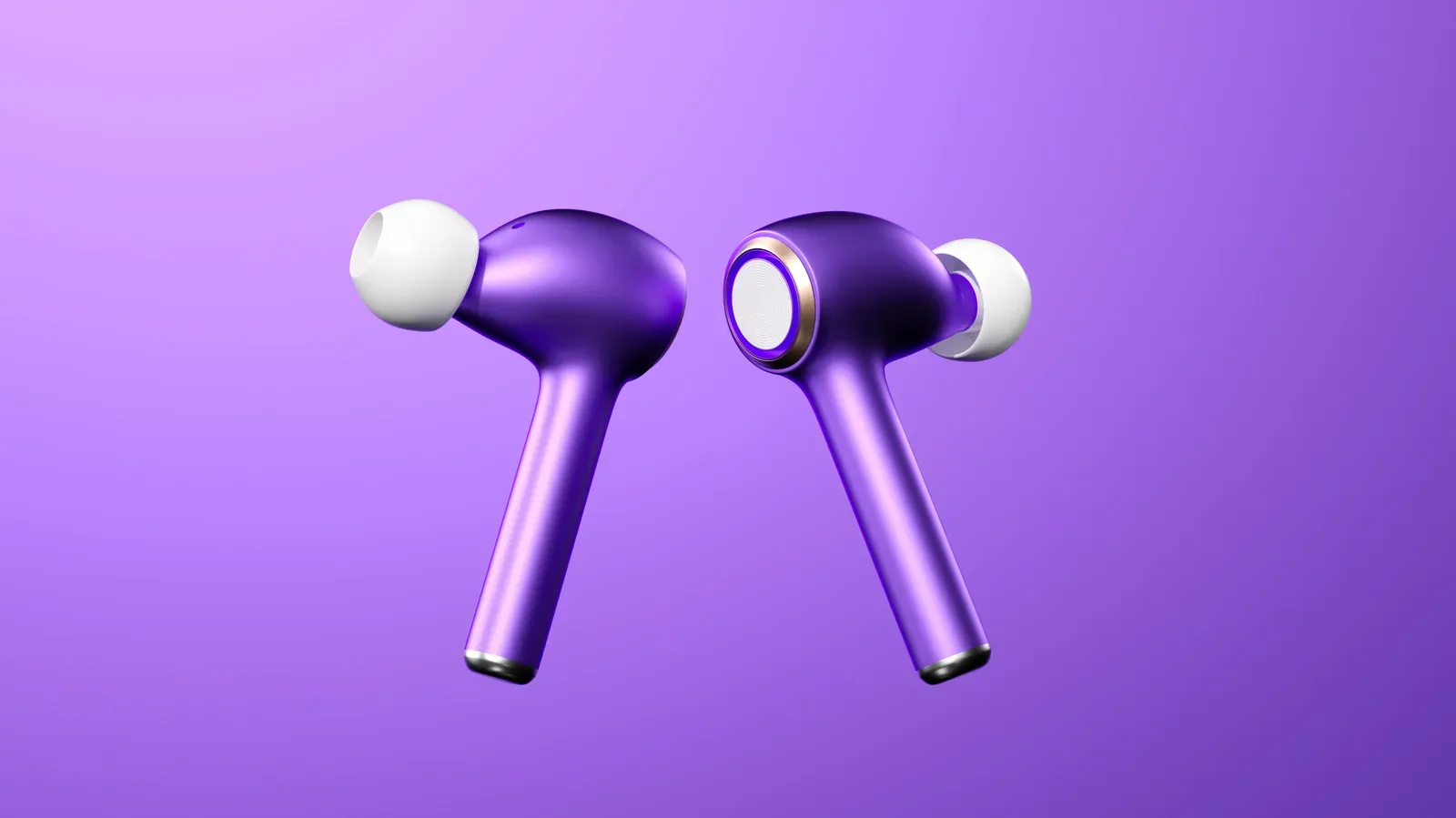
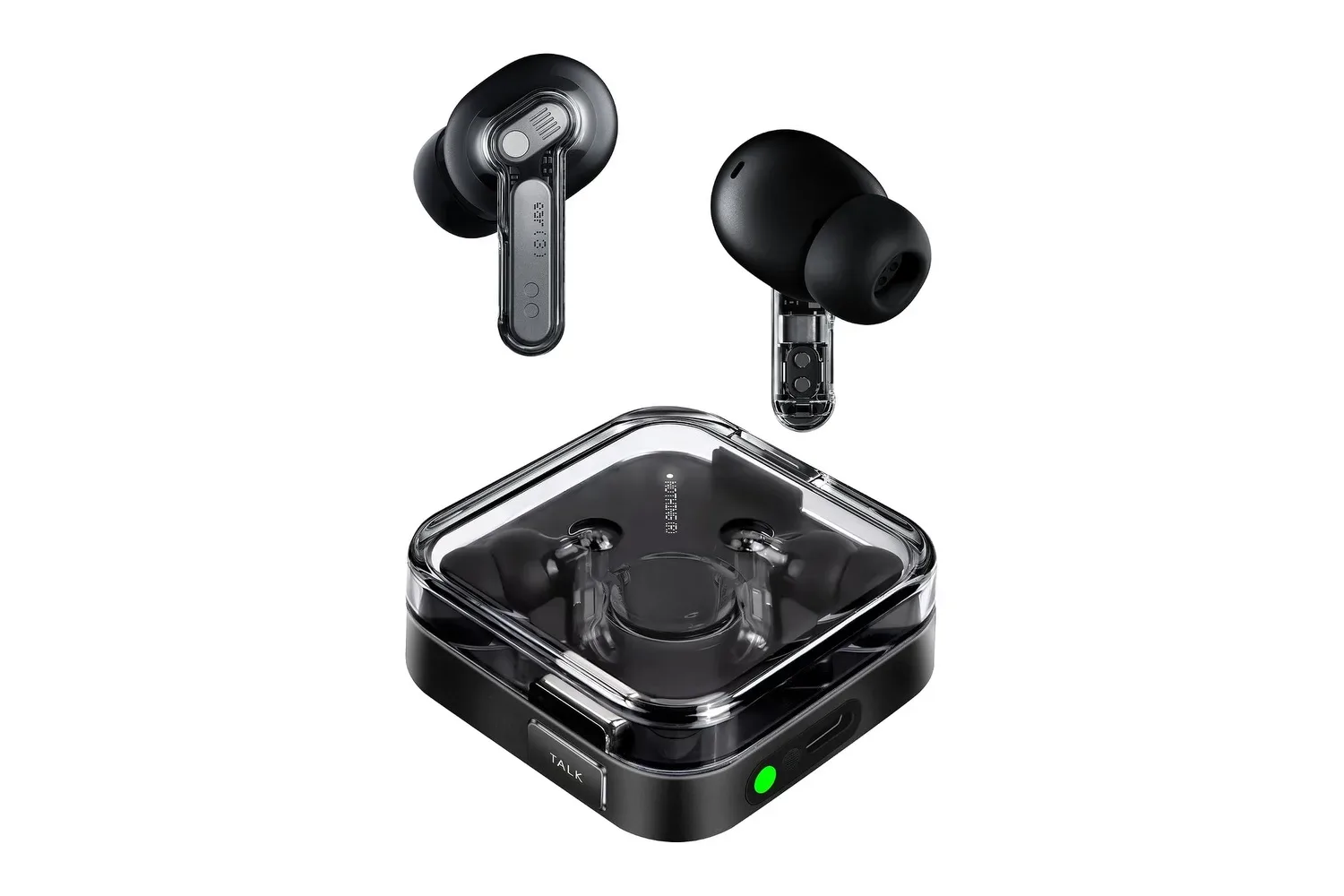
In-ear earbuds sit inside the ear canal in a manner comparable to an earplug. Their tips create a seal that directs audio more directly toward the ear. This is central to their appeal: the listener gets concentrated sound, while some outside noise is physically reduced before any electronic processing begins.
That seal also explains their potential comfort drawbacks. Wearing something inside the ear for long stretches can create a feeling of pressure and eventually contribute to ear fatigue. Fit is personal, too. A listener with sensitive skin, eczema or an ear shape that does not agree with a particular tip may experience irritation or discomfort. Moisture and earwax can collect on the earbuds, adding a maintenance concern that is easy to overlook when a pair is used every day.
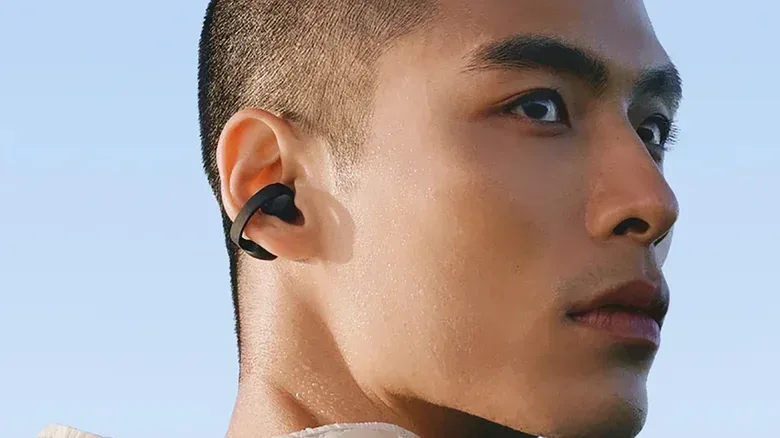
Open-ear earbuds take a different route. They can wrap around the ear, clip to the upper or lower lobe, or use a band positioned behind the neck. Bone-conduction models rest at the temple and use vibrations to transmit audio to the ears. In each case, the ear canal remains unobstructed. There is far less direct contact with the canal itself, which can make the format feel less intrusive over extended wear.
“Open ear” does not mean that every model fits every person perfectly. Clip-style products in particular may not sit well on larger lobes, and any wearable must remain stable enough for its intended activity. Still, open designs are often more secure than their appearance suggests, including during rigorous workouts, without requiring a tip to stay lodged in the ear canal.
Why in-ear earbuds usually sound more immersive
An in-ear seal does more than hold an earbud in place. It limits the amount of ambient sound entering the ear and focuses the earbud’s audio. The result is typically stronger bass and a richer, more immersive presentation for music, alongside clearer audio for calls. For gaming, that concentrated delivery can help a player follow dialogue or hear fine details without competing as much with nearby conversation, travel noise or the general hum of a busy space.
The seal also supports two distinct forms of noise reduction. Passive noise isolation is the physical effect of the ear tip blocking part of the outside world, much like a plug. Active noise cancellation, often shortened to ANC, is an electronic approach used by many in-ear models. Microphones pick up environmental sound and algorithms work to reduce it. Together, the physical seal and active processing can be particularly helpful against constant background sounds such as an aircraft cabin hum or people moving about nearby.
Open-ear earbuds generally cannot produce the same result because they do not close off the canal. Their sound is less focused, and outside sound remains audible by design. That can make their audio feel less full than an in-ear alternative, especially in loud settings. It can also tempt someone to raise the volume in order to overcome the environment. At higher volumes, sound may leak outward, meaning people nearby can hear some of what is playing.
There are limited exceptions in the open-ear category. Shokz OpenFits Pros, for example, use proprietary noise reduction. It can be effective, but it does not rival the overall noise-cancelling capability of in-ear buds. Buyers should therefore treat “noise reduction” and “noise cancellation” as meaningful distinctions rather than assume an open design will offer the same isolation as a sealed one.
Comfort and hygiene are the main open-ear advantages
The strongest case for open-ear earbuds is not maximum fidelity. It is a more relaxed, less enclosed way to listen. Because nothing plugs the ear canal, there is no comparable in-ear pressure during long sessions. This can be helpful for someone who finds conventional earbuds irritating, who struggles with a reliable ear-tip fit, or who simply does not enjoy the isolated feeling of a seal.
Hygiene is another important factor. In-ear products can pick up earwax and moisture because of where they sit. They require regular cleaning, especially if they are worn often or used during sweaty activity. Open-ear designs largely sidestep that particular issue because the canal is left alone. That does not remove the need to care for any wearable device, but it does reduce the direct interaction with earwax and moisture that comes with in-ear tips.
For that reason, open-ear products are especially compelling for everyday listening, extended wear and outdoor fitness. A runner can listen while staying more connected to surrounding sound, instead of sealing it out. Someone working at home can have background audio without feeling cut off from a doorbell, a conversation or another routine interruption.
That awareness has a gaming-adjacent use as well. Open-ear earbuds suit low-stakes sessions in a shared home, where a player wants to hear a household callout as well as a podcast, soundtrack or casual game. Their limitations become clearer when a game requires precise listening in a noisy setting or when the player wants a fully immersive single-player experience.
Awareness is a feature, but it comes with a compromise
Open-ear listening keeps ambient sound available. For outdoor running and other sweaty fitness activity, that can be the decisive benefit. Awareness of the world around the listener is not something an in-ear set can naturally provide while it is sealed in place.
Many in-ear models do offer transparency or awareness modes, allowing environmental sound through when needed. These modes give sealed earbuds more flexibility than a simple “isolated or nothing” choice. But the underlying physical design still differs: an open-ear product begins with the listener connected to the environment, while an in-ear product begins by isolating it and may then use its microphones to reintroduce outside sound.
This distinction matters when buying for a specific routine. In a loud environment, in-ear earbuds are usually the more useful option because their passive seal and possible ANC can make audio intelligible without relying solely on more volume. In a setting where awareness is desirable, open-ear earbuds offer that connection naturally. The right answer depends on whether the priority is blocking the room out or retaining a sense of it.
Volume remains important with either design
Earbud design does not make volume irrelevant. With in-ear earbuds, directing sound into the sealed canal can make it easier to hear detail without external distractions, but listening too loudly for extended periods remains a hearing concern. A tight fit does not make high volume harmless.
Open-ear products avoid filtering sound directly into a plugged ear canal, yet their weaker isolation can create a different temptation: raising the level when traffic, a gym or a busy office competes with the audio. That can also lead to sound leakage. The practical lesson is straightforward: choose the design that works in the environment, rather than forcing one type to overcome conditions it is poorly suited for.
- Use in-ears for concentrated listening: They are well suited to occasional listening, noisy travel and situations where sound quality, bass and noise cancellation are priorities.
- Keep in-ears clean: Earwax and moisture can build up on canal-sealing earbuds, so regular care is part of owning them.
- Avoid marathon sealed-ear sessions: Pressure, fatigue and irritation are reasons to take breaks or use a different design for lengthy wear.
- Use open-ear models for awareness and duration: They fit casual listening, long workdays and outdoor activity where environmental sound matters.
- Do not compensate for an open design by endlessly raising the volume: If an environment is too loud for clear open-ear listening, an in-ear option may be more appropriate.
Which earbud style makes sense for players?
For focused gaming, especially when the room is noisy, in-ear earbuds are generally the better match. Their seal provides better bass, more immersive sound and stronger separation from outside noise. Models with active noise cancellation can push that advantage further. They are also useful for calls, where crisp audio can matter as much as music or game sound.
Open-ear earbuds are the better fit when gaming is one piece of a wider day rather than a fully isolated event. They allow a listener to stay aware at home, can be more comfortable for long casual sessions, and avoid putting an ear tip inside the canal. They are also a logical choice for a player who regularly shifts from a game to errands, work or exercise and does not want to repeatedly remove earbuds to hear the world.
Anyone moving streaming libraries between devices and services may also want to consider how they actually listen day to day; our guide on moving Spotify playlists and saved songs to Apple Music can help with the service side of that routine. The hardware decision, though, still comes back to environment, duration, comfort and desired isolation.
The practical verdict: choose by situation, not by hype
In-ear earbuds are not inherently worse for ears. With limited use, safe volume and conscientious cleaning, they remain a strong option—particularly when their better sound quality and noise cancellation have a clear purpose. Their disadvantages are the possibility of pressure, irritation, ear fatigue and more direct exposure to wax and moisture around the ear tips.
Open-ear earbuds remove much of that canal-related discomfort and hygiene burden. They are typically the more comfortable route for long listening periods and the more awareness-friendly choice for outdoor exercise. Their price is reduced audio focus, more audible ambient noise, potential sound leakage and usually weaker noise reduction.
Put simply: use in-ears when you need to hear the content over the environment, and use open-ear earbuds when it is important to hear the environment alongside the content. Neither approach replaces sensible volume habits or basic device care, but matching the design to the moment makes the trade-off far easier to live with.