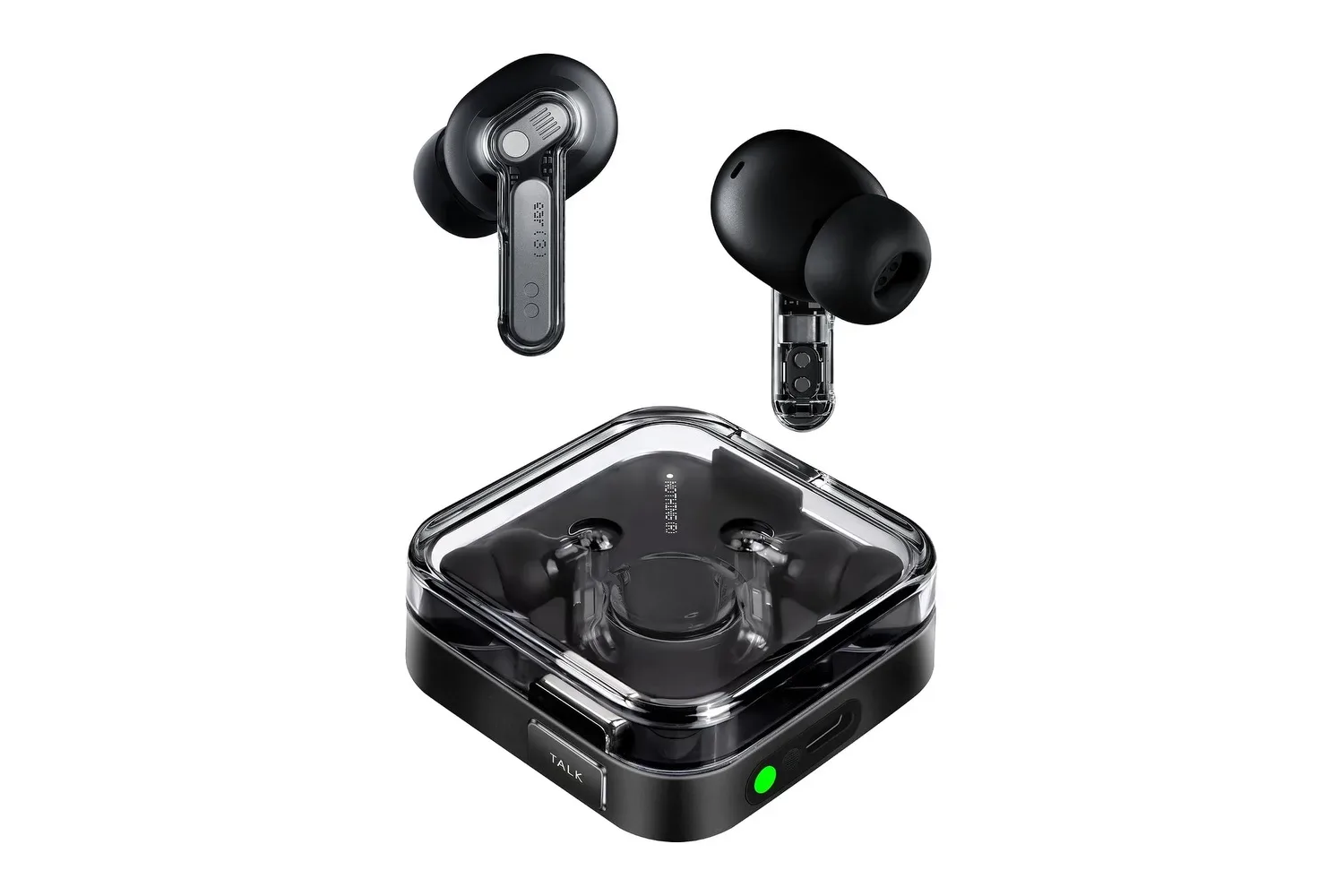
Nothing’s Ear (3) wireless earbuds are listed at $99, reduced from $149—a $50 difference, or 34%. For players looking at compact audio rather than a desk-bound headset, the important part is not simply the discount: Ear (3) combines a low-lag listening mode, adaptive noise cancellation, dual Bluetooth connections and an unusual microphone built into the charging case.
That is a broad feature list for earbuds, but it is worth separating the functions that directly affect game use from those that are chiefly about calls, commuting and everyday listening. Earbuds will not replace every gaming headset setup, particularly for people who need a boom mic positioned close to their mouth. Still, the Ear (3) specifications point to a flexible option for someone moving between a phone, a computer, videos and games.
The headline deal and the basic specification
The listed $99 price applies to Nothing Ear (3), with the stated regular price at $149. Its hardware includes 12mm dynamic drivers, Bluetooth 5.4, support for dual connections, an aluminum charging case with metal accents, and a transparent design language. The earbuds and their case have an IP54 rating, described as protection against dust and water suitable for normal workout sweat or light rain.
Battery estimates depend heavily on whether noise cancellation is enabled. Nothing lists up to 5.5 hours from the earbuds with ANC on, or up to 10 hours with it off. With the charging case included, that becomes up to 22 hours with ANC active and up to 38 hours without ANC. A 10-minute charge is said to provide as much as 10 hours of playtime when the case is used, while the case supports Qi wireless charging.
Those are manufacturer feature and battery figures, rather than a promise that every game, volume setting or listening environment will yield the same result. Noise cancellation, connection use and the material being played can all be practical considerations when deciding whether a small earbud battery fits a person’s routine.
Low-lag mode is the gaming-focused feature
Ear (3) includes a low-lag mode intended to speed communication when playing games or watching video. Latency is the delay between an event occurring—such as a button press, an animation or a character speaking—and the corresponding audio reaching the listener. Lower latency can make video dialogue feel better synchronized and reduce the distracting gap between game action and its sound effects.
That makes the feature relevant, but the label does not establish a specific measured delay. No latency figure is provided here, so it would be unwise to treat low-lag mode as proof of performance for highly timing-sensitive competitive play. The more grounded takeaway is that Nothing has included a mode explicitly designed to address the kind of delay Bluetooth listening can introduce.
There is another useful convenience feature: dual connections. This allows the earbuds to connect with two devices, such as a smartphone and computer, and switch between them more easily. For a player, that can reduce connection housekeeping when alternating between PC play, a mobile game, a call or a music app. It does not mean two audio sources will necessarily be mixed together; the supplied specification describes easier switching.
Related coverage includes Nothing Ear (3) Drops to $99 With Features Built for Gaming, Calls and Daily Play.
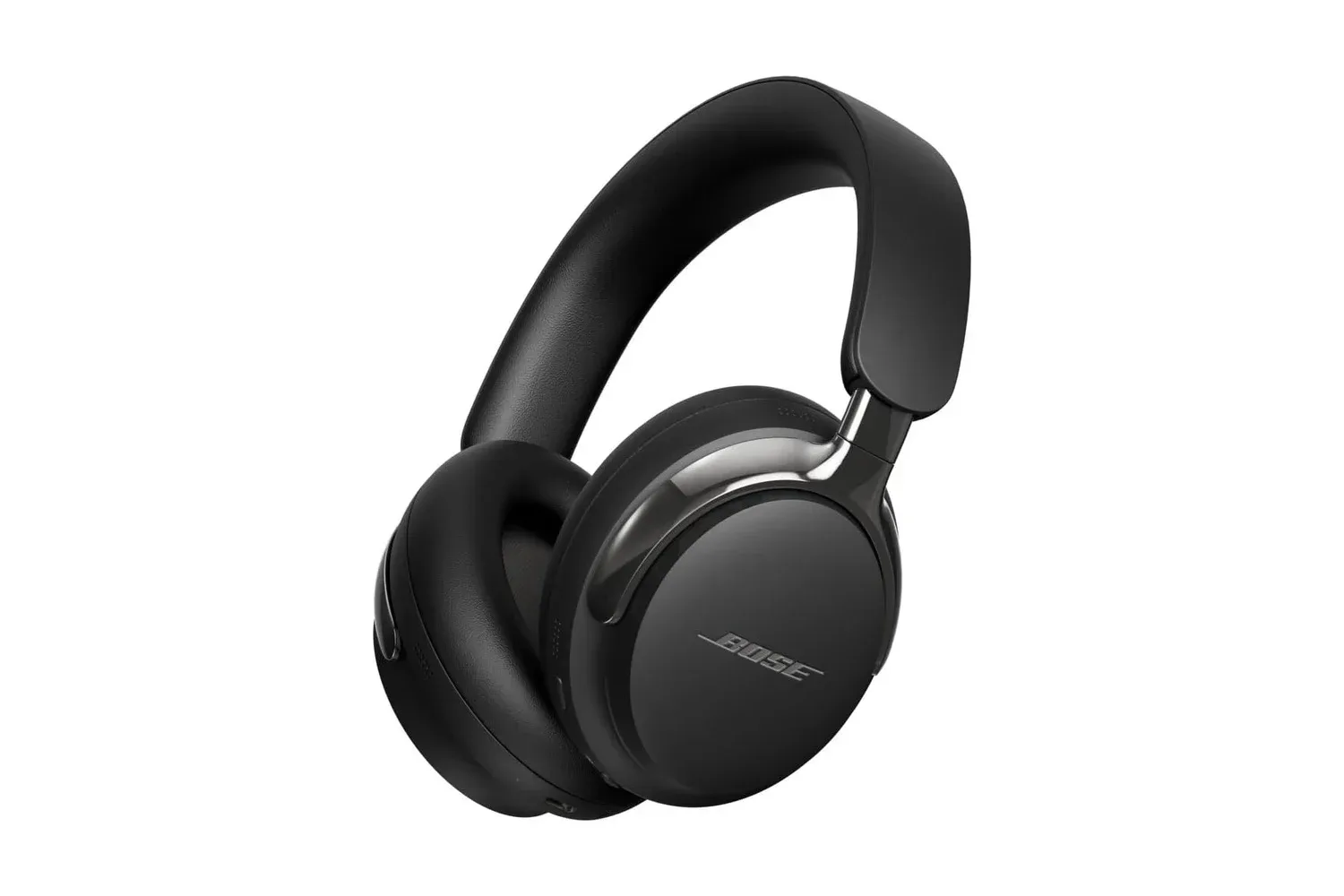
Players who want a larger, more desktop-oriented sound solution may also want to compare the trade-offs with a headset. Our look at the Bose QuietComfort Ultra’s USB-C audio and gaming features explains why connection method matters as much as a gaming label when audio delay is part of the buying decision.
Adaptive ANC and Transparency: two different tools
Ear (3) offers adaptive active noise cancellation, or ANC, rated to reduce up to 45 decibels of noise. “Adaptive” means the system adjusts to changing surroundings. Rather than being a gaming-exclusive feature, ANC may be valuable for playing or watching in a noisy home, travelling, or trying to concentrate in a busy office.
Noise cancellation should not be confused with sound isolation alone. Ear tips create a physical seal that can reduce outside sound, while ANC uses microphones and processing to counter environmental noise. The Nothing X companion app includes an ear-tip fit test, intended to help users find a proper seal for performance and clarity. A better seal is potentially useful whether ANC is on or off, because fit is part of how earbuds deliver bass and limit intrusion from the outside world.
Transparency mode goes in the opposite direction. It is intended to let the wearer hear their surroundings while continuing to listen. That can be useful when someone needs to remain aware of activity around them rather than cutting it out. In practical terms, the two modes give the user a choice between focusing more intensely on a game or maintaining more awareness of the room.
The claimed 45dB noise-reduction figure should be read as a stated maximum capability, not an assurance that all sounds vanish. Different types of background noise, fit and surroundings can affect what a person hears. The meaningful point is that the earbuds offer both an active reduction mode and an awareness mode, rather than forcing one approach.
A Super Mic in the charging case changes the call workflow
The most unusual Ear (3) feature is the Super Mic placed in the charging case. Pressing the case’s Talk button activates it as a separate microphone for calls in loud environments. Nothing says it can filter ambient noise up to 95dB. The case microphone can also be used to create voice notes that are transcribed in the Essential Space app.
For gaming, this is better understood as a situational communications option than a conventional headset-mic replacement. A typical headset microphone travels with the player’s head and stays close to their mouth. Ear (3)’s Super Mic is activated on the case, meaning the practical usefulness will depend on having and using the case in the relevant situation. It could be a compelling idea for calls away from a desk, but the supplied details do not establish how it performs in multiplayer chat, how it compares with the earbud microphones, or how a particular game platform handles its audio input.
The feature is nevertheless notable because it treats the case as more than a battery container. It adds a dedicated Talk control and voice-note role to an accessory normally used only to store and charge earbuds. For people whose gaming sessions regularly blend into voice calls, that distinction may be more meaningful than another generic audio preset.
Sound, LDAC and the Android limitation to remember
Nothing says Ear (3)’s 12mm dynamic drivers are designed for strong bass alongside clear detail. Driver size alone does not settle how an earbud will sound to every listener, but it is the stated hardware foundation for the product’s audio claims.
The earbuds also support LDAC, an audio codec that Nothing says enables 24-bit listening from compatible Android devices. A codec is the method used to package and transmit audio over a wireless connection. The important qualifier is compatibility: LDAC’s stated high-resolution capability is tied here to supported Android phones. It should not be assumed to apply automatically across every phone, computer, console or Bluetooth source.
That distinction matters for buyers who see “Hi-Res” and expect a blanket upgrade for all game sound. Low-lag mode and LDAC answer different needs: the former concerns prompt communication for games and video, while the latter is about high-resolution audio support on compatible Android hardware. The supplied details do not claim that LDAC itself is the solution for gaming latency.
Customization and the practical buying checklist
Nothing X is the companion app for Ear (3). It provides an adjustable equalizer, remapping options for the earbud controls, the ear-tip fit test and Find My Buds. An equalizer, often shortened to EQ, lets the listener adjust the balance of audio frequencies. That can be useful for someone who prefers more emphasis on lower frequencies or wants dialogue and other detail to stand out more clearly.
Customizable controls can also matter more than their brief mention suggests. Earbuds are often used when the phone or computer is not immediately accessible, so assigning a preferred action to the physical controls can make playback, calls or listening modes quicker to manage. The available information establishes that control functions are customizable, but does not specify every assignment option.
Before treating the $99 listing as an automatic buy, prospective users should weigh a few source-supported realities:
- Use case: Low-lag mode and dual connections are the clearest gaming-oriented conveniences, while ANC and Transparency are especially relevant to environment and concentration.
- Call needs: The charging-case Super Mic is distinctive, but it is not described as a fixed boom mic for multiplayer sessions.
- Battery preference: The maximum per-charge estimate changes from 5.5 hours with ANC to 10 hours without it; the total case estimates are 22 and 38 hours respectively.
- Phone compatibility: LDAC’s 24-bit listening claim is specifically for supported Android devices.
- Fit and conditions: The app’s fit test may help optimize the seal, while IP54 protection is framed for dust, sweat and light rain—not as permission to treat the earbuds as fully waterproof.
At the listed price, Ear (3)’s appeal is its combination of everyday audio functions with a few gaming-conscious additions, rather than a claim that it is a dedicated esports headset. Buyers who want noise control, a compact charging case, phone-and-computer flexibility and a latency-minded mode have several concrete features to evaluate. Those needing platform-specific chat assurances, a close-positioned microphone or a documented latency measurement should recognize that those details are not established by the available information.
Shop the products
Check current price, model and availability at the retailer.