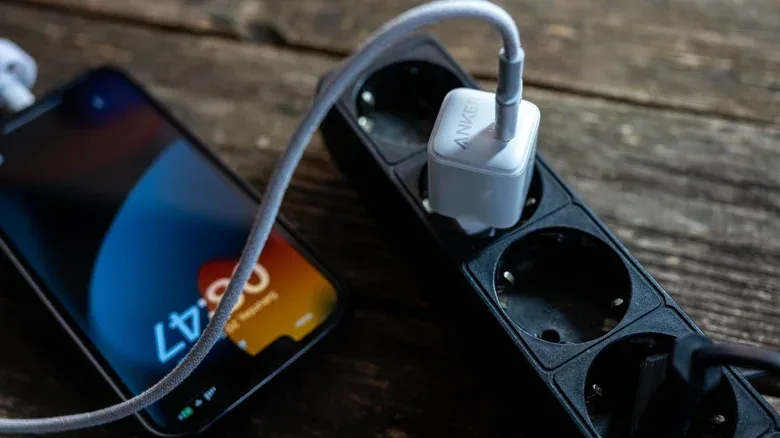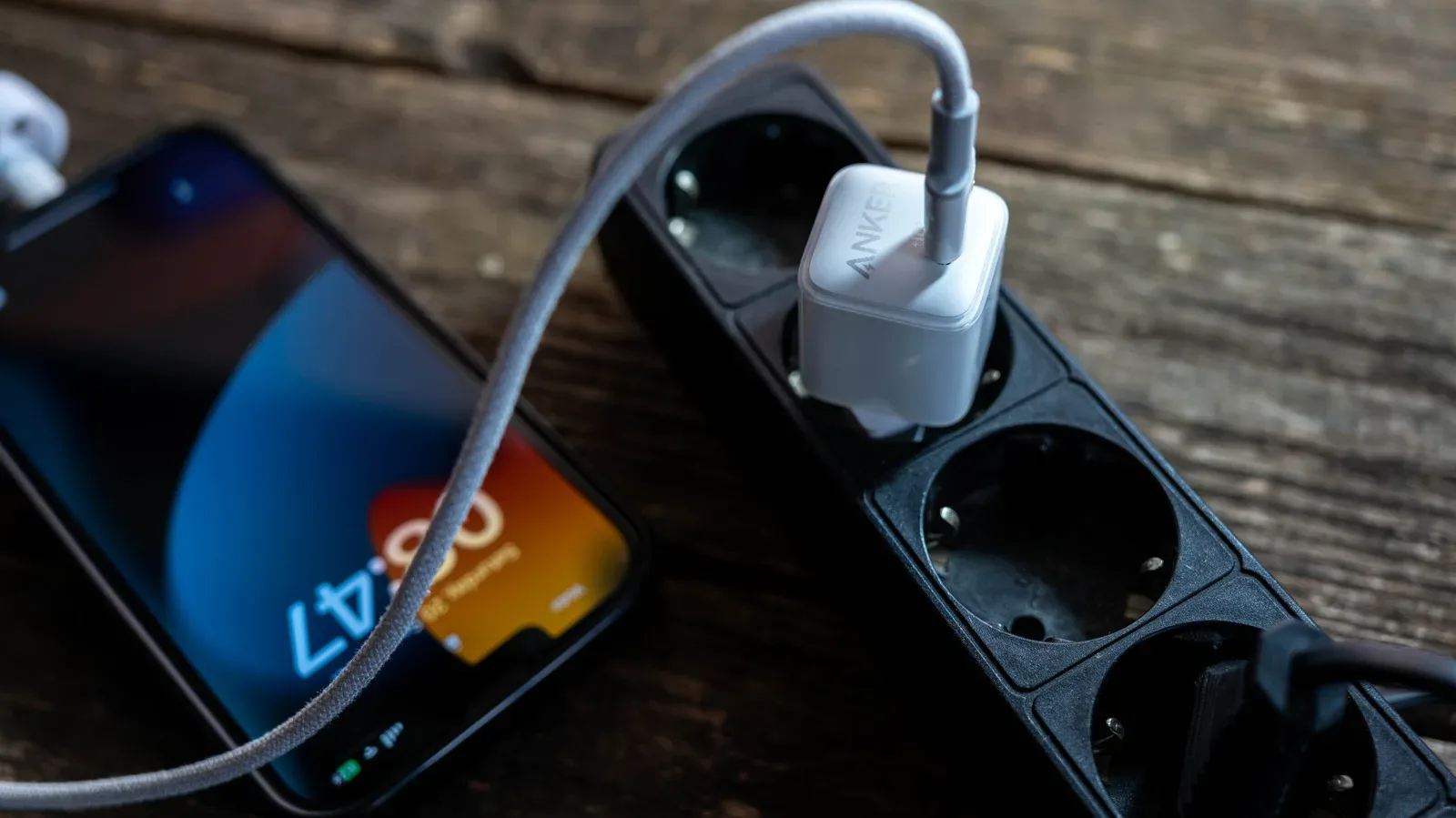
Charger labels can look like a small acronyms convention held inside a wall socket: PD, QC, PIQ, watts, volts, and enough tiny print to make a USB-C cable feel oddly judgmental. Anker’s PowerIQ, often shortened to PIQ, is one of those labels that is more useful than it initially sounds—though it is not a cheat code that forces every device into an instant full battery.
PowerIQ is Anker’s proprietary charging technology. Its job is to identify the connected device and manage the charger’s output around the voltage that device’s battery is designed to receive. In straightforward terms, it is intended to help the charger and device agree on an appropriate fast-charging arrangement rather than treating every phone, tablet, handheld, or other USB-powered gadget as if it had identical needs.
That matters because charging is a negotiation. A charger may have considerable power available, but the receiving device has its own limits. The cable and the charging standard in use are part of the picture too. The practical result: a large wattage number is valuable capacity, not a promise that every connected product will consume all of it.
PowerIQ is Anker’s version of smart power matching
Chargers and devices use standards that determine how they deliver and accept electricity. Two names that commonly appear on product packaging are USB Power Delivery, or PD, and Quick Charge, or QC. PowerIQ is Anker’s technology for detecting a connected device and adjusting output to suit it.
Voltage can be thought of as the electrical push supplied to the device. Wattage describes power—the rate at which energy is delivered. Those terms are often bundled into a single vague idea of “fast,” but they are not interchangeable. A charger’s rating tells buyers what it can potentially provide under suitable conditions; it does not erase the ceiling set by the device being charged.
Consider a device that can accept only 12W. Connecting it to a charger capable of 100W does not turn it into a 100W device. The charger can have more power on tap, but the device still takes only what it is designed to accept. That is why shopping entirely by the largest number on a charger can be like choosing a gaming PC solely because the box has the loudest-looking font.
The relevant question is not simply, “How much power can this charger make?” It is also, “What does my device support?” For someone charging several devices from one adapter, higher overall capacity can still be useful. But for one device with a modest charging limit, a much higher-rated charger alone will not create a faster charge.
PIQ 4.0 and compatibility: the labels still matter, just less rigidly
Not all devices are built around every charging standard. PD is the most common standard, while QC remains widely used by Android devices. Historically, that could make matching a charger to a device feel more complicated than it should have been.
The latest versions described here have reduced some of that divide. QC 4.0 and newer PD versions are partially cross-compatible. Anker’s latest PowerIQ version, PIQ 4.0, is compatible with QC and PD 3.0. In practical terms, newer PIQ-equipped chargers can support fast charging across essentially any device.
That does not mean every device will charge at the same rate, or that standards no longer matter at all. It means the compatibility situation is less of a faction war than it once was. A buyer still benefits from checking what their particular device accepts, especially if a desired charging speed is important. But a newer PowerIQ charger is designed to work across the major standards rather than serving one narrow corner of the gadget kingdom.
What PowerIQ does not promise
- It does not guarantee the maximum speed printed on the charger. The connected device determines what it can receive.
- It does not make all devices behave identically. Different products have different power limits and standards.
- It does not remove the long-term battery trade-off associated with fast charging. Fast charging can diminish battery life over time, even where careful power management may help reduce risk.
- It does not mean the charger is automatically a better purchase for every use. The useful choice depends on the devices a buyer actually needs to charge.
Is a PowerIQ charger safe?
The point of PowerIQ’s device detection is to avoid sending unsuitable power to a connected battery while still charging efficiently. That makes PIQ chargers generally considered safe. The system is meant to adjust output based on the connected product instead of blindly pushing a maximum amount of power simply because it is available.
There is still an important distinction between safe charging management and a magical immunity buff for battery wear. Fast charging can carry a long-term risk of reducing battery life. PowerIQ may mitigate that concern to some extent by tailoring output to the connected device, but it cannot eliminate the underlying risk entirely.
For people who worry that a higher-wattage charger will automatically overwhelm a lower-power device, the useful correction is that compatible charging is not supposed to work that way. The receiving device’s capabilities are central to the process. Conversely, buying a powerful charger does not mean a device designed for slower charging suddenly gets a turbo mode it never had.
If battery health is a broader concern, it is also worth separating charging behavior from common phone-maintenance folklore. Settings and usage habits can matter more than ritualistically closing every app in sight; our guide to the battery settings that actually matter on iPhone explores that side of the equation.
Why newer Anker chargers show wattage and temperature
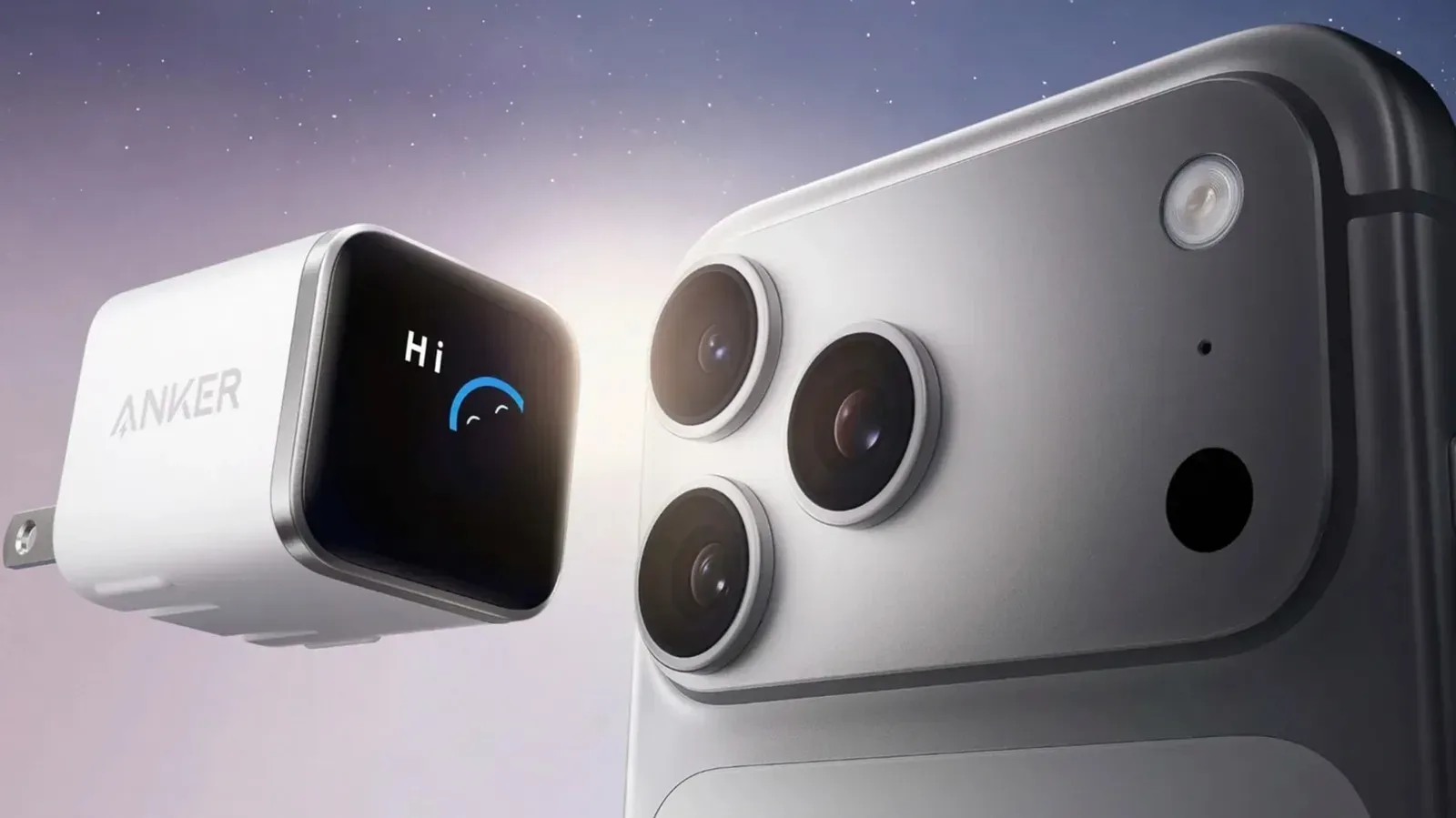
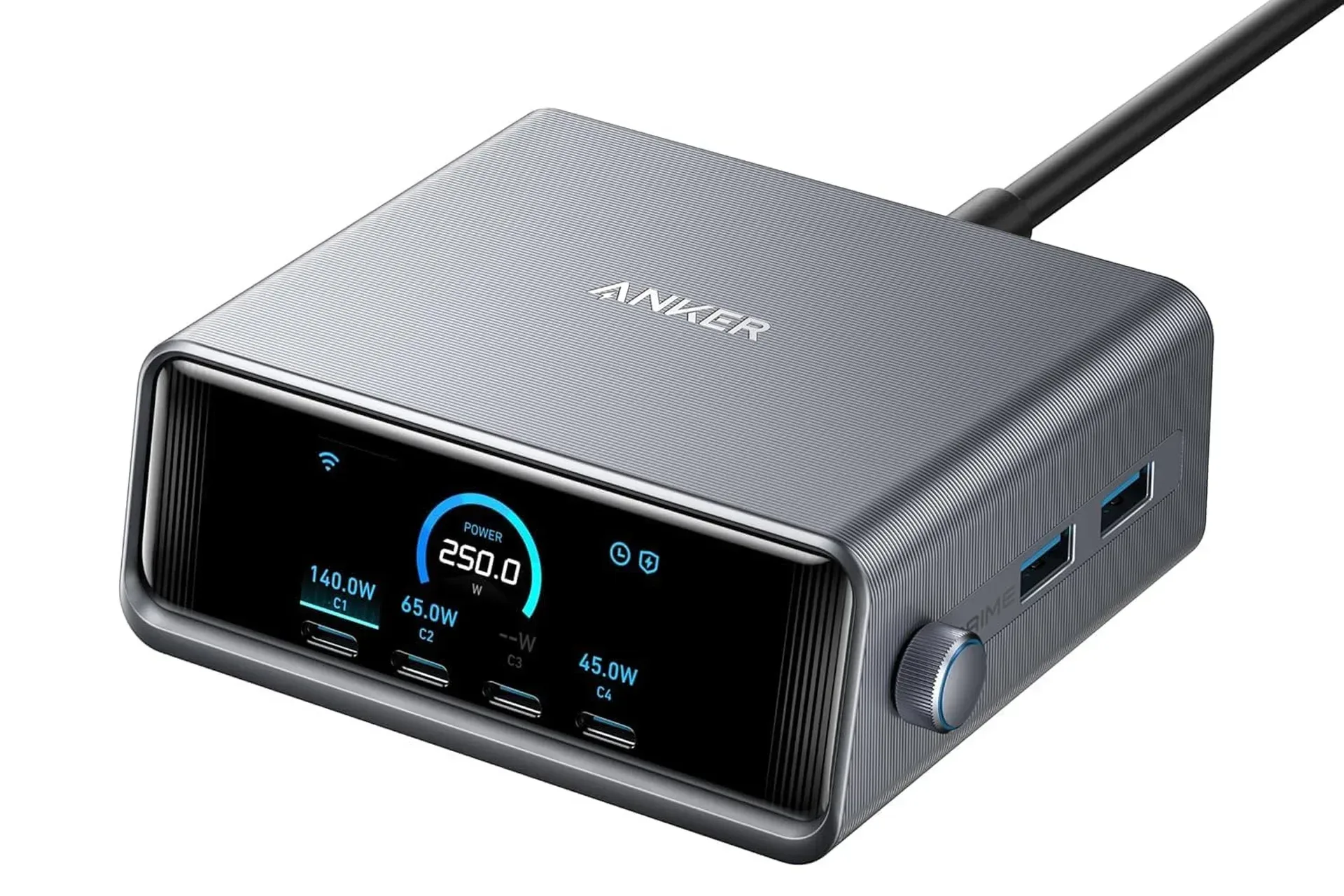
Some newer Anker chargers include integrated displays that show real-time information about connected devices. Because the charger is monitoring what it is powering, it can display wattage and temperature.
For most people, this is not required information for successfully charging a phone. A device with a battery percentage indicator does not suddenly demand a tiny dashboard and a performance analyst. Still, the display can provide a quick answer to a useful question: what is the charger doing right now?
Wattage readouts can make the gap between a charger’s maximum rating and a device’s actual draw more visible. If a high-capacity charger is supplying a lower number, that is not automatically a fault. It may simply reflect what the connected device is able or willing to accept at that moment. Temperature information similarly offers a real-time view of the charging setup, although the presence of the readout does not turn the user into a battery engineer on a pit wall.
The chief benefit is transparency. Instead of treating charging as an invisible process that is either “working” or “not working,” a display-equipped charger can show the power behavior PowerIQ is managing. Buyers who enjoy monitoring their tech may appreciate that. Others can reasonably regard it as pleasant bonus telemetry while continuing to use the charger exactly as they did before.
How to read the PowerIQ badge when buying a charger
PowerIQ is best understood as a compatibility and management feature, not a standalone speed ranking. It signals that Anker’s charger is designed to detect connected hardware and adjust output appropriately. PIQ 4.0’s compatibility with QC and PD 3.0 makes the label particularly relevant for households or desks where multiple kinds of devices rotate through the same outlet.
- Start with the device. Its supported charging rate is a fundamental limit.
- Check standards. PD and QC support remain relevant, even as newer versions overlap more than older implementations did.
- Read wattage as capacity, not destiny. A 100W charger can be useful, but a 12W device remains a 12W device.
- Treat live displays as information, not a necessity. They reveal wattage and temperature, but they are not required for compatible charging.
- Keep battery longevity expectations realistic. Smart management can help, while fast charging still carries possible long-term battery-life effects.
So, the “IQ” in PowerIQ is not an intelligence test for anyone who has ever bought the wrong cable in a hurry. It is Anker’s name for adaptive charging technology that identifies devices and manages power accordingly. The badge is meaningful—just not in the simplistic “more watts always wins” way packaging can sometimes imply.