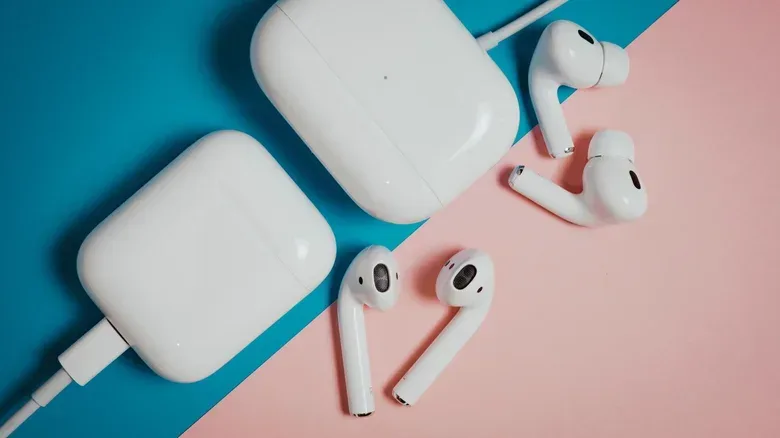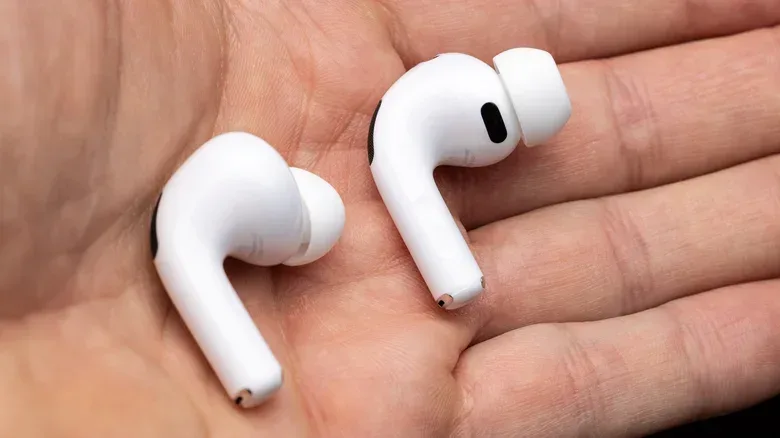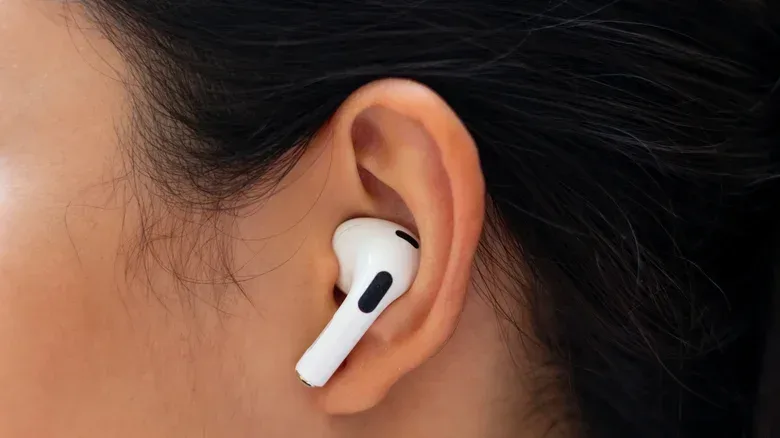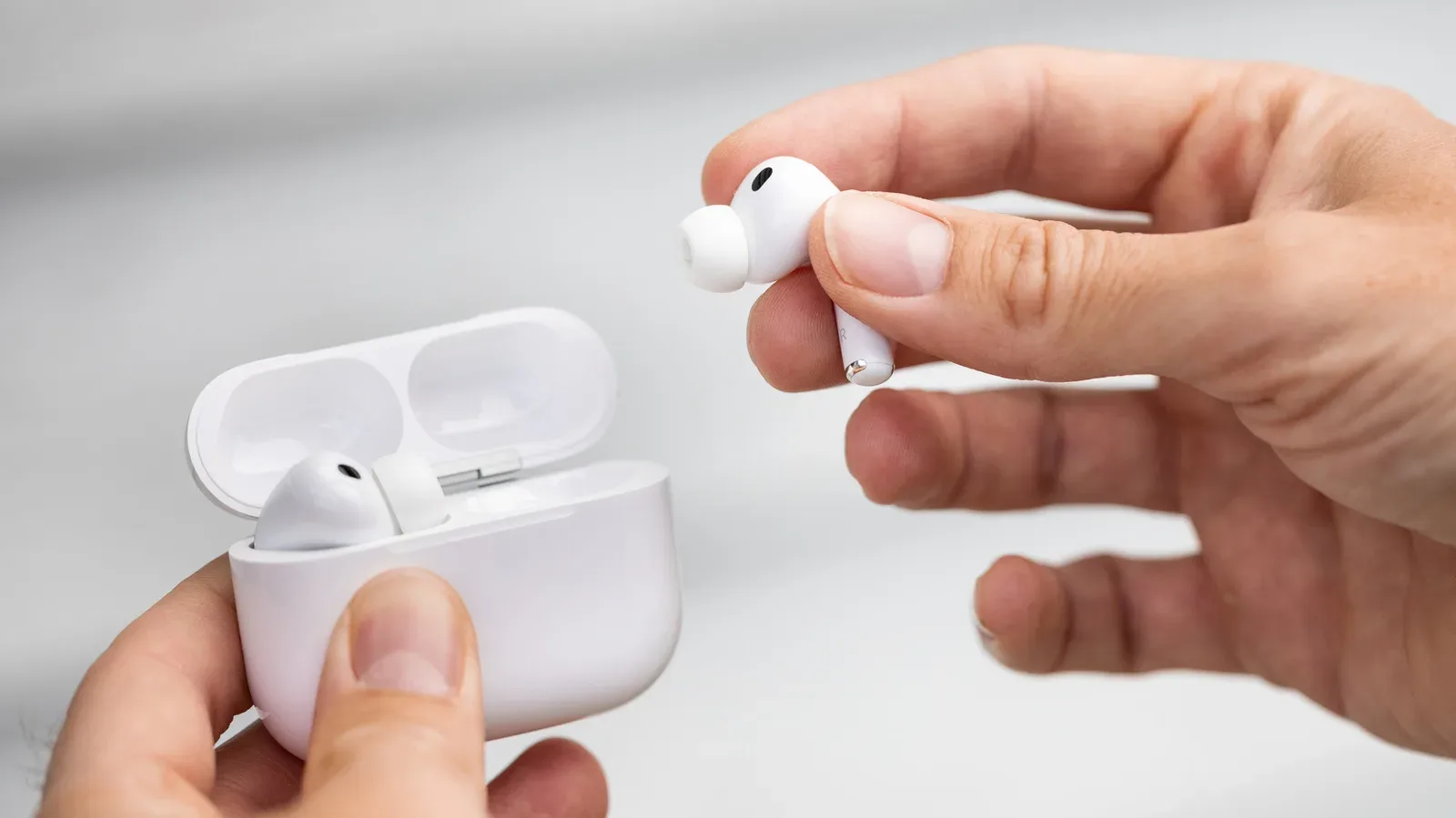
Buying pre-owned technology can be a smart way to lower the cost of expensive gear. But AirPods are an awkward exception to that rule. A used phone, console, or PC part can often be inspected, tested and compared against clear specifications. A pair of earbuds has spent its working life inside somebody else’s ears, uses tiny batteries with a finite lifespan, and can be difficult to evaluate properly before money changes hands.
That does not mean every used pair is automatically unusable. It means the apparent discount has to be weighed against several uncertainties that are unusually difficult for a buyer to settle from a listing. For shoppers who simply want dependable wireless earbuds at the lowest sensible cost, deeply discounted second-hand AirPods may be less of a deal than they first appear.
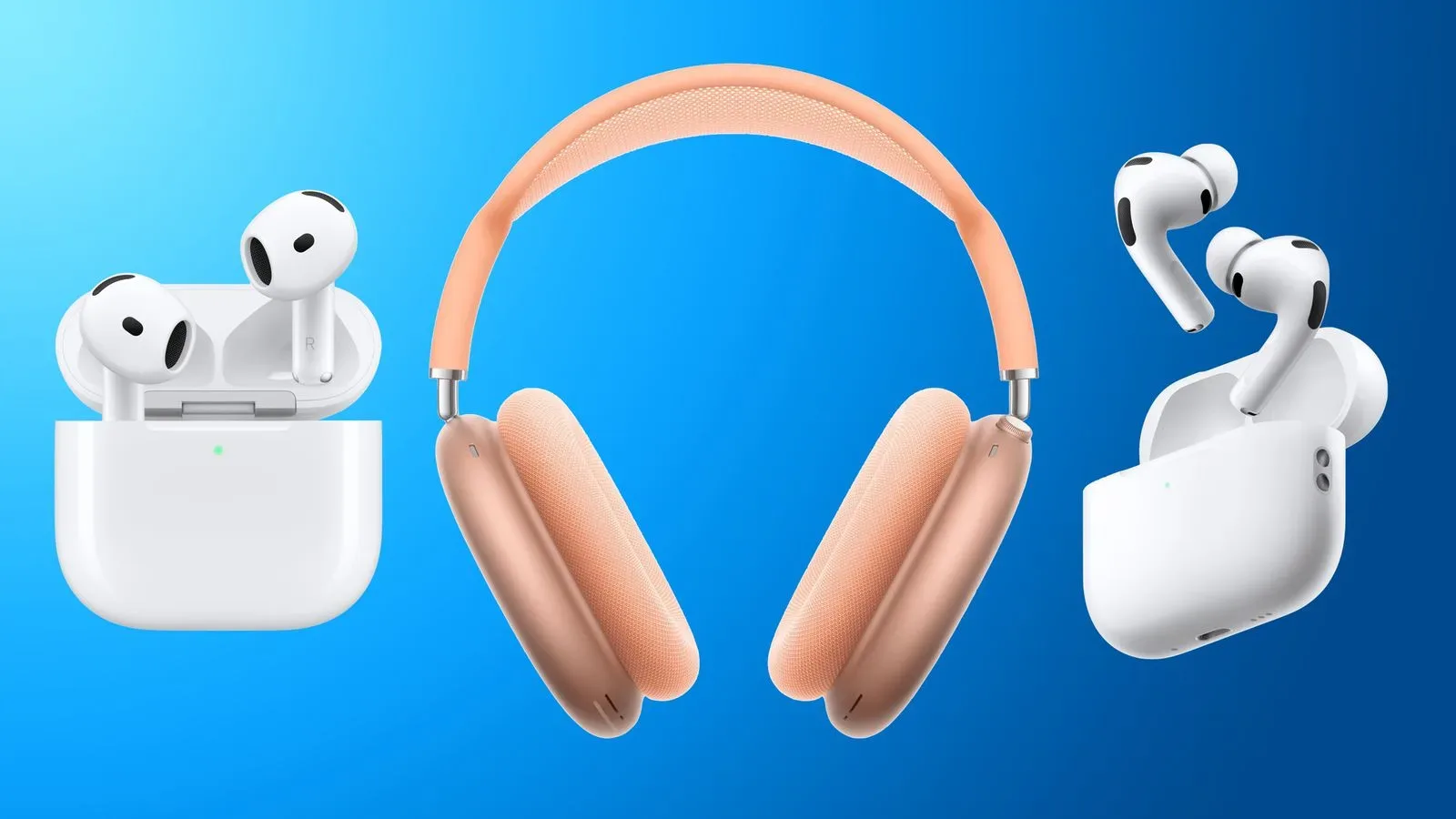
The newest AirPods line, described as AirPods 5, starts at around $129. That is still a meaningful purchase, particularly when cheaper wired headphones and lower-cost AirPods alternatives exist. Yet waiting for a sale, or looking for legitimate new sealed inventory of an older supported model, can narrow the price gap without requiring a buyer to accept the biggest pre-owned risks.
The problem starts with something a product photo cannot prove
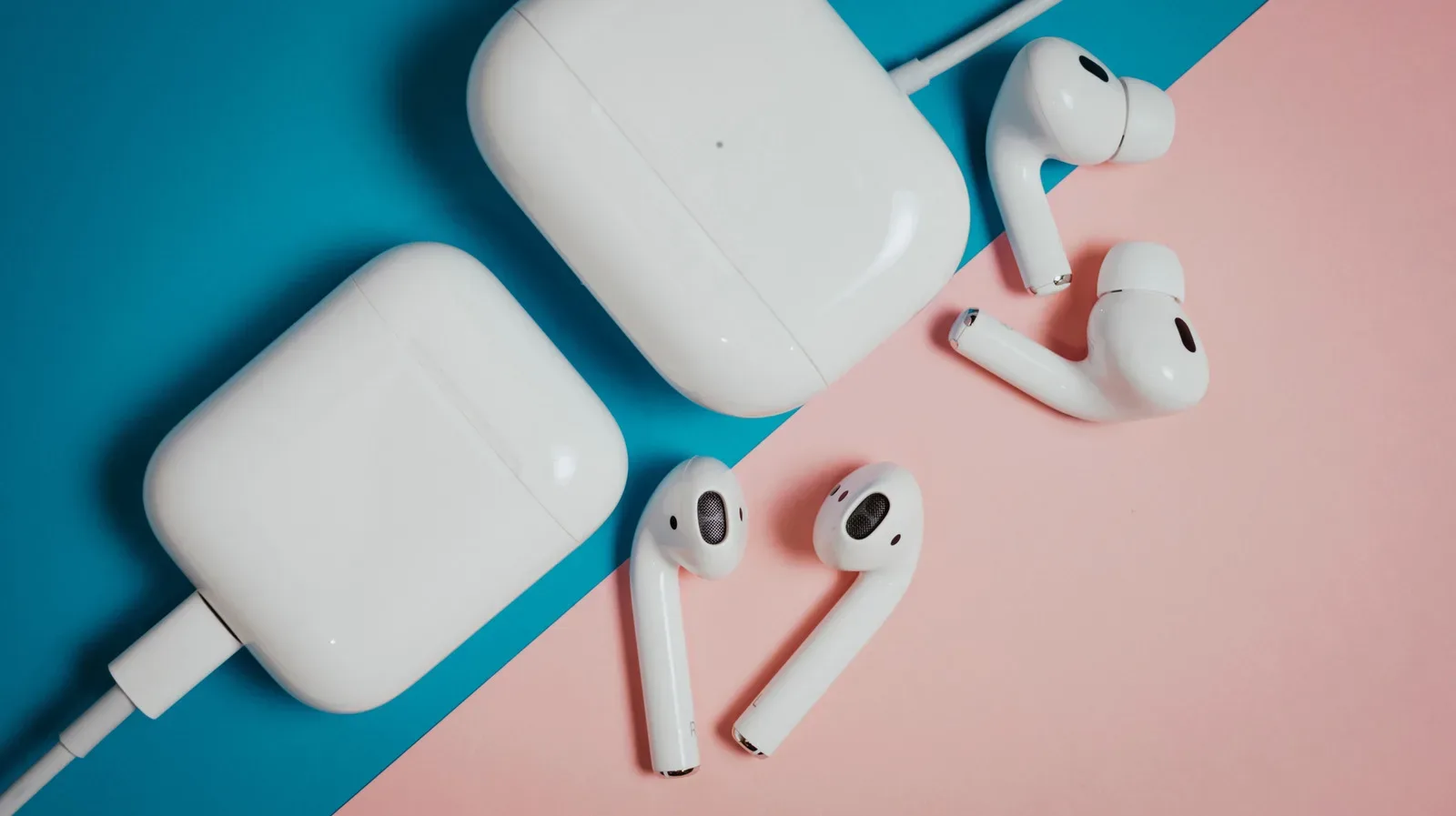
Hygiene is the immediate concern. Earbuds collect earwax and skin oils through ordinary use. A previous owner may have cleaned a pair carefully, but a purchaser cannot reliably tell whether the cleaning was thorough or merely cosmetic. A case and earbuds can look tidy in photos while residue remains in places that are not easy to inspect.
There are official cleaning guidelines for different AirPods models, so used earbuds can be cleaned appropriately. The limitation is not whether cleaning is possible; it is whether an unknown seller has actually done it to a suitable standard. “Cleaned” is a claim, not a condition that is easily authenticated in a second-hand listing.
That distinction matters because AirPods are personal, in-ear items. With many categories of used electronics, ordinary signs of ownership can be an acceptable trade-off for a lower price. With earbuds, the buyer is also taking on the consequences of another person’s daily use in a more literal way. A low price does not remove that concern.
Battery health is the less visible deal-breaker
The more consequential long-term uncertainty is battery condition. AirPods use lithium-ion batteries. Like other lithium-ion batteries, they lose capacity as charge cycles accumulate. In plain terms, a battery that once powered an earbud for a longer session can eventually hold less energy, making the interval between charges shorter.
“Capacity” is the useful technical term here: it means how much energy a battery can store relative to when it was new. The trouble with second-hand AirPods is that the buyer does not have a straightforward way to establish how much usable capacity remains. There is no equivalent of a simple, transparent battery-life figure that lets a shopper confidently compare one used pair with another before purchase.
This changes the math of a bargain. A pair can be inexpensive because it is genuinely surplus, lightly used and in good condition. It can also be inexpensive because the battery is close to the point where daily convenience disappears. Two listings may look nearly identical, while one delivers dependable listening time and the other becomes a frequent charging project. The price alone cannot reveal which is which.
For gamers, commuters and anyone relying on earbuds for calls, that uncertainty has practical consequences. Wireless earbuds are valuable partly because they are frictionless: take them out, connect, listen, put them back. If the charging routine becomes unpredictable, the product is no longer delivering the convenience that justified choosing it over a wired option.
Battery aging is not unique to AirPods, of course. It is a general characteristic of lithium-ion technology. What makes it particularly problematic in this buying category is the lack of a clear pre-purchase health check. A seller may honestly believe their pair is fine because it still turns on and charges, while a buyer may find the reduced runtime unacceptable after regular use. That mismatch does not need malicious intent to create a bad purchase.
Counterfeits make a visual inspection less reassuring
Used AirPods shoppers must also consider fakes. Counterfeit pairs are plentiful enough that a deal which looks unusually generous may be difficult to trust. This is another case where familiar branding, a convincing-looking case, or polished listing photos are not the same thing as verification.
The combined effect is what makes the used market less attractive than it might be for other types of tech. A buyer is not evaluating only cosmetic wear. They are trying to assess cleanliness, invisible battery aging and authenticity at the same time. Any one risk might be manageable; all three make a very cheap listing a gamble rather than a straightforward saving.
New sealed older stock can be the better compromise
There is a middle route between paying full price for the latest model and rolling the dice on used earbuds: new, sealed older inventory. AirPods 4 have been discontinued but remain supported, and unopened units can still be found through marketplaces including eBay and Amazon. The key advantage is not that every listing on those marketplaces is automatically trustworthy. It is that sealed stock, when legitimate, avoids prior in-ear use and the unknown wear created by another owner’s charging history.
That distinction can be worth more than a small extra saving on a used set. An unopened package does not magically answer every shopping question, but it addresses the two concerns inherent to a previously owned pair: exposure to someone else’s earwax and skin oils, and battery age created through their use. It also gives shoppers a more sensible way to compare offers: matching model, packaging status and seller terms rather than trying to guess how hard an old pair has lived.
This is a broader reminder that “cheapest” and “best value” are not interchangeable. Best value is the lower price after accounting for how likely a purchase is to work as expected and keep working. A very low used price can be appealing precisely because it hides a cost that cannot be easily measured before purchase.
How to frame the buying decision
The sensible question is not whether used AirPods can ever be a bargain. Some undoubtedly are. The better question is whether the discount is large enough to compensate for the information a buyer cannot get. If the reduction from a new sealed pair or a sale-priced current model is small, the uncertainty is difficult to justify.
- Choose new sealed stock when hygiene and predictable battery life matter more than reaching the absolute lowest upfront price.
- Consider an older supported model when current-generation pricing is out of reach but the benefits of unopened inventory remain important.
- Consider wired headphones or lower-cost alternatives when the budget is fixed and avoiding battery uncertainty is a priority.
- Treat unusually deep used discounts cautiously rather than assuming the markdown alone proves value.
There is also a useful rule for the rest of a personal tech setup: rechargeable hardware should be judged by usable lifespan, not just its purchase price. The same basic battery-health thinking applies to wearables, and our guide to making a Fitbit battery last longer per charge explains why careful charging expectations matter once battery-powered gear becomes part of a daily routine.
For AirPods specifically, the argument against used units is not that second-hand electronics are inherently bad. It is that these earbuds concentrate too many difficult-to-check issues in a small product that lives close to the body. If saving money is the goal, a discounted new pair, sealed older stock, or a different kind of headphone can offer a clearer and less risky path than a mystery-battery bargain from the used market.
Shop the products
Check current price, model and availability at the retailer.