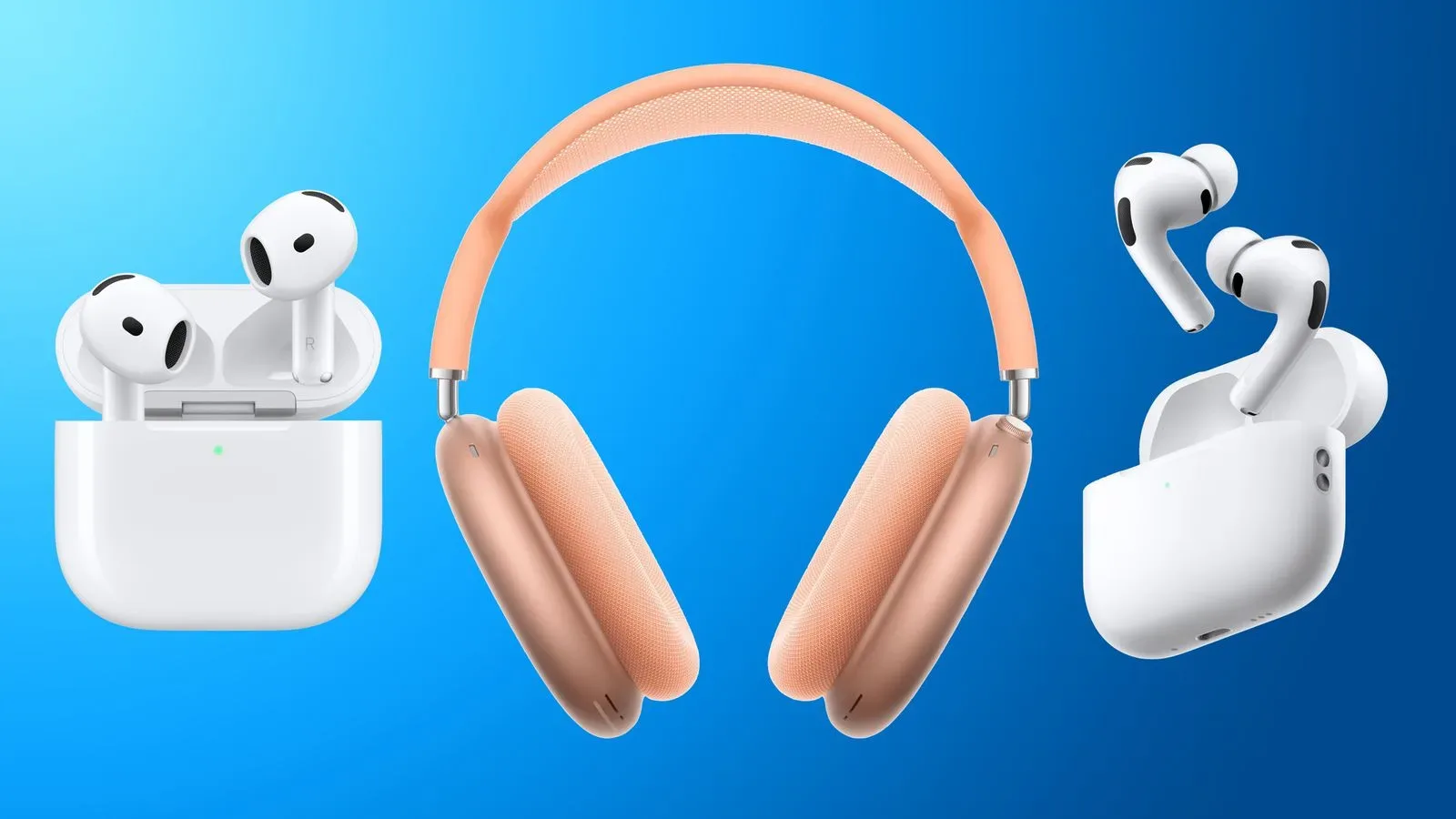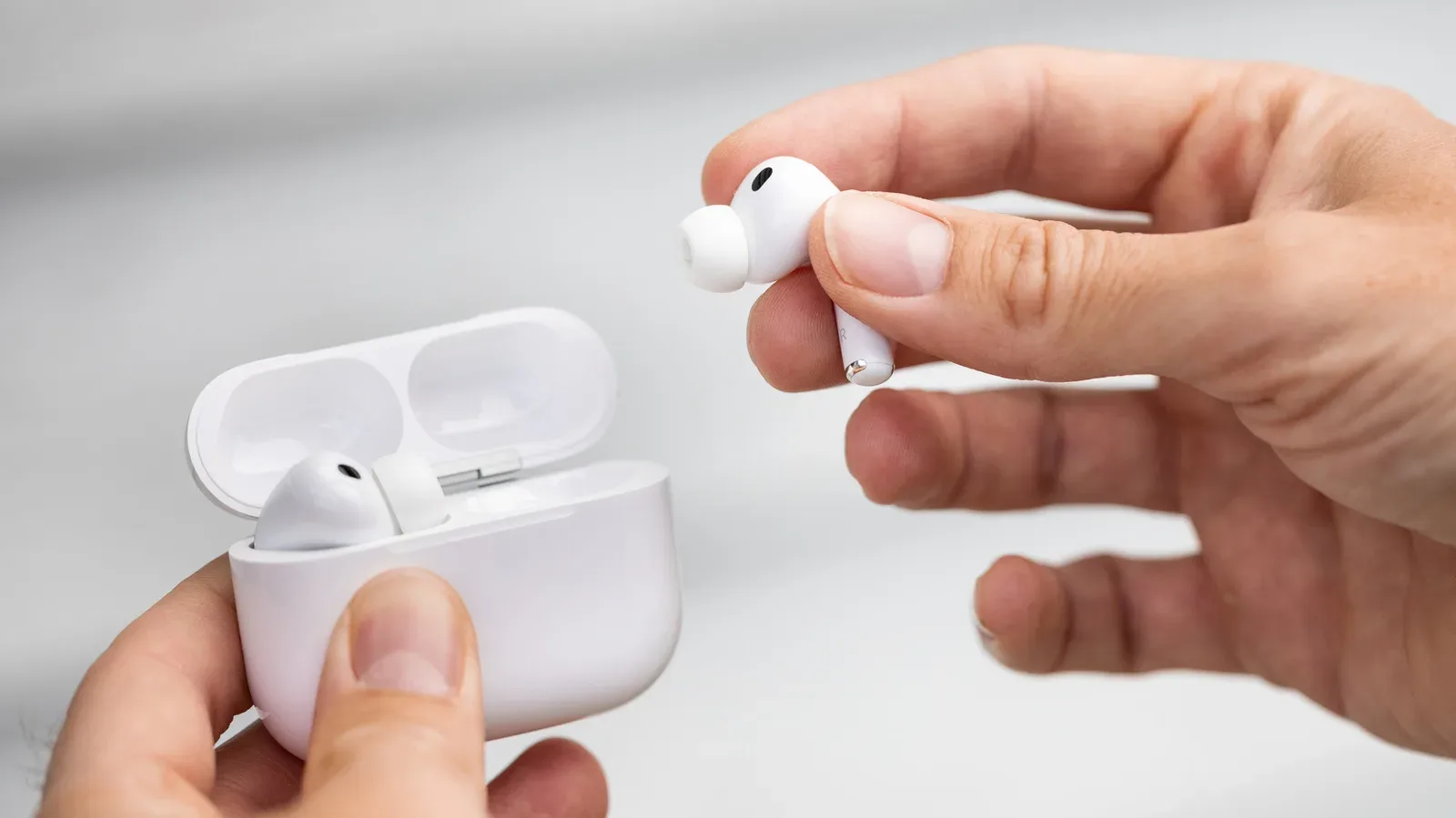
When a newer pair of earbuds enters the rotation, the older AirPods often get assigned to the electronics-drawer graveyard: not quite broken, no longer the daily choice, and too inconvenient to think about. That is an understandable outcome, but it is not the only one. A reduced battery runtime is different from a completely unusable product, and old AirPods can still be valuable as a backup, a dedicated-purpose pair, a gift, or a resale item.
The one choice to avoid is putting them in household trash. AirPods contain lithium-ion batteries, and Apple advises against throwing them away. The practical decision is instead to identify the actual problem, compare the relevant replacement cost with the value of a working pair, and choose between service, reuse, passing them on, selling them, or recycling them.
That approach is especially useful for people who play, stream, commute, exercise, or watch late-night TV with wireless audio. An older pair does not have to compete with a new pair on sound quality or battery endurance to fill a useful role.
First, separate battery wear from a real failure
Battery aging is the most important distinction. A pair of AirPods may still connect, play audio, and charge correctly while lasting far less time between charges than it once did. That is a battery-performance issue, not necessarily a reason to discard the earbuds.
Lithium-ion batteries are rechargeable batteries used in compact electronics. Over time, their capacity can decline, meaning they retain less energy than when new. In everyday terms, the earbuds run flat sooner. That can be frustrating for primary use, particularly long sessions, but may be perfectly acceptable for short tasks: a workout, a trip out, a quick voice chat, or an episode watched before bed.
Before making a spending decision, it is worth asking a narrow question: is poor runtime the only meaningful problem? If the answer is yes, service or reassignment may make sense. If there are several issues at once—such as missing hardware alongside battery wear—the economics become less favorable, especially on lower-cost models.
That wider decision process applies beyond earbuds. Our look at ways to buy an older Android more time similarly centers on determining whether a specific weakness can be addressed before defaulting to replacement.
What Apple’s battery service actually means
AirPods are not handled like an iPhone or iPad battery repair, where the same device is opened and fitted with a new battery. For AirPods battery service, Apple recycles the old unit and supplies a replacement unit at a lower per-earbud charge. That distinction matters for anyone picturing a conventional internal repair.
For most AirPods, the stated battery-service price is $49 per earbud. Replacing both earbuds would therefore be $98. AirPods Max battery service is listed at $79. These figures create a simple comparison point: battery service for both standard earbuds may be substantially less than a new premium model, but it is much closer to the price of entry-level AirPods.
For example, AirPods Pro are listed at $249 new, which makes a $98 two-earbud battery-service cost easier to justify if the rest of the setup is in good order. By contrast, the latest AirPods 5 are listed at $129, and can be found for less at other retailers. In that scenario, spending $98 on two earbuds is a much harder call. It is not automatically wrong—avoiding unnecessary waste and retaining a familiar fit can matter—but it is no longer an obvious financial win.
AppleCare and warranty can change the calculation
Coverage can make the decision much simpler. With AppleCare, a battery replacement may be available at no charge when a battery falls below 80% of its original capacity. A battery failure while the AirPods remain under warranty is also replaced free of charge.
The useful takeaway is not to assume every aging pair qualifies. Eligibility depends on the battery condition and coverage status. But it is sensible to check those details before paying for a new set or writing off the old one.
The missing-piece problem: bud and case replacement costs
An old pair can become awkward because a single earbud or the charging case has gone missing. Apple offers individual replacements, but the price has to be added to any battery concerns rather than judged in isolation.
- For the Pro line, one replacement earbud costs $89 and a replacement charging case costs $99.
- For standard AirPods, one replacement bud costs $69.
- Replacement cases for standard AirPods range from $59 to $79.
Those numbers explain why the “repair it” answer varies by model. A Pro owner who only needs to restore one component may see a practical route to a working set. Someone with base AirPods, a missing bud, and weak batteries may find that the cumulative spend approaches the price of a new product. Make the comparison using the complete bill, not the individual repair price that happens to be most convenient.
Why independent battery work carries a trade-off
Independent repair shops may be able to replace the battery inside AirPods themselves. The process can cost less, but it is not equivalent to Apple’s replacement approach. The earbuds must be cut open and glued back together, which can leave them looking less tidy and can remove their water and sweat resistance.
Water and sweat resistance describes a product’s ability to withstand exposure, not a promise that it is invulnerable to liquid. If that resistance is compromised during an opening-and-regluing repair, an old pair may become a poor choice for the very uses people commonly assign to it, including gym sessions.
That does not make independent repair inherently unreasonable. It does mean the lower upfront price should be weighed against the altered finish and the loss of resistance. For a pair intended only for dry, indoor backup use, those compromises may be manageable. For exercise or outdoor use, they can matter far more.
Give functional AirPods a narrower, useful role
Not every pair needs to be restored to “main earbuds” status. If an aging pair still holds a decent charge, its remaining life can be directed toward tasks where short sessions and convenience matter more than maximum capacity.
Keep a true backup pair
A backup set is the straightforward option. Leave it in a bag, at a desk, or in another place where it can cover a lost, forgotten, or depleted primary pair. The point is redundancy: wireless earbuds are small enough to misplace, and a usable spare can prevent a minor mishap from disrupting a call, a commute, or an evening of streaming.
Use the older pair for higher-wear sessions
Some owners reserve older AirPods for workouts so a newer set is not exposed to sweat. Others use the older pair for sleeping, which avoids putting overnight battery use on their newest pair. Neither use restores the old earbuds, but both can reduce wear on the pair a person values most.
This is not a claim that old earbuds are risk-free in those environments. It is simply a way to match a less-pristine device to a task where its reduced battery life is less important.
Set them aside for private TV listening
An old pair can also be dedicated to listening to Roku via Bluetooth at night. This is an especially clear example of purpose-based reuse: an older set that is no longer ideal for all-day mobile listening can still make a quiet viewing session easier without becoming another neglected device in a drawer.
Sell or gift them—but prepare them first
AirPods with solid remaining battery life may still have resale value. Apple does not offer trade-in credit for AirPods, but buyback services such as Back Market may pay for them. Selling directly through eBay or Facebook Marketplace can bring in more, although it also requires the seller to manage the listing and transaction.
Resale has a practical limitation: a buyer will care about condition and battery behavior. Be clear about what the earbuds include and how they perform. A pair with noticeably shortened runtime may still be useful, but presenting it as though it performs like a new set would create the wrong expectations.
Giving an old pair to a friend or family member may be the better outcome where resale value is low. The recipient can decide whether the existing battery life works for them or whether a battery-service charge is worthwhile. New ear tips are a considerate addition when passing the earbuds on.
Whether selling or gifting, do two things before the handoff:
- Clean the AirPods. They are personal audio devices, so basic hygiene is part of making them ready for another owner.
- Remove them from your Apple account. This step prevents an avoidable ownership and setup problem for the next person.
When recycling is the best answer
There is a point where reuse no longer makes sense. A fully dead pair that would need expensive work, or a set with problems that outweigh its likely value, does not need to be kept indefinitely. It does need to be discarded responsibly.
Apple will recycle AirPods at no charge. In certain regions, the company provides a prepaid shipping label, so an Apple Store visit is not necessarily required. That route does not provide money back, but it is the appropriate endpoint for earbuds with lithium-ion batteries that no longer justify repair, resale, or reuse.
A practical decision order
The most sensible option is rarely determined by one headline price. Start with the AirPods’ model, then list what is actually wrong, check coverage, and compare the total cost to a new alternative. From there, give any still-working pair a job before deciding it belongs in recycling.
- Battery weak, everything else fine: consider battery service, especially for a higher-priced model, or make the pair a backup.
- One bud or case missing: add the relevant replacement price before deciding whether restoring the set is worthwhile.
- Still usable but no longer preferred: sell it, gift it after cleaning and account removal, or assign it to exercise, sleep, backup, or Roku listening.
- Dead and not worth funding: use Apple’s free recycling option rather than household trash.
Old AirPods do not need to remain the best pair in the house to remain useful. A clear-eyed cost check—and a specific second purpose—can turn a fading set of earbuds from clutter into a practical spare, while proper recycling remains available when their useful life is genuinely over.