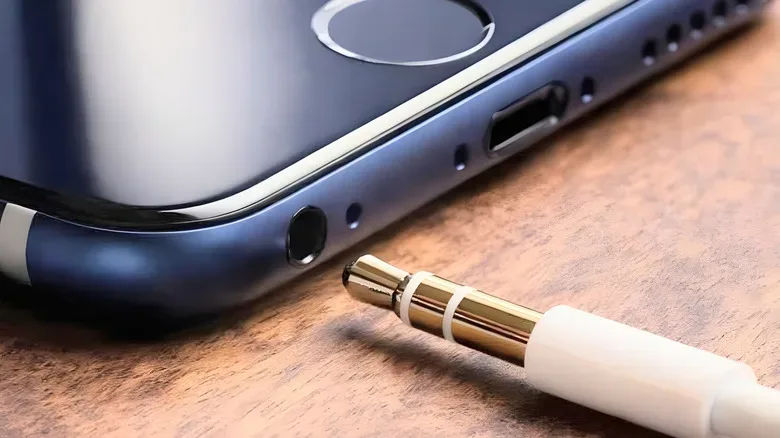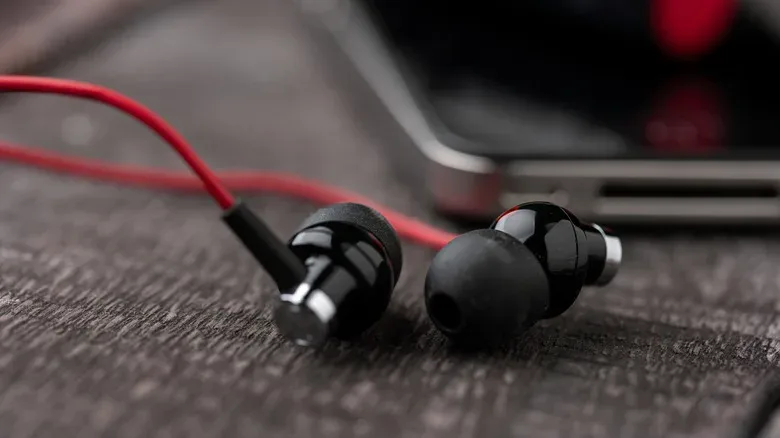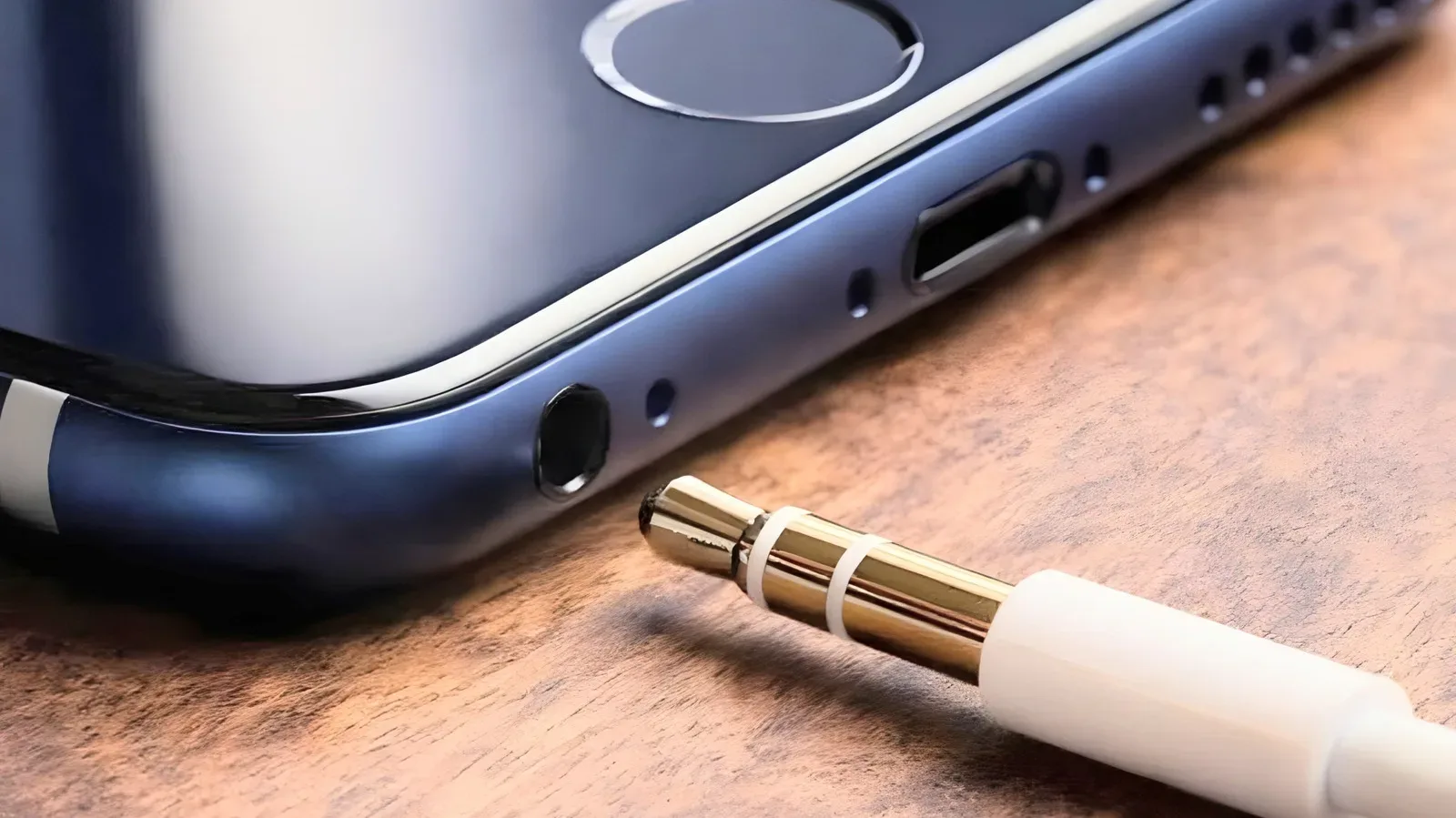
The disappearance of the 3.5mm headphone jack from flagship phones has created one of modern tech’s most persistent arguments: did phones sacrifice sound quality for a slimmer port layout, or did USB-C quietly give wired audio a technical upgrade?
The short answer is that neither port wins by default. A phone with a 3.5mm jack can sound excellent or mediocre depending on the digital-to-analog converter (DAC) and headphone amplifier built into it. A USB-C phone can likewise sound superb, but only if the headphones, earbuds, or adapter connected to it contain capable audio hardware. The port is the route; it is not the entire audio system.
That distinction matters particularly for mobile players. Competitive games demand clear positional cues, single-player games benefit from convincing music and effects, and a wired connection can remain attractive for people who want to avoid battery management or reduce the variables involved in a wireless setup. USB-C can provide an impressive wired experience, but a bargain-bin dongle is not a magic “better audio” button.
How phones arrived at the one-port lifestyle
For a long time, the 3.5mm connector was simply expected on phones. It is a compact descendant of the larger 6.35mm phone plug and carries an analog signal to headphones or speakers. Its greatest strength was never glamour. It was ubiquity: the same pair of wired headphones could move from a phone to a laptop, handheld device, controller, PC, car stereo, television, or speaker with minimal fuss.
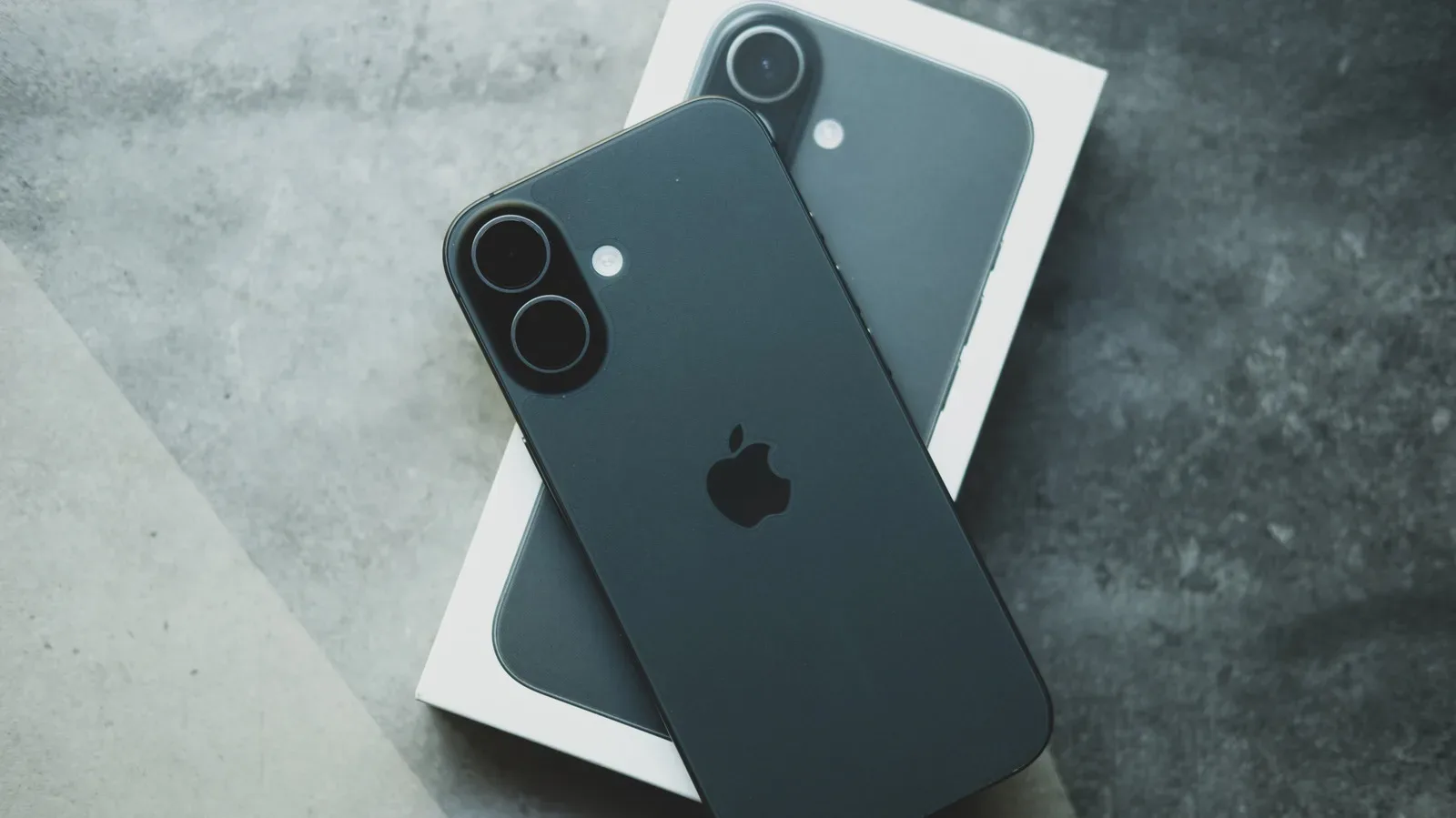
Apple removed the headphone jack from the iPhone 7 in 2016, directing wired users toward Lightning accessories and adapters. Google followed in 2017 when the Pixel 2 dropped the jack in favor of USB-C. Samsung made the move in 2019. Apple later shifted from Lightning to USB-C with the iPhone 15, following wider industry changes and European Union regulations.
The old socket has not vanished completely. Sony released the Xperia 1 VIII with a 3.5mm headphone jack in June 2026, and some mid-range and budget phones still retain one. On most current handsets, however, USB-C handles charging, data, and wired audio duties. That shared-port setup may be convenient for manufacturers, but it adds a practical wrinkle for players: plugging in headphones can block the same port needed for charging unless a compatible splitter or hub is involved.
The real difference: where digital audio becomes analog sound
Music, game audio, voice chat, and videos begin as digital information inside a phone. Headphones produce physical sound, so that information needs conversion into an analog electrical signal. The component that does this is the DAC. An amplifier then provides enough power to drive the connected headphones at an appropriate volume and with sufficient control.
With a traditional 3.5mm jack, the conversion usually happens inside the phone. Its built-in DAC and amplifier prepare the analog signal, then the headphone cable carries that signal out through the jack. As a result, the phone maker’s audio circuitry is a major part of the sound result. A handset equipped with a strong DAC and headphone amp may deliver clean, energetic wired audio directly to conventional headphones. A less ambitious implementation may not.
Related coverage includes USB-C vs. 3.5mm Audio: What Actually Determines Phone Sound Quality.
USB-C typically moves this job outside the phone. The handset sends digital audio through USB-C, and the DAC and amplifier are usually located in the USB-C earbuds, USB-C headphones, or USB-C-to-3.5mm adapter. These are commonly called active adapters because they contain electronics rather than merely changing the physical connector shape.
Some devices support Audio Accessory Mode, which allows USB-C to carry analog audio through compatible arrangements. But shoppers should not assume every phone and every passive adapter will work together. In the general USB-C world, a dongle with an onboard DAC is the safer expectation. Compatibility is part of the purchase, not an optional side quest.
Why USB-C has the higher ceiling, not a guaranteed win
USB-C’s advantage is flexibility. Instead of accepting whatever audio hardware was installed in a phone, a user can choose an external DAC and amplifier that better fits the headphones they own. A well-made USB-C adapter can produce a cleaner and more powerful output than a phone’s internal 3.5mm setup, especially when used with demanding over-ear headphones that benefit from more capable amplification.
That is potential, though—not an automatic outcome. Cheap USB-C earbuds and low-quality adapters can use weak components, creating a result that is no better than an ordinary headphone jack and potentially worse. The existence of an external DAC does not establish its quality. It only establishes where the conversion happens.
Likewise, a 3.5mm jack is not inherently limited to low-end audio. A phone with carefully selected internal audio hardware can offer a very good analog output without requiring a separate accessory. It is an elegantly direct setup: connect standard wired headphones and play. For people whose headset already has a 3.5mm plug, it remains the lowest-friction option.
The useful rule: USB-C can offer more upgrade headroom because the DAC and amp can be replaced externally. The headphone jack offers simpler compatibility because the required audio electronics are already in the phone.
What mobile gamers should prioritize over connector debates
For most players using decent earphones or a normal gaming headset, the gulf between a competent headphone jack and a competent USB-C DAC adapter will not be dramatic. The more meaningful questions are about the whole chain: the phone, the adapter, the headphones, the game’s audio mix, and the user’s own preferred volume and sound signature.
- Headphone sensitivity and power needs: Easy-to-drive earbuds generally do not need much amplification. Larger or more demanding headphones may benefit more from a good external DAC and amp.
- Adapter quality: If a phone lacks a jack, an active USB-C adapter is a meaningful component, not just an inconvenient piece of cable. Its internal DAC and amplifier affect the outcome.
- Microphone and chat behavior: A wired headset is useful only if the adapter properly supports its microphone and controls. Confirm support rather than assuming every USB-C adapter handles every headset identically.
- Charging while playing: A USB-C-only phone may require a splitter, hub, or other compatible accessory for simultaneous wired sound and charging. This can be especially relevant during long sessions.
- Cross-device use: Standard 3.5mm headphones remain easy to swap among PCs, cars, consoles, televisions, and older handheld hardware. USB-C headphones may be convenient with modern devices but are not as universally accepted.
Latency is often raised in these discussions, but the connector alone does not settle that issue. Both 3.5mm and USB-C wired arrangements avoid the wireless transmission stage associated with Bluetooth audio. A reliable wired chain is therefore appealing when timing matters, whether that means reacting to footsteps in a multiplayer match, following rhythm-game cues, or keeping dialogue and gameplay effects consistent during a long campaign.
Convenience is a legitimate audio feature
Technical capability is not the only measure of “better.” A 3.5mm jack still earns its fans because it is familiar and broadly compatible. There is no DAC-shopping exercise before using existing headphones, no question over whether an adapter is active, and no need to occupy a phone’s only USB-C port for audio. That simplicity has value, especially for people who rotate the same headset among multiple gaming and entertainment devices.
For retro-minded players, straightforward ports and adaptable equipment remain part of the appeal of older hardware ecosystems. The broader hobby has always rewarded understanding what sits between software and the signal reaching the screen or speakers, as seen in this look at GameCube modchips and homebrew history. Phone audio is a less exotic example of the same principle: small hardware choices can shape the experience more than the connector’s label suggests.
USB-C, meanwhile, is a strong option for users who want to select their own audio hardware or who already own good USB-C earbuds and a dependable DAC adapter. It can be a more capable platform because the external hardware can be upgraded without replacing the phone. But that flexibility comes with responsibility: the user must choose components that are actually good and compatible.
A practical buying guide for the two setups
If your phone has a 3.5mm jack
Start by using the wired headphones or headset you already own. If the volume is sufficient, the sound is clean, and the microphone works as needed, there may be no practical reason to complicate the setup. The jack’s key advantage is that it is ready for standard headphones and remains useful across a wide range of devices.
If your phone only has USB-C
Use USB-C headphones designed for the phone, or select an active USB-C-to-3.5mm adapter with a built-in DAC. Avoid treating every tiny adapter as interchangeable. A basic model may be perfectly adequate for easy-to-drive earbuds, while better headphones can make a more capable adapter worthwhile. Check that the accessory supports the phone and any headset microphone requirements before relying on it for voice chat.
If sound quality is the main goal
Focus on the DAC, amplifier, and headphones together. USB-C gives users more opportunity to improve those external pieces, which is why it has the stronger theoretical ceiling. Still, a quality 3.5mm implementation can outperform a weak USB-C accessory. The best choice is the setup that pairs appropriate hardware with the headphones you actually use—not the one whose connector wins the loudest argument online.