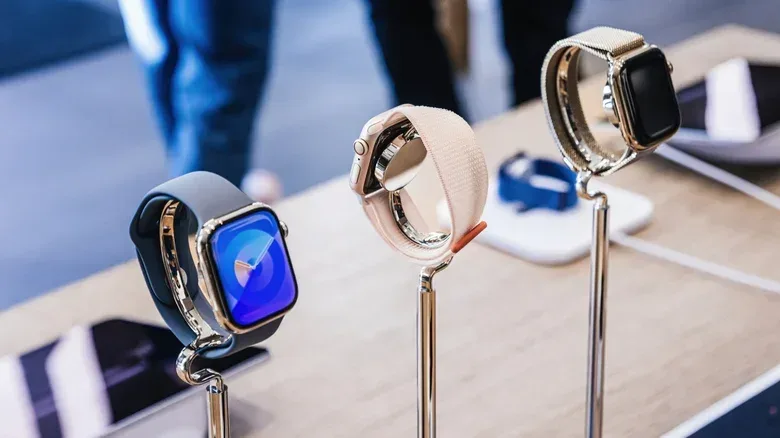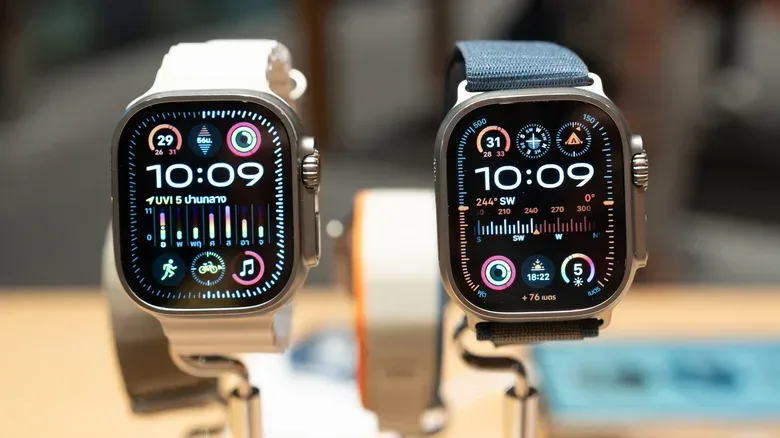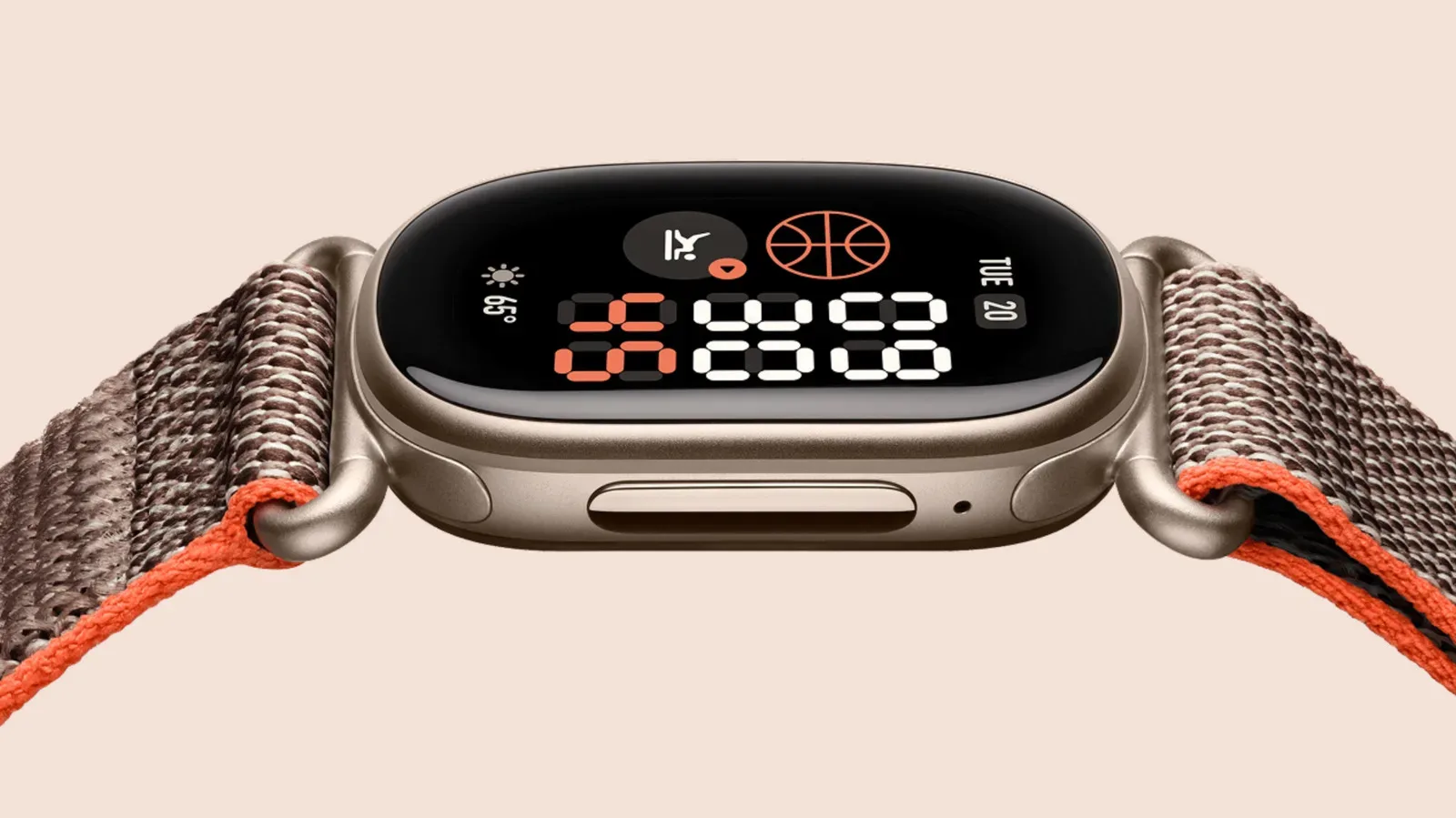
Choosing an Apple Watch case material is less about finding the single “best” option and more about deciding which form of damage would bother you most. Titanium, ceramic and aluminum each make a different compromise between impact resistance, surface wear, weight and cost. That is especially important on a watch: it is always exposed, frequently knocks against desks and doorframes, and is difficult to keep cosmetically perfect over years of use.
The concise answer is that titanium is the best all-around choice for durability. It is the more resilient material when an impact is the concern, while also weighing less than the ceramic alternative discussed for Apple Watch Series 12. Ceramic has its own decisive advantage, though: it is harder at the surface and therefore much better at resisting the small scratches and scuffs that can gradually dull a watch’s appearance.
That distinction matters because “harder” and “stronger” are not interchangeable terms. Ceramic can be highly scratch-resistant without being the safer material when a sharp, concentrated knock happens. Titanium is the practical premium choice for someone whose watch may meet gym equipment, work surfaces, tools, doorframes or the floor. Ceramic is the premium choice for someone who primarily wants the case to retain a glossy, pristine-looking finish.
Why titanium wins the overall durability decision
Durability is broader than scratch resistance. A durable wearable should tolerate routine use, accidental impacts and the occasional awkward collision without being overly vulnerable to damage. On that wider definition, titanium takes the lead. It is described as the stronger material overall and is better able to handle sharp impacts than ceramic.
This does not mean a titanium case cannot collect marks. In fact, it is more likely than ceramic to show surface scratching. The benefit is that an encounter with a hard edge is less likely to pose the same impact concern that comes with a very hard ceramic casing. For buyers who know their watch will be used actively rather than carefully displayed on a wrist, that trade-off is usually sensible.
There is a comfort angle as well. The titanium Series 12 model weighs 44.9 grams, compared with 51.3 grams for the ceramic version. A 6.4-gram difference will not settle everyone’s buying decision, but it reinforces titanium’s appeal as a material designed to deliver premium strength without becoming the heavier option.
It is also worth avoiding a misleading shortcut in material discussions: a titanium Apple Watch is not defined exclusively by titanium. Titanium models can include ceramic components. The comparison here is about the primary case material and the type of protection it brings, not an assertion that any one version consists entirely of a single substance.
Impact resistance versus hardness, explained
Hardness describes resistance to surface abrasion or scratching. That is where ceramic excels. A hard surface is less easily marked by the everyday friction and light contact that can turn a once-polished watch case into one with a web of fine cosmetic wear.
Related coverage includes Titanium vs. Ceramic Apple Watch: The Better Choice for Durability.
Strength, in this context, is the more useful shorthand for how a material copes with force and impacts. Titanium has the advantage there. A material can resist scratches brilliantly but be less forgiving when struck in a concentrated way. That is the key caveat behind ceramic’s attractive, glossy finish: it is not invulnerable simply because it is hard.
In practical terms, titanium better suits people who have a history of bumping their wrist against a metal frame, dropping delicate devices or working and exercising in environments where a more serious knock is plausible. Ceramic is better suited to buyers whose biggest concern is the look of routine wear rather than high-impact mishaps.
Ceramic is the case for buyers who hate visible scratches
Ceramic’s strongest argument is straightforward. It is exceptionally resistant to superficial scratching, and an Apple Watch offers plenty of visible case surface for small marks to accumulate. If a buyer wants the case to stay glossy and refined over the long term, ceramic has a genuine visual advantage.
That can make it particularly appealing for office use, formal settings, or anyone who treats a watch as a prominent part of their everyday presentation. Cosmetic durability is still durability; a product that works perfectly but looks heavily scuffed may not feel like it has aged well. Ceramic speaks directly to that concern.
But the better-looking finish comes with a real limitation. The same hardness that resists minor scratches can increase ceramic’s liability in an impact. A hard collision with a metal doorframe is not merely a more dramatic version of a light scuff. It is a different kind of threat, and it favors titanium.
The right interpretation is not that ceramic is fragile. Rather, its protection is specialized. It is optimized for preserving its surface, while titanium provides the more balanced defense when the wearer's routine includes unpredictable physical contact.
Screen protection does not separate the premium Series 12 models
For the titanium-versus-ceramic Series 12 comparison, the front crystal is not a deciding factor: both versions use sapphire crystal fronts. That removes one common source of confusion. Buyers are choosing between case behaviors, not choosing one premium model with a better screen cover than the other.
A sapphire crystal front is relevant because the display is a highly exposed part of any smartwatch. Still, sharing the same front material means the case remains the central distinction. A buyer focused on the surrounding chassis should not assume that a ceramic case automatically means better protection in every circumstance, nor that titanium automatically means an immaculate finish after years of light abrasion.
The takeaway is usefully narrow: with the premium Series 12 options, screen-front material is shared, while case material determines whether a buyer prioritizes impact tolerance or resistance to surface scratching.
Availability makes titanium the more practical premium option
Material preference is only useful if the desired option is available in a current model. Titanium has been the more practical premium route because Apple had not made a primarily ceramic Apple Watch casing since Apple Watch Series 5. Ceramic returns with the Series 12 in Pearl White and Midnight Blue, but titanium remains the more familiar and broadly practical premium option in this comparison.
That return is welcome for people who specifically value ceramic’s polished look. It also makes the decision more meaningful than a simple “premium equals titanium” assumption. The two materials are premium for different reasons, and the right choice depends on whether a watch owner views a visible scratch or a damaging collision as the larger long-term risk.
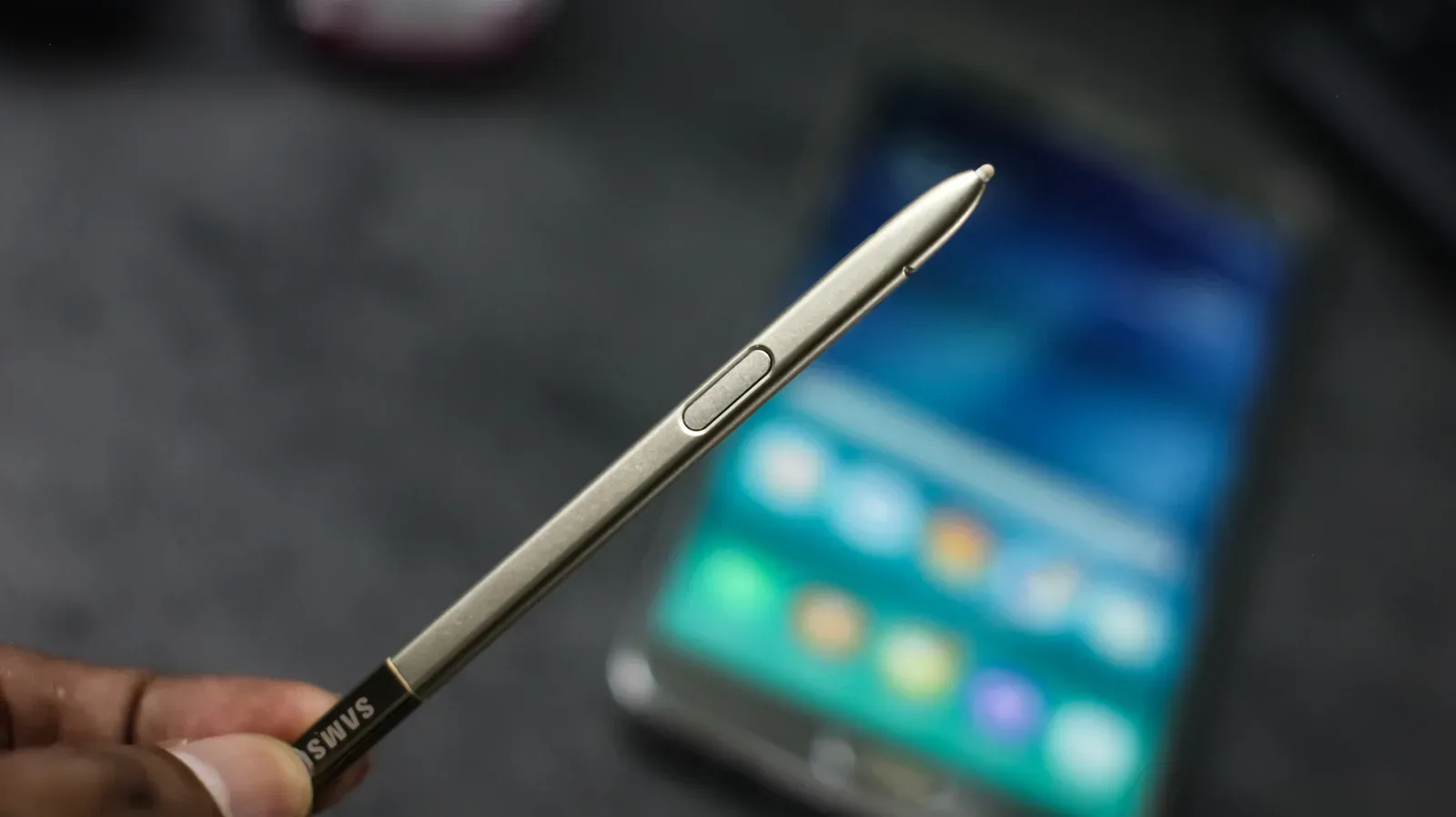
For another example of why accessory details can change a purchase decision, see our look at which S Pen models can be located through SmartThings Find. A feature that seems secondary at checkout can matter greatly in daily ownership; Apple Watch materials work similarly, with the “best” choice determined by the specific problem a buyer needs solved.
Where aluminum fits into the Apple Watch durability picture
Aluminum remains the practical alternative for buyers who value lower weight and cost more than the premium case materials. The 46mm aluminum Series 12 weighs 39.5 grams, making it lighter than both titanium and ceramic. It also retains the same options as the higher-tier choices, making it a sensible route for someone who wants the Apple Watch experience without placing case material at the center of the purchase.
Its compromises are clearer. Aluminum is more susceptible to cosmetic scratches and dents, and it does not use the sapphire crystal front found on the titanium and ceramic Series 12 models. Instead, it has ceramic-covered Ion-X glass. Apple says this updated Ion-X glass is 60 percent tougher than earlier Ion-X versions, but it remains the more vulnerable display option compared with sapphire in this lineup.
That does not make aluminum a bad choice. It means buyers should identify what they are buying it for: a lightweight, less expensive Apple Watch that still delivers the same available options, rather than the strongest balance of case and display protection. A careful owner may find that trade-off entirely reasonable. A buyer who is rough on wearables may find the apparent savings less compelling if dents, scratches and display vulnerability are persistent worries.
A practical way to choose
There is no indestructible Apple Watch, regardless of material. A separate protective case can reduce the chance of damage, though it adds bulk and can hide the premium finish that motivated the material upgrade in the first place. The more useful approach is to match the casing to the kind of wear that is most likely.
- Choose titanium if accidental impacts are the main concern, if the watch will be used in active environments, or if lighter weight matters alongside premium durability.
- Choose ceramic if preserving a glossy, low-scratch case is the priority and the watch is unlikely to face sharp or heavy impacts often.
- Choose aluminum if a lighter, less expensive route matters most and the buyer accepts greater susceptibility to dents, cosmetic scratches and a more vulnerable display material.
The conclusion is not that titanium makes ceramic irrelevant. Ceramic remains the specialist option for people who want surface polish to endure. But for the widest definition of durability—one that accounts for unexpected impacts as well as ordinary use—titanium is the stronger overall recommendation. It provides a better balance of resilience and weight, while ceramic is the more narrowly optimized pick for long-term cosmetic cleanliness.