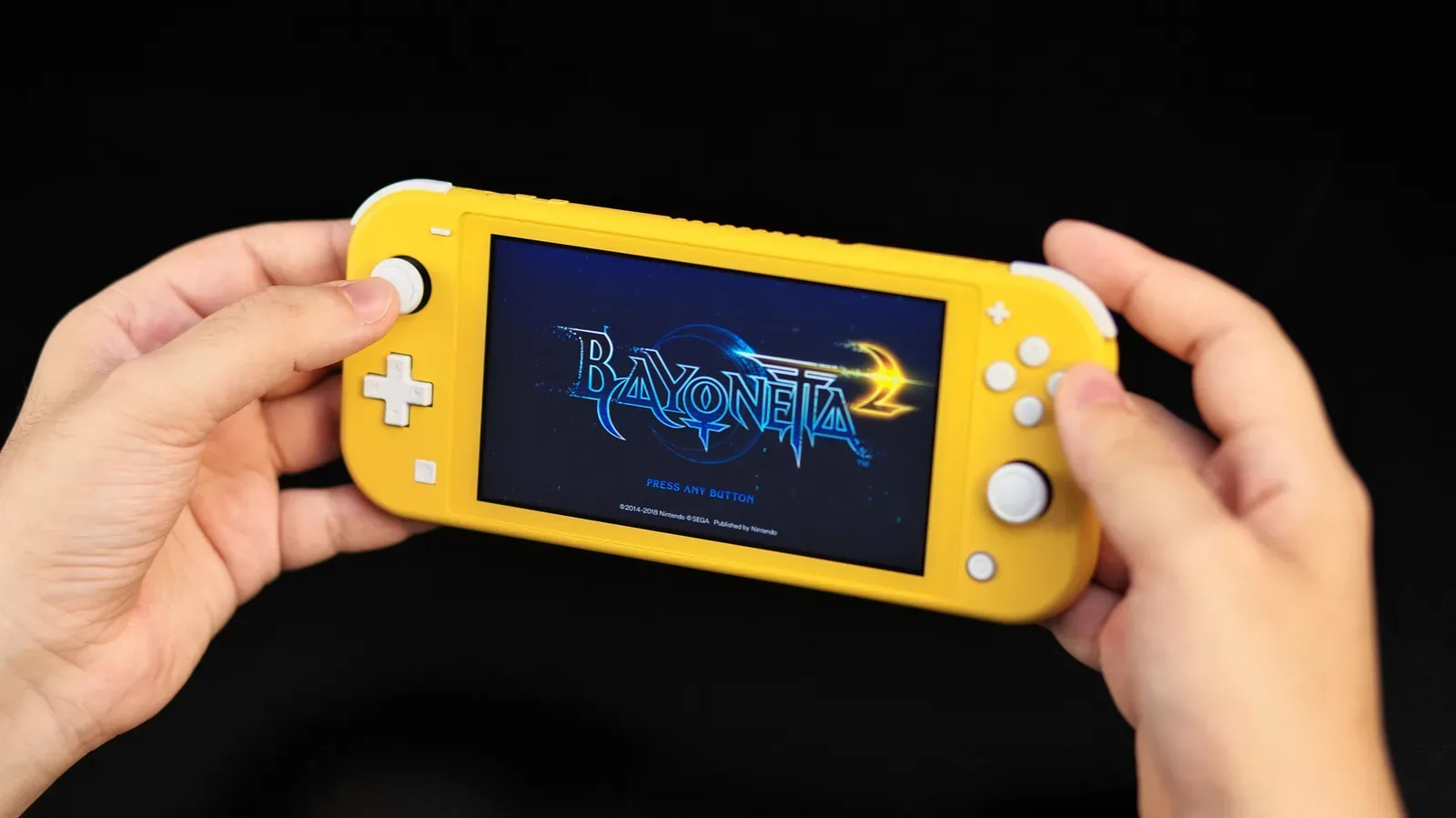
The cheapest new mainstream gaming console in 2026 is the Nintendo Switch Lite, at $230. That answer is refreshingly simple, at least until the next question arrives: cheap for what, exactly?
A console purchase is not only a hardware purchase. It is an entry ticket to a particular game catalog, store, physical-media ecosystem, subscription structure and set of limitations. The Switch Lite costs far less at checkout than the current $500 Xbox Series S, $500 Nintendo Switch 2, or $600 PlayStation 5 Digital Edition. But the very factors that make it inexpensive—older Switch hardware, a handheld-only format and a dependence on Nintendo’s existing library—also define who should buy it.
For somebody who wants a new device that can play a deep catalog without spending console-sized money on the console, the Lite is the clear answer. For somebody prioritizing new Switch 2-only releases, television play, high-end visual performance, or a library built around steep digital sales, the cheapest hardware may not be the least expensive route over several years.
That distinction is the useful one. A low entry price gets a player into games quickly; a low total cost depends on what they play after that.
The entry-price winner is Nintendo’s handheld-only Switch
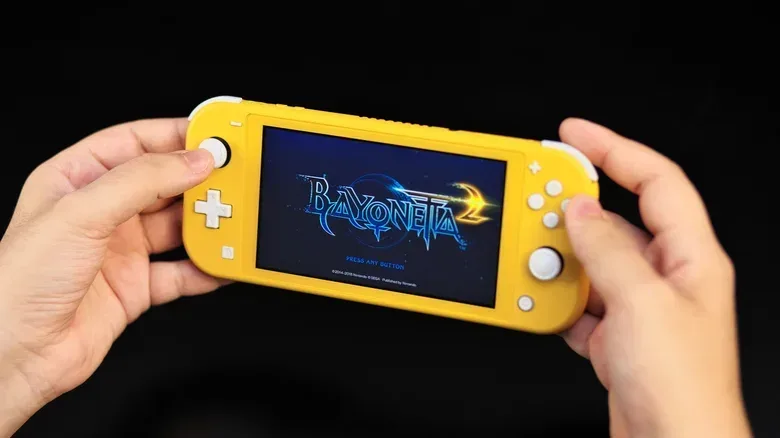
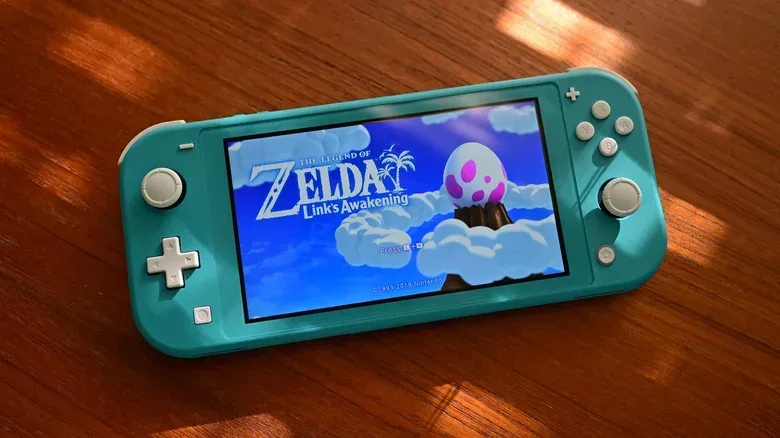
The Switch Lite is a version of the original Nintendo Switch platform, introduced in 2017. At $230, it lands well below the current mainstream alternatives discussed here. It is also a conventional dedicated game device rather than a niche handheld or one of the many generic Android-based systems.
Its two major compromises should be understood before the lower price is celebrated. First, it cannot play Switch 2 exclusives. That does not make its library small: it can access a substantial catalog that includes Nintendo releases such as Super Mario Odyssey and The Legend of Zelda: Tears of the Kingdom, along with games including Hades, Portal and Undertale. It does mean a buyer is choosing an established generation rather than Nintendo’s newest one.
Second, the Lite cannot dock to a television. “Docking” is the act of connecting a compatible Switch to a dock so its image can be played on a TV. On the Lite, games are a handheld experience. That may be ideal for a personal, portable device, but it rules out one of the standard Switch format’s defining conveniences. A household hoping to gather around a television should not treat this as a minor specification.
These constraints are not hidden fees, and they do not make the Lite a bad value. They simply describe its value proposition accurately: a lower-cost handheld gateway to the original Switch catalog, not an inexpensive substitute for every current Nintendo experience.
Why the other mainstream consoles start much higher
The current pricing gap is stark. Sony’s disc-free PlayStation 5 Digital Edition is listed at $600, while Microsoft’s all-digital Xbox Series S costs $500. The Switch 2 also starts at $500. Each is at least $270 more than a Switch Lite before a player has bought a game or paid for a service.
Those machines may still be the appropriate choice when their individual libraries or capabilities matter most. The point is not that a $500 system has no value; it is that it is difficult to call one a budget console in the same sense as a $230 handheld.
Storage-media design is an important dividing line. The PS5 Digital Edition and Xbox Series S do not have disc drives, so their owners buy games through the respective digital stores and cannot use used discs. A digital-only platform is not automatically expensive: sales can be meaningful, particularly on older releases. But the buyer’s options are limited to the discounts and prices offered in that storefront.
The Switch 2 costs the same $500 as the Series S, but it offers a different flexibility point: compatible physical Switch game cartridges can be purchased used. Used games do not guarantee a bargain, particularly when demand stays high, but they create another way to shop. The Switch 2 can also be bought in bundles with Mario Kart World or Nintendo Switch Sports Resort, giving some buyers a game immediately for a higher initial outlay.
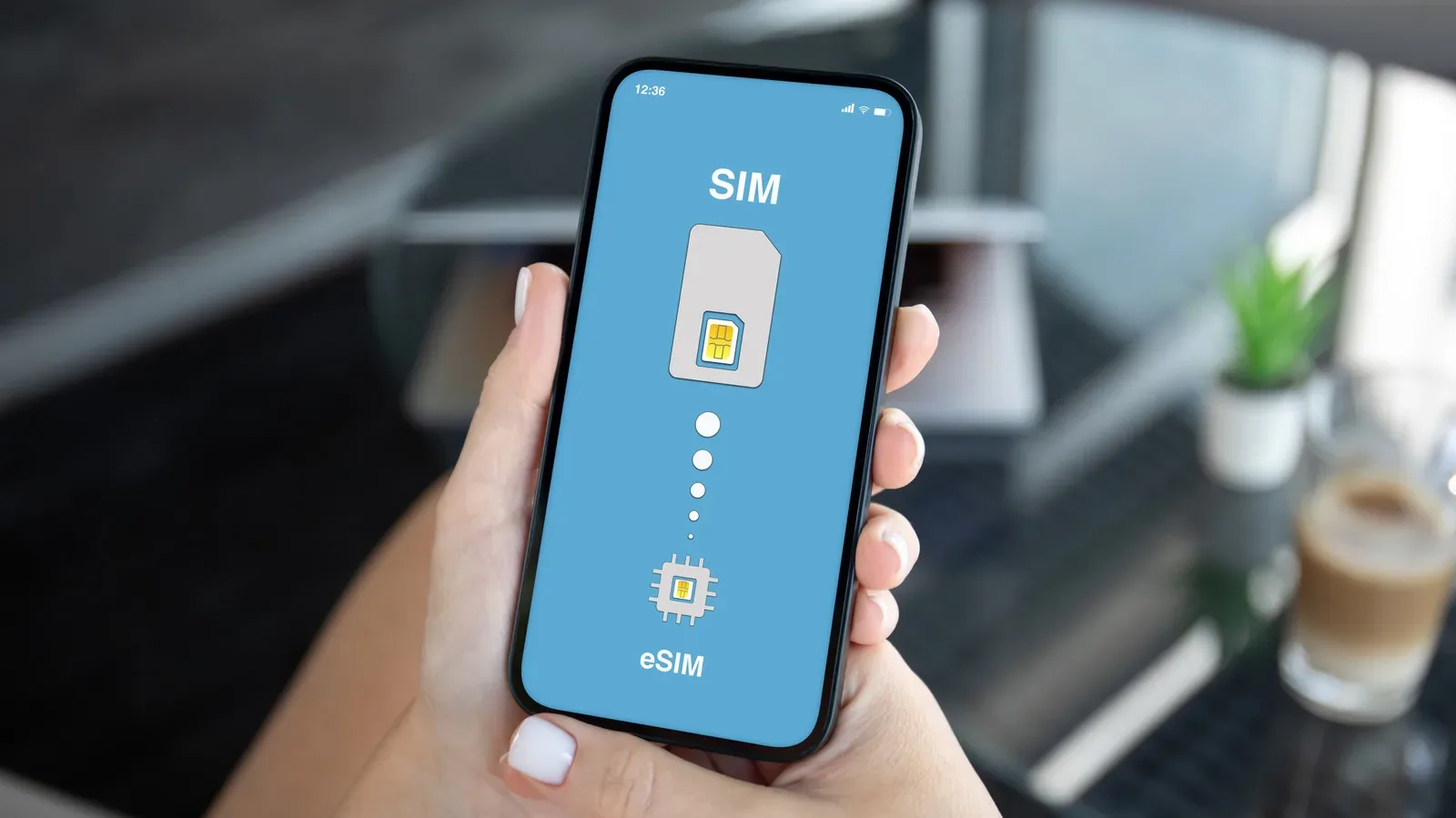
This is where “physical versus digital” becomes more than a collector’s preference. A physical copy can potentially be found second-hand and resold later. A digital purchase is tied to its store ecosystem and pricing. Neither option is universally better, but players trying to stretch a fixed budget should account for which purchasing routes their chosen hardware permits. The same habit of checking compatibility and practical limitations before paying applies in other consumer-tech categories too, as in this guide to eSIM versus physical SIM trade-offs.
The game library can reverse a hardware bargain
Hardware price is the number that stands in the store aisle, but game spending is where a long-term budget is built. Major new releases are commonly priced at $60 or $70, and Grand Theft Auto VI is priced at $80. One or two full-price purchases do not erase the Lite’s $270 advantage over a $500 console, but regular full-price buying can narrow the gap much faster than expected.
Nintendo’s software pricing pattern is especially relevant to the Switch Lite decision. Older Nintendo games can hold their price unusually firmly, including titles that have been available for many years. A person buying the Lite specifically for a few desired Nintendo games may still be making a sensible purchase: they know the entry cost and the games they want. A person planning to build a large library mainly through heavily discounted downloads should recognize that Nintendo’s store may not offer the same cadence of deep price cuts available on PC storefronts.
There is an upside to the Switch family’s cartridge support. Used Switch games can be a practical route into that existing catalog, particularly for a buyer willing to shop beyond a single digital storefront. The Switch Lite itself is still constrained by its inability to run Switch 2-only software, but the enormous original Switch catalog means there is plenty to seek out without chasing every newest release.
The practical question is not, “Will I buy games?” Of course a game console needs games. It is, “Which games will I realistically buy, and in which format?” Someone content with a small set of favorites, occasional used cartridges and older titles may keep a Lite setup inexpensive. Someone determined to buy every major Nintendo release digitally at launch is making a much more costly commitment than the $230 hardware number suggests.
Subscriptions save money only when the math works
Game Pass and PlayStation Plus can reduce the cost of playing a lot of games, depending on how a person uses their libraries. But they are recurring costs, not a free add-on. The services mentioned here range from $10 to $23 per month.
A subscription makes the most financial sense when it replaces purchases a player would otherwise make and when that player has time to use it. Paying every month while only sampling one game occasionally is a different proposition from finishing or regularly returning to multiple included titles. It also differs from owning a particular game outright. The right calculation is personal, but the principle is straightforward: include recurring charges in a console budget rather than comparing hardware alone.
This helps explain why a $500 console is not necessarily $270 more expensive in every player’s real life, and why a $230 console is not necessarily a complete $230 solution. A player who gets sustained use from a subscription library may value the higher-cost machine differently. A player who dislikes monthly commitments may prefer to buy a handful of specific games and stop there.
Free-to-play games complicate the equation further. Current platforms offer well-known games that can be played without an upfront game purchase, including Overwatch, Rocket League, The Finals, Fall Guys and Genshin Impact. These can provide hundreds of hours of entertainment, but “free-to-play” does not mean that spending is impossible. Such games use their own monetization systems, so a budget-conscious player should treat optional purchases as optional and set boundaries accordingly.
Why a far pricier handheld PC may cost less over time
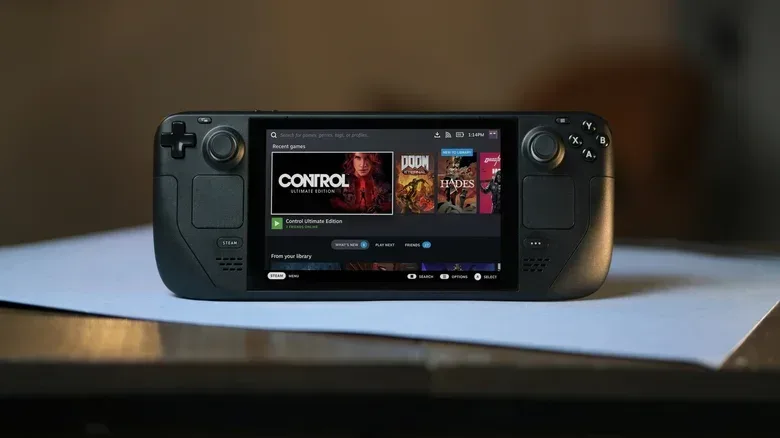
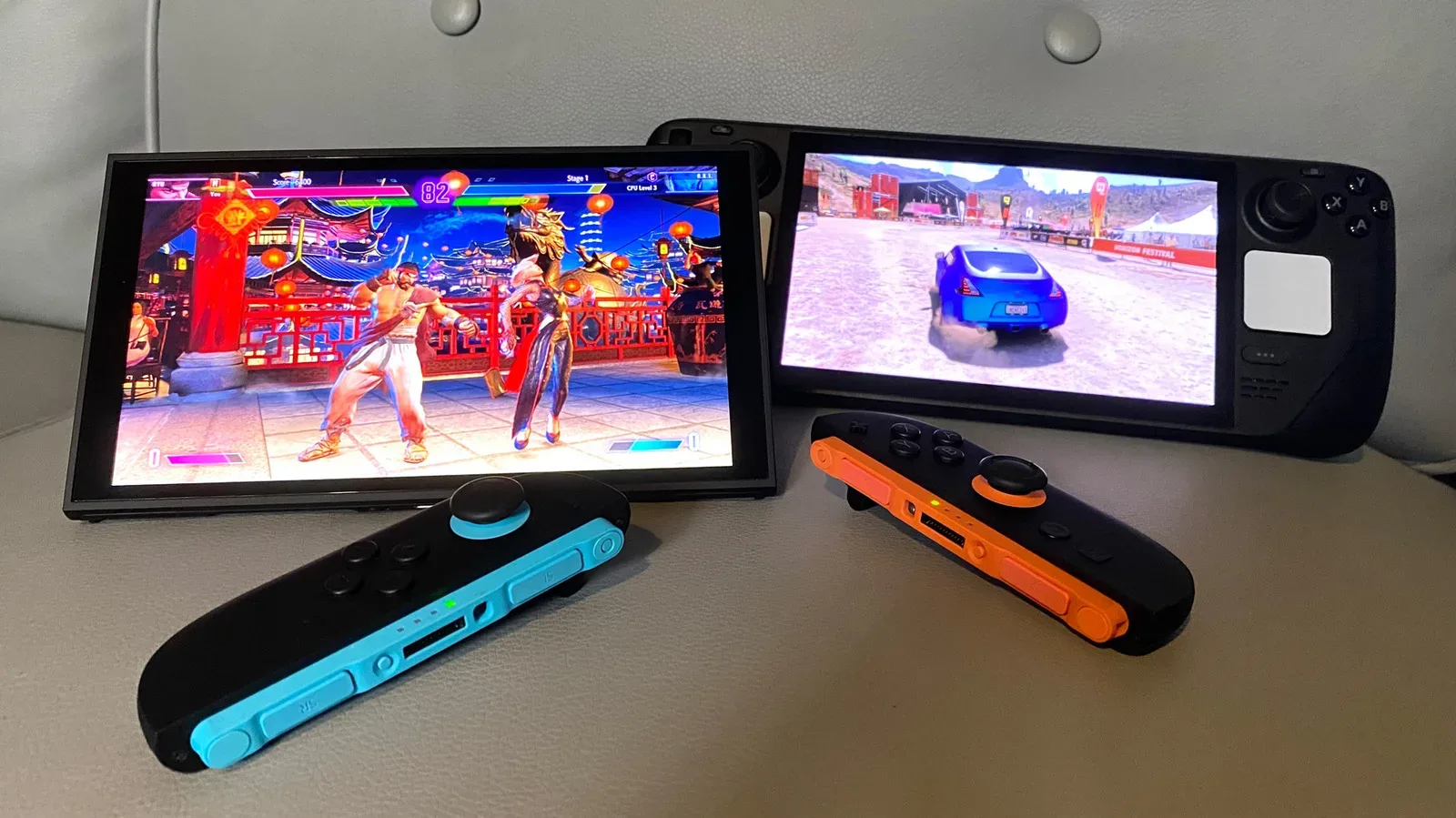
Handheld PCs demonstrate most clearly why console buying should be evaluated as an ecosystem decision. Valve’s Steam Deck OLED starts at $789, and the ASUS ROG Xbox Ally X is priced at $1,000. Even less expensive worthwhile handheld PC options are not generally expected below $600 when bought new. That makes them an odd answer to anyone whose only question is the lowest upfront price.
They have a different economic argument: PC storefronts such as Steam and GOG offer decades of games and frequent sales. Older titles can fall to a few dollars, and even newer releases may be discounted within months. A player who buys many games over time could make up part of the larger hardware gap through lower software prices. That is a possibility, not a guarantee; it depends on the games desired, patience for sales and the size of the library the buyer actually builds.
Handheld PCs are also PCs. Beyond their gaming-focused interfaces, they can run productivity applications. A Switch or PS5 is not designed to fill that role. For someone who can genuinely use a portable computer as well as a gaming device, that flexibility has value. For someone who only wants a simple, dedicated handheld for a few games, paying several hundred dollars more for computing potential may be unnecessary.
Like all-digital consoles, handheld PCs do not use standard game cards or discs. Their advantage is not physical media; it is access to the PC download market and its price competition. Buyers considering retro ROMs should also remember that copying games to an SD card does not transform the device into a physical-media console, and software access should be approached responsibly.
Choosing the right kind of cheap
The Switch Lite is the best answer for the narrow question of the cheapest new mainstream gaming console: it costs $230. It is most compelling for a player who values handheld play, wants the original Switch catalog and accepts that Switch 2 exclusives and TV docking are outside the deal.
The Switch 2 is a more expensive step up that retains access to used physical Switch games and offers bundles. The Xbox Series S and PS5 Digital Edition may appeal through their respective game libraries and services, but their disc-free designs remove used-disc shopping. A handheld PC is emphatically not a low-cost purchase on day one, yet it can be worth considering for players whose habits align with PC storefront sales and who value productivity capability.
So the useful shopping order is simple: pick the games and screen format you actually want, list whether used media, subscriptions and sale-heavy digital stores matter to you, then compare the hardware price. The Switch Lite wins the first number. The winner for a particular budget is the machine whose library and buying rules will not turn that first number into an expensive surprise.