Choosing between an eSIM and a physical SIM is less like choosing between a sports car and a shopping cart than choosing where to keep the keys. Both formats identify a customer’s subscription on a cellular network. Neither one inherently improves signal reception, call quality or data speed. The meaningful difference is how the service is activated, stored and moved to another phone.
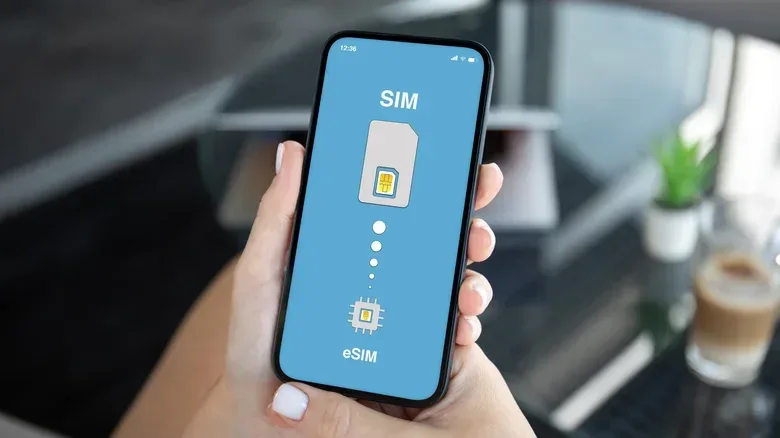
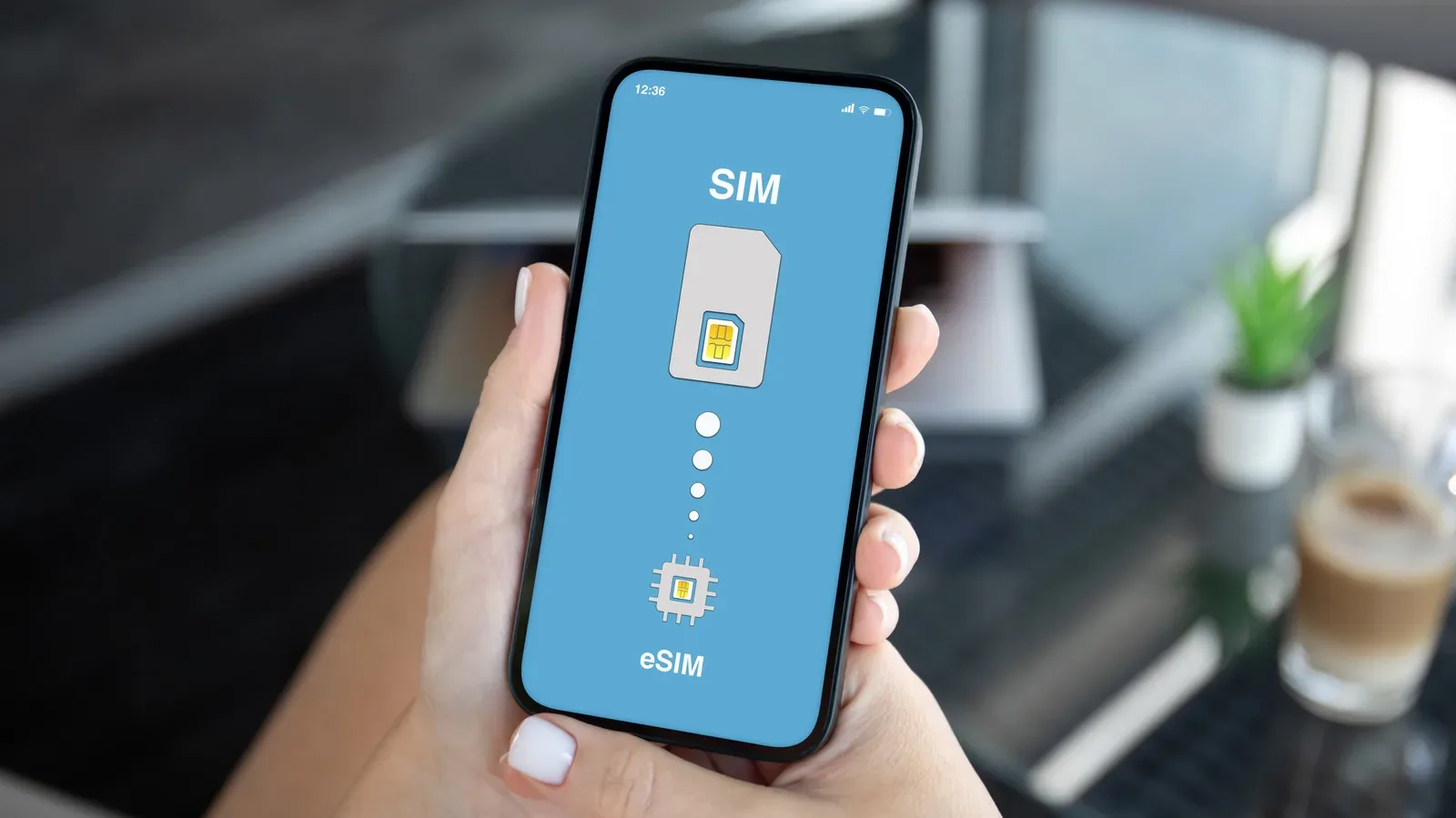
A physical SIM is the familiar removable card that sits in a phone’s tray. An eSIM, short for embedded SIM, uses hardware built into the device and a downloadable carrier profile. That profile can commonly be activated through a phone’s settings, a carrier app or a QR code. The digital route can be wonderfully tidy—right up until a carrier turns a simple transfer into a side quest involving apps, replacement codes and support channels.
For people who want a second number, frequently travel, or simply dislike keeping track of tiny pieces of plastic, eSIM can be a practical upgrade. For people who move service among older devices, rely on the fastest possible fallback when a phone dies, or encounter inconsistent carrier support, the old removable card retains a very real advantage.
First, clear up the biggest misconception: eSIM is not faster
It is easy to assume a newer, less visible piece of technology must deliver a better connection. In this case, that is the wrong stat to chase. An eSIM and a physical SIM perform the same core job: they identify the subscription that allows a phone to connect to its mobile network. The choice does not, by itself, produce better reception or faster data.
That matters because it frames the decision correctly. A switch to eSIM should be about management and flexibility, not a promised signal boost. If a phone struggles for coverage in a location, changing SIM format is not presented here as a cure. Likewise, someone happy with their physical SIM should not feel pressured to change merely because eSIM is digital.
Where eSIM is genuinely convenient
Activation without the tiny tray ritual
With a supported device and plan, an eSIM can be activated without waiting for a physical card to arrive or opening the phone’s SIM tray. This is useful when starting a new plan or setting up service on a newly purchased phone. Instead of relocating a card, the user downloads the appropriate profile through the available activation method.
The benefit is not that the process is magically effort-free. It is that the process can happen digitally when the phone and carrier cooperate. That distinction is important: eSIM reduces the need for a physical object, but it does not remove a provider’s activation rules.
Multiple profiles can simplify two-number life
Compatible phones can hold multiple eSIM profiles. In practical terms, that can make it easier to separate a work number from a personal number without carrying spare SIM cards. It also gives users an option to retain a physical SIM for one supported line while using eSIM for another. The format does not have to be an all-or-nothing lifestyle choice.
Related coverage includes eSIM vs. Physical SIM: The Trade-Offs Behind Going Digital.
This hybrid approach may be the least dramatic answer for many people. Keep the removable line that is already working, then use eSIM where the digital setup supplies a clear benefit. No need to declare allegiance to Team Tray or Team QR Code.
Travel can be the clearest use case
For an unlocked, compatible phone, a travel eSIM can be purchased before a trip rather than after arriving and finding a retailer with physical SIM cards. A traveler can keep that plan stored but dormant until another trip, instead of potentially misplacing a small card at home.
Depending on the plan, using travel eSIM data may cost less than roaming on a home carrier. But “depending” is doing the heavy lifting. Some domestic plans already include international roaming, in which case purchasing and configuring another plan may add hassle without adding value. The smart move is to compare the existing plan’s roaming terms with the travel option before making changes.
Digital profiles are part of a broader shift toward account-based convenience. For a related look at how different digital systems define where and how money can be used, see this overview of digital wallet types. The common lesson is simple: a digital option can be convenient, but its practical limits are set by the provider’s rules and the device ecosystem.
The friction point: compatibility and transfer rules
The biggest caveat is compatibility. Both the phone and the carrier need to support eSIM, and support can differ by phone model and market. A downloadable profile is not useful if the device cannot accept it or the provider will not activate it.
Carrier locking is a separate issue that eSIM does not bypass. To use another provider’s plan, including a travel plan from another provider, a phone generally needs to be unlocked. That is worth checking before buying anything. An activation method that looks straightforward on a checkout page can become useless if the handset is locked to a different carrier.
There is also no universal transfer experience. Apple’s eSIM Quick Transfer can move service between compatible phones without contacting support. Other carrier workflows may require a carrier app, a replacement QR code or customer-service assistance. Direct eSIM transfers between some iPhones and Android phones are improving, but that does not mean every phone, provider and region will work identically.
This is the part of the debate that gets buried beneath sleek “go digital” messaging. The embedded technology may be capable, but the quality of the experience depends on the surrounding tools. A physical SIM transfer can be as basic as moving the card to another compatible phone. An eSIM transfer can be equally smooth—or it can depend on the exact instructions a carrier makes available.
International use requires settings, not optimism
A travel eSIM introduces one especially important setup task: make sure the phone is configured to use the travel eSIM for data after arrival. Failing to do that could leave the regular line handling data instead, potentially triggering roaming charges under the home carrier’s terms.
There may be situations where the original phone number remains usable while the travel plan handles data. However, users should read the carrier fine print carefully because roaming fees can still apply. Turning the regular line off is a more decisive way to prevent it from being used, but it also means no cellular calls or texts will arrive on that number while it is disabled.
That trade-off is not a flaw unique to eSIM; it is a consequence of managing more than one line or plan. Still, eSIM’s convenience can encourage a casual “I’ll sort it out at the airport” approach. It is better to establish which line handles data, what happens to calls and texts, and whether the phone is unlocked before a trip begins.
Why physical SIM cards still have a strong case
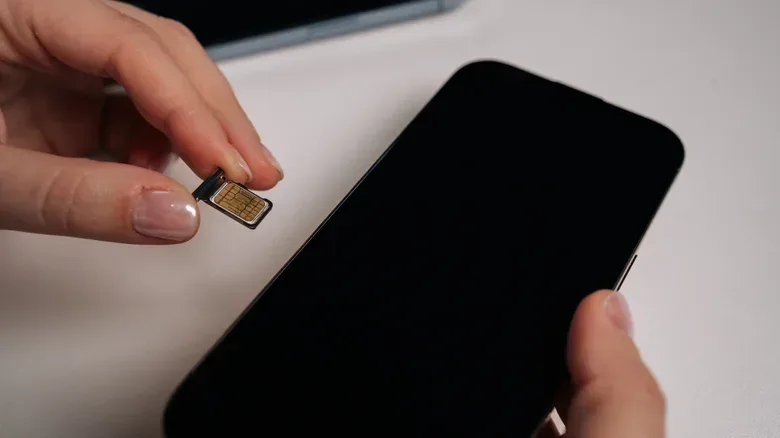
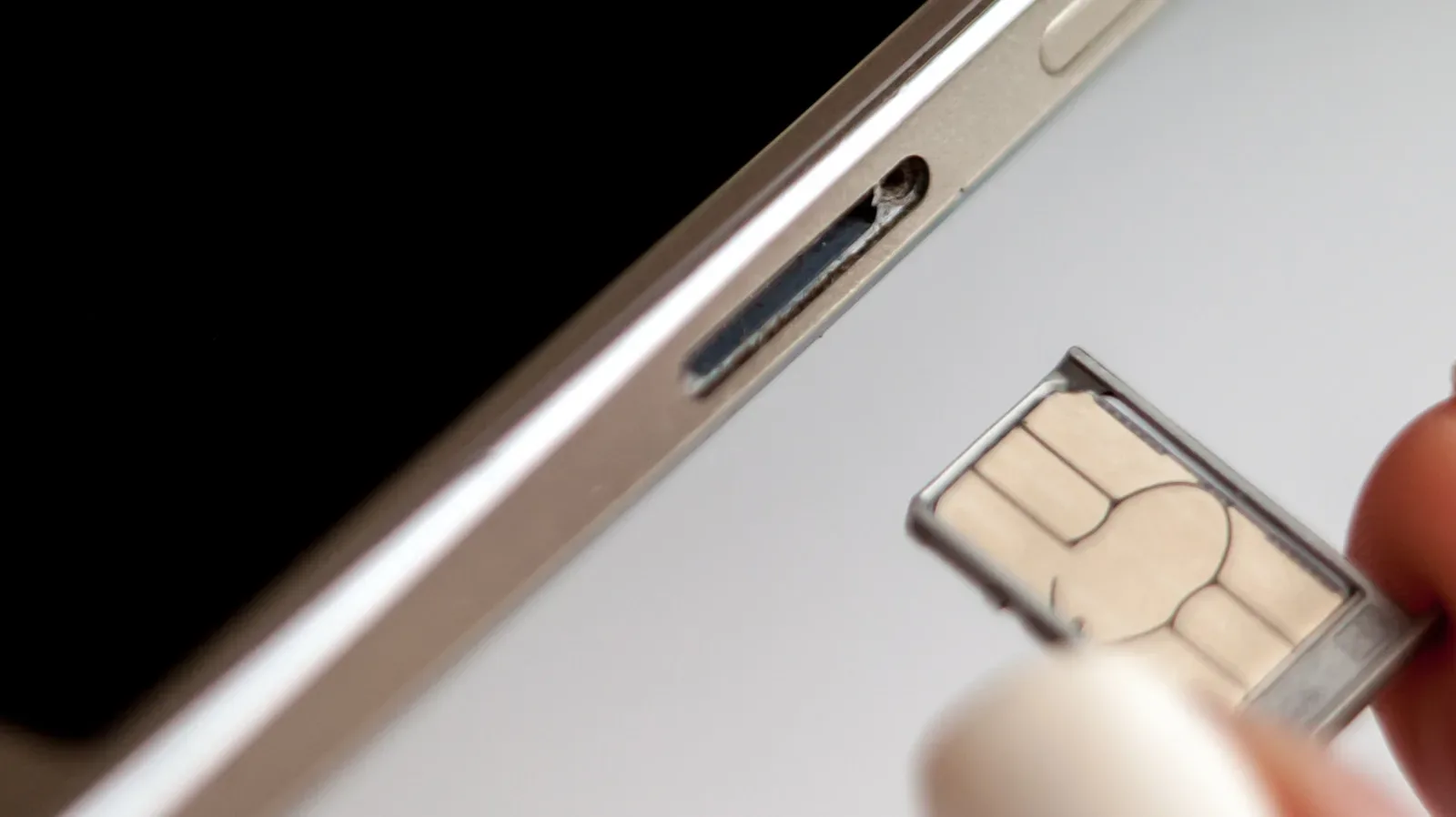
The physical SIM’s key virtue is wonderfully unglamorous: it is tangible and direct. If a compatible replacement phone is available, moving the card can be as simple as opening the tray and transferring it. There is no profile to download and, in the basic scenario, no carrier workflow to navigate. The card can be lost or mishandled, certainly, but it also offers a clear fallback when a person needs to shift service quickly.
Physical cards also work with a wider range of older and simpler phones. That matters for anyone maintaining an older handset, choosing a minimalist device, or helping someone who does not want a fully app-driven setup. The continued usefulness of a physical SIM is therefore not nostalgia. It is compatibility.
Security is another area where slogans can mislead. The lack of a removable card does not eliminate account fraud or SIM-swap scams. eSIM changes how service is provisioned, but it is not described as a complete defense against abuse of a mobile account. Users should avoid treating digital activation as an automatic security upgrade.
A practical checklist before choosing
- Check device support: Confirm the specific phone model supports eSIM in the relevant market.
- Check carrier support: Verify that the current provider, or a prospective travel provider, can activate eSIM on that device.
- Check lock status: A carrier-locked phone generally cannot use another provider’s plan simply because the plan is an eSIM.
- Understand transfer steps: Find out whether a future move requires Quick Transfer, an app, a new QR code or customer support.
- Compare travel costs: Look at existing international-roaming benefits before buying a separate travel plan.
- Set the data line deliberately: When traveling, confirm the travel eSIM—not the regular line—is selected for data.
- Consider a mixed setup: If the phone supports both, retaining a physical SIM while adding an eSIM line may provide the best balance.
The best format is the one that removes your actual annoyance
eSIM is most compelling when its particular conveniences match a person’s needs: activating a plan without mail, keeping work and personal numbers separate, or preparing travel data in advance. It can reduce clutter and streamline setup, while the removal of SIM slots may give manufacturers room for larger batteries or other hardware improvements.
Physical SIM remains the stronger option when broad device compatibility and a simple, self-managed transfer matter most. Its modest little tray is not obsolete merely because a profile can be downloaded.
Ultimately, this is a choice about which kind of friction a person prefers to avoid. eSIM removes the object but can introduce provider-dependent process. A physical SIM preserves the object but makes the basic act of switching compatible phones very straightforward. With a device that supports both, there is no reason the answer cannot be both.