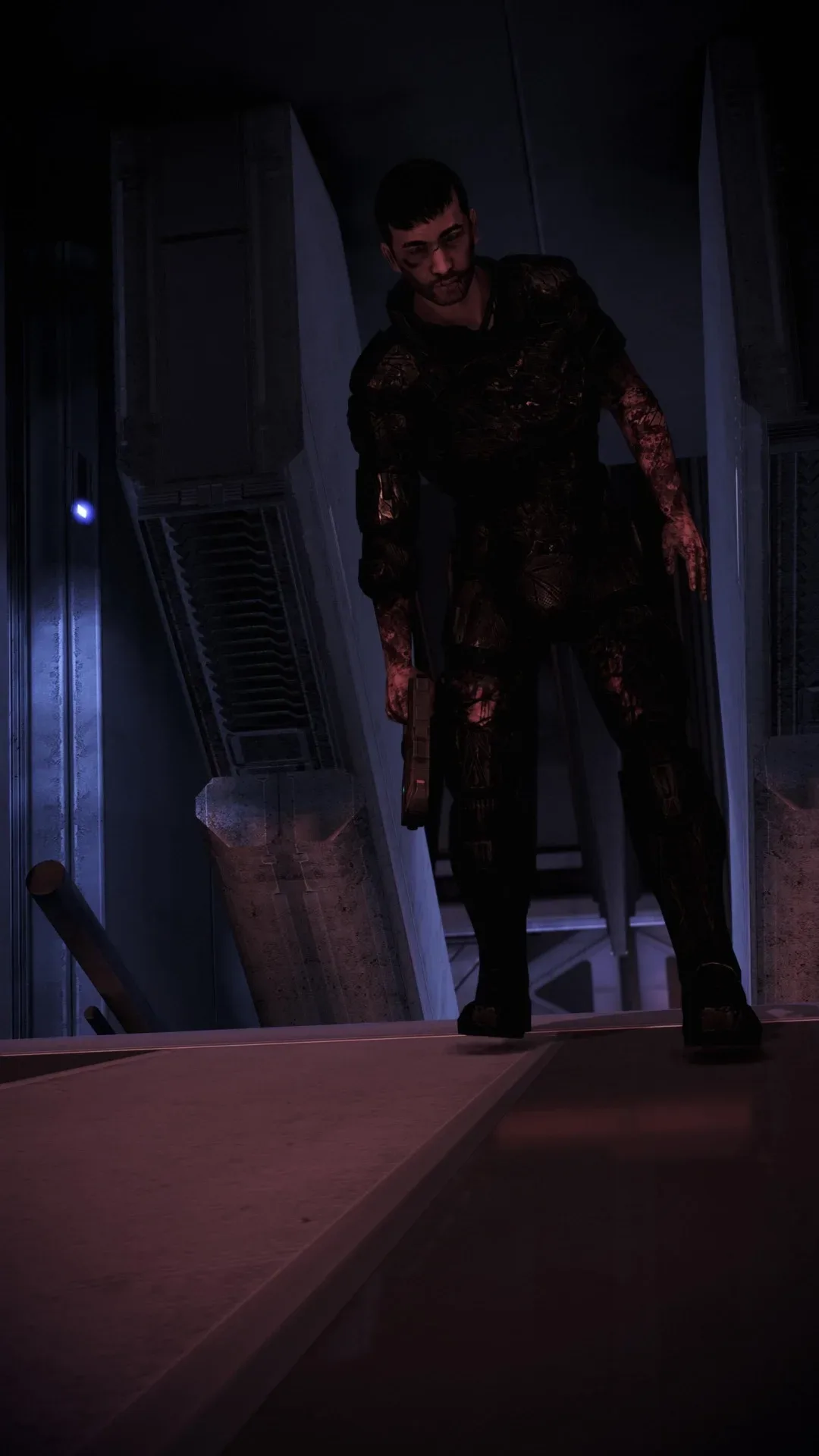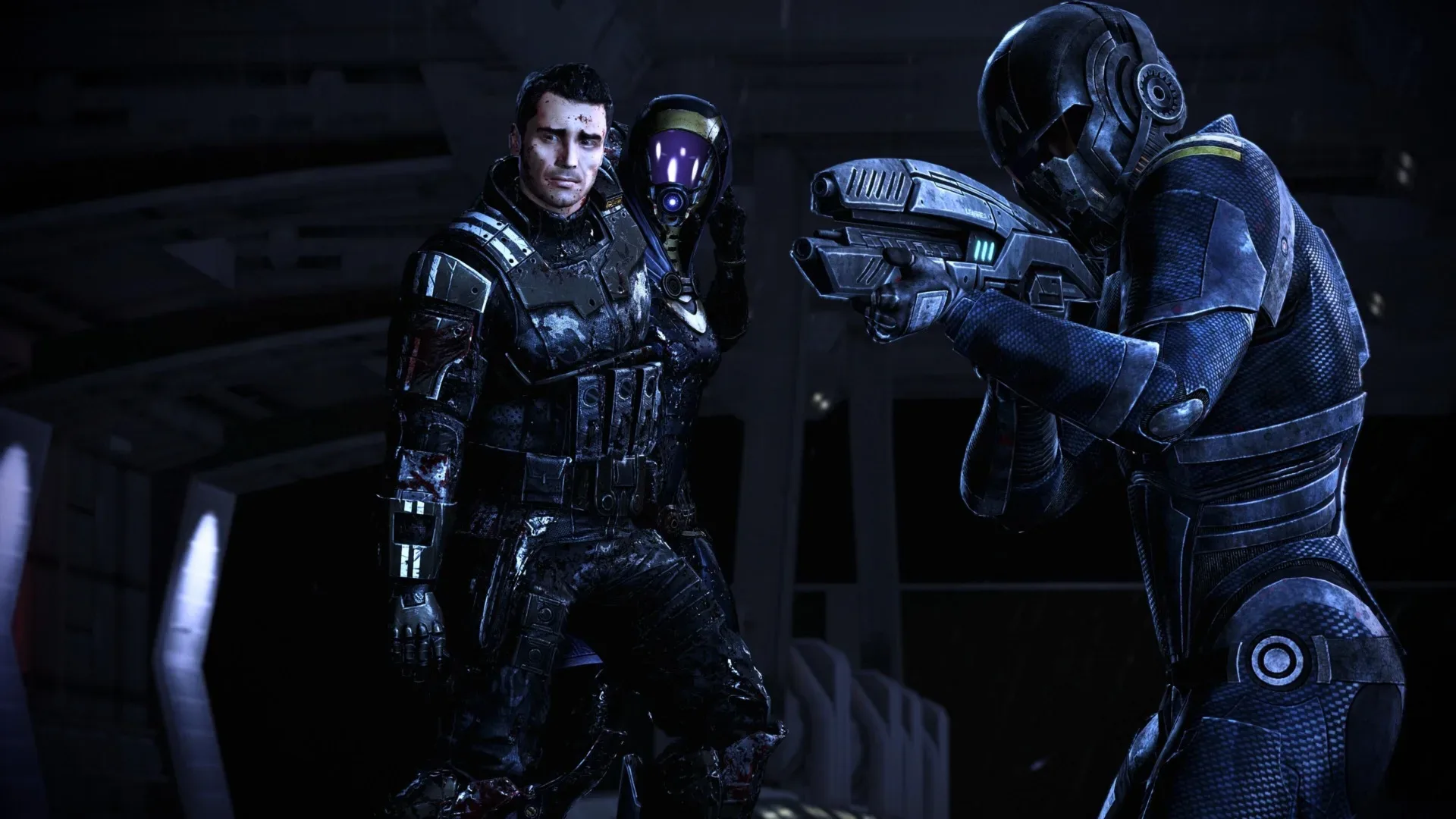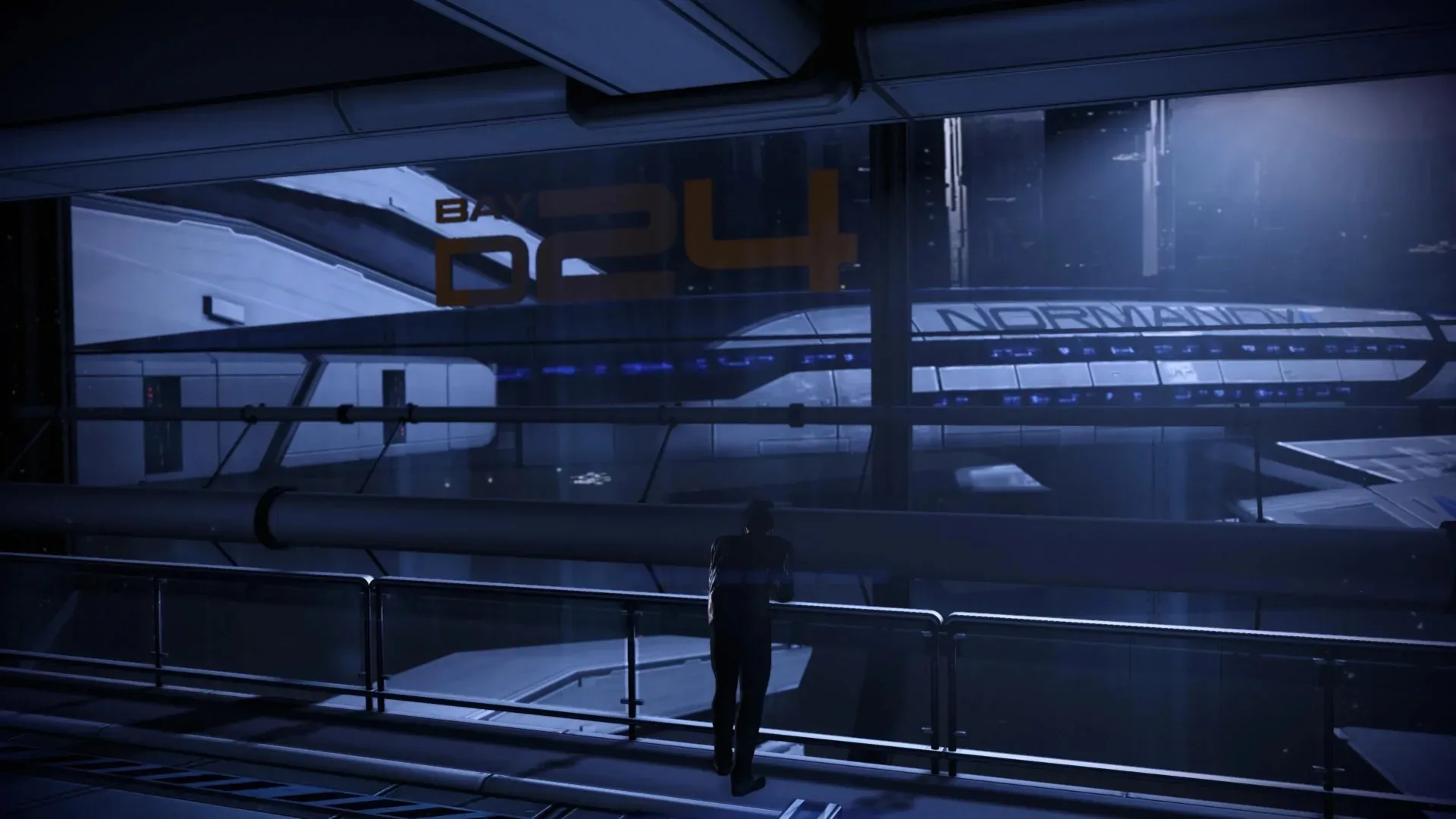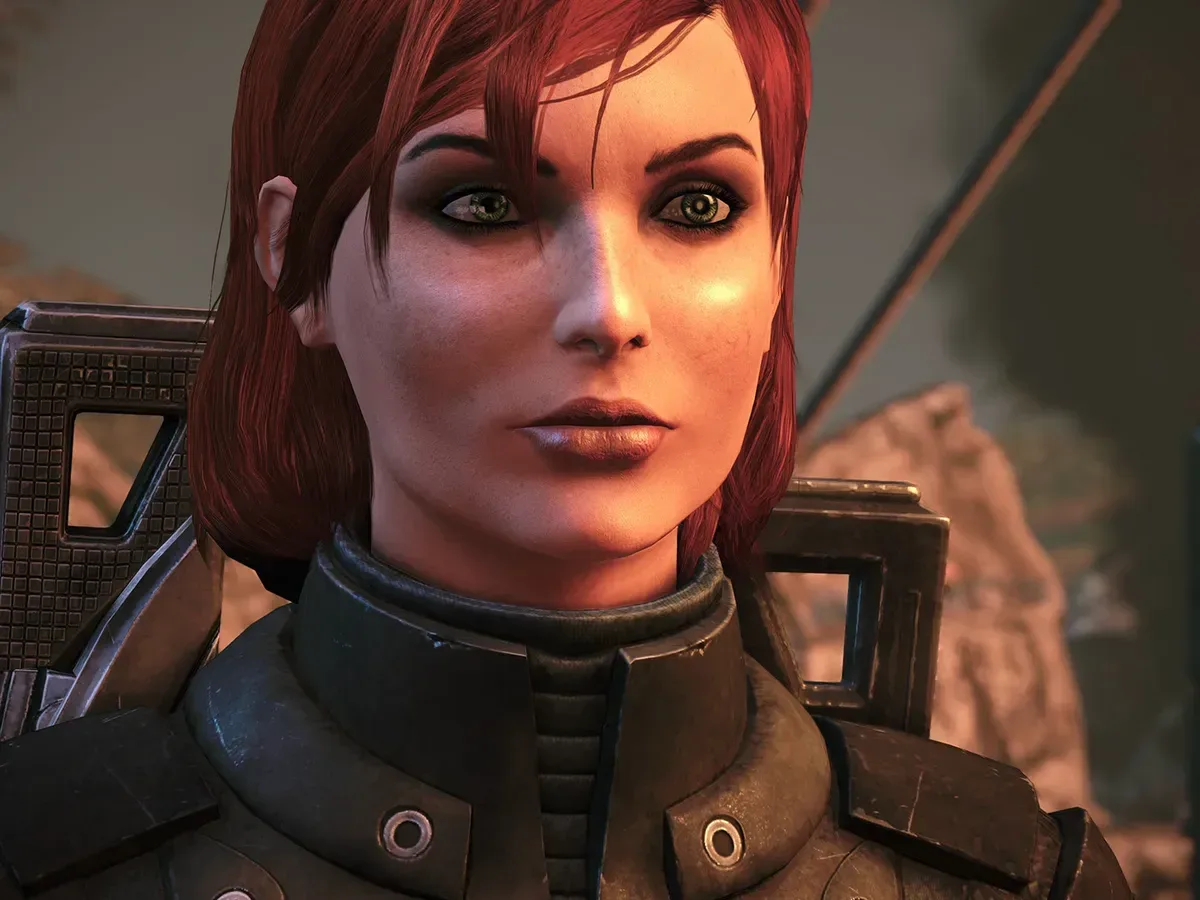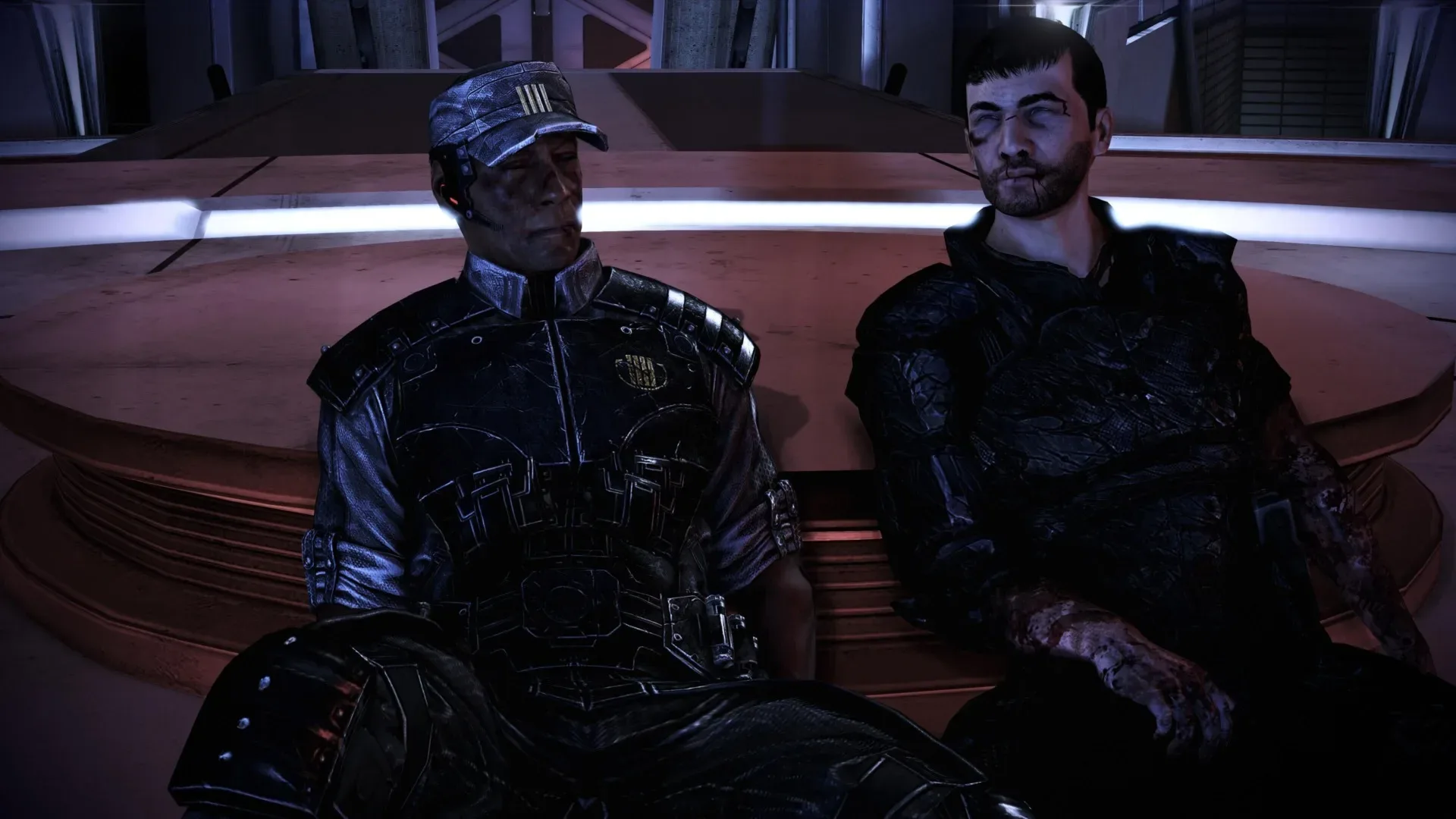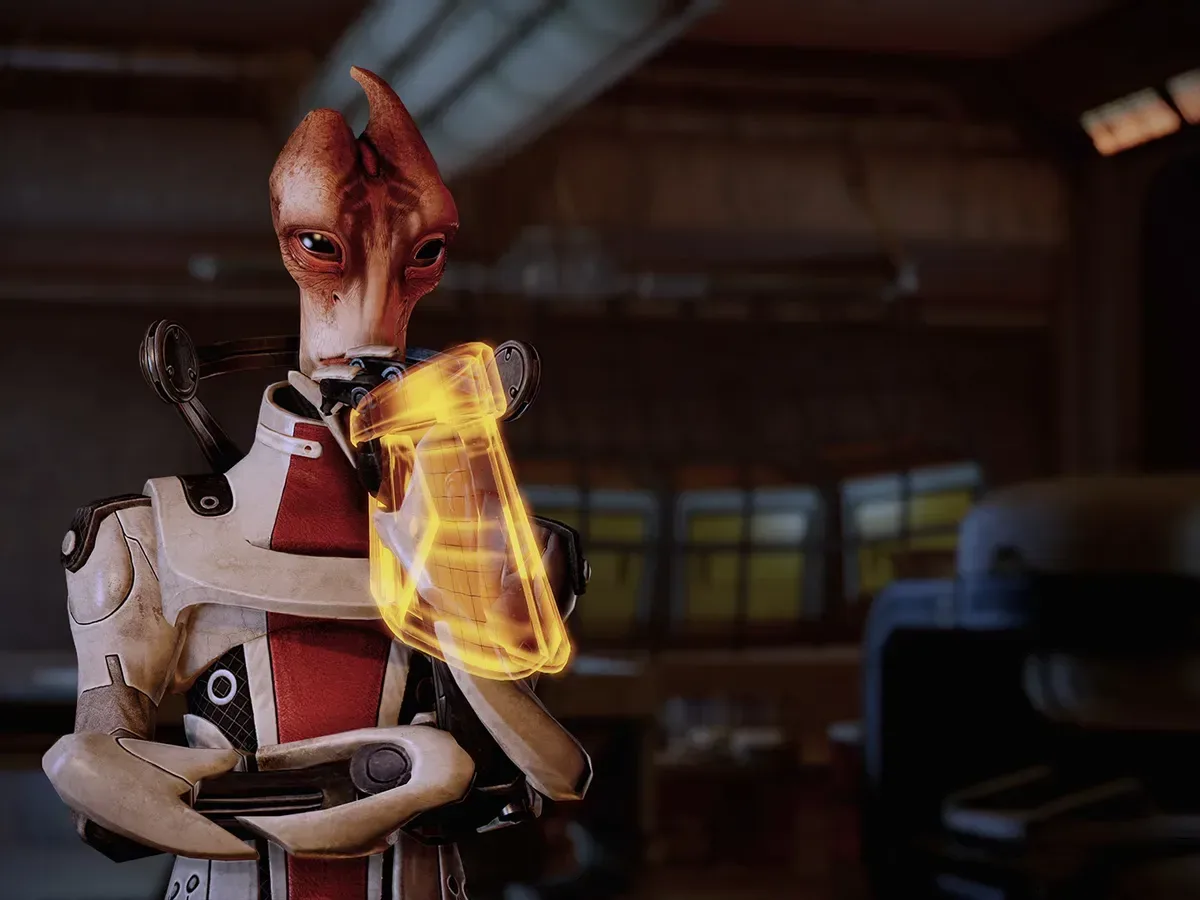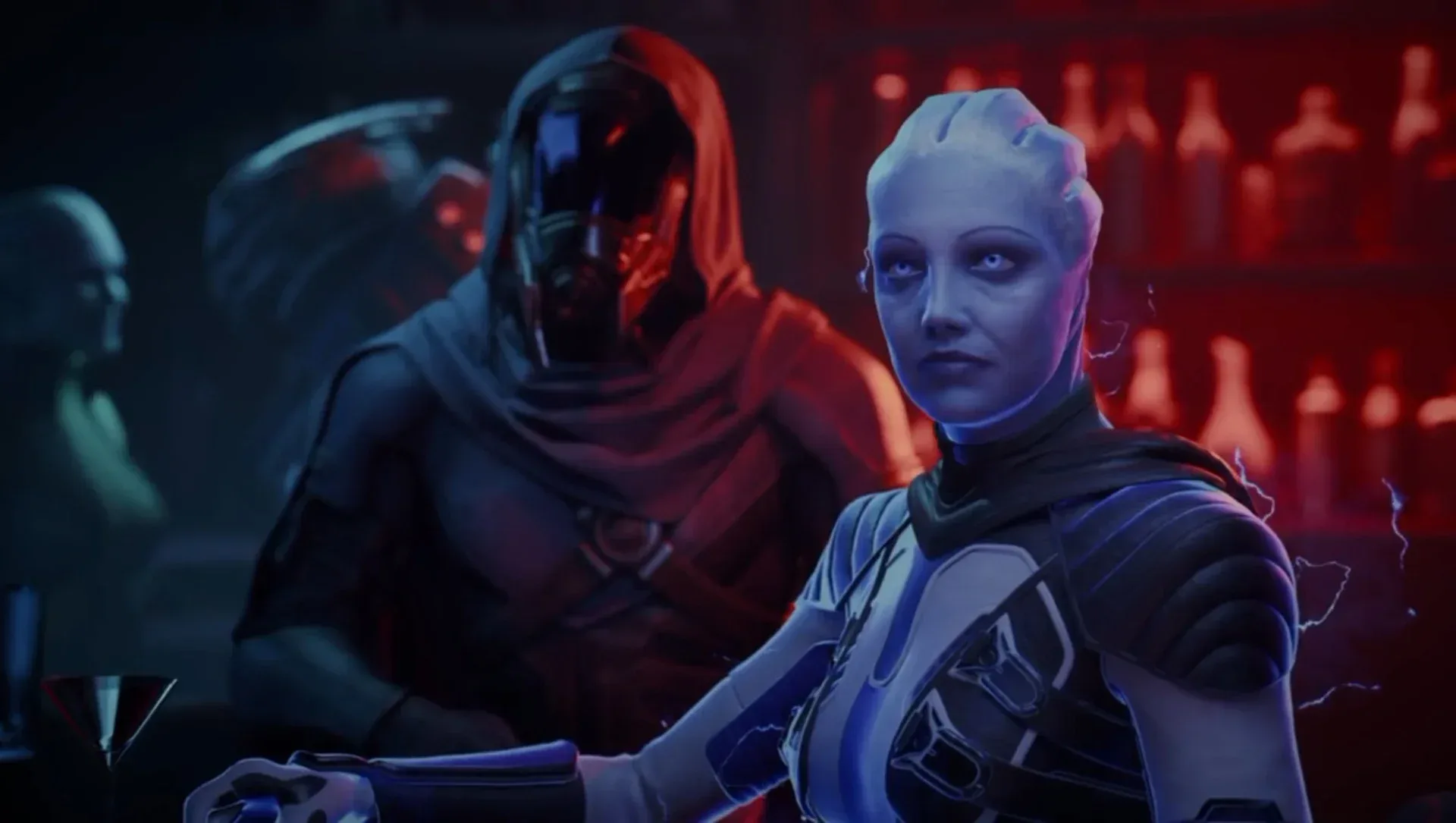
There is a particular kind of silence that only appears after an RPG has been thoroughly finished. Not merely after the credits, but after the errands have been cleared, companion conversations exhausted, messages read, loyalty earned, romances resolved, and every optional corner checked. The world remains loaded on the screen, its rooms and characters physically present, but its ability to surprise the player has gone.
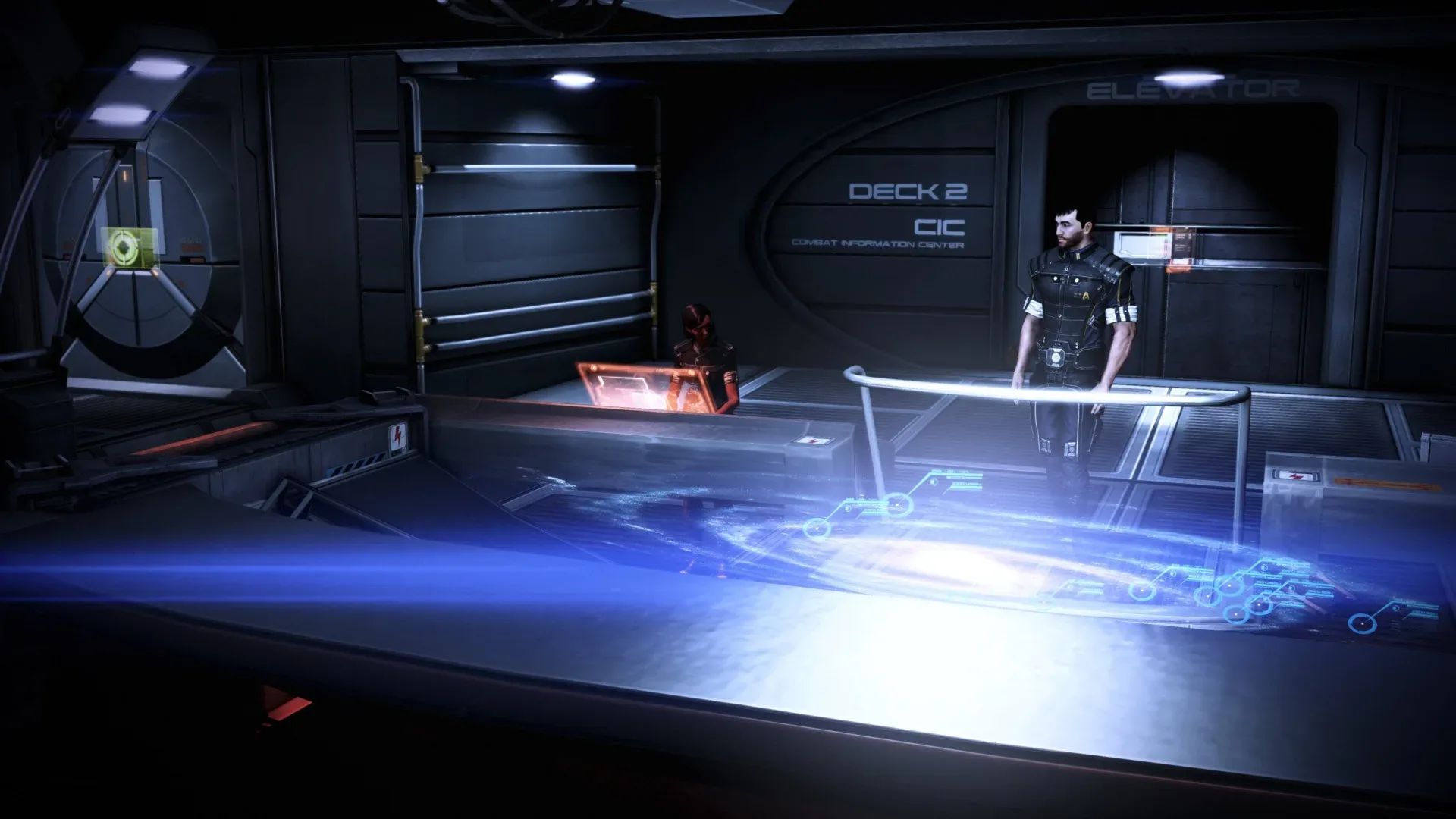
For Mass Effect 3, that silence is especially sharp aboard the Normandy SR-2. The ship’s Command Information Center, or CIC, is a mission-planning space built around motion: a glowing galaxy map, incoming messages, crew conversations, and the constant implication that the next stop might change the fate of a squadmate, a civilization, or Commander Shepard. On a completionist save approaching the finale, it becomes something else. The map is still there, but there are no unread emails, no fresh dialogue branches, and no unresolved assignment waiting to pull the crew into another star system.
In the wake of BioWare’s reported closure, returning to that state has taken on a harsher meaning for many people who treated the studio’s games as landmarks in their own lives. The immediate concern is not simply whether a company still exists. It is the possibility that a future Mass Effect game—one that seemed able to offer a new destination without erasing the old journey—will never become playable.
That distinction matters. Fans can revisit the original trilogy through Mass Effect: Legendary Edition, the 2021 remaster collection, and the games do not vanish because development has stopped. But revisiting a finished game is not the same thing as receiving a new story. A replay lets players make different choices, see scenes in a new order, or return to an old favorite relationship. It cannot recreate the first moment of not knowing what waits on the other side of a relay.
A ship designed to feel like home
The Normandy works because it is more than transport between missions. It functions as the trilogy’s recurring social space. Players leave it to pursue battles and quests, then return to check on their crew. Those visits give the series’ choices a place to land. A major decision is not only a branching flag in the game’s underlying logic; it becomes a subject that friends, officers, engineers, and love interests may react to in the corridors afterward.
That is why an empty Normandy can feel less like a menu hub and more like a haunted house. The architecture is unchanged. Familiar characters are present. Yet dialogue has collapsed into standard greetings, the kind games use once bespoke conversations have been spent. The result is an unusual form of absence: the player has successfully done everything asked of them, and success has made the home base quiet.
It is also a reminder that the trilogy was built as a finite experience. Finite does not mean small, disposable, or incapable of being replayed. It means the story has an intended endpoint. Shepard’s campaign against the Reapers drives toward a final confrontation, and its closing decision carries consequences that the player must live with. The remaining path on a late-game save is direct: a strike against Cerberus, then the final push toward Earth and the Citadel, where the Crucible is used in an attempt to end the Reapers’ harvest of organic life.
For one Shepard, that decision meant destroying synthetic life. Other players have their own outcomes and interpretations, which is part of why the conclusion generated such enduring debate. The Extended Cut altered the controversial ending, while the Citadel DLC gave the crew another intimate farewell. Neither addition erased the fact that reaching the end requires leaving a group of characters behind. Instead, they underscored it.
Why a reported studio closure changes an old replay
A completed game is normally a contained kind of goodbye. There is sadness, perhaps a desire to replay it, and then the player carries the experience forward. A long-running series complicates that process because the ending may no longer be final. New sequels, remasters, spin-offs, adaptations, and announcements can turn a farewell into an intermission.
That has been the position surrounding Mass Effect for years. Mass Effect: Andromeda arrived after the original trilogy and encountered difficulties that put the series on ice for a time. In 2020, BioWare announced a future project that was described as bridging the Milky Way and Andromeda galaxies. The project has been referred to as Mass Effect: Universe. Its existence allowed fans to keep imagining a return, even when the precise shape of that return remained unknown.
Reports and leaks about the prospective fifth Mass Effect game have therefore landed with an unusual double weight. One reported detail suggested the project would avoid canonizing one specific Mass Effect 3 ending choice. For players invested in the trilogy’s divergent outcomes, that is meaningful because a canon ending would declare one path the official continuation and potentially leave the others feeling overwritten. But leaks are not completed games or formal guarantees. They are incomplete glimpses of work that may change, and the reported closure now makes any apparent glimpse more painful rather than more reassuring.
It is worth separating what is established from what remains uncertain. A future project was announced in 2020. Information circulated about its possible direction, including the question of how it would treat the original ending choices. None of that is a substitute for a released game. Likewise, the existence of an Amazon television adaptation does not mean it can provide the same experience as making a Shepard, selecting dialogue, and forming relationships through play.
The adaptation may expand the setting for a different audience, but it cannot automatically replace the interactive authorship that made the games personal. In role-playing games, the player is not just receiving a protagonist’s decisions; they are participating in them. Shepard becomes memorable partly because each player’s Shepard can be an idealized self, a fictional self, or a character built to test different values.
The Ship of Theseus question has no tidy answer
Discussions of BioWare’s later years have often raised a philosophical problem: after significant staff turnover, is the studio still the same studio? This is commonly called the Ship of Theseus problem. Its basic question is whether an object remains the same when its components are gradually replaced.
Applied to a game developer, the question can become unhelpfully absolute. Studios are not single authors, and a name on a building cannot create a game on its own. At the same time, continuity is not meaningless simply because some leading figures have departed. Veteran developers who worked on earlier entries can carry experience, institutional memory, and an understanding of what the series’ communities value. The future Mass Effect team reportedly included people with franchise experience, even though prominent names associated with earlier games—including Casey Hudson, Mac Walters, and Drew Karpyshyn—were no longer at the studio.
Both ideas can be true. A later team would not be identical to the group that made the first trilogy, and it could still be capable of making a work that felt connected to it. That possibility is exactly why the reported end of the studio is difficult to process. It interrupts not only a product pipeline, but a more fragile belief: that people with a living connection to this fictional universe might have had one more chance to add to it.
Jennifer Hale, who voiced a version of Commander Shepard, has publicly expressed hope for the franchise amid the reported closure and trailer leak. For more on that response and the uncertain state of the series, see Jennifer Hale’s comments on Mass Effect’s future.
Not every story needs to become a forever game
The industry increasingly values games that can run indefinitely, whether through continuing updates, seasonal content, or a stream of new material designed to keep audiences engaged. There is nothing inherently wrong with a game that grows over time. But the model can distort expectations around stories that are powerful precisely because they resolve.
A forever game is a useful informal term for a title structured to continue rather than arrive at a lasting endpoint. It may be supported by repeatable activities, expansions, or ongoing systems. The central appeal is duration. A trilogy like Mass Effect, by contrast, uses duration differently: its three games build toward accumulated consequence. The player does not need the story to continue forever for their decisions to matter. In some ways, the willingness to close the door is what gives those choices their emotional force.
That does not mean fans are wrong to want more. Wanting another game can be a sincere expression of love, especially when a fictional setting feels unusually rich. But there is a difference between wanting a carefully considered new chapter and treating endless continuation as the only proof a series matters. The original Shepard story remains singular even if more Mass Effect is made; equally, it remains singular if no new game arrives.
The more difficult grief comes from the years of uncertainty. A clean ending allows people to mourn a story once. A franchise held between possibility and cancellation can make them do it repeatedly: after an ending, after a revised ending, after a DLC goodbye, after a sequel stumbles, after a new project is teased, and again when the people expected to make that project are no longer there.
What remains on the Normandy
There is no practical way to fill the empty conversations on a maximally completed save. That is the point. The Normandy’s quiet is an artifact of time spent well: quests completed, people known, choices made, and an ending approached with all the information the player could gather.
The loss implied by BioWare’s reported closure is not that these memories have become invalid. It is that players may have to stop treating them as a prologue to another return. The trilogy’s achievements are still accessible through Legendary Edition. The crew, the galaxy map, the final mission, and the relationships that shaped individual Shepards are still there. What has changed is the horizon beyond them.
That makes the Normandy’s hum feel different. It is no longer only the sound before one final mission. It is also the sound of a completed home, waiting in the digital dark, with nothing left to say except that the ride was worth taking.